
Have you ever bought a piece of furniture that came in a flat box with a bunch of parts and wondered, “How on earth do I put this together?” That’s exactly what self-assembly furniture is all about. It’s designed for you to build yourself, turning a box of pieces into something useful and stylish for your home.
But there’s more to it than just saving money or fitting things into your space. Understanding what self-assembly furniture really means can change how you shop, how you set up your home, and even how you enjoy your living space.
Keep reading to discover why this type of furniture might be the perfect fit for you—and how it can make your life easier and more flexible.
Self-assembly Furniture Basics
Self-assembly furniture is designed for easy transport and simple setup by the buyer. It arrives in parts along with instructions, allowing you to put it together yourself without needing special tools or professional help. This hands-on approach can save you money and offer a sense of accomplishment once your furniture is complete.
Understanding the basics helps you decide if self-assembly furniture fits your lifestyle and space. Let’s look at the core elements that define this type of furniture so you know what to expect before you buy.
Key Features
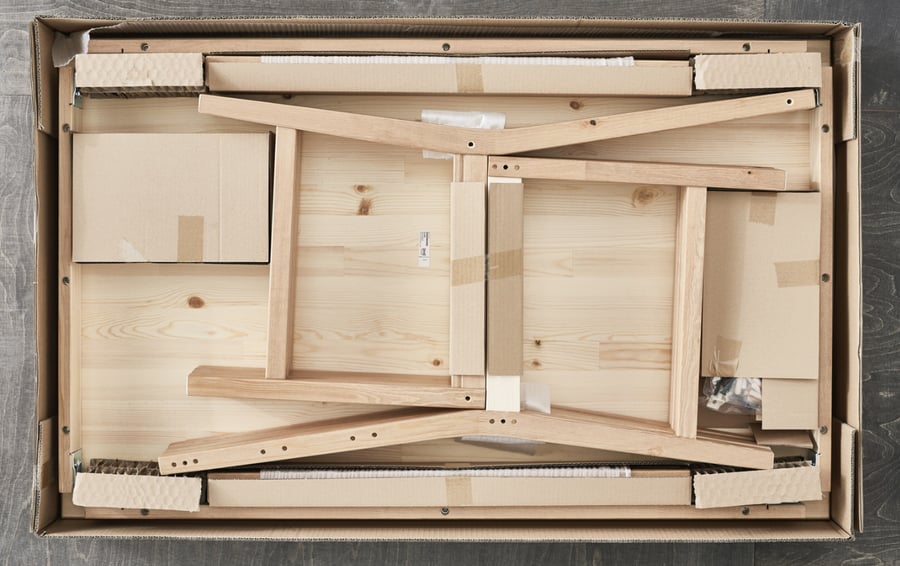
- Flat-Pack Design:Furniture comes in compact, flat boxes that are easy to carry and store.
- Pre-Drilled Holes and Fittings:Parts have pre-made holes and include screws, dowels, and connectors for straightforward assembly.
- Instruction Manuals:Step-by-step guides, often with diagrams, help you assemble the item without guesswork.
- Modular Components:Pieces are designed to fit together in a specific way, ensuring stability once assembled.
Have you ever tried assembling something without clear instructions? The quality of these manuals can make or break your experience.
Common Materials
Most self-assembly furniture uses materials that balance cost, weight, and durability. Particleboard and MDF (medium-density fiberboard) are common because they are lightweight and affordable.
Wood veneers or laminates often cover these materials to give a polished look without the price of solid wood. Metal parts, like screws and brackets, provide strength where needed.
Think about your space and how much wear your furniture will get. Would a lightweight material meet your needs, or do you want something sturdier?
Popular Styles
- Modern Minimalist:Clean lines and simple shapes, perfect for small spaces and a clutter-free look.
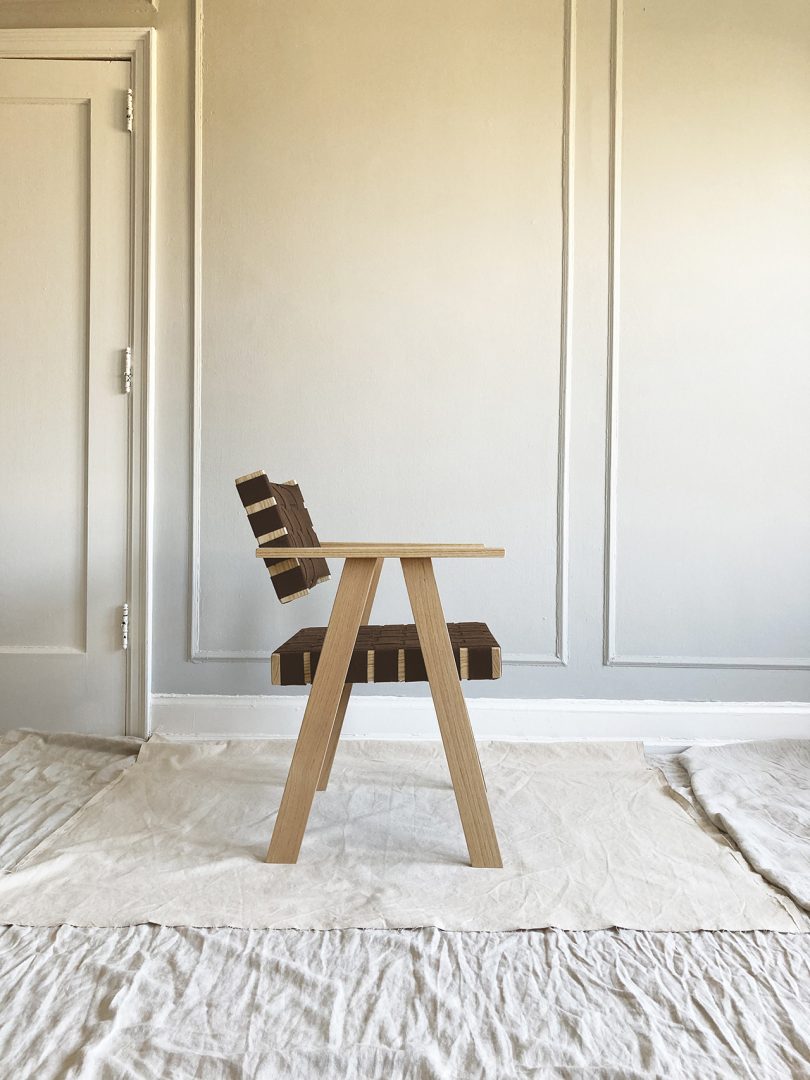
- Scandinavian:Light wood tones with functional, cozy designs that blend form and function.
- Industrial:Mix of metal and wood, offering a rugged and urban feel.
- Traditional:Classic shapes adapted for easy assembly, often with decorative elements.
Which style matches your personality and home decor? Choosing the right style can make assembling furniture feel less like a chore and more like a creative project.

Credit: www.vecteezy.com
Benefits Of Self-assembly Furniture
Self-assembly furniture offers many benefits that attract people to choose it over traditional furniture. It fits different lifestyles and budgets. The ease of setup and flexibility make it a popular choice.
People enjoy self-assembly furniture because it saves money, is easy to move, and offers options for personal style. Here are some key benefits to consider.
Cost Savings
Self-assembly furniture usually costs less than pre-assembled pieces. You save on factory labor and shipping space. The packaging is smaller, reducing delivery fees. Many find quality options at lower prices. This makes it budget-friendly for many homes.
Convenience And Portability
Boxes are easier to carry and fit in cars or small spaces. You can take the furniture anywhere without hassle. Moving or rearranging rooms becomes simpler. Assembly instructions are clear and often come with tools. Setup can be done in a short time.
Customization Options
Self-assembly furniture often allows changes to style and function. You can add shelves, change colors, or combine pieces. This lets you match your room’s look and needs. It is easy to update or expand the furniture later. Personal touches make your space unique.
Choosing The Right Pieces
Choosing pieces that fit your space and style makes assembling furniture easier and more enjoyable. Focus on simple designs and clear instructions to save time and avoid frustration. Select items with good reviews for quality and ease of assembly.
Choosing the Right Pieces Selecting the perfect self-assembly furniture can feel like a puzzle. You're not just choosing a piece of furniture; you're crafting a part of your living space. The key is to consider factors like space, functionality, and design to ensure your choice enhances your home.
Space Considerations
Before making a purchase, measure your available space. A large bookcase might seem like a great idea until it dwarfs your living room. Use a tape measure to mark out dimensions on the floor to visualize how a piece will fit. Think vertically if you're short on floor space. Tall shelves or stacked storage units can maximize room without overwhelming it. Always leave enough space for easy movement and additional decor.
Functionality Needs
Consider what you truly need from your furniture. Is it extra storage, seating, or a workspace? Prioritizing functionality ensures the piece serves its purpose effectively. Think about your lifestyle. If you love hosting, modular seating might be ideal. For home office needs, a desk with ample drawer space might be more suitable.
Design Compatibility
Your furniture should complement your existing decor. Look at your room's color palette and choose pieces that harmonize with it. Consider the style—modern, rustic, or traditional? Select furniture that matches or contrasts in a way that adds character. Mixing textures can add depth and interest. Pair a sleek metal table with a plush fabric chair for a balanced look. Choosing the right self-assembly furniture doesn't have to be daunting. With thoughtful consideration, you can find pieces that enhance your space beautifully.

Credit: design-milk.com
Assembly Tips And Tricks
Assembling self-assembly furniture can feel tricky without guidance. Simple tips help make the process smooth and less stressful. A clear plan and the right tools save time and avoid frustration.
Tools You’ll Need
- Screwdriver (both flathead and Phillips)
- Hammer or rubber mallet for gentle taps
- Allen wrench, often included with the furniture
- Measuring tape to check alignment
- Level to ensure even surfaces
- Small container to hold screws and parts
Step-by-step Approach
Start by unpacking all pieces and checking the instruction manual. Lay out each part in order. Identify screws, bolts, and fittings before starting.
Follow the instructions carefully, completing one section at a time. Avoid rushing to prevent mistakes. Tighten screws just enough during initial steps. Final tightening comes after full assembly to ensure parts fit well.
Keep workspace clean to avoid losing small pieces. Take breaks if needed to stay focused and patient.
Common Challenges
- Missing or extra parts can cause confusion
- Misreading instructions leads to wrong assembly
- Forcing parts may damage furniture or hardware
- Uneven surfaces can make alignment difficult
- Small screws can be hard to handle
Check all parts before starting to reduce missing pieces. Read instructions slowly to understand steps. Use gentle force and correct tools for each task. Adjust furniture placement on a flat surface for best results.
Styling Your Self-assembly Furniture
Styling your self-assembly furniture allows you to create a space that feels truly yours. It transforms simple pieces into a reflection of your taste and lifestyle. This process can be fun and rewarding, giving your room a unique charm.
Mixing And Matching
Combine different styles and colors to add interest. Pair modern pieces with classic designs for a balanced look. Use contrasting textures like wood and metal to create depth. Mixing helps avoid a dull or uniform appearance. It also lets you express creativity without rules.
Adding Personal Touches
Include items that tell your story. Place photos, plants, or souvenirs on shelves or tables. Use cushions, throws, and rugs to bring warmth and color. Personal touches make furniture feel welcoming and lived-in. They show your personality and make the space inviting.
Maintaining The Look
Keep your furniture clean and in good shape. Regular dusting and wiping prevent wear and tear. Tighten screws and check fittings to maintain stability. Use protective pads to avoid scratches on floors. Maintenance helps your furniture look fresh and last longer.
Credit: www.ikea.com
Frequently Asked Questions
What Is Self-assembly Furniture?
Self-assembly furniture is designed for easy home assembly. It comes with pre-cut parts and instructions. Users can build it without professional help, saving time and money. This type of furniture is popular for its convenience and affordability.
How Does Self-assembly Furniture Benefit Users?
Self-assembly furniture offers cost savings and customization options. It is easy to transport and store. Users enjoy a sense of accomplishment after assembly. It suits small spaces and frequently changing needs.
What Tools Are Needed For Self-assembly Furniture?
Most self-assembly furniture requires basic tools like screwdrivers and Allen wrenches. Some kits include necessary tools. No advanced skills are needed, making assembly accessible for most people.
Are Self-assembly Furniture Pieces Durable?
Yes, self-assembly furniture can be durable if assembled correctly. Quality depends on materials and design. Proper assembly ensures stability and longevity. Many brands offer warranties to guarantee durability.
Conclusion
Self-assembly furniture saves space and money. It lets you build items at your own pace. Instructions guide you step-by-step, making the process simple. You learn how parts fit and work together. This type of furniture offers flexibility and convenience. It suits many homes and lifestyles.
Trying self-assembly can be a fun challenge. It gives a sense of achievement when done right. Consider it for easy, affordable home furnishing. Simple, practical, and user-friendly—that’s self-assembly furniture.