

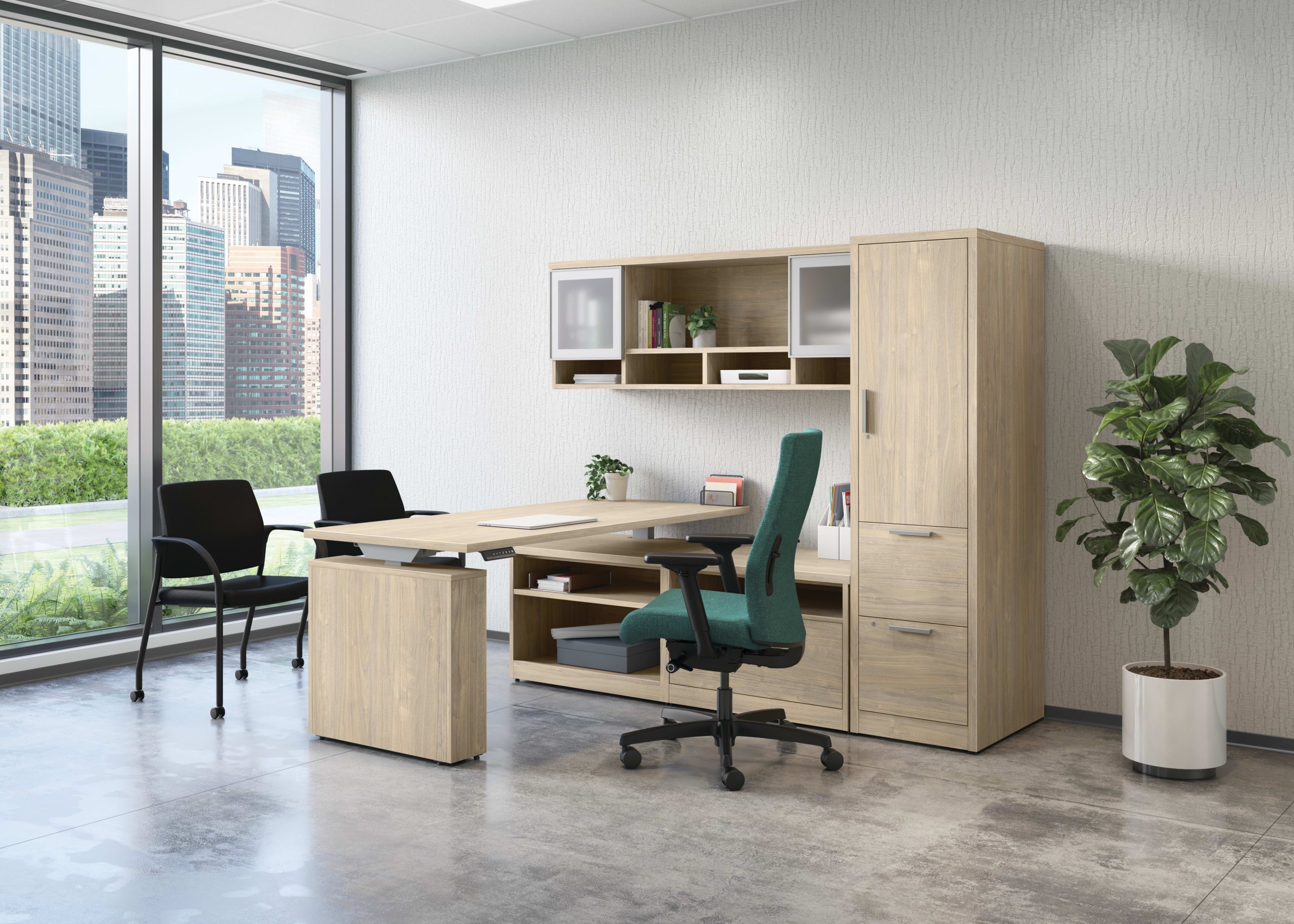
Have you ever stopped to think about what makes your workspace comfortable and productive? The answer often lies in your office furniture.
But what exactly is office furniture, and why does it matter to you? Whether you’re setting up a new office or upgrading your current one, understanding the role of office furniture can transform the way you work. Keep reading to discover how the right furniture can boost your focus, improve your posture, and even enhance your mood throughout the workday.
This isn’t just about desks and chairs—it’s about creating an environment where you can do your best work every single day.
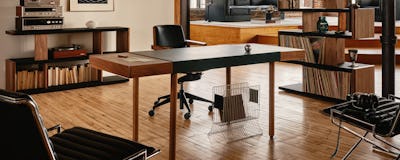
Credit: www.dwr.com
Types Of Office Furniture
Office furniture comes in many shapes and forms, each designed to support different tasks and work styles. Understanding the types of office furniture helps you create a workspace that boosts productivity and comfort. Let's look at the main categories and what they offer.
Desks And Workstations
Desks are the heart of any office setup. They range from simple tables to complex workstations with built-in storage and cable management. Have you ever noticed how a cluttered desk can slow you down? Choosing a desk that fits your work style and space can make a big difference.
Workstations often include adjustable heights, allowing you to switch between sitting and standing. This flexibility can improve your focus and reduce fatigue during long workdays.
Chairs And Seating
Your chair plays a crucial role in your daily comfort and posture. Ergonomic chairs support your back and encourage good posture, reducing the risk of pain. Think about how often you adjust your seat—this is a sign you might need better support.
Seating options vary from task chairs to lounge seating, depending on the purpose. If you spend hours at your desk, investing in a quality chair pays off in energy and health.
Storage Solutions
Storage furniture keeps your office organized and clutter-free. Filing cabinets, shelves, and lockers help you store documents, supplies, and personal items neatly. Ask yourself: how much time do you spend looking for things? Proper storage can save that time.
Open shelves offer quick access, while lockable cabinets provide security. Mixing these types lets you balance accessibility and safety.
Conference And Meeting Tables
Meeting tables come in various sizes to fit small huddles or large group discussions. The right table encourages collaboration and keeps everyone engaged. Have you noticed how cramped spaces can stifle communication?
Materials and shapes affect the room’s vibe—round tables promote equality, while rectangular ones create a formal atmosphere. Choose what suits your team’s culture best.
Reception Area Furniture
Your reception area is the first impression visitors get of your business. Comfortable seating and stylish tables make guests feel welcome and at ease. Imagine waiting in an uncomfortable chair—how does that affect your mood?
Reception desks are both functional and aesthetic, often combining storage and technology integration. A well-designed reception sets a positive tone before any conversation starts.

Credit: officefurnitureloft.com
Materials And Design Styles
Office furniture comes in many materials and design styles. These choices impact comfort, durability, and office aesthetics. Selecting the right materials and styles helps create a productive workspace. Each material offers unique benefits and fits specific design preferences.
Wood And Laminate
Wood is a classic choice for office furniture. It looks warm and natural. Hardwood is strong and lasts for years. Laminate mimics wood but costs less. It resists scratches and stains well. Both materials suit desks, cabinets, and shelves. Wood adds elegance. Laminate offers easy maintenance.
Metal And Glass
Metal furniture is sturdy and modern. It suits industrial and minimalist offices. Steel and aluminum are common metals used. Glass tops create a sleek, open feel. Glass pairs well with metal frames. These materials are easy to clean. They bring a contemporary look to the office.
Modern Vs Traditional Designs
Modern designs focus on simplicity and function. Clean lines and neutral colors dominate. Traditional designs use ornate details and rich tones. They often feature wood and classic shapes. Modern style fits tech and creative spaces. Traditional style suits formal and classic offices. Both styles affect office mood and style.
Ergonomic Features
Ergonomic furniture supports health and comfort. Chairs with adjustable heights reduce back pain. Desks with adjustable surfaces improve posture. Ergonomic designs help reduce fatigue and injury. They promote better focus and productivity. Choosing ergonomic furniture benefits long work hours.
Choosing Furniture For Different Workspaces
Office furniture includes desks, chairs, and storage designed for work environments. It supports comfort, organization, and productivity in various workspaces. Choosing the right pieces helps create an efficient and pleasant office atmosphere.
Choosing the right furniture for different workspaces is more than just picking what's visually appealing. It's about creating an environment that enhances productivity, comfort, and collaboration. Whether it's an open plan office buzzing with activity or a serene home office, each space demands a unique approach to furniture selection. Let's dive into the specifics of what each workspace needs.
Open Plan Offices
Open plan offices thrive on flexibility and interaction. Opt for modular desks and mobile chairs that allow employees to rearrange their space as needed. Consider privacy screens and acoustic panels to minimize noise and distractions, creating a balance between openness and focus.
Private Offices
Private offices require a more personalized touch. Choose ergonomic chairs and spacious desks to ensure comfort during long hours. Add personal storage solutions like filing cabinets or shelves to keep the space organized and clutter-free.
Collaborative Spaces
In collaborative spaces, furniture needs to encourage teamwork and creativity. Round tables and comfortable seating arrangements foster open communication. Equip these areas with whiteboards and pinboards for brainstorming sessions and sharing ideas.
Home Offices
A home office should blend functionality with the comfort of a home setting. Select a desk that fits the room size while providing enough surface area for work essentials. Incorporate a supportive chair and ensure your space is well-lit to reduce strain during work hours. Choosing the right furniture can transform any workspace into a hub of productivity and innovation. How do you envision your ideal workspace?
Ergonomics And Comfort
Ergonomics and comfort play a crucial role in office furniture design. They help create a workspace that supports health and productivity. Proper ergonomic furniture reduces strain on the body. It makes long work hours easier and safer. Comfort in the office improves focus and job satisfaction. It also lowers the risk of injury.
Adjustable Chairs And Desks
Adjustable chairs and desks allow customization for each user. They fit different body sizes and shapes. Chairs with height and backrest adjustments support the spine well. Desks that change height help users switch between sitting and standing. This flexibility reduces stiffness and promotes movement throughout the day.
Proper Posture Support
Good office furniture encourages proper posture. It keeps the spine aligned and the shoulders relaxed. Ergonomic chairs support the lower back curve. Desks with enough space prevent slouching and awkward arm positions. Proper posture reduces muscle tension and discomfort.
Reducing Fatigue And Injury
Ergonomic furniture reduces physical fatigue. It lowers pressure on joints and muscles. This helps prevent repetitive strain injuries like carpal tunnel syndrome. Comfortable seating and work surfaces reduce the risk of back pain. A well-designed workspace supports longer and healthier workdays.
Maximizing Space Efficiency
Maximizing space efficiency is key to creating a productive and comfortable office environment. Limited square footage shouldn't hold you back from designing a workspace that feels open and organized. With the right furniture choices, you can make every inch count without sacrificing style or function.
Compact Furniture Options
Choosing compact furniture helps you fit essential pieces into smaller areas without crowding your workspace. Desks with slim profiles or wall-mounted tables can free up floor space and make your office feel less cramped.
Think about replacing bulky chairs with streamlined designs that still offer comfort. Folding or stackable chairs are great if you need flexible seating that can be stored away easily.
Multi-functional Pieces
Multi-functional furniture serves more than one purpose, helping you reduce clutter and save space. A desk with built-in shelves or a filing cabinet that doubles as a printer stand can cut down on extra pieces.
Consider a sofa that converts into a guest bed or storage ottomans that hide supplies inside. These versatile items keep your office tidy and ready for different needs.
Smart Storage Ideas
Smart storage can turn wasted corners and walls into practical areas for organization. Use vertical storage like tall bookcases or wall-mounted shelves to keep your desk clear.
Drawer organizers and under-desk storage units help you sort documents and tools efficiently. Ask yourself where you lose time hunting for items—then design storage solutions to fix that.
Sustainability In Office Furniture
Sustainability in office furniture is more than a trend—it's a necessary shift in how we design and use our workspaces. Choosing sustainable options reduces environmental impact and often improves the health and comfort of your office environment. Are you aware of how your furniture choices affect the planet and your daily work life?
Eco-friendly Materials
Office furniture made from eco-friendly materials like bamboo, reclaimed wood, or recycled metal helps lower carbon footprints. These materials often require less energy to produce and generate fewer pollutants. You might be surprised how stylish and durable eco-friendly furniture can be, proving that sustainability doesn’t mean compromising quality or aesthetics.
Recycling And Upcycling
Recycling and upcycling extend the life of office furniture, keeping it out of landfills. Instead of tossing old desks or chairs, consider refurbishing or repurposing them. This not only saves money but also adds character and uniqueness to your workspace, showing that sustainability can be creative and practical.
Certified Green Products
Look for furniture certified by organizations like FSC, GREENGUARD, or BIFMA. These certifications ensure that the products meet strict environmental and health standards. Choosing certified green products gives you peace of mind that your office furniture supports a healthier planet and workplace.
Budgeting And Investment Tips
Budgeting for office furniture requires smart planning and wise investment. Spending on the right pieces improves comfort and productivity. Choosing furniture based only on low price may cause extra costs later. Understanding how to balance cost and quality helps make better decisions. Consider the long-term value to get the most from your money.
Balancing Cost And Quality
Cheap furniture often wears out quickly. It may need replacing sooner than expected. High-quality pieces last longer and offer better comfort. Set a budget that allows some flexibility. Prioritize durability and ergonomic design. Avoid very cheap options that lack support or safety features.
Long-term Value
Think about how long the furniture will last. Good office furniture supports health and boosts work efficiency. Choose materials that resist wear and tear. Modular or adjustable pieces can adapt to future needs. Spending more now can save money on repairs or replacements later.
Where To Buy
- Specialty office furniture stores offer expert advice and warranties.
- Online retailers provide a wide range of styles and prices.
- Outlet stores or clearance sales can have quality pieces for less.
- Consider used furniture for budget-friendly, good-condition options.
Compare prices and read reviews before buying. Check return policies to avoid risks. Investing time in research leads to smarter furniture choices.
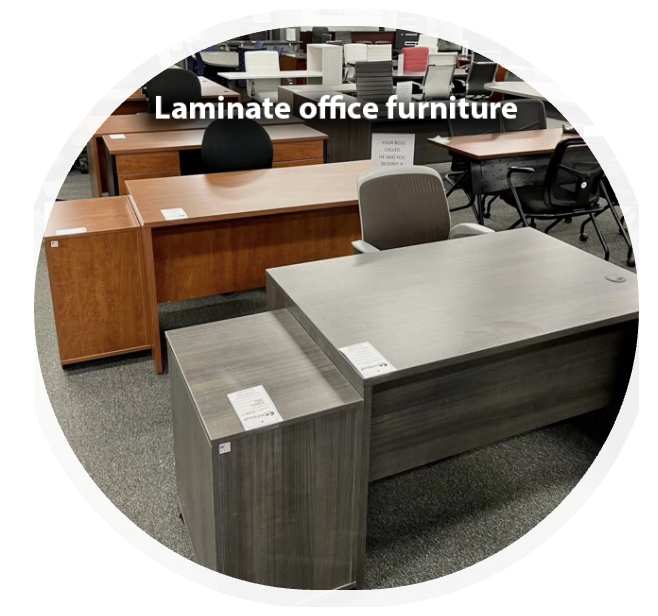
Credit: unitedofficefurniture.com
Frequently Asked Questions
What Is Office Furniture Used For?
Office furniture provides essential support for daily work tasks. It creates an organized, comfortable, and productive environment for employees. Furniture includes desks, chairs, storage units, and conference tables. It helps improve workflow and employee well-being in the workplace.
What Types Of Office Furniture Are Common?
Common office furniture includes desks, ergonomic chairs, filing cabinets, conference tables, and workstations. These pieces support various work activities and storage needs. Selecting the right types enhances office efficiency and comfort.
How Does Office Furniture Impact Productivity?
Office furniture affects posture, comfort, and focus. Ergonomic furniture reduces fatigue and discomfort, boosting employee productivity. Well-designed furniture promotes better collaboration and workflow, leading to improved work outcomes.
What Materials Are Office Furniture Made From?
Office furniture is commonly made from wood, metal, glass, and plastic. These materials offer durability, style, and functionality. The choice depends on the office’s design, budget, and usage requirements.
Conclusion
Office furniture shapes how workspaces feel and function. It supports comfort and boosts productivity daily. Choosing the right pieces helps create an organized, welcoming office. Simple designs often work best for any business size. Quality furniture lasts longer and saves money over time.
Think about what your team needs most. Good office furniture makes work easier and more enjoyable. It’s a small step that has a big impact.

