

Are you ready to build your own furniture but not sure where to start? Having the right tools can make all the difference between a frustrating project and a smooth, enjoyable experience.
Imagine creating beautiful, sturdy pieces that last for years—without wasted time or effort. You’ll discover the essential tools you need to turn your ideas into reality. Whether you’re a beginner or looking to upgrade your toolkit, these must-have tools will help you work smarter and build with confidence.
Keep reading to unlock the secrets that will make your furniture-building projects easier and more rewarding.
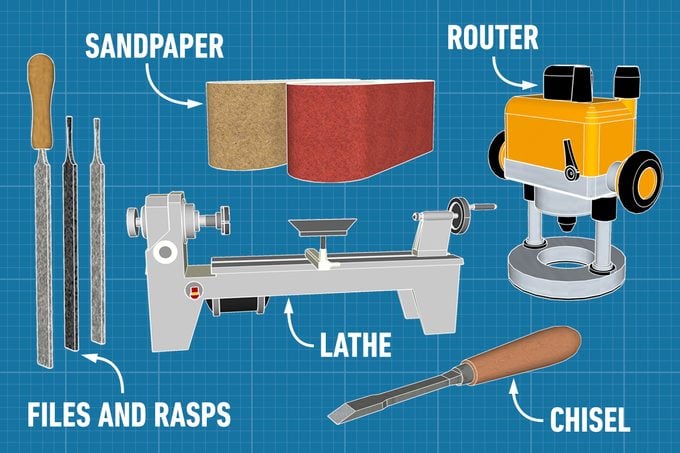
Credit: www.familyhandyman.com
Basic Hand Tools
Basic hand tools form the foundation of any furniture-building project. They offer precision, control, and the satisfaction of crafting something with your own hands. Investing time in understanding and selecting the right hand tools can make your woodworking both easier and more enjoyable.
Measuring And Marking Tools
Accurate measurements are the backbone of good furniture. Essential measuring tools include a tape measure, a combination square, and a marking gauge. These help you mark straight lines, right angles, and consistent depths.
Don’t underestimate the power of a sharp pencil or a fine-tip marking knife—they give cleaner, more precise lines. Have you noticed how a slight mismeasurement can throw off an entire project? Taking time to mark carefully saves hours of fixing mistakes.
Cutting Tools
Cutting tools shape your raw materials into the pieces you need. A quality handsaw, a coping saw, and a chisel set are must-haves. Each serves a different purpose—handsaws for straight cuts, coping saws for curves, and chisels for fine detail work.
Choosing the right blade and keeping it sharp makes cutting smoother and safer. Think about the last time you struggled with a dull saw—doesn’t it make the task frustrating? Maintaining your tools sharp is key to efficient woodworking.
Assembly Tools
Once your pieces are cut, you need tools to join them securely. Clamps, screwdrivers, and a hammer are the basics you’ll use repeatedly. Clamps hold pieces steady while glue dries or screws go in, preventing movement that can ruin your work.
Screwdrivers come in various sizes and types; having a set ensures you can handle different screws. A good hammer with a comfortable grip also makes driving nails easier and protects your fingers. Have you tried assembling furniture without clamps? You’ll quickly see how much more difficult it becomes.
Power Tools
Power tools are essential for building furniture quickly and with accuracy. They save time and reduce manual effort. Using the right power tool improves the quality of your work. These tools help you drill, cut, and finish wood efficiently. Below are key types of power tools every furniture maker should own.
Drills And Drivers
Drills and drivers are must-have tools for any furniture project. A drill makes holes in wood, while a driver inserts screws. Cordless models offer great flexibility and ease of use. Look for variable speed and torque settings. These features help control the drilling depth and screw tightness. A set with multiple bits and attachments is useful for different tasks.
Saws For Precision Cuts
Saws provide clean, precise cuts on wood pieces. Circular saws handle straight cuts quickly. Jigsaws cut curves and shapes easily. Miter saws create angled cuts for frames and corners. Blades should match the wood type and thickness. Using sharp blades improves cut quality and safety. Proper support and guides ensure straight, accurate cuts.
Sanders And Finishers
Sanders smooth wood surfaces before finishing. Orbital sanders are great for flat areas. Detail sanders reach tight corners and edges. Choose the right grit sandpaper for each sanding stage. Finishers apply stains or sealants evenly. Using these tools ensures a polished, professional look. They help protect wood and highlight its natural beauty.
Clamps And Supports
Clamps and supports hold pieces tightly, making furniture assembly easier and more precise. They help keep parts steady while gluing or screwing. Using the right clamps improves safety and ensures strong, even joints.
Clamps and supports are the unsung heroes in the world of furniture building. They hold your pieces steady, ensuring precision and safety. Whether you're assembling a new dining table or crafting a bespoke chair, having the right clamps and supports can make all the difference in the outcome of your project.
Types Of Clamps
There are several types of clamps that you might consider essential for your workshop. Bar clamps are versatile and can be used for a variety of projects, providing strong, even pressure across large surfaces. C-clamps are great for smaller, more detailed work, offering a firm grip without taking up too much space. Pipe clamps are another option for those who need adjustable length, ideal for larger projects or when you need to apply pressure over a long span. Each type of clamp serves a unique purpose, so having a mix in your toolbox can prepare you for any task. Have you ever found yourself struggling with slipping pieces? Choosing the right clamp can prevent this common frustration.
Using Workbenches And Stands
A sturdy workbench is the backbone of any furniture-building endeavor. It provides a reliable surface to work on and can often be customized with bench dogs or vises for added functionality. Consider investing in a quality workbench that suits the size and scope of your projects. Stands, such as sawhorses, offer additional support for larger materials. They're perfect for when you're working with long planks or heavy boards that need extra stability. Have you ever been in the middle of a cut and wished for just a bit more support? Stands can be your best friend in those moments, ensuring safety and accuracy. The combination of the right clamps and supports can significantly enhance your furniture-building experience. It’s about creating a workspace that not only supports your materials but also boosts your confidence and skills. What will you build next with the right tools at your side?

Credit: www.youtube.com
Safety Gear
Safety gear is vital when building furniture. It protects you from common hazards like flying debris, dust, and loud noises. Using the right safety equipment lowers the risk of injury and keeps your work area safe. Always wear the proper gear before starting any project.
Eye And Ear Protection
Protecting your eyes is crucial. Safety glasses or goggles shield your eyes from wood chips and dust. Ear protection, like earplugs or earmuffs, reduces noise from power tools. This prevents hearing damage over time. Both are simple but essential tools for safety.
Respiratory Masks
Wood dust can irritate your lungs and cause breathing problems. A good respiratory mask filters harmful particles from the air. Choose masks with proper filters for woodworking. Wearing one helps you breathe clean air and work longer comfortably.
Gloves And Clothing
Gloves protect your hands from cuts and splinters. Use gloves that fit well and allow movement. Avoid loose clothing that can get caught in machines. Wear long sleeves and sturdy pants to shield your skin. Proper clothing adds an extra layer of safety while working.
Measuring And Layout Tools
Measuring and layout tools are the foundation of accurate furniture building. They help ensure every cut, joint, and assembly fits perfectly. Using the right tools prevents mistakes and saves time. These tools guide your work and improve the final product's quality.
Squares And Levels
Squares help check right angles and keep edges straight. Common types include the try square, combination square, and speed square. They ensure corners are exactly 90 degrees, which is crucial for strong joints.
Levels show if surfaces are flat or plumb. A spirit level or bubble level contains liquid and an air bubble. When the bubble centers, the surface is level. This tool is vital for making balanced furniture pieces.
Calipers And Gauges
Calipers measure thickness, width, and depth with great precision. They come in digital, dial, and vernier types. Calipers help fit parts tightly without gaps or overlaps.
Gauges check distances and spacing between parts. Marking gauges and thickness gauges ensure consistent measurements. These tools improve repeatability and accuracy in your woodworking projects.
Finishing Supplies
Finishing supplies give your furniture the final look. They protect the wood and add beauty. Choosing the right supplies makes your project last longer and look great. These materials help you express style and care in your work.
Paints And Stains
Paints add color and cover the wood completely. They come in many shades and finishes. Stains soak into the wood and show its natural grain. Both protect the wood from damage.
- Water-based paints dry fast and clean easily.
- Oil-based paints offer a smooth, durable finish.
- Wood stains enhance natural beauty and texture.
- Clear finishes like varnish or polyurethane protect surfaces.
Brushes And Applicators
Brushes apply paint and stain evenly. Different brushes suit different finishes and surfaces. Using the right brush ensures a smooth, clean coat. Applicators like foam pads and rags work well for stains.
- Synthetic brushes suit water-based paints.
- Natural bristle brushes work best with oil paints.
- Foam brushes prevent streaks on smooth surfaces.
- Rags help with wiping and blending stains.
Storage And Maintenance
Keeping your woodworking tools well stored and maintained is key to building quality furniture. Proper storage prevents damage and makes your workspace safer and more efficient. Maintenance extends the life of your tools and keeps them working smoothly every time you use them.
Organizing Tools
How you organize your tools affects how quickly you can find what you need. Use pegboards to hang frequently used hand tools like hammers, screwdrivers, and chisels. Clear plastic bins work great for smaller items such as screws, nails, and drill bits, keeping them visible and easy to access.
Consider labeling shelves and drawers to save time during busy projects. Magnetic strips can hold metal tools securely and free up drawer space. Think about the flow of your work area—store tools close to where you use them most to avoid unnecessary trips.
Tool Care Tips
Regular maintenance keeps your tools sharp and reliable. After each use, wipe tools clean and remove any dust or wood residue to prevent rust and buildup. Applying a light coat of oil to metal parts stops corrosion and keeps moving parts smooth.
Sharpen blades and bits regularly; dull tools make your work harder and less precise. Check handles for cracks or loose parts and fix them promptly to avoid accidents. Have you noticed how a well-maintained tool feels almost like an extension of your hand? That’s the difference good care makes.

Credit: www.youtube.com
Frequently Asked Questions
What Basic Tools Are Needed For Furniture Building?
Basic tools include a tape measure, hammer, screwdriver, saw, and drill. These are essential for measuring, cutting, assembling, and fastening materials accurately.
How Does A Power Drill Help In Furniture Making?
A power drill speeds up drilling holes and driving screws. It ensures precision and saves time during assembly and construction processes.
Why Is A Tape Measure Crucial For Furniture Projects?
A tape measure ensures accurate measurements, which are vital for fitting parts correctly. It helps avoid errors and material wastage.
What Type Of Saw Is Best For Cutting Wood Furniture?
A circular saw is versatile for straight cuts, while a jigsaw suits curved cuts. Both are common choices for woodworking tasks.
Conclusion
Having the right tools makes furniture building easier and more fun. These essential tools help you work with wood safely and accurately. Good tools save time and reduce mistakes. Start with basic tools and add more as you gain skills.
Practice often to improve your work quality. Enjoy creating pieces that fit your style and space. Building furniture can be a rewarding hobby for anyone. Keep your tools clean and organized for best results. Ready to build? Your project awaits!