
Are you ready to bring new life to your old furniture but unsure where to start? The right tools can make all the difference between a frustrating project and a satisfying transformation.
Whether you want to strip away layers of paint or give your wood a smooth, polished finish, having the proper equipment is key. You’ll discover the essential tools that will help you refinish furniture like a pro—saving you time, effort, and headaches.
Keep reading, and you’ll soon feel confident to tackle your next project with ease.

Credit: boyntonbeachinsider.com
Choosing The Right Sandpaper
Choosing the right sandpaper is key to a smooth furniture refinishing job. It affects how well the surface prepares for paint or stain. Using the wrong sandpaper can damage the wood or leave rough patches. Knowing the grit levels and materials helps pick the perfect sandpaper for each task.
Grit Levels And Their Uses
Sandpaper grit shows how coarse or fine the particles are. Lower numbers mean rougher sandpaper, while higher numbers mean finer grit. Each grit level suits different jobs on furniture.
- Coarse grit (40-60):Removes old finish fast. Use on rough surfaces or damaged wood.
- Medium grit (80-120):Smooths rough wood. Prepares surface for finer sanding or painting.
- Fine grit (150-180):Perfect for final sanding before staining or sealing.
- Very fine grit (220+):Used for sanding between coats of finish for a smooth look.
Start with coarse grit for heavy work. Move to finer grit for a soft, even surface.
Types Of Sandpaper Materials
Sandpapers come in different materials. Each works best for certain woods and finishes.
- Aluminum oxide:Durable and common. Good for wood and metal.
- Garnet:Natural and softer. Ideal for hand sanding wood.
- Silicon carbide:Sharp and tough. Works well on metal and plastic.
- Ceramic:Very hard and long-lasting. Best for power sanding tough surfaces.
Pick sandpaper material based on the wood type and sanding tool used.
Power Sanders For Efficiency
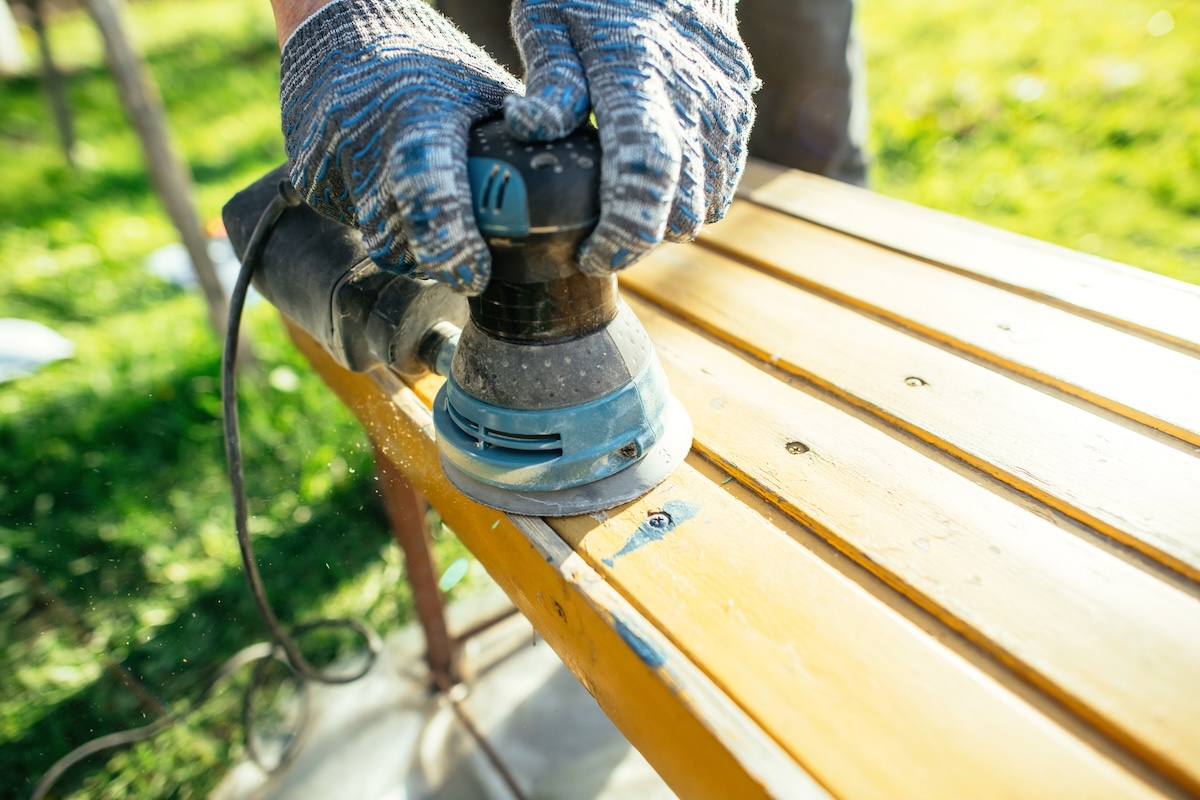
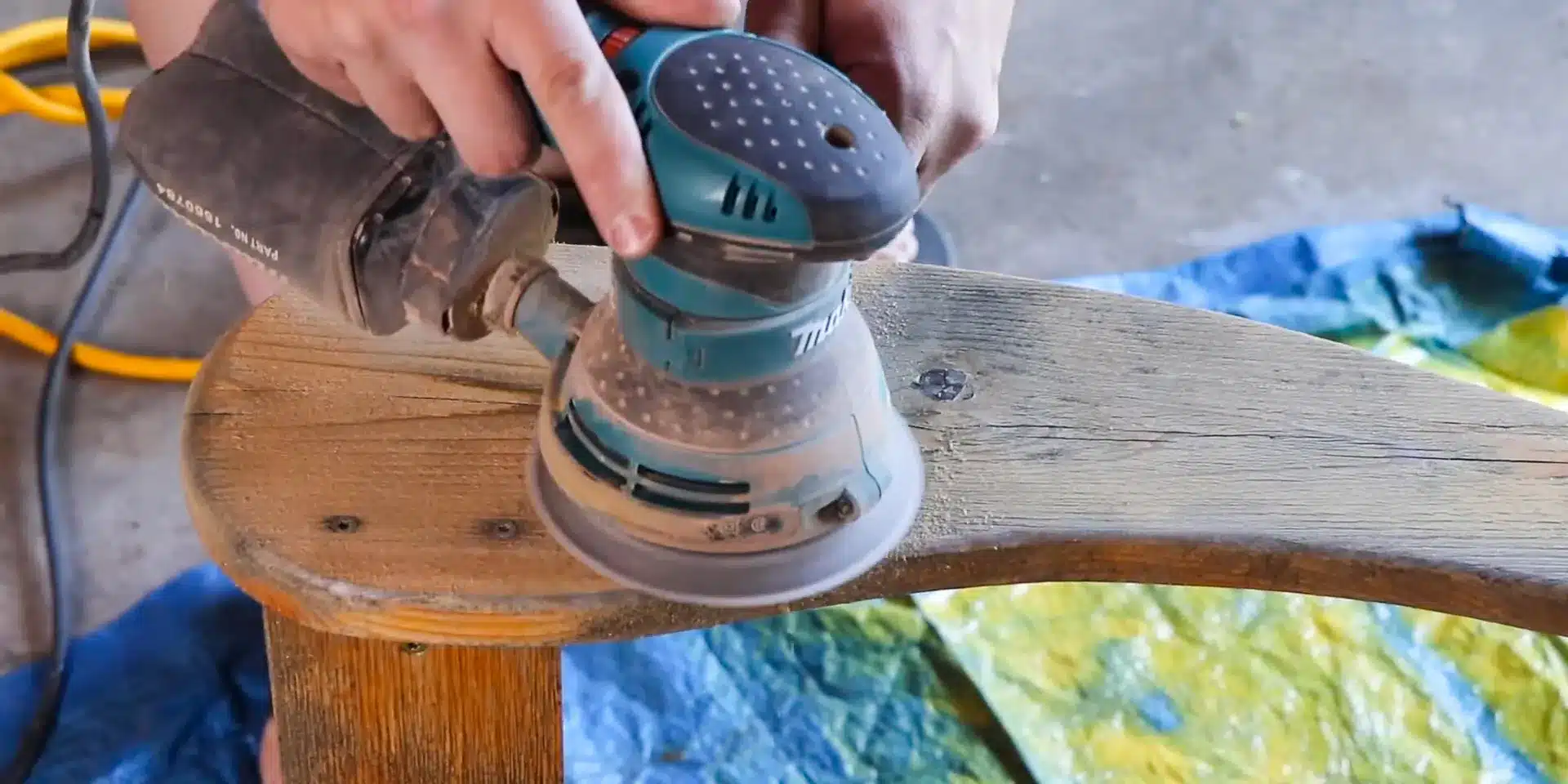
Power sanders speed up furniture refinishing by removing old paint and smoothing surfaces quickly. They save time and effort compared to hand sanding. Different types of power sanders suit various tasks in refinishing projects. Choose the right one for better results and efficiency.
Orbital Sanders
Orbital sanders move in small circles to sand surfaces evenly. They work well on flat areas and remove finish without leaving marks. These sanders are easy to control and good for beginners. Use fine grit sandpaper for smooth finishes after removing old layers.
Belt Sanders
Belt sanders use a continuous loop of sandpaper to remove material fast. They are powerful and best for heavy sanding tasks. These sanders handle rough surfaces and large flat areas with ease. Avoid using belt sanders on delicate wood as they can leave deep scratches.
Detail Sanders
Detail sanders have small, pointed pads to reach tight corners and edges. They are perfect for sanding intricate parts of furniture. Use detail sanders to smooth curves and small spaces where other sanders can’t fit. They help prepare detailed areas for painting or staining.
Essential Hand Tools
Essential hand tools like sandpaper, scrapers, and paintbrushes help restore old furniture. These tools make refinishing easier and more precise. Using the right hand tools improves the quality and finish of your furniture projects.
Refinishing furniture can be an incredibly rewarding endeavor. The transformation of a tired piece into something stunning is often worth the effort. To achieve the best results, having the right hand tools at your disposal is crucial. Let's explore some essential hand tools that should be part of every furniture refinisher's toolkit.
Scrapers And Putty Knives
Scrapers and putty knives are indispensable for removing old finishes and smoothing surfaces. A sharp scraper can efficiently strip away layers of paint or varnish without damaging the wood underneath. Putty knives, with their flat, flexible blades, are excellent for applying fillers to repair dents or holes. Imagine working on an old dresser. As you strip away the paint, the beautiful grain of the wood beneath begins to reveal itself. The right scraper makes this transformation seamless.
Wire Brushes
Wire brushes play a vital role in tackling stubborn residues and rust. They can reach into grooves and corners that sandpaper might miss, ensuring a thorough clean. Consider using a wire brush on a vintage metal chair. The layers of rust begin to disappear, unveiling the potential for a sleek new look. Isn't it satisfying to see the bare metal shine again?
Chisels And Files
Chisels and files are perfect for detailed work and shaping wood. A sharp chisel can carve out intricate designs or remove unwanted wood with precision. Files help in smoothing the edges and perfecting the final touches. Picture this: you're refining the edges of a wooden table. The chisel glides smoothly, and with each stroke, the table's form becomes more defined. It's a moment of artistry in every cut. Investing in these essential hand tools not only makes refinishing easier but also enhances the quality of your work. Which tool will you add to your collection next? Embrace the challenge and watch your old furniture pieces come back to life.
Credit: www.bobvila.com
Stripping Old Finishes
Stripping old finishes is a vital step in furniture refinishing. Removing the existing paint, varnish, or lacquer reveals the bare wood underneath. This allows new finishes to adhere well and look smooth. Choosing the right tools makes this task easier and safer. Two common tools are chemical strippers and heat guns. Both have unique benefits and suit different project needs.
Chemical Strippers
Chemical strippers dissolve old finishes quickly. They come in gel, liquid, or paste forms. Apply the stripper evenly with a brush. Wait for the finish to bubble or soften. Use a scraper to remove the loosened finish gently. Chemical strippers work well on detailed or curved surfaces. They reach small crevices that sanding might miss.
- Choose a low-toxicity, environmentally friendly formula.
- Wear gloves and work in a ventilated area.
- Test on a small area first to avoid wood damage.
- Follow the product’s instructions carefully.
Heat Guns
Heat guns soften old finishes by heating them. The finish bubbles and lifts away easily. Hold the heat gun a few inches above the surface. Move it slowly to avoid burning the wood. Use a scraper to remove softened finish. Heat guns work best on flat, open surfaces. They do not use chemicals and dry faster than strippers.
- Wear protective gloves and eye protection.
- Avoid pointing the heat gun too long in one spot.
- Test on a hidden area to check the heat effect.
- Use on well-ventilated spaces to avoid fumes.
Choosing The Right Brushes And Applicators
Choosing the right brushes and applicators can change the entire outcome of your furniture refinishing project. The texture, finish, and even the drying time depend heavily on what tools you select. Understanding the differences between brush types and applicators helps you avoid common pitfalls and achieve a smooth, professional look.
Natural Vs Synthetic Brushes
Natural brushes, made from animal hair like hog or badger, excel at holding oil-based paints and stains. They offer a smooth finish and are perfect for traditional wood finishes. However, they can be pricey and require careful cleaning.
Synthetic brushes, often made from nylon or polyester, work best with water-based paints and finishes. They resist damage from solvents and dry quickly. If you want durability and versatility, synthetic brushes are a smart choice.
Think about the type of finish you want before picking your brush. Are you going for a glossy oil finish or a quick-drying water-based coat? Your brush choice should match your finish to avoid streaks or uneven coverage.
Foam Applicators
Foam applicators are great for spreading paint or varnish evenly without brush marks. They are especially useful for small or detailed furniture pieces where a smooth surface is essential. You can control the amount of product better with foam, reducing drips and waste.
Keep in mind, foam applicators don’t hold as much product as brushes, so you might need to reload often. They wear out faster but are inexpensive to replace. If you want a flawless finish on flat surfaces, foam applicators are worth trying.
Rags And Sponges
Rags and sponges add a unique touch to refinishing by allowing you to apply stains or finishes in layers. They are perfect for creating textured or distressed looks that brushes can’t replicate. Plus, they help you wipe off excess stain quickly, preventing blotches.
Using old t-shirts or microfiber cloths can save you money and give you better control over the finish. Sponges, on the other hand, can reach tight corners and grooves easily. Have you experimented with rags or sponges to add character to your furniture?
Finishing Supplies
Finishing supplies are essential for giving your furniture a beautiful and lasting look. They protect the wood and add color or shine. Choosing the right supplies can change the whole appearance of your piece. These products also help in preserving the furniture for many years.
Stains And Paints
Stains bring out the natural grain of wood. They come in many colors and types. Oil-based stains last longer and penetrate deeper. Water-based stains dry faster and have less odor. Paints cover the wood completely and offer many color choices. Use paint for a bold or modern look. Both stains and paints require a smooth surface for best results.
Sealants And Varnishes
Sealants protect wood from moisture and damage. They help keep the finish smooth and shiny. Varnishes add a hard, glossy layer on top. They come in gloss, satin, or matte finishes. Applying sealants or varnishes makes furniture easier to clean. These products also increase the durability of the piece.
Waxes And Oils
Waxes give a soft, natural shine to wood surfaces. They are easy to apply and buff to a glow. Oils soak into the wood and nourish it. They help prevent drying and cracking. Common oils include linseed and tung oil. Both waxes and oils enhance the wood’s texture and color. They are great for a warm, classic finish.
Safety Gear For Refinishing
Refinishing furniture involves chemicals, dust, and fumes. Safety gear protects your body from harm. Wearing the right equipment keeps you safe and comfortable. It also helps you focus better on your project. Prioritize safety before starting any refinishing work.
Respirators And Masks
Respirators block harmful dust and toxic fumes. Use a mask rated for chemical vapors and dust. Simple dust masks do not protect against fumes. Choose one with replaceable filters for better use. Wear it snugly over nose and mouth. Change filters regularly to keep protection strong.
Gloves And Eye Protection
Gloves shield your hands from chemicals and splinters. Use chemical-resistant gloves for stripping and painting. Avoid thin gloves that tear easily. Eye protection stops dust and splashes from reaching eyes. Safety goggles offer full coverage and a secure fit. Never skip gloves and eye gear during refinishing.
Ventilation Tips
Good airflow reduces dangerous fumes and dust buildup. Open windows and doors to create cross-ventilation. Use fans to push fresh air in and pull bad air out. Work outside or in a well-ventilated garage if possible. Avoid enclosed spaces without air movement. Proper ventilation keeps the air clean and breathing easy.
Credit: serwalloutdoor.com
Workspace Setup
Setting up the right workspace is crucial for any furniture refinishing project. Your environment influences both the quality of your work and how comfortable you feel during the process. A well-organized and properly equipped space can turn a daunting task into an enjoyable and efficient experience.
Lighting And Ventilation
Good lighting reveals imperfections and helps you see true colors, which is essential when sanding or applying finishes. Natural light is ideal, but if that’s not possible, invest in bright, adjustable LED lamps that mimic daylight.
Ventilation is equally important. Refinishing often involves fumes from paints, stains, or solvents. Open windows or use fans to keep fresh air moving and protect your health. Have you noticed how a stuffy room can make even simple tasks feel exhausting?
Workbenches And Supports
Your workbench should be sturdy and at a comfortable height to avoid strain. Consider adjustable-height benches if you spend long hours working. Adding supports like sawhorses or clamps can stabilize pieces, letting you focus on precision rather than balance.
Think about the size of your furniture pieces too. Do you have enough space to move around and rotate your project without bumping into walls or tools? A cramped area slows you down and increases mistakes.
Organizing Tools
Keep your essential tools within arm’s reach to maintain workflow momentum. Use pegboards, magnetic strips, or toolboxes to sort items like sandpaper, brushes, scrapers, and screwdrivers.
Labeling storage spots saves time searching and prevents clutter buildup. Have you ever lost a small brush right in the middle of a project? A simple organizing system can save you from that frustration and keep your focus sharp.
Frequently Asked Questions
What Essential Tools Do I Need For Refinishing Furniture?
Essential tools include sandpaper, paintbrushes, scrapers, and a power sander. You also need wood filler and protective gear. These tools ensure smooth surfaces and a professional finish when refinishing furniture.
How Do I Choose The Right Sandpaper Grit?
Start with coarse grit (60-80) to remove old finish, then use medium (120-150) for smoothing. Finish with fine grit (220+) for a polished surface. Choosing the right grit ensures effective refinishing without damaging the wood.
Can I Refinish Furniture Without Power Tools?
Yes, you can refinish using hand tools like sanding blocks and scrapers. It takes more time but offers precise control. Hand tools are ideal for small or delicate furniture projects.
What Type Of Paintbrush Is Best For Furniture Refinishing?
Use natural bristle brushes for oil-based finishes and synthetic brushes for water-based finishes. Quality brushes prevent streaks and provide an even coat. Choosing the right brush improves the final look of your furniture.
Conclusion
Refinishing furniture needs the right tools for the best results. Simple tools can make your work easier and faster. Choose quality items that fit your project and skill level. Take time to learn how each tool works safely. Enjoy the process and watch old furniture look new again.
Small efforts bring big changes to your pieces. Keep practicing, and your skills will improve with every project.