

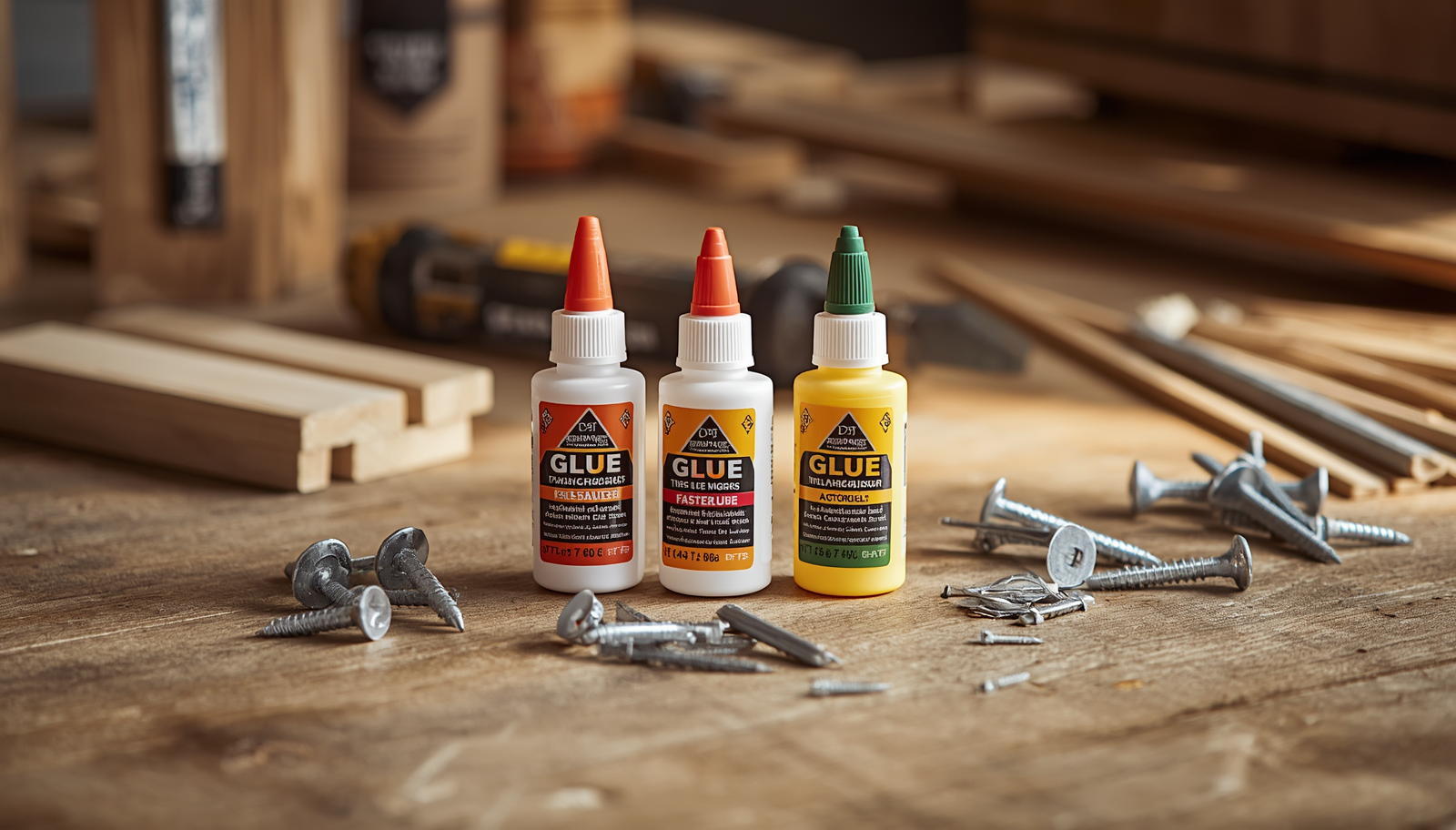
Is Glue a Fastener? Strengths, Limitations, and Best Uses Explained
Have you ever paused to think about what really holds things together? When you pick up that bottle of glue, do you consider if it’s actually a fastener?
You might assume fasteners are just nails, screws, or bolts, but glue plays a unique role in joining materials. Understanding whether glue counts as a fastener can change how you approach your next DIY project or repair. Keep reading, and you’ll discover surprising facts that can make your work stronger and smarter.
Glue As A Fastener
Glue acts as a fastener by holding materials together without the need for nails or screws. It creates a strong bond that keeps objects attached over time. Many projects rely on glue because it works quietly and invisibly.
Types Of Glue
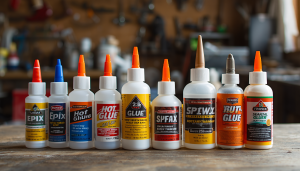
- White glue:Common for paper, wood, and crafts.
- Epoxy:Very strong and good for metal and plastic.
- Super glue:Bonds quickly and works on small surfaces.
- Hot glue:Melts and cools fast, ideal for quick fixes.
- Polyurethane glue:Expands and works well on wood and stone.
How Glue Bonds Materials
Glue sticks to surfaces by seeping into tiny pores and cracks. It hardens and creates a tight seal that resists pulling and twisting. The bond forms through chemical or physical reactions. Some glues dry by evaporation, others by chemical curing.
The strength depends on the glue type and surface texture. Clean surfaces improve adhesion. Pressure also helps glue set firmly and lasts longer.
Comparing Glue To Mechanical Fasteners
| Feature | Glue | Mechanical Fasteners |
|---|---|---|
| Appearance | Invisible, no holes | Visible, holes or marks |
| Flexibility | Can absorb shocks | Rigid, may loosen over time |
| Speed of application | Often slower, needs drying | Fast, instant holding |
| Material compatibility | Works on many surfaces | Best for solid materials |
| Removability | Hard to remove | Can be unscrewed or removed |
Strength Of Glue
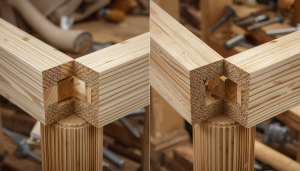
Understanding the strength of glue is essential if you want to decide whether it can hold your project together securely. Glue doesn’t just stick things; it creates a bond that can be surprisingly strong or disappointingly weak, depending on several factors. Knowing what affects this strength can help you choose the right adhesive and apply it effectively.
Factors Affecting Adhesive Strength
The strength of glue depends on several key elements. The type of materials you are bonding plays a major role—glue that works well on paper might fail on metal or plastic.
- Surface Preparation:Clean, dry, and smooth surfaces make for the best bonding.
- Type of Glue:Epoxy, polyurethane, and cyanoacrylate all have different bonding powers.
- Application Method:Using the right amount and allowing proper curing time matters a lot.
- Environmental Conditions:Temperature and humidity can weaken or strengthen the bond.
Have you ever glued something only to see it fall apart the next day? Often, this is because one or more of these factors weren’t considered.
Testing Glue Strength
Testing glue strength can be simple or technical depending on your needs. For DIY projects, a quick way is to apply the glue, let it dry, and then gently pull or twist the items to see if they hold.
Professionals may use devices to measure tensile strength—the force needed to pull the glued materials apart. This helps compare adhesives and find the strongest option for specific jobs.
Try testing different glues on similar materials to see which holds best for your purpose. This hands-on approach can save you from costly mistakes later.
Situations Where Glue Excels
Glue works best when joining flat, clean surfaces with materials like wood, paper, or fabric. It shines in crafts, small repairs, and lightweight assemblies where nails or screws aren’t practical.
Also, glue can fill tiny gaps between surfaces, creating a sealed bond that mechanical fasteners can’t achieve. This is particularly useful in projects requiring airtight or watertight joints.
Do you need to fix a broken ceramic mug or assemble a delicate model? Glue often outperforms other fasteners in these precise, low-stress applications.
Versatility Of Glue
Glue is more than just a sticky substance. Its versatility makes it a vital tool in many tasks. It bonds materials that traditional fasteners cannot. This flexibility allows glue to serve many purposes across various fields.
Materials Compatible With Glue
- Wood
- Metal
- Plastic
- Glass
- Ceramics
- Fabric
- Paper
Different types of glue work with different materials. This adaptability makes glue a preferred choice for many projects.
Applications In Different Industries
- Construction
- Automotive
- Electronics
- Crafts and hobbies
- Furniture making
- Packaging
Glue helps join parts quickly and securely in many industries. It supports lightweight and heavy-duty bonding tasks.
Advantages Over Traditional Fasteners
- No need for holes or screws
- Even stress distribution
- Improved aesthetics with no visible hardware
- Lightweight bonding solutions
- Faster assembly times
Glue offers benefits that screws and nails cannot match. It provides clean, strong, and often permanent bonds.
Limitations Of Glue
Glue is a popular adhesive choice, but it’s important to understand where it falls short. Knowing its limitations can save you from frustrating failures and help you choose the right Connector for your project. Let’s look closely at the situations where glue doesn’t perform as well.
Weaknesses Under Stress
Glue often struggles when materials face constant or heavy stress. It can lose grip with repeated bending, pulling, or twisting, causing joints to weaken or break.
Think about a wooden chair glued together. If you frequently sit and stand, the glue may start to fail over time. You need to consider whether your project will face such forces before relying solely on glue.
Environmental Factors
Glue’s strength changes drastically with environmental conditions. High humidity, water exposure, or extreme temperatures can cause glue to soften, crack, or peel away.
If your glued item is exposed to rain or intense heat, the bond might not last. For outdoor projects, you might need specialized adhesives or alternative Connector to ensure durability.
When Not To Use Glue
Glue isn’t always the best choice, especially for heavy-duty or load-bearing tasks. Items that need to be disassembled or adjusted later also don’t pair well with permanent adhesives.
- Use screws or bolts for furniture that might need repairs.
- Avoid glue on materials that don’t bond well, like some plastics or oily surfaces.
- Consider mechanical fasteners if safety is a top priority, such as in automotive or structural work.
Have you ever glued something only to have it fail at the worst moment? Understanding these limits helps you pick the right fastener and avoid those frustrating experiences.
Choosing The Right Connector
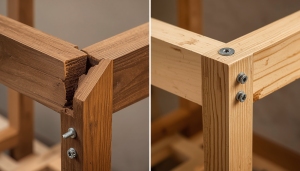
Choosing the right fastener is key to a strong, lasting bond. Different projects need different types of fasteners. Understanding your project’s demands helps select the best option. Glue is one choice, but it may not work alone for every job.
Assessing Project Needs
Consider the materials you want to join. Some surfaces bond well with glue, others need nails or screws. Think about the load and stress the fastener must hold. Outdoor projects may require weather-resistant fasteners. Size and shape of parts also affect the choice. A small craft needs different fasteners than a heavy wood frame.
Combining Glue With Other Fasteners
Glue works well alongside nails or screws. This combo boosts strength and durability. Glue holds parts tightly while fasteners keep them in place. Use glue to seal joints and prevent movement. Fasteners add extra security for heavy or flexible materials. This method improves overall stability and longevity.
Tips For Effective Adhesive Use
- Clean surfaces before applying glue for better grip.
- Apply glue evenly to avoid weak spots.
- Clamp or press parts firmly until glue dries.
- Follow the glue’s drying time instructions carefully.
- Choose glue suited for your material type.
- Store glue properly to maintain its strength.
Frequently Asked Questions
What Is Glue Used For In Fastening?
Glue is used to bond materials together, creating a strong adhesive hold. It works well for non-mechanical fastening tasks.
Is Glue Considered A Type Of Fastener?
Yes, glue is a fastener. It joins materials by adhesion, making it an effective non-mechanical fastening option.
How Strong Is Glue Compared To Other Fasteners?
Glue strength varies by type. Some industrial glues are as strong as screws, bolts, or nails in specific applications.
Can Glue Replace Screws Or Nails?
In certain cases, glue can replace screws or nails. However, it depends on the material, load, and application requirements.
Conclusion
Glue acts as a fastener by holding things together tightly. It creates a bond that keeps materials joined. Unlike nails or screws, glue spreads over surfaces. This helps fill gaps and hold uneven parts. Glue works best on clean, dry surfaces for strong grip.
Some glues dry quickly, speeding up work. Different types suit different materials like wood, paper, or plastic. Remember, glue is a simple, effective fastener for many tasks. Choose the right glue for your project needs. Easy to use and widely available, glue remains a popular fastener choice.
