
Hardware Fasteners for Wood: Smart Choices for DIYers
Building a deck or crafting a bookshelf brings real satisfaction. You have the wood, you have the tools, and you are ready to start. Yet, one small detail often determines if your project stands the test of time: the hardware fasteners.
These tiny components act as the backbone of every build. Without the right choice, your work might wobble, warp, or eventually fall apart. Selecting the correct fasteners ensures durability, safety, and that solid feeling of a job done right.
Whether you are a hobbyist or a pro, knowing which fastener to use elevates your work. Use this guide to turn your creations from flimsy projects into sturdy, lasting pieces. Your work deserves quality support.
Types Of Wood Fasteners
Wood fasteners like screws, nails, and dowels hold pieces together securely. Each style works best for different projects. Choosing the right one guarantees strength in your woodwork. Let's look at the main options.
Screws
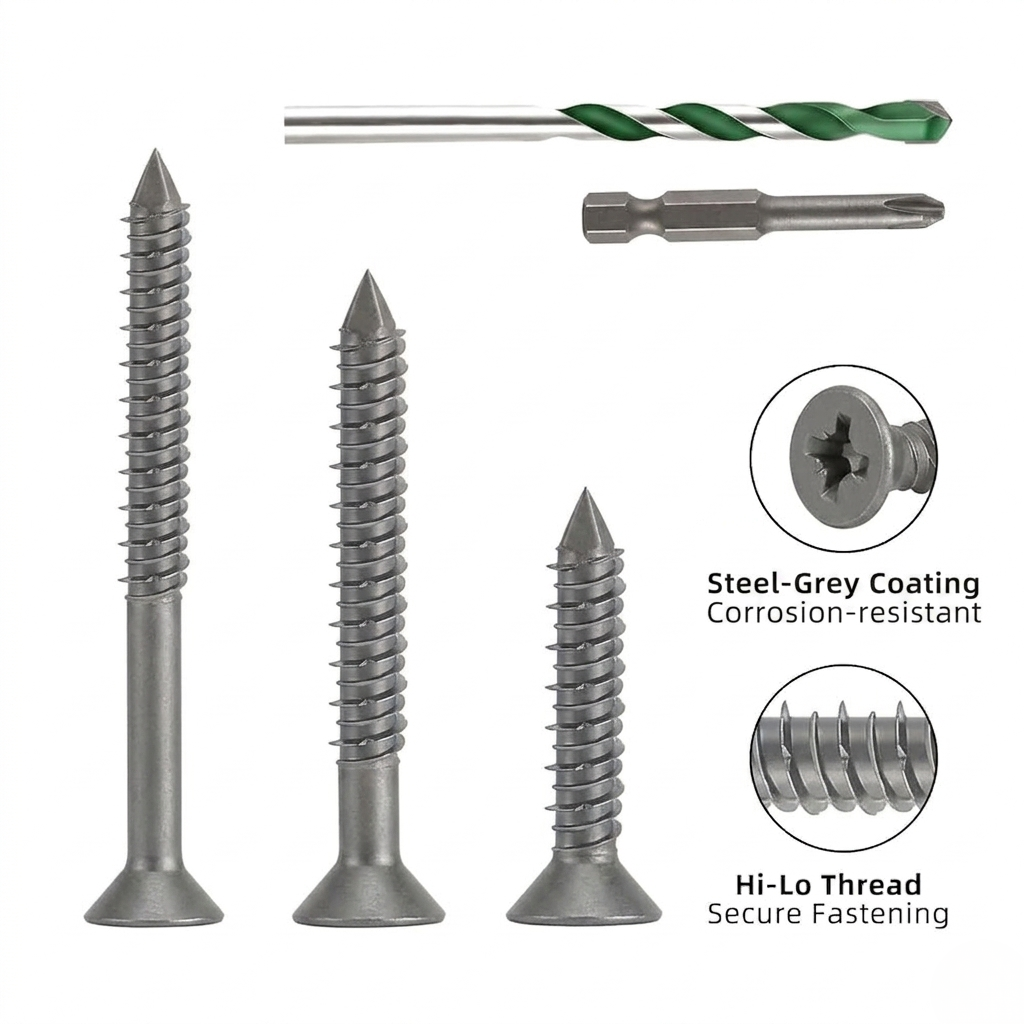
Screws offer strength and versatility. They hold wood tight and feature threads for easy installation. You can remove them if needed, too. Use a drill or screwdriver to set them. They work perfectly for cabinetry and furniture.
Nails
Nails are simple, effective tools. They feature a smooth shank and a sharp point. Builders use them mostly for construction and framing because they are fast to drive into wood. Pick the right size for your specific task. Common, box, and finish nails are the standard go-to choices.
Bolts
Bolts handle heavy-duty jobs. They create strong connections for structural wood. You need a nut to secure them, but they provide a permanent, lasting hold. Use these for decks, beams, and large builds. Always drill a pilot hole before you insert a bolt.
Staples
Staples work well for quick, temporary tasks. Their U-shape makes them great for upholstery or thin sheets of material. A staple gun makes the job fast. Just ensure you match the staple length to the material thickness.
Materials For Fasteners
The material you choose changes how your project lasts and looks. Each option has pros and cons. Understanding these helps you make better decisions for your specific needs.
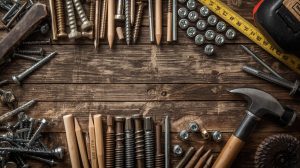
Steel
Steel provides the best strength. It is the top pick for heavy-duty furniture or framing. However, steel can rust. Always choose galvanized or stainless steel versions if the project sits in a humid or outdoor space.
Brass
Brass adds a golden, elegant look. It suits decorative items like antique cabinets perfectly. It resists rust well. Keep in mind that brass is softer than steel, so avoid it for heavy structural loads.
Aluminum
Aluminum stays lightweight and durable. It does not rust, so it works for outdoor furniture or transportable structures. It lacks the intense strength of steel, so check your load requirements first.
Copper
Copper offers a unique reddish-brown color that highlights the natural beauty of wood. It resists corrosion, making it a smart pick for light outdoor decor. Like brass, it is soft, so use it for lighter projects.
Choosing The Right Fastener
The right fastener keeps your project stable. You must consider load capacity, wood type, and the environment.

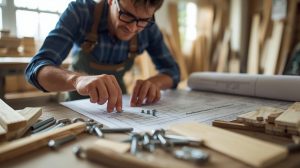
Load-bearing Considerations
Heavy projects need strong fasteners. If the structure holds weight, use screws or bolts. Nails often fail under high stress. Always check the manufacturer's load limits to keep your project safe.
Wood Type Compatibility
Different woods behave differently. Pine is soft and splits easily; use coarse-thread screws. Hardwoods like oak are dense and often require pre-drilling. Match your fastener to the density of the wood for a tight hold.
Weather And Corrosion Resistance
Where will your project live? Outdoor wood needs galvanized or stainless steel fasteners to fight rust. Indoor projects rarely face this issue, so standard steel works fine there.
Installation Techniques
Proper installation keeps your work strong and prevents damage to the wood.
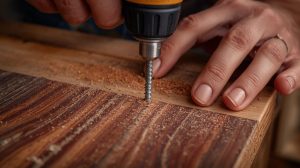
Pre-drilling Holes
Pre-drilling stops wood from splitting. Drill a hole slightly smaller than your screw. This gives the threads a path to grip. Always do this for hardwoods.
Countersinking Screws
Countersinking lets the screw head sit level with the wood surface. Use a countersink bit to create a small pocket. This prevents snagging and makes the finish look professional.
Using Washers With Bolts
Washers spread out the pressure of a bolt. Place one between the bolt head and the wood. This protects the wood fibers from being crushed and makes the joint much stronger.
Common Fastener Problems
Even pros run into issues. Knowing how to fix them saves your time and your wood.
Stripped Screws
Stripped screws happen when you use the wrong bit size or too much force. If it happens, try placing a rubber band over the screw head to improve grip. If that fails, a screw extractor kit is a lifesaver.
Nail Splitting Wood
Splitting ruins the look and strength of a board. This usually happens near the edge or with hard wood. Drill a pilot hole first. Sometimes, using a slightly blunt nail helps push fibers aside instead of cutting them.
Corrosion Issues
Moisture turns metal into rust. If your project sits outside, invest in stainless steel or galvanized fasteners from the start. It costs more, but it saves your project from failing later.
Fastener Maintenance
Fasteners need care, too. A quick check now saves a headache later.
Checking For Loose Fasteners
If a chair creaks or a step wobbles, check the hardware. Tighten loose screws immediately. Structural instability leads to accidents, so make it a habit to check your builds every few months.
Replacing Damaged Fasteners
If a screw is rusted or bent, take it out and replace it. Keep a small box of spare fasteners in your shop so you always have the right one on hand when a repair is needed.
Preventing Corrosion
If you live near the ocean or in a damp area, keep your fasteners clean. A light coat of oil can help. Protecting the hardware extends the life of the wood itself.
Innovations In Wood Fastening
New tech makes building easier and faster.
-
Self-drilling Screws: These have a tip that acts like a drill bit. You skip the pre-drilling step entirely, saving time and reducing the risk of splitting.
-
Eco-friendly Fasteners: Many new options use sustainable metals or special coatings that are safer for the environment.
-
Advanced Coating Technologies: New finishes provide better rust protection, making your connections last longer even in harsh weather.
Frequently Asked Questions
What Are Common Wood Fasteners?
Screws, nails, bolts, and dowels are the basics. Screws hold tight for furniture, nails work for framing, and bolts handle large structures.
How Do You Choose The Right Fastener?
Look at the wood density and the load. Hardwood needs pre-drilling and screws. Softwood works with nails. Always check for rust resistance if building outside.
Are Screws Better Than Nails For Wood?
For holding power, yes. Screws resist loosening over time. Nails are faster for quick framing, but screws are superior for lasting durability.
Can Fasteners Damage Wood?
Yes. Over-tightening can crack boards, and using a screw that is too thick can split the grain. Always use the right size and pre-drill if you feel resistance.
Conclusion
Quality fasteners hold your work together. They prevent future issues and keep your projects sturdy for years. Always match the fastener to the wood type and the environment. When you take the time to pick the right hardware, your projects gain safety and reliability. Keep these tips in mind, and enjoy building with confidence.

Christopher Schwarz