
What Fastener to Use to Secure 2X4 to Concrete Slab Safely
Attaching a 2x4 to a concrete slab requires a solid plan. Whether you are building walls, a shed, or a home workshop, using the correct anchor keeps your structure safe.
Picking the wrong screw can cause wood to warp, shake, or break loose. This guide explains how to choose your fasteners wisely to ensure a lasting connection.
Choosing the Right Fastener
The right choice brings stability and speed to your build. Your fastener must handle structural weight and fight rust.
Types of Fasteners
You have a few good choices for attaching lumber to concrete bases. Concrete screws work nicely for lighter framing work. Wedge anchors offer a deep, heavy-duty hold for thick beams. Sleeve anchors provide great versatility across solid or hollow concrete spaces. Match the choice to your specific load weight.
Material Matters
Fastener metals change how long your build lasts. Stainless steel anchors resist rust best during outdoor projects. Galvanized screws offer solid weather protection at a lower cost. Standard zinc-coated screws work fine for dry indoor rooms.
Size Considerations
Screws must be the exact size needed for your 2x4 boards. Tiny screws will slip out under pressure. Massive anchors can crack your wood or split old concrete. A 3/16-inch or 1/4-inch diameter screw is standard. The threads must sink at least one inch into the slab.
Installation Ease
Different pins require distinct workshop tools. Concrete screws need a power drill to cut clean pilot holes. Large wedge studs require a hand wrench to tighten the nuts down. Check your toolbox before starting so you do not get stuck.
Cost Efficiency
Good hardware costs a bit extra but saves money over time. Stainless steel pins cost more upfront but prevent structural failure later. Invest in quality pieces to stop costly wood frame repairs down the road.
Types of Fasteners for Concrete
Let us break down the standard hardware choices for anchoring wood studs down tightly.
Concrete Screws
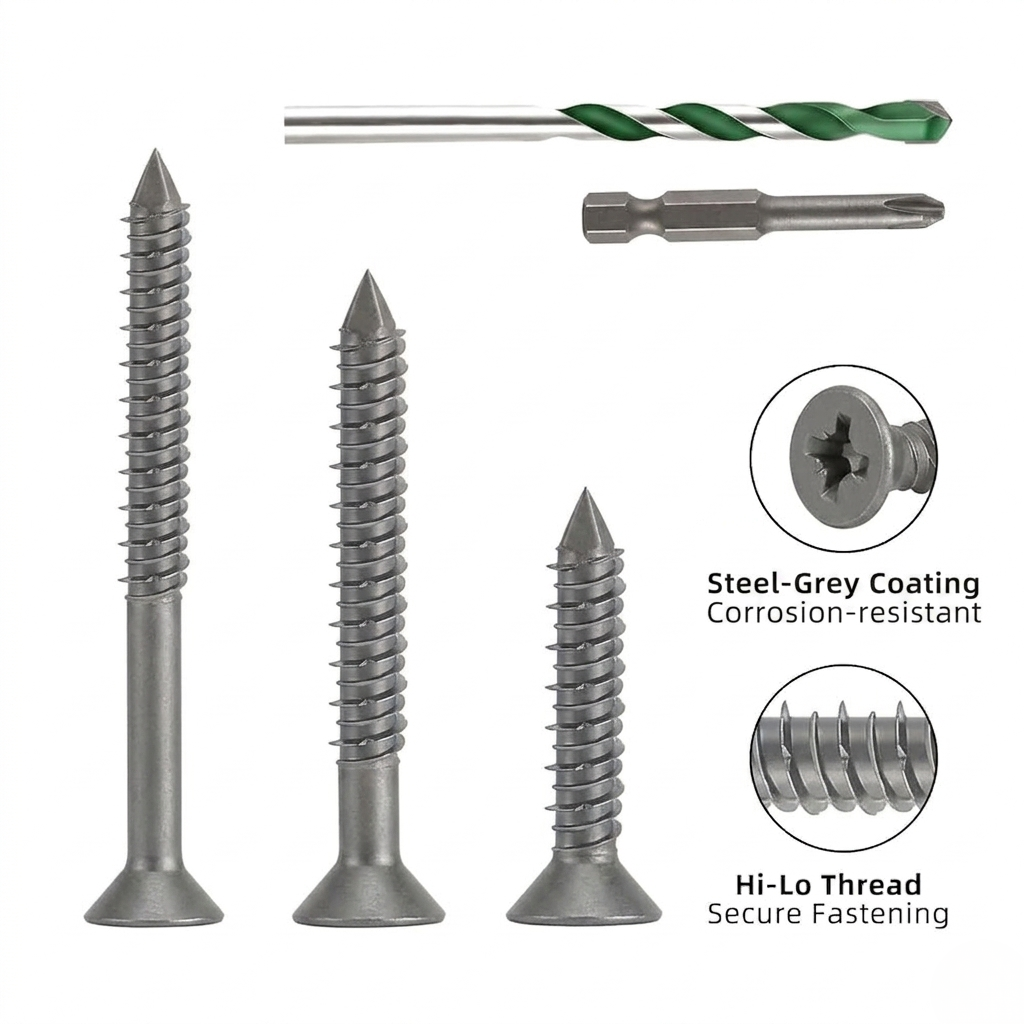
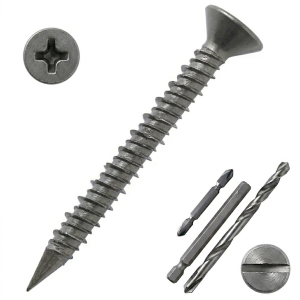
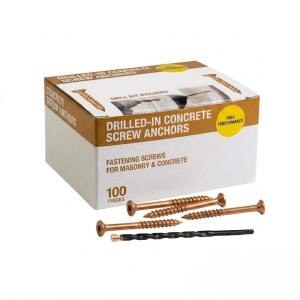
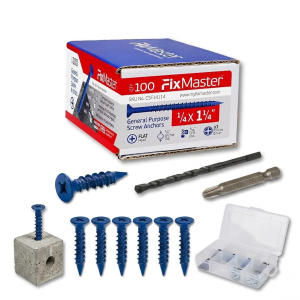
These screws are perfect for joining wood to solid floors without separate anchors. They use tough, aggressive threads to bite directly into masonry walls. You simply drill a narrow pilot hole first, then drive the screw home. They work best for basic, non-structural base plates.
Wedge Anchors
Wedge studs offer unmatched strength for heavy load-bearing walls. You insert the steel bolt into a pre-drilled hole, then crank the top nut down. The bottom tip expands, locking the metal tightly inside the concrete floor.
Sleeve Anchors
Sleeve units work well for medium-duty tasks. Tightening the bolt pulls a wedge into a outer metal tube. The sleeve presses hard against the concrete hole walls. They hold well in brick, block, or poured slabs.
Nails and Powder-Actuated Fasteners
Powder tools use a small explosive charge to fire specialized steel pins right through lumber into concrete. This method saves lots of time on big projects. It requires safety training and proper eye protection to operate safely.
Factors to Consider
Do not pick a random screw from your garage bin. Look closely at your structural layout first.
Key Choice Factors: Wall Weight -> Room Moisture -> Tool Options -> Best Fastener Match
Load Requirements
Calculate how much weight your 2x4 stud plate must hold. Heavy load-bearing walls need thick wedge bolts or anchor rods. Light room dividers or basic shelving can use simple concrete screws safely.
Environmental Conditions
Moisture changes how metal behaves over time. Open backyards or damp basements cause plain steel screws to rust out fast. Use treated galvanized coatings or stainless steel to keep the framing strong.
Ease of Installation
Think about your time and energy limits. Pre-drilling dozens of holes takes patience and muscle power. Self-tapping concrete screws save steps and help DIY builders finish framing tasks quickly.
Installation Tools
Using the proper power tools makes drilling into hard masonry floors much easier.
Drill and Drill Bits
A standard variable-speed drill can handle soft brick or small jobs. You must use a carbide-tipped masonry bit to cut through stone or concrete. Standard steel twist bits will burn up instantly on cement.
Hammer Drills
A dedicated hammer drill is the ultimate tool for this task. It spins the bit while pounding it forward rapidly. This action pulverizes the stone ahead, letting you drill deep holes in seconds.
Powder-Actuated Tools
These heavy commercial tools drive hardened fasteners into dense concrete floors using gas cartridges. They work incredibly fast for long walls but require strict safety steps to avoid accidents.
Step-by-Step Installation
Securing your base plate is easy when you follow a clean path.
Common Mistakes to Avoid
-
Inadequate Hole Depth: Drilling shallow holes stops the bolt from seating all the way down. This leaves your wood frame loose and unstable.
-
Over-Tightening Fasteners: Applying too much muscle torque can snap steel screws or strip the masonry threads out completely.
Safety Precautions
Always wear impact-resistant safety goggles to shield your eyes from flying stone chips. Wear thick leather work gloves to protect your hands from sharp metal burrs. Put on a dust mask to avoid breathing in fine concrete powder while drilling.
Expert Recommendations
| Brand | Best Known For | Ideal Project Use |
| Simpson Strong-Tie | Heavy framing connectors | Structural load walls |
| Red Head | Expansion wedge anchors | Heavy machinery & framing |
| Hilti | Premium commercial tools | High-volume building sites |
Maintenance Tips
Check your sill plate fasteners once a year for signs of loose nuts or red rust. Tighten any loose anchor bolts to keep your framing square. Replace rusted pins immediately to prevent wall shifting.
Frequently Asked Questions
How Do You Attach 2x4 to Concrete Slab?
Drill a hole through the wood into the concrete base with a hammer drill. Insert a masonry screw or anchor, then tighten it down to lock the board.
Which Fastener Is Best for Concrete Slabs?
Heavy wedge bolts work best for structural walls. Simple concrete screws are ideal for lightweight basement framing or small workshop projects.
Can You Use Nails on Concrete Slabs?
Regular wire nails will bend or bounce off. You must use specialized heat-treated concrete nails or a powder-actuated tool to shoot pins into concrete.
What Tools Are Needed for Fastening 2x4 to Concrete?
You will need a power hammer drill, carbide masonry drill bits, a socket wrench, safety glasses, and your chosen anchors.
Conclusion
Choosing the right anchor ensures a permanent bond between your wood framing and the concrete pad. Assess your project weight and outdoor moisture levels before buying hardware. Use simple concrete screws for light walls, and choose heavy wedge anchors for structural builds. Follow the installation steps carefully to build a safe, rock-solid structure.