

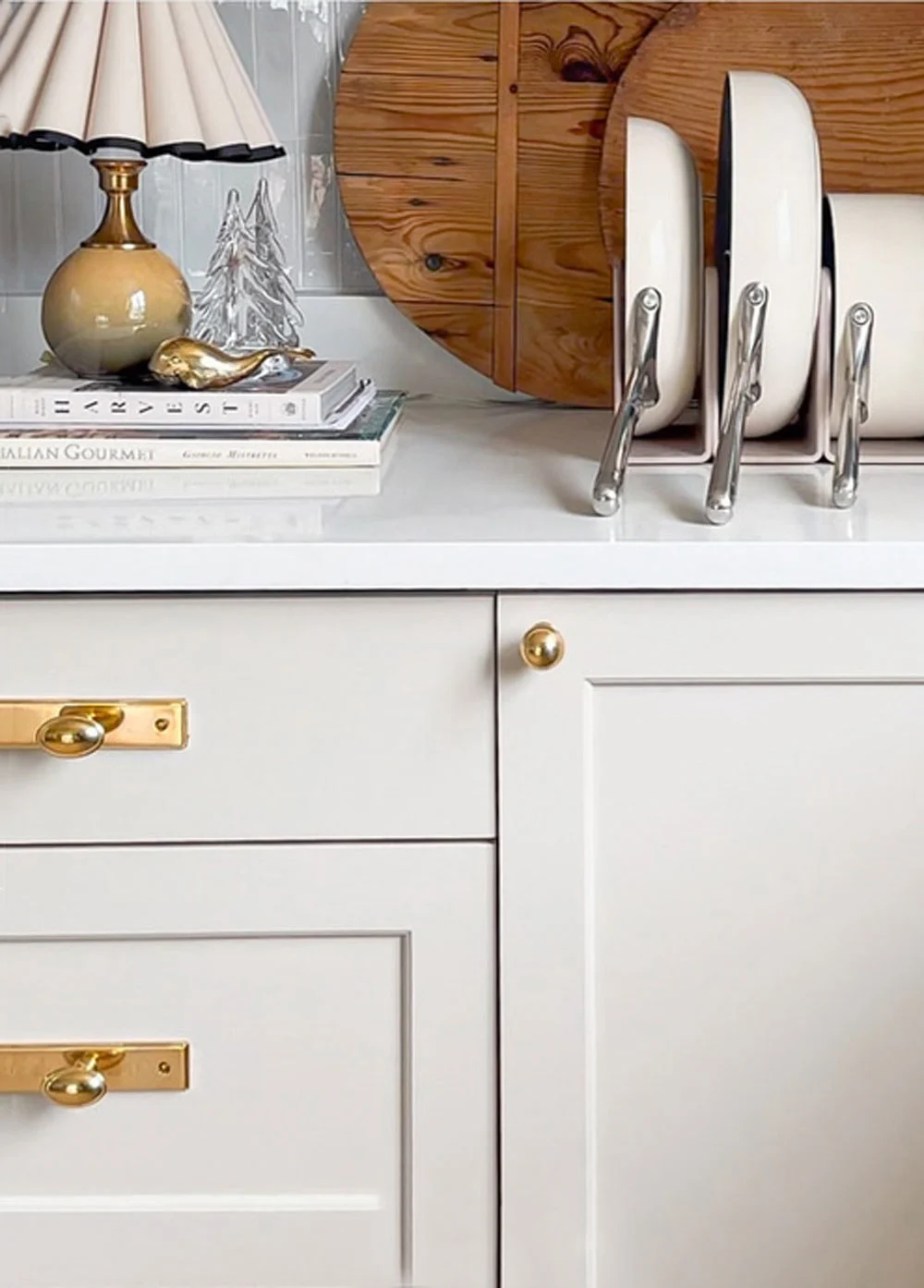
How to install knobs on kitchen cabinets is easier than you might think—and it’s a simple way to add the perfect finishing touch to your kitchen. Installing knobs can transform the look of your cabinets and make them more functional.
If you’ve never done it before, don’t worry. This step-by-step guide will walk you through the process, making it quick and hassle-free—even for DIY beginners. By the end, you’ll have beautiful new knobs that boost both style and function in your kitchen.
Ready to get started? Let’s dive in!

Credit: atelierdeluxe.online
Choosing The Right Knobs
Knobs can change the look and feel of your kitchen. Choosing the right ones makes a big difference. Think about how the knobs match your kitchen style and how easy they are to use.
Consider the material, size, and where to place the knobs. These choices help your kitchen look neat and work well every day.
Materials And Styles
Knobs come in many materials and styles. Pick one that fits your kitchen’s look and your daily use. Common materials include metal, wood, glass, and ceramic. Each offers a different feel and durability.
- Metal: Strong and modern, often in stainless steel or brass.
- Wood: Warm and natural, good for rustic kitchens.
- Glass: Elegant and shiny, adds a touch of class.
- Ceramic: Colorful and decorative, fits vintage styles.
Size And Placement Considerations
| Knob Size | Placement Tips |
| Small (1-1.5 inches) | Best for small doors and drawers; easy to grip. |
| Medium (1.5-2 inches) | Works well for most cabinets; balance style and function. |
| Large (2+ inches) | Use on large drawers or pantry doors for better grip. |
| Standard Placement | Place knobs 2-3 inches from the edge of the door or drawer. |
| Height Tips | Install knobs about 36-40 inches from the floor for comfort. |
Gathering Tools And Supplies
Installing knobs on kitchen cabinets needs the right tools and materials. Gathering these first makes the job easier and faster.
This guide covers the essential tools and how to pick the right screws for your knobs.
Essential Tools Needed
Having the correct tools helps you install knobs neatly and safely. Use tools that fit the screws and knobs well.
- Power drill or screwdriver
- Drill bits matching screw size
- Measuring tape or ruler
- Masking tape for marking
- Pencil for marking holes
- Level tool for straight alignment
Selecting Appropriate Screws
Choose screws that fit the knob and cabinet thickness. Using the wrong screws can cause damage or loose knobs.
| Screw Type | Use For | Length |
| Machine screws | Metal knobs with threaded inserts | 1 inch to 1.5 inches |
| Wood screws | Wood knobs and cabinet doors | 1 inch to 1.25 inches |
| Sheet metal screws | Thin metal cabinet doors | 0.75 inch to 1 inch |
Measuring And Marking
Installing knobs on kitchen cabinets starts with measuring and marking. This ensures that knobs are placed correctly.
Proper measuring and marking make your cabinets look neat and organized. It also saves time during installation.
Finding The Perfect Spot
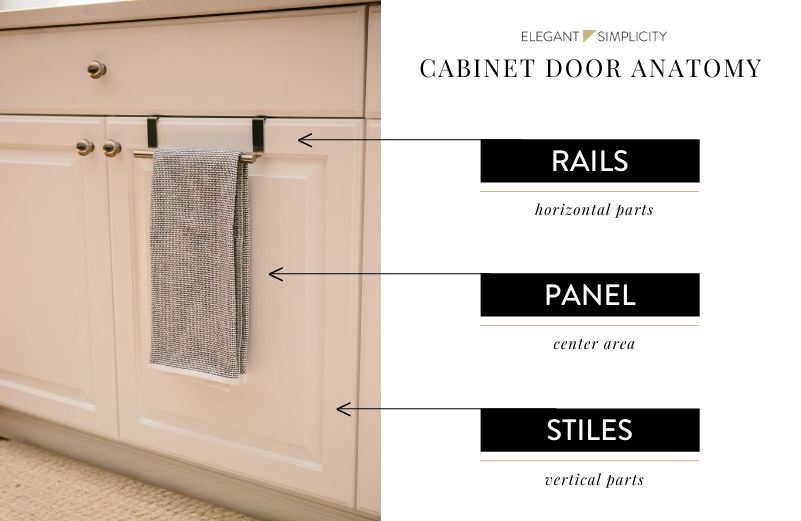
Find the best spot for your knobs by checking the cabinet design. Look at the cabinet’s style and size to decide where knobs should go.
Most people place knobs at the center of cabinet doors. Others prefer knobs at a higher position for easier reach.
Using A Template For Consistency
Use a template to keep knob placement consistent. Templates help mark the same spot on each cabinet.
Place the template on each cabinet door and mark where the knob will go. This ensures all knobs align perfectly.
- Buy or make a simple template
- Align the template with the cabinet edge
- Mark the knob spot on each door
Credit: www.housedigest.com
Drilling Holes Safely
Installing knobs on kitchen cabinets requires drilling holes. Drilling must be done carefully to avoid damage. Safety ensures your cabinets look great and last long.
Use the right tools and techniques to drill clean holes. Follow safety tips to protect both yourself and your cabinets.
Choosing The Right Drill Bit
Pick a drill bit that matches the knob screws size. Using the wrong bit can make holes too big or too small. Choose a sharp bit for clean cuts.
Wood drill bits work best for cabinet doors. They help you drill straight and smooth holes. Avoid using metal bits as they may damage the wood.
- Use a drill bit slightly smaller than the screw diameter
- Try brad point bits for precise wood drilling
- Keep drill bits sharp for easy drilling
- Avoid bits that cause splintering or tearing
Preventing Damage To Cabinets
Mark the drill spots clearly to avoid mistakes. Use painter’s tape on the drilling area to prevent wood splintering. Drill slowly and apply steady pressure.
Check the cabinet thickness before drilling. Stop drilling once the bit passes through to avoid wall damage. Clean any rough edges after drilling for a neat look.
- Place painter’s tape over the drilling spot
- Drill at low speed with steady pressure
- Use a drill stop or tape on the bit for depth control
- Sand edges gently to remove splinters
Attaching The Knobs
Installing knobs on kitchen cabinets is a simple way to update your space. Attaching knobs correctly helps them stay secure and look great.
Follow these tips to align and tighten your knobs for the best results.
Aligning And Securing
Start by marking where you want the knob on the cabinet door. Use a ruler or template to keep all knobs even.
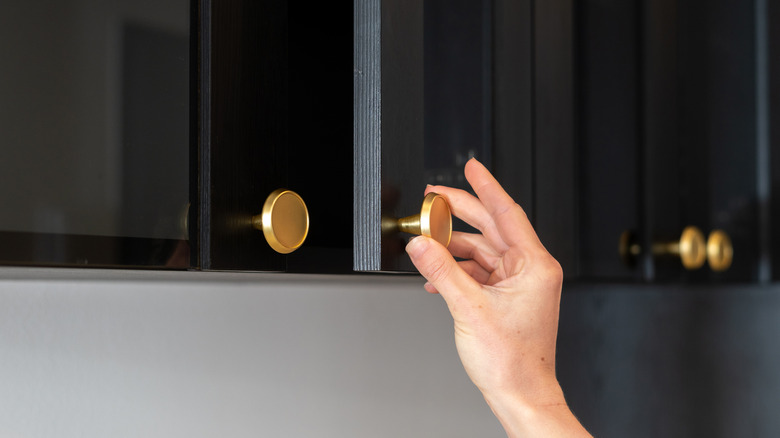
Insert the screw through the hole from inside the cabinet. Then place the knob on the screw outside.
- Use a pencil to mark holes before drilling
- Double-check measurements for even spacing
- Hold the knob steady while tightening
Tightening Tips
Hand tighten the knob first to avoid cross-threading the screw. Use a screwdriver to finish tightening.
Do not overtighten. This can damage the cabinet or strip the screw hole.
- Tighten screws until the knob feels firm
- Check for wobbling and adjust if needed
- Use a washer for extra grip if screws are loose
Credit: medium.com
Final Adjustments And Maintenance
Installing knobs on kitchen cabinets is just the start. You need to check their stability and keep them clean. This helps knobs last longer and work well.
Proper care stops knobs from loosening or getting dirty. Follow simple steps to maintain your kitchen cabinet knobs.
Checking For Stability
After installing knobs, check if they are tight and steady. Loose knobs can damage cabinets or fall off.
Use a screwdriver to gently tighten each knob. Avoid over-tightening to prevent cracking the cabinet door.
- Hold the knob firmly while tightening
- Test each knob by pulling lightly
- Retighten knobs if they feel loose after use
- Inspect knobs regularly for any signs of wobbling
Cleaning And Care Tips
Keep knobs clean to maintain their look and function. Dirt and grease can build up from daily kitchen use.
Use mild soap and water to clean knobs. Avoid harsh chemicals that may damage the finish or material.
- Wipe knobs regularly with a soft, damp cloth
- Dry knobs immediately after cleaning
- Use a toothbrush to clean small crevices
- Polish metal knobs occasionally with a gentle polish
Frequently Asked Questions
How Do I Choose The Right Knobs For Kitchen Cabinets?
Select knobs that match your kitchen’s style and cabinet material. Consider size, finish, and comfort. Measure existing holes or plan new placement carefully to ensure a perfect fit.
What Tools Are Needed To Install Cabinet Knobs?
You need a drill, screwdriver, measuring tape, pencil, and screws. A level helps align knobs evenly. These tools make installation quick and accurate.
How Do I Measure For Knob Placement On Cabinets?
Measure from the cabinet edge to the center of the knob hole. Use consistent height across all cabinets. Mark with a pencil for precise drilling and alignment.
Can I Install Knobs On Cabinet Drawers The Same Way?
Yes, install knobs on drawers similarly by measuring and drilling holes. Ensure knobs are centered for a balanced look. Use screws that fit drawer thickness.
Conclusion
Installing knobs on kitchen cabinets can refresh your space quickly. Measure carefully and mark spots before drilling holes. Use the right screws to secure each knob tightly. Take your time for a neat, even look. This simple task improves both function and style.
Enjoy the new feel of your kitchen today. Small changes bring big satisfaction. Ready to update your cabinets? You can do this yourself with ease.

