

Are you about to climb a ladder? Before you do, it’s crucial to know which is a safety rule for climbing a ladder that can protect you from serious falls and injuries.
One simple mistake can lead to accidents that could change your life. But don’t worry—this article will guide you through the most important safety rule you must follow every time you climb. Keep reading, because your safety depends on it.
Choosing The Right Ladder
Choosing the right ladder is crucial for your safety and efficiency when working at heights. Picking an unsuitable ladder can cause accidents or make your tasks harder than they need to be. Understanding the different types, weight ratings, and how to inspect for damage will help you make the best choice every time.
Types Of Ladders
Not all ladders are built the same. There are step ladders, extension ladders, folding ladders, and platform ladders, each designed for specific tasks.
- Step Ladders:Great for indoor jobs and tasks up to moderate heights.
- Extension Ladders:Perfect for reaching higher places like rooftops or tall walls.
- Folding Ladders:Compact and versatile, good for tight spaces.
- Platform Ladders:Provide a stable standing area for longer work periods.
Choosing the right type depends on where and how you’ll use it. Ask yourself: Does your project require height, stability, or portability?
Ladder Weight Ratings
Each ladder comes with a weight rating that shows how much it can safely support. This includes your body weight plus any tools or materials you carry.
| Rating | Maximum Load | Best For |
|---|---|---|
| Type IAA | 375 lbs | Heavy-duty industrial use |
| Type IA | 300 lbs | Heavy-duty use |
| Type I | 250 lbs | Industrial use |
| Type II | 225 lbs | Commercial use |
| Type III | 200 lbs | Light-duty use |
Always check your ladder’s rating before buying or using it. What if your tools and gear push you over the limit? That’s a risk you don’t want to take.
Inspecting For Damage
Before every use, inspect your ladder carefully. Look for cracks, bent rungs, loose screws, or worn-out feet.
- Check joints and hinges for proper function.
- Ensure there are no sharp edges or splinters on wooden ladders.
- Verify non-slip feet are intact and secure.
A damaged ladder can fail without warning. Have you ever ignored a small crack only to regret it later? Your safety depends on catching these issues early.
Setting Up Safely
Setting up your ladder safely is the foundation of preventing accidents before you even start climbing. A poorly placed ladder can slip, tip, or cause you to lose balance. Taking a few extra minutes to set up correctly can make a huge difference in your safety and confidence while working at heights.
Stable Ground Placement
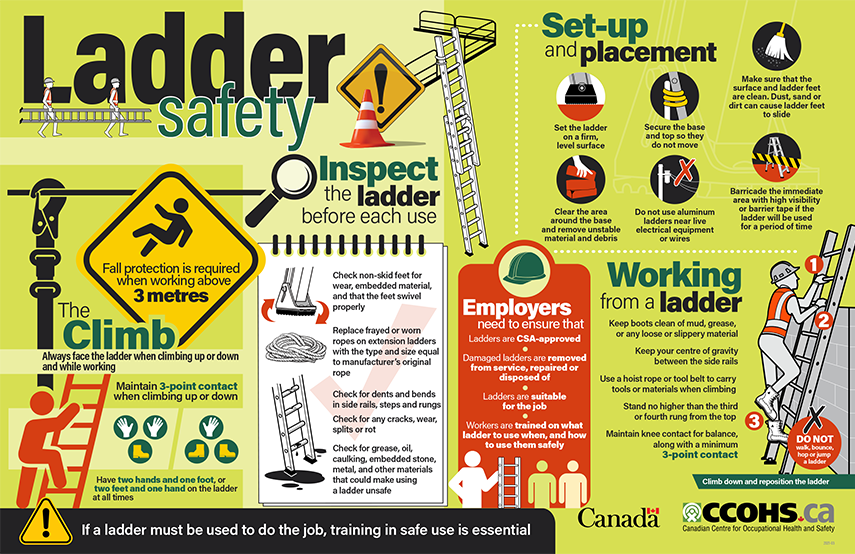
Always place your ladder on firm, level ground. Avoid soft or uneven surfaces that can cause the ladder to wobble or sink. If you find yourself on a slope or soft soil, use ladder levelers or a sturdy board to create a flat base.
Have you ever noticed how a tiny shift in footing makes you feel unsteady? That’s why even small adjustments matter when placing your ladder.
Correct Ladder Angle
Position your ladder at the right angle to prevent slipping backwards or tipping forward. The ideal angle is about 75 degrees, where the base is one-quarter of the ladder’s working length away from the wall or structure.
Use the “4-to-1” rule: for every 4 feet in ladder height, place the base 1 foot away. This simple calculation helps you avoid guessing and keeps your ladder stable.
Securing The Ladder
Once your ladder is in place, secure it to prevent movement. Tie the top of the ladder to a stable anchor point or use anti-slip feet to keep the base steady. If you’re working on a busy site, these extra steps protect both you and others around you.
Think about your last ladder setup—did you take time to secure it? If not, how different might your experience have been with a locked-in ladder?
Climbing Techniques
Climbing a ladder may seem straightforward, but it requires proper techniques to ensure your safety. A simple misstep or poor posture can lead to serious accidents. By mastering a few essential climbing techniques, you can minimize risks and stay secure while working at heights.
Maintaining Three Points Of Contact
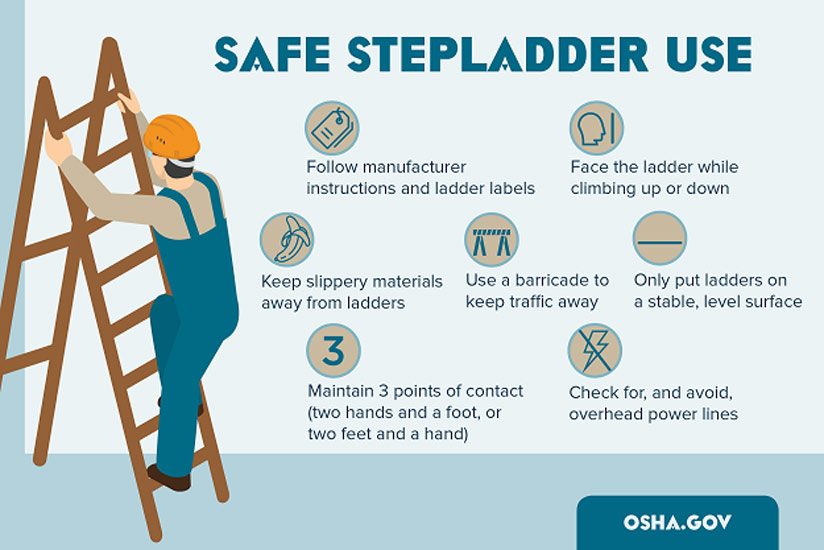
Always keep three points of contact with the ladder—two hands and one foot, or two feet and one hand. This rule ensures you remain stable and reduces the chances of slipping. Think about it: if you lose your grip with one hand, having both feet firmly on the rungs gives you time to recover.
Never rush while climbing. Take one step at a time and make sure you’re balanced before moving your hands or feet. Your focus here is stability, not speed.
Facing The Ladder
Always face the ladder when climbing up or down. This position allows you to see where you’re stepping and keep a firm grip. Turning your body sideways or backward can throw off your balance.
Imagine trying to climb down a ladder while looking the other way—it’s a recipe for disaster. Stick to the basics: face forward, hold the rails, and move slowly.
Avoiding Overreach
Reaching too far to the side while on a ladder is one of the most common causes of falls. Keep your belt buckle—or the center of your body—within the ladder’s rails at all times. If you need to reach something beyond your arm’s length, climb down and reposition the ladder.
Ask yourself: is saving a few seconds worth risking a fall? Play it safe by keeping your movements controlled and within range.

Credit: www.linkedin.com
Using Protective Gear
Climbing a ladder might seem simple, but even small missteps can lead to serious accidents. One key way to ensure your safety is by using the right protective gear. The equipment you choose not only protects you but also boosts your stability and confidence while climbing. Let’s break down the essentials.
Non-slip Footwear
What you wear on your feet plays a huge role in ladder safety. Shoes with non-slip soles provide the grip you need to stay steady on the rungs. Avoid sandals, flip-flops, or any footwear that can slide easily.
Imagine climbing a ladder in wet conditions—without the right shoes, you’re asking for trouble. Opt for work boots or sneakers designed with sturdy, slip-resistant materials. This small choice can make a big difference in preventing falls.
Helmet Use
Falling objects are a real danger when working on or near a ladder. A helmet can protect your head from unexpected impacts. It’s especially crucial if you’re working in construction or under elevated areas.
Even a small tool dropping from above can cause significant injury. Wearing a helmet isn’t just smart—it’s a lifesaver. Make sure it fits snugly and meets safety standards for your work environment.
Gloves And Grip
Your hands are your anchor while climbing, so they need proper protection. Gloves can enhance your grip, especially if the ladder rungs are wet or greasy. Choose gloves that are snug but flexible, allowing you to maintain full control.
However, steer clear of overly thick or loose gloves, as they can reduce your ability to feel and grip the ladder properly. A good pair of work gloves can help you climb with confidence, even in challenging conditions.
Are you using the right gear every time you climb a ladder? If not, it’s time to rethink your approach. Safety starts with preparation, and protective gear is your first line of defense.
Environmental Considerations
Environmental factors play a big role in ladder safety. These conditions can affect balance, grip, and overall stability. Ignoring them increases the risk of falls and injuries. Checking the environment before climbing helps prevent accidents and keeps you safe.
Weather Conditions
Rain, snow, or ice makes ladder steps slippery. Strong winds can cause the ladder to sway or fall. Avoid climbing during bad weather. Dry and calm days are best for ladder work. Always check the weather forecast before starting.
Avoiding Electrical Hazards
Keep ladders away from power lines and electrical equipment. Metal ladders conduct electricity and can cause shocks. Use wooden or fiberglass ladders near electricity. Look up and around for any wires before placing the ladder.
Lighting And Visibility
Poor lighting hides hazards and makes climbing risky. Work only in well-lit areas. Use portable lights if natural light is not enough. Clear the area of obstacles that block your view. Good visibility helps you see each step clearly.
Credit: www.ccohs.ca
Ladder Maintenance Tips
Keeping your ladder in top shape is crucial for your safety every time you climb. Proper maintenance not only extends the life of your ladder but also prevents accidents caused by hidden faults. Let’s look at some practical tips you can apply today to maintain your ladder effectively.
Regular Cleaning
Dirt, grease, and debris can make ladder rungs slippery and unsafe. Clean your ladder regularly using a brush or damp cloth to remove these hazards. Avoid harsh chemicals that might weaken the ladder’s material.
Have you ever noticed how a simple wipe-down can improve your grip instantly? That’s because dirt reduces friction, increasing the risk of slips. Make cleaning a quick habit after each use to keep your ladder safe and ready.
Storage Practices
Where you store your ladder impacts its condition significantly. Always keep it in a dry, cool place away from direct sunlight to avoid warping or corrosion. Hanging your ladder on wall hooks can prevent damage and save space.
Think about the last time you found a rusty ladder after leaving it outside. Could that have been avoided? Proper storage protects your ladder from weather elements and accidental knocks, which can weaken its structure over time.
Repairing Damages
Never ignore cracks, loose bolts, or bent parts on your ladder. Inspect it thoroughly before every use and fix any issues immediately. Small repairs, like tightening screws or replacing worn-out feet, can prevent serious accidents.
Have you spotted any damage but hesitated to fix it? Remember, even minor faults can escalate and cause falls. Taking a few minutes to repair your ladder can save you from injury and costly replacements later.
Frequently Asked Questions
What Is the First Safety Rule for Climbing a Ladder?
Always inspect the ladder for defects before using it. Ensure it is stable and positioned on a flat surface.
How Should You Maintain Balance While Climbing A Ladder?
Always face the ladder, use both hands, and keep three points of contact to ensure stability.
Can You Carry Tools While Climbing A Ladder?
Avoid carrying tools by hand while climbing. Use a tool belt or hoist to transport items safely.
What Footwear Is Best For Climbing Ladders Safely?
Wear non-slip, closed-toe shoes with good grip to prevent slipping while climbing.
Conclusion
Always check the ladder’s condition before climbing. Keep your body centered between the side rails. Use three points of contact for better balance. Never rush; move carefully and steadily. Avoid climbing in bad weather or on slippery surfaces. Following these simple safety rules helps prevent falls.
Stay alert and take your time. Safety matters most when using a ladder. These tips protect you from accidents every time. Climb smart, stay safe, and work confidently.

