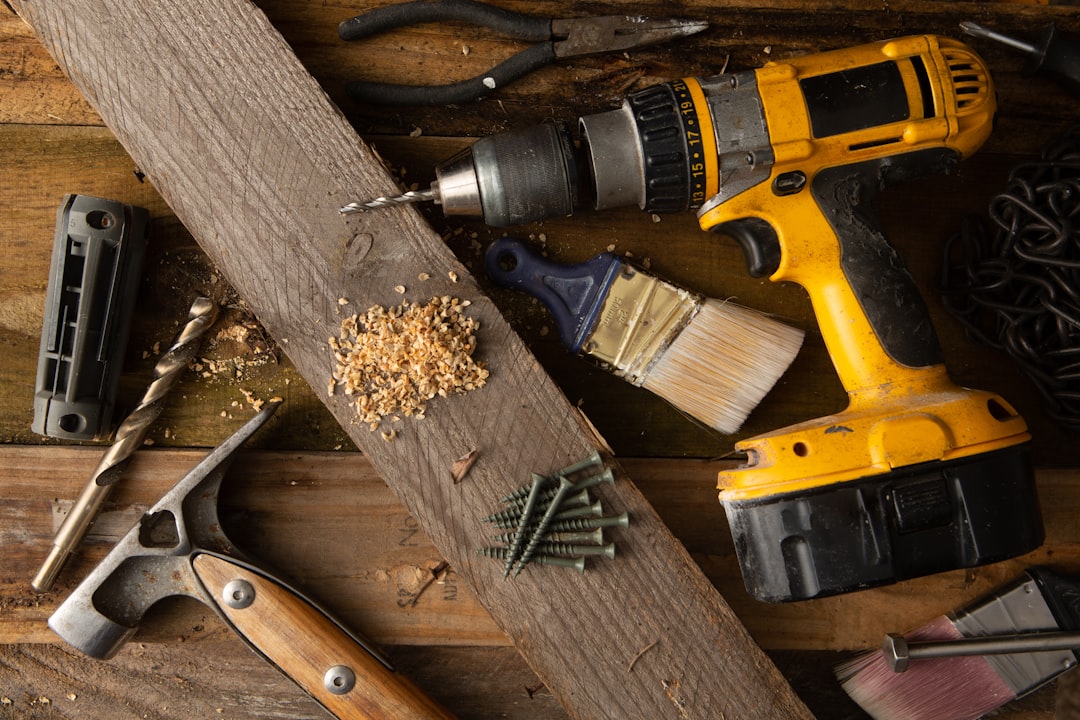
Are you wondering how many tools you really need to start woodworking? It’s easy to get overwhelmed by the endless options and fancy gadgets out there.
But here’s the truth: you don’t need a huge workshop full of expensive tools to create something amazing. In fact, having the right number of tools can make your projects smoother, faster, and more enjoyable. Keep reading, and you’ll discover exactly what tools you need to get started—and how to avoid wasting money on gear that won’t help you.
Your perfect woodworking setup is closer than you think.
Basic Hand Tools
Basic hand tools form the foundation of any woodworking project. These tools help you measure, cut, shape, and smooth wood with precision. Owning the right set of hand tools ensures better control and accuracy. This section covers essential tools for beginners and hobbyists.
Measuring And Marking Tools
Accurate measurements are crucial in woodworking. Basic measuring tools include:
- Tape measure – for long distances and rough measurements
- Combination square – for marking right angles and checking edges
- Marking gauge – for scribing lines parallel to edges
- Pencil or marking knife – for clear, precise marks on wood
These tools help ensure cuts and joints fit well. Clear marks reduce mistakes and save time.
Cutting Tools
Cutting tools shape wood into the desired size and form. Essential cutting tools include:
- Hand saw – for straight cuts on boards and panels
- Backsaw – for fine, controlled cuts, especially in joinery
- Chisels – for cleaning joints and removing small wood sections
Good cutting tools make clean cuts and ease the work. Sharp blades and proper use matter most.
Shaping And Smoothing Tools
These tools refine wood surfaces and edges for a polished look. Basic shaping and smoothing tools are:
- Block plane – for trimming and smoothing edges
- Spokeshave – for shaping curves and rounded surfaces
- Files and rasps – for detailed shaping and rough smoothing
- Sandpaper – for final smoothing and preparing surfaces for finishing
Using these tools improves wood texture and fit. Smooth surfaces enhance the overall quality of your work.

Credit: www.facebook.com
Power Tools For Efficiency
Power tools can dramatically speed up your woodworking projects and improve accuracy. They reduce physical strain and allow you to focus more on creativity and precision. But which power tools are truly essential for making your work efficient and enjoyable?
Saws And Sanders
Saws are the backbone of many woodworking tasks. A circular saw or a miter saw can quickly cut through large pieces of wood with clean edges. You might think a handsaw is enough, but electric saws save you hours and improve consistency.
Sanders smooth surfaces faster than manual sanding. An orbital sander is versatile and easy to control, while a belt sander tackles rougher jobs. Using these tools, you’ll find your finishes look more professional without wearing out your hands.
Drills And Drivers
A cordless drill is a must-have in any workshop. It’s not just for drilling holes; it drives screws effortlessly, which is crucial for assembling projects. Imagine building a cabinet with just a screwdriver—how long would that take?
Impact drivers are a step up for tougher jobs, like driving long screws into hardwood. They deliver more torque and reduce the chance of stripping screws. Investing in a good drill and driver combo can save you time and frustration on every project.
Joinery Machines
Joinery machines like biscuit joiners, doweling jigs, and pocket hole machines help you create strong, precise joints. These tools make complex joints simpler and faster to produce, improving the durability of your work.
When you first try a biscuit joiner, you might wonder how you ever managed without one. It aligns pieces perfectly and speeds up glue-ups, making your joints tighter and more professional. Don’t overlook these machines if you want sturdy furniture and clean finishes.
Safety Gear Essentials
Choosing the right safety gear is key to protecting yourself while woodworking. Essential items include goggles, gloves, and ear protection to stay safe and focused. Proper safety tools help prevent accidents and injuries in the workshop.
Safety in woodworking isn't just an option—it's a necessity. Whether you're a seasoned craftsman or a weekend hobbyist, prioritizing your safety gear is crucial. A few essential items can make all the difference between a rewarding experience and a regrettable mishap. Let's dive into the must-have safety gear that will keep you protected in the workshop.
Eye And Ear Protection
Your eyes and ears are incredibly vulnerable during woodworking. Safety goggles are a must to shield your eyes from flying debris and sawdust. Consider investing in goggles with anti-fog features for clarity in all conditions. For ear protection, earplugs or earmuffs are essential to guard against the loud noises of power tools. Prolonged exposure to these sounds can lead to hearing loss, so don't underestimate their importance. Comfortable, adjustable earmuffs are a great choice for long hours in the shop.
Respiratory Masks
Sawdust and fumes can be more than just a nuisance—they can pose serious health risks. Respiratory masks offer protection against inhaling harmful particles and dust. Ensure you choose a mask with a proper fit and filtration efficiency. If you're working with materials like treated wood or certain finishes, consider a mask with a higher filtration grade. This extra layer can prevent long-term respiratory issues. Trust your lungs to a reliable mask and breathe easy while you work.
Protective Clothing
While it might be tempting to wear your favorite old t-shirt, protective clothing is a smart choice in the workshop. Long sleeves and pants made from sturdy materials can help protect your skin from cuts and abrasions. Think about adding an apron or work vest with pockets for tools and accessories. Not only will this keep your tools handy, but it will also add an extra layer of protection. Wearing the right clothing can keep you comfortable and focused on your project. In the woodworking world, the right safety gear is as essential as the right tools. Are you ready to equip yourself for a safer, more enjoyable crafting experience? Prioritize your protection and watch how it elevates your woodworking journey.
Workshop Setup Basics
Setting up a woodworking workshop requires more than just tools. The space needs organization, comfort, and safety. A well-planned workshop helps work flow smoothly and prevents accidents. Basics like a sturdy workbench, good clamps, proper storage, and good lighting make a big difference. Ventilation is also important to keep the air fresh and safe.
Workbenches And Clamps
A strong workbench is the heart of your workshop. It supports all projects and holds your work steady. Choose one with a flat, durable surface. Height matters; it should feel comfortable for long hours. Clamps keep wood pieces in place. Different types fit different tasks. Quick-release clamps save time, while C-clamps provide a solid grip. Having a variety helps handle many projects easily.
Storage Solutions
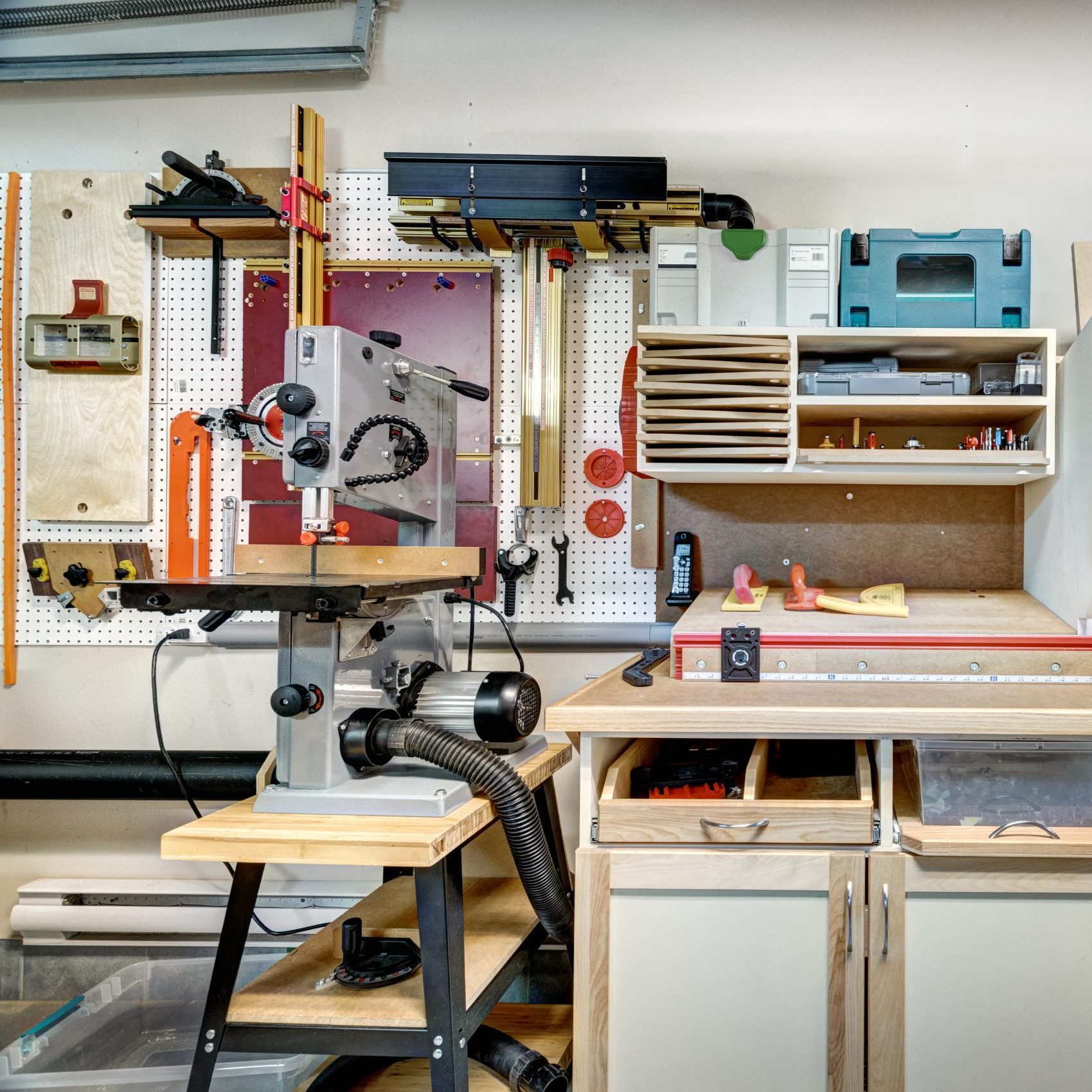
Good storage keeps tools safe and easy to find. Use shelves, pegboards, and drawers to organize tools by type and size. Label storage spots to speed up work. Mobile tool carts offer flexibility to move tools around. Keep sharp tools separate for safety. Proper storage extends tool life and keeps the workspace tidy.
Lighting And Ventilation
Bright lighting prevents mistakes and eye strain. Use overhead lights with daylight bulbs for clear visibility. Task lights focus on detailed work areas. Proper ventilation removes dust and fumes. Install exhaust fans or open windows to keep air fresh. Good air flow protects your health and improves comfort during work.
Tool Maintenance Tips
Keeping your woodworking tools in top shape is just as important as choosing the right ones. Tool maintenance not only extends the life of your equipment but also ensures safety and precision in your projects. Let’s look at key tips that make maintenance manageable and effective.
Cleaning And Sharpening
Dirt and resin buildup can dull your tools quickly. After each use, wipe blades and surfaces with a clean cloth to remove sawdust and sticky residue.
Sharpening blades regularly keeps cuts clean and reduces effort. Use sharpening stones or specialized tools to maintain edges, especially on chisels and plane blades.
Have you noticed how a sharp blade changes your entire workflow? It reduces frustration and improves accuracy, making your work more enjoyable.
Proper Storage
Storing tools properly prevents damage and rust. Avoid tossing them in a drawer where they can bump into each other.
- Use wall-mounted racks for saws and clamps.
- Store chisels and screwdrivers in dedicated holders or cases.
- Keep tools in a dry environment to prevent moisture buildup.
Think about your workspace setup. Does your storage system make it easy to grab the right tool without hassle? Efficient storage saves time and keeps tools ready.
Regular Inspections
Take a few minutes before each project to inspect your tools. Check for loose handles, rust spots, or worn parts.
Spotting small issues early can prevent bigger problems later. Tighten screws, oil moving parts, and replace anything that looks unsafe.
How often do you pause to assess your tools? Making inspections routine protects your investment and your safety during woodworking.

Credit: www.youtube.com
Choosing Tools Based On Projects
Choosing the right woodworking tools depends heavily on the projects you plan to tackle. Not every project demands a full workshop of equipment. Understanding your project’s complexity helps you pick tools that match your needs without overwhelming your workspace or budget.
Simple Projects
Simple woodworking projects like small shelves, picture frames, or birdhouses require only a few basic tools. A good handsaw, a hammer, a measuring tape, and a set of chisels often do the job. You don’t need power tools; manual ones can provide precision and control.
Think about your last quick project—did you really need more than a screwdriver and sandpaper? Most beginners find that sticking to these essentials prevents clutter and keeps focus sharp.
Intermediate Projects
Intermediate projects such as chairs, tables, or cabinets require a step up in your toolkit. A power drill, a circular saw, and a random orbital sander become valuable here. These tools save time and improve accuracy, especially when working with larger pieces of wood.
Adding clamps and a good workbench can also make a huge difference in your workflow. Have you noticed how easier it is to work when your materials stay firmly in place? That’s the kind of practical tool choice that transforms your experience.
Advanced Projects
Advanced woodworking projects like intricate cabinetry, musical instruments, or custom furniture demand specialized tools. Tools like a router, a jointer, a planer, and even a table saw might be necessary. These allow you to create fine details and ensure perfect joins.
Investing in quality tools at this level pays off because it improves your craftsmanship. Are you ready to expand your skills and invest in tools that challenge you to build more complex pieces? Carefully selecting advanced tools can help push your woodworking to new heights.
Credit: www.familyhandyman.com
Frequently Asked Questions
How Many Essential Woodworking Tools Do Beginners Need?
Beginners need about 5 to 7 essential tools. These include a saw, hammer, measuring tape, chisel, screwdriver, square, and clamps. This basic set helps start most woodworking projects efficiently and safely.
What Is The Minimum Tool Set For Woodworking?
A minimum woodworking tool set includes a handsaw, hammer, measuring tape, square, and sandpaper. These tools cover basic cutting, measuring, and finishing tasks for simple projects.
Do Advanced Woodworking Projects Require More Tools?
Yes, advanced projects require specialized tools like routers, power drills, and planers. These tools improve precision and efficiency for complex designs and detailed work.
Can Woodworking Be Done With Only Hand Tools?
Yes, woodworking can be done with only hand tools. Hand tools offer control and fine detail but may require more time and skill.
Conclusion
Woodworking needs different tools for different tasks. Start with basic tools that fit your projects. Quality matters more than having many tools. You can add more tools as skills grow. Each tool should help you work better and easier. Remember, a few good tools can do a lot.
Choose tools that match your budget and goals. Enjoy creating with the tools you have. Keep learning and your collection will improve with time.