
Have you ever stared at a complex electrical wiring diagram and felt completely lost? Understanding electrical wiring drawing symbols can seem like deciphering a secret code.
Yet, these symbols are crucial for anyone working with electrical systems, whether you're an engineer, electrician, or a DIY enthusiast. By mastering these symbols, you can turn a daunting task into a manageable project, ensuring both safety and efficiency. You're about to discover how these tiny icons can make a massive difference in your work.
Let's dive into the world of electrical wiring symbols and empower you with the knowledge you need. Ready to transform confusion into clarity? Keep reading to unlock the secrets behind those mysterious symbols.
Credit: www.agsdevices.com
Basic Electrical Symbols
Understanding basic electrical symbols is key to reading and creating accurate wiring diagrams. These symbols serve as a universal language, helping you visualize how electrical components connect and interact. Mastering them saves time and prevents costly mistakes in any electrical project.
Conductors And Connections
Conductors carry electrical current between components. The most common symbol is a simple straight line representing a wire. When two wires cross without connecting, you’ll see one line jumping over another, like a small bridge.
Connections where wires meet are shown with a dot. If there’s no dot at the crossing, the wires don’t connect. Have you ever faced confusion because you missed this detail in a drawing? Spotting these symbols ensures you know exactly where electricity flows.
Switches And Relays
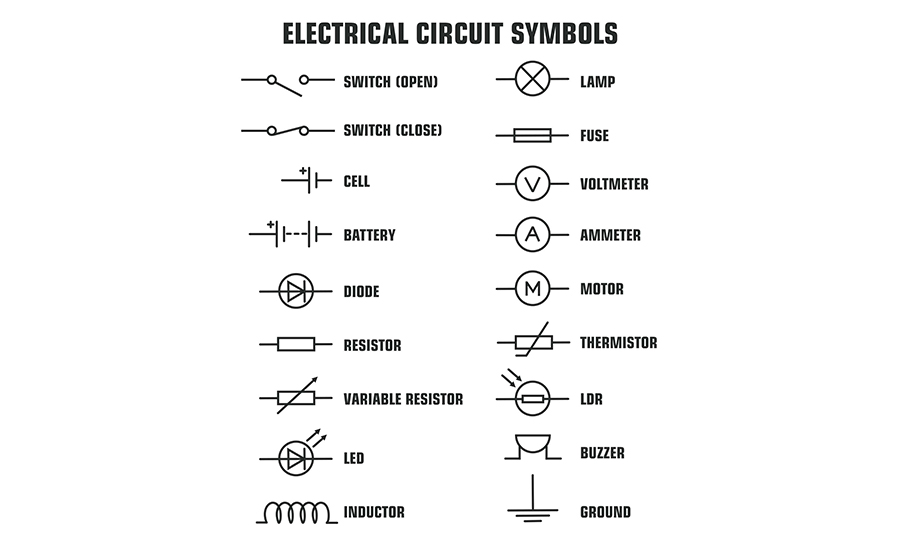
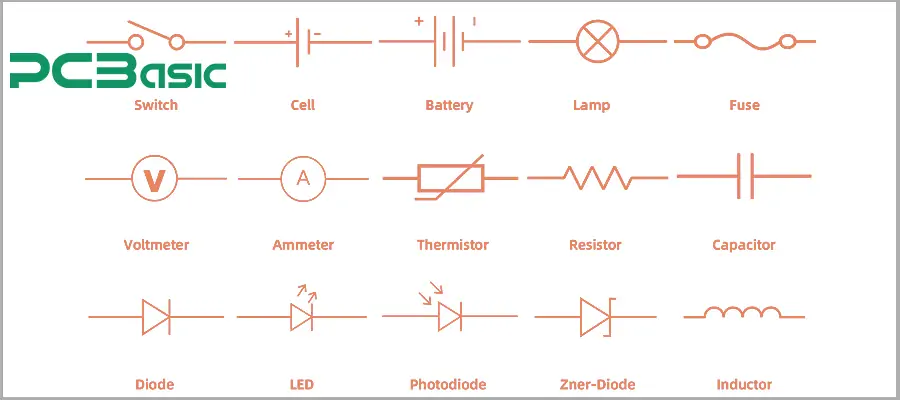
Switch symbols show how you control the circuit. A basic switch appears as a break in the line with a lever symbol. Different switch types, like push buttons or toggle switches, have unique symbols to clarify their function.
Relays, which use a small current to control a larger one, are shown by a coil symbol and associated switch contacts. Recognizing these symbols helps you design circuits that automate tasks without manual intervention. Can you identify these in your own wiring diagrams?
Power Sources
Power sources provide the energy for your circuit. The symbol for a battery is a pair of lines—one longer (positive) and one shorter (negative). A simple circle with a plus or minus sign indicates a DC power supply.
AC power sources are typically shown as a sine wave symbol inside a circle. Knowing these symbols lets you quickly spot where power enters a system. Are you confident you can distinguish between AC and DC sources in your diagrams?
Credit: www.roomsketcher.com
Lighting Symbols
Lighting symbols play a key role in electrical wiring drawings. They help electricians and engineers understand how lighting systems are planned and installed. These symbols represent different types of light fixtures and control devices. Using clear symbols makes the design easier to read and follow.
Types Of Light Fixtures
Light fixtures come in various forms for different uses. Each type has its own symbol in wiring drawings. Some common types include:
- Ceiling lights – often shown as a circle with lines inside
- Wall lights – depicted as a half-circle or a simple shape on the wall
- Recessed lights – shown as a circle with a cross or dot inside
- Fluorescent lights – represented by a rectangle with lines
- Spotlights – symbolized by a circle with arrows pointing outward
Understanding these symbols helps to identify the lighting layout quickly. This ensures proper installation and maintenance.
Control Devices
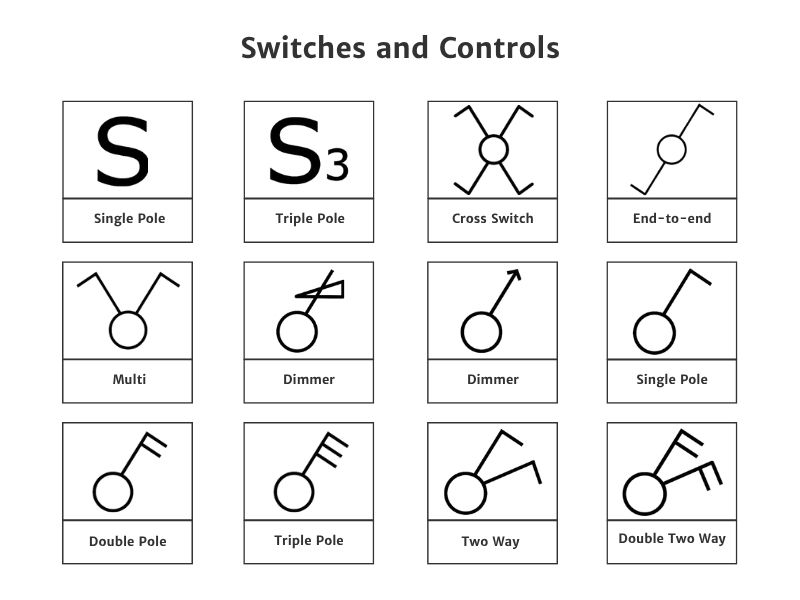
Control devices regulate lighting operation. They include switches, dimmers, and sensors. Each device has a unique symbol:
- Single-pole switch – shown as a simple "S" or a line with a break
- Three-way switch – represented by an "S" with a number or extra lines
- Dimmer switch – marked with a "D" or special dimmer icon
- Motion sensor – depicted as a circle with waves or lines around it
- Timer switch – shown with a clock symbol or special notation
These symbols help to plan how lights will be controlled in a space. Clear symbols prevent wiring mistakes and improve safety.
Outlets And Receptacles
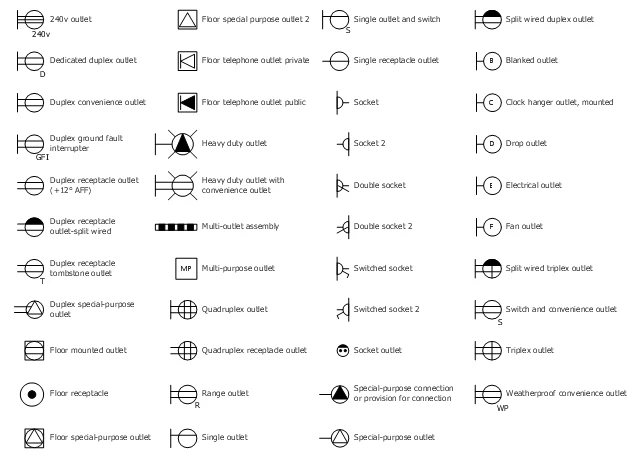
Outlets and receptacles are essential components in any electrical wiring system. They provide power access points for appliances, tools, and devices. Understanding their symbols helps in reading and creating accurate electrical drawings. These symbols show the type and function of each outlet or receptacle on blueprints.
Standard Outlets
Standard outlets are the most common electrical points in homes and buildings. They allow easy connection of everyday devices like lamps and chargers. The symbol for a standard outlet usually looks like a small circle or square with two parallel lines inside.
These outlets support typical voltage and current levels. They come in different forms such as single, duplex, or multiple outlets combined. Knowing these symbols helps electricians place and connect outlets correctly on plans.
Specialty Receptacles
Specialty receptacles serve unique purposes and handle specific electrical needs. They support higher voltages or special equipment like ovens, air conditioners, or medical devices.
The symbols for specialty receptacles vary widely. They often include letters or shapes indicating their specific use or rating. Examples include:
- 240V outlets for heavy appliances
- GFCI outlets for wet or outdoor areas
- Twist-lock outlets for secure connections
Recognizing these symbols ensures safety and correct installation in complex electrical systems.
Circuit Components
Circuit components are the heart of any electrical wiring drawing. Understanding their symbols helps you read and create accurate diagrams that ensure safety and functionality. Recognizing these symbols lets you troubleshoot circuits effectively and avoid costly mistakes.
Fuses And Circuit Breakers
Fuses and circuit breakers protect your electrical system from overloads and short circuits. The fuse symbol usually looks like a simple rectangle or an hourglass shape in wiring drawings. It represents a device that melts when the current is too high, breaking the circuit.
Circuit breakers have a more complex symbol, often shown as a switch with a line through it. Unlike fuses, they can be reset after tripping, which makes them more convenient in many applications. Have you ever wondered why some panels use fuses while others use breakers? It often depends on the system’s size and required safety level.
Transformers And Motors
Transformers in wiring diagrams are represented by two coils or loops, sometimes with lines indicating the core between them. They step up or step down voltage, which is crucial for adapting power to different devices safely. Visualizing the transformer symbol helps you understand where voltage changes occur in the circuit.
Motor symbols typically show a circle with the letter "M" inside or a simplified coil shape. Knowing this symbol helps you identify parts of the circuit that convert electrical energy into mechanical motion. Imagine how confusing a wiring diagram would be without clear motor symbols—troubleshooting would take twice as long.
Reading Electrical Drawings
Reading electrical wiring drawings can seem like decoding a secret language at first. These drawings are packed with symbols that represent components and connections in an electrical system. Understanding these symbols is key to visualizing how circuits work and ensuring your installation or repair goes smoothly.
Interpreting Symbols
Symbols on electrical drawings are standardized so you can quickly identify parts like switches, outlets, and lights. Each symbol is a simple graphic that tells you what component it represents without cluttering the diagram. Take time to memorize common symbols; it makes spotting errors or planning upgrades easier.
For instance, a circle with a letter inside often represents a light fixture, while a line with a break could indicate a switch. Sometimes, the same symbol appears in different sizes or variations to show different specifications. Have you ever misread a symbol and installed the wrong part? Learning to interpret these signs will help you avoid costly mistakes.
Common Layouts
Electrical drawings usually follow one of a few common layouts, which helps you anticipate what to look for next. The most frequent types are:
- Single-line diagrams: These simplify the wiring by showing just one line per circuit, focusing on the flow of electricity rather than every wire.
- Wiring diagrams: These show all connections and wires, ideal for detailed installation or troubleshooting.
- Block diagrams: These use blocks to represent different sections of the electrical system, giving a high-level overview.
When you look at a single-line diagram, you see the big picture easily but might miss details. Wiring diagrams fill in those gaps by showing every connection. Which layout do you find easier to understand? Combining both can make your electrical work more efficient.
Credit: www.pcbasic.com
Tips For Beginners
Getting comfortable with electrical wiring drawing symbols can feel overwhelming at first. But with the right approach, you can quickly build confidence and accuracy. The key lies in consistent practice and learning from common pitfalls.
Practice Techniques
Start by sketching simple circuits using basic symbols. Repetition helps your brain remember each symbol’s shape and meaning.
Use flashcards to test yourself on symbols daily. This quick exercise sharpens your recall and builds a solid foundation.
Try redrawing existing wiring diagrams and compare your work to the original. Spotting differences improves your attention to detail.
Avoiding Common Mistakes
One frequent error is mixing up similar-looking symbols. Pay close attention to small details like line breaks or dots, as they change meanings.
Don’t rush through drawing; accuracy matters more than speed. Ask yourself, “Would someone else understand this diagram without confusion?”
Keep your workspace organized. Misplacing symbols or drawing tools often leads to mistakes that could have been avoided.
Frequently Asked Questions
What Are Electrical Wiring Drawing Symbols?
Electrical wiring drawing symbols represent electrical components in diagrams. They help electricians read and understand wiring plans quickly. These symbols standardize communication and reduce errors during installation or maintenance.
Why Are Wiring Symbols Important In Electrical Diagrams?
Wiring symbols simplify complex electrical systems, making diagrams clear and easy to interpret. They ensure accurate connections and safety compliance. Using standard symbols helps professionals avoid mistakes and saves time.
How To Read Electrical Wiring Drawing Symbols?
To read wiring symbols, familiarize yourself with common icons like switches, outlets, and lights. Reference a symbol legend or guide. Practice by analyzing simple diagrams and gradually move to complex ones.
Where Can I Find Standard Electrical Wiring Symbols?
Standard electrical wiring symbols are available in electrical codes, textbooks, and online resources. Websites like IEEE or IEC provide official symbol libraries. Using these ensures compliance with industry standards.
Conclusion
Understanding electrical wiring drawing symbols helps you read plans with ease. These symbols show how circuits and devices connect in a clear way. Knowing them saves time and avoids mistakes during installation or repair. Keep practicing to recognize these signs quickly.
This knowledge supports safer and smoother electrical work. Use this guide as a reference whenever you need it. Simple symbols, big impact.