
Are you tired of dealing with unexpected power outages and electrical issues in your home or office? Imagine a world where you can effortlessly safeguard your electrical systems, ensuring seamless functionality and peace of mind.
That's where the magic of circuit breaker fuses comes into play. Understanding how they work and their importance can be your key to maintaining a safe and efficient electrical environment. We're going to dive deep into the world of circuit breaker fuses, unraveling their mysteries and revealing why they are essential to your daily life.
Ready to empower yourself with knowledge that could save you time, money, and stress? Let's get started!
Basics Of Circuit Breakers And Fuses
Understanding the basics of circuit breakers and fuses is essential for anyone dealing with electrical systems. Both devices play a crucial role in preventing damage and hazards caused by electrical faults. Knowing how they work can help you maintain safety and avoid costly repairs.
What Is A Circuit Breaker?
A circuit breaker is an automatic switch designed to protect an electrical circuit from damage caused by excess current. It trips and cuts off the electricity flow when it detects an overload or short circuit. Unlike fuses, circuit breakers can be reset and reused without replacement.
Think about the last time your power went out due to a tripped breaker. It saved your devices from overheating or catching fire. This simple device acts quickly to stop problems before they escalate.
What Is A Fuse?
A fuse is a safety device that contains a thin wire or strip that melts when too much current flows through it. This melting breaks the circuit and stops electricity from passing through. Fuses need to be replaced after they blow, which makes them a single-use protector.
If you’ve ever had to replace a fuse, you know it’s a straightforward but necessary task. Fuses are simple and cost-effective, but they don’t offer the convenience of resetting like a circuit breaker.
How They Protect Electrical Systems
Both circuit breakers and fuses protect your electrical system by interrupting the flow of electricity during faults. They prevent overheating, fires, and damage to appliances by stopping excessive current.
- Circuit breakersdetect faults electronically or mechanically and trip instantly to cut power.
- Fusesrely on a physical wire that melts under high current to break the circuit.
Which protection device fits your needs depends on your system’s complexity and how quickly you want to restore power. Have you considered which one suits your home or business better?
Types And Designs
Circuit breakers and fuses come in many types and designs. Each type serves a specific purpose in protecting electrical circuits. Understanding these helps in choosing the right protection for your system. The design affects how quickly and effectively the device responds to electrical faults.
Common Circuit Breaker Types
- Miniature Circuit Breakers (MCB):Used in homes, protect low voltage circuits.
- Molded Case Circuit Breakers (MCCB):Handle higher currents, common in industrial settings.
- Ground Fault Circuit Interrupters (GFCI):Protect against electric shock by detecting ground faults.
- Arc Fault Circuit Interrupters (AFCI):Detect arc faults to prevent electrical fires.
- High-Voltage Circuit Breakers:Used in power plants and substations for large current control.
Various Fuse Designs
- Cartridge Fuses:Cylindrical shape, used in electrical panels and devices.
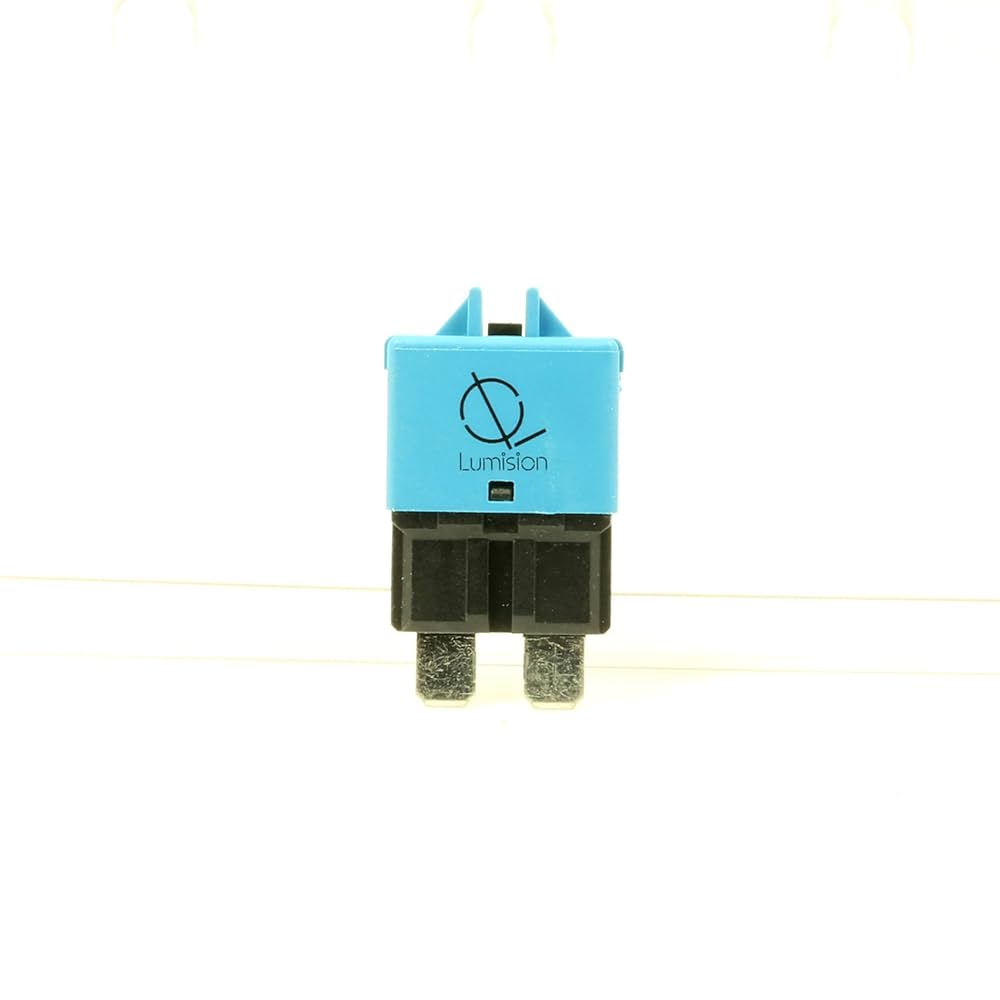
- Blade Fuses:Flat, plug into sockets in cars and appliances.
- Resettable Fuses:Also called PTC fuses, reset after fault clears.
- Glass Tube Fuses:Transparent casing, easy to inspect for faults.
- Thermal Fuses:Break circuit when temperature rises too high.
Choosing The Right Type
Consider the voltage and current rating of the circuit. Match the breaker or fuse to the load requirements. Think about the environment, like moisture or temperature. Choose devices with proper certification and quality. Proper selection ensures safety and prevents damage.
Safety Features
Understanding the safety features of a circuit breaker fuse can change how you protect your home or workspace. These devices do more than just stop electrical flow; they actively guard your electrical system from damage and hazards. Let’s look closely at the key safety elements that make them reliable and essential.
Overload Protection
Overload protection is crucial for preventing wires from overheating. It works by detecting when the electrical current exceeds the safe limit for a circuit. Once this happens, the circuit breaker fuse interrupts the flow, stopping potential fires or damage.
Think about a time when you plugged in too many devices and the breaker tripped. That’s overload protection in action, saving your wiring and appliances from harm.
Short Circuit Prevention
Short circuits can cause sudden surges of electricity, which are dangerous and destructive. Circuit breaker fuses sense these surges instantly and cut the current before it causes damage. This quick response protects both your electrical system and your safety.
Have you ever wondered why your power goes out immediately after a short circuit? It’s because the fuse is doing its job, preventing sparks and electrical fires.
Thermal And Magnetic Mechanisms
Circuit breaker fuses use thermal and magnetic mechanisms to detect faults. The thermal part reacts to heat caused by prolonged overloads, while the magnetic part responds to sudden spikes like short circuits. Together, they ensure precise and fast disconnection.
This dual approach gives you peace of mind, knowing the fuse reacts correctly whether the issue builds up slowly or happens instantly.
Efficiency In Electrical Systems
Efficiency in electrical systems is crucial for both safety and performance. A circuit breaker fuse plays a key role in ensuring your electrical setup runs smoothly without wasting energy or risking damage. Understanding how these devices contribute to efficiency can help you make better choices for your home or business.
Energy Conservation Benefits
Circuit breaker fuses prevent electrical overloads by interrupting the current flow when it exceeds safe levels. This action stops unnecessary energy loss caused by overheating wires or faulty equipment. Have you noticed how much energy you might save by avoiding short circuits and electrical faults?
Using circuit breaker fuses also means less energy is wasted on repairing damaged components. When your system is protected, it runs more efficiently and consumes only the power it needs.
Reducing Downtime And Damage
Imagine your business halts because of an electrical failure. Circuit breaker fuses help minimize such downtime by quickly disconnecting faulty circuits. This fast response protects your appliances and electrical infrastructure from serious damage.
Less damage means you spend less time and money on repairs. You get back to work faster, keeping productivity high and stress low. How much could you save by avoiding extended outages in your operations?
Maintenance And Longevity
Properly installed circuit breaker fuses reduce wear and tear on your electrical components. They act like a guardian, ensuring that your system doesn’t face excessive currents that shorten its lifespan.
Regularly checking and replacing fuses when needed keeps your electrical system healthy. This simple maintenance habit extends the life of your equipment and improves overall efficiency. Are you keeping up with your electrical system’s maintenance schedule?
Installation And Testing
Installing and testing a circuit breaker fuse is crucial for ensuring the safety and reliability of your electrical system. Proper handling during installation prevents future hazards, while regular testing keeps your setup functioning smoothly. Let’s look at the best ways to install and test these devices effectively.
Proper Installation Practices
First, always switch off the main power before starting the installation. This simple step protects you from electric shocks and prevents damage to the fuse.
Use the right tools and follow the manufacturer’s guidelines closely. Secure the fuse firmly in its holder to avoid loose connections, which can cause overheating.
Double-check the fuse rating to match your circuit’s requirements. Installing a fuse with an incorrect rating can lead to frequent trips or no protection at all.
Regular Testing Procedures
Testing your circuit breaker fuse regularly helps catch potential problems early. Use a multimeter to check for continuity and ensure the fuse is still operational.
Schedule testing at least twice a year, or more often if you experience frequent power surges. This habit keeps your electrical system safe and reliable.
During testing, inspect the fuse visually for any signs of wear or damage. Replace it immediately if you notice discoloration or cracks.
Common Installation Mistakes
A common mistake is ignoring the fuse’s amperage rating and installing one that’s too high or low. This error compromises the protection level and can damage your appliances or wiring.
Another frequent issue is poor connection due to loose mounting or failing to tighten screws properly. This can cause sparks or overheating during operation.
Sometimes, people skip the testing phase altogether, assuming the fuse will work fine. This assumption can lead to unexpected breakdowns when you least expect them.

Credit: www.amazon.com
Troubleshooting And Replacement
Knowing how to troubleshoot and replace a circuit breaker fuse can save you time, money, and frustration. These components protect your electrical system, but they don’t last forever. Spotting issues early and understanding when to act keeps your home safe and your devices running smoothly.
Signs Of Failure
One clear sign is frequent tripping of the breaker or blowing of the fuse without any obvious cause. You might notice flickering lights, a burning smell near the panel, or even warm outlets. These symptoms indicate the breaker or fuse is struggling to handle the electrical load.
Have you ever reset a breaker repeatedly only to have it trip again within minutes? This usually means the issue isn’t temporary and requires attention. Ignoring these signs risks electrical hazards, so don’t delay checking the problem.
When To Replace Circuit Breakers Or Fuses
Replace a breaker or fuse if it won’t reset or blows repeatedly despite no overload. If it feels loose, shows visible damage like scorch marks, or causes unusual noises, it’s time for a swap. Age matters too; breakers older than 15-20 years may not perform reliably.
Think about the last time you had an electrical inspection. Did the electrician mention outdated panels or components? Upgrading to modern breakers or fuses can improve safety and handle today's electrical demands better.
Diy Vs Professional Help
Handling a circuit breaker fuse replacement yourself can work if you have basic electrical knowledge and the right tools. Always turn off the main power before starting any work, and double-check with a voltage tester. However, if you’re unsure or encounter complex wiring, calling a licensed electrician is the smarter choice.
Your safety is not worth risking a mistake. Professionals can diagnose hidden issues and ensure the replacement complies with local codes. Would you rather spend a weekend troubleshooting or have the job done safely and quickly by an expert?
Advancements And Innovations
Advancements in circuit breaker fuses have improved electrical safety and efficiency. New technologies make devices smarter, greener, and more reliable. Innovations help prevent accidents and reduce energy waste.
Smart Circuit Breakers
Smart circuit breakers use sensors to monitor electrical flow continuously. They can detect faults faster than traditional fuses. These breakers send alerts to users through apps or control systems. They allow remote control and easy resetting without physical contact. Smart breakers improve safety by reducing downtime and preventing overloads.
Eco-friendly Fuse Options
Eco-friendly fuses use materials that are less harmful to the environment. Manufacturers focus on recycling and reducing waste in production. These fuses often have longer lifespans, reducing the need for replacements. They help lower the carbon footprint of electrical systems. Choosing eco-friendly options supports sustainable energy practices.
Future Trends In Electrical Safety
Future trends include integration with smart home systems and AI technology. Circuit breakers will become more adaptive to changing electrical needs. Wireless communication between devices will improve system coordination. Advanced diagnostics will predict failures before they happen. These trends promise safer and more energy-efficient electrical networks.

Credit: www.amazon.com
Credit: www.onesto-ep.com
Frequently Asked Questions
What Is The Difference Between A Circuit Breaker And A Fuse?
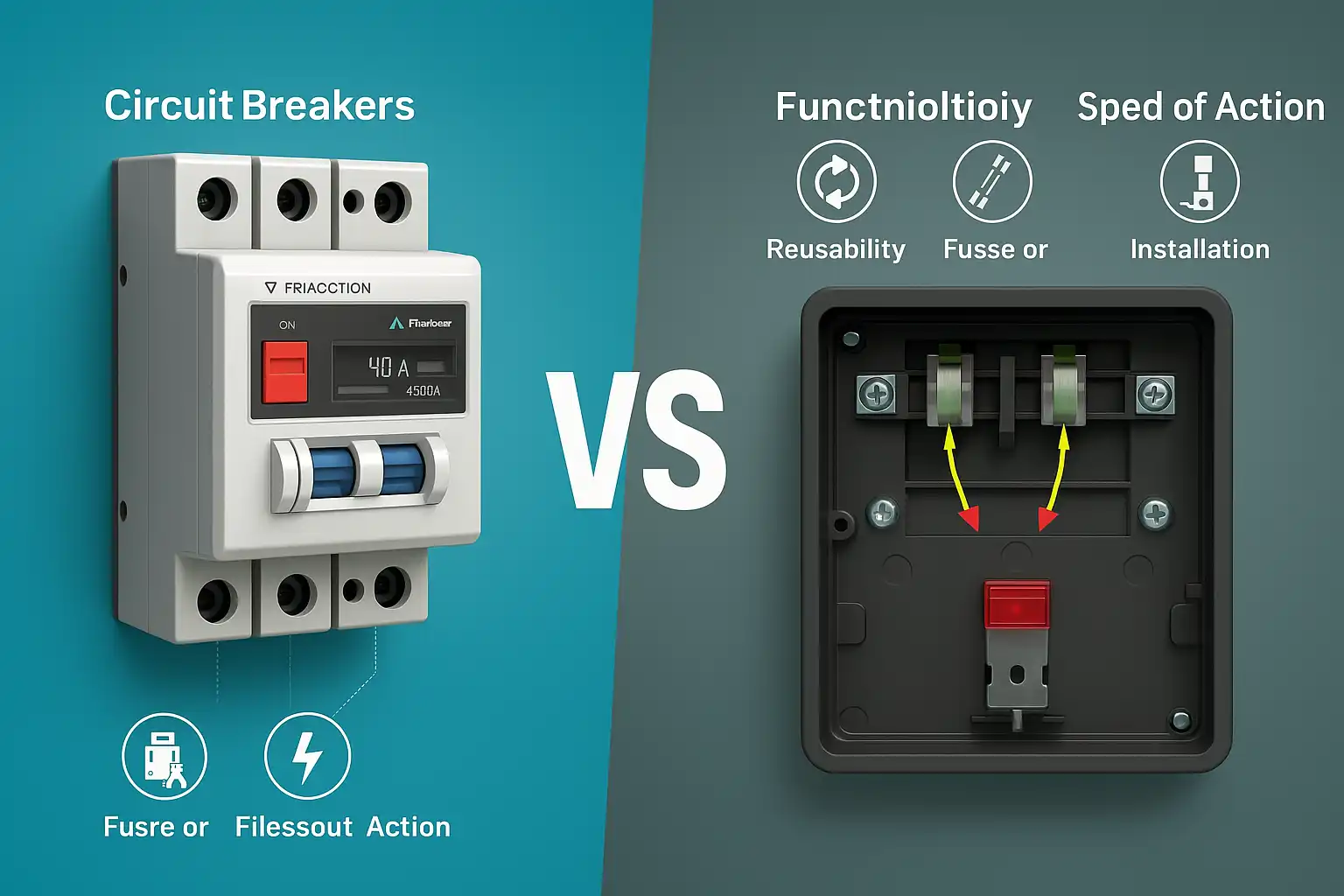
A circuit breaker can be reset after tripping, while a fuse must be replaced. Breakers protect circuits by interrupting current flow during overloads or short circuits, offering reusable safety. Fuses provide one-time protection by melting their filament when overloaded.
How Does A Circuit Breaker Fuse Protect Electrical Systems?
It automatically interrupts electrical flow when current exceeds safe levels. This prevents damage to wiring and appliances, reducing fire risk. Circuit breaker fuses ensure safety by detecting faults and stopping electricity instantly.
Can A Circuit Breaker Fuse Be Used In Residential Wiring?
Yes, circuit breaker fuses are commonly used in homes. They protect household wiring from overload and short circuits. Their resettable feature offers convenient and reliable electrical safety for residential systems.
How To Choose The Right Circuit Breaker Fuse Rating?
Select a fuse rating based on the circuit's maximum current load. The rating should match the wire size and appliance requirements. Proper rating ensures effective protection without nuisance tripping or damage.
Conclusion
Circuit breaker fuses protect electrical systems from damage and fire. They stop too much current from flowing through wires. This keeps your home and devices safe. Choosing the right fuse matters for proper safety. Regular checks ensure they work well and last longer.
Simple steps can prevent costly repairs and hazards. Stay aware and use quality circuit breaker fuses. Safety always comes first in any electrical setup.