
Are you ready to tackle the task of ceiling light electrical wiring in your home? Whether you’re sprucing up a room or fixing a fixture, understanding the ins and outs of electrical wiring is crucial.
Imagine transforming your space with just the flick of a switch. Sounds exciting, right? But before you dive into this project, it’s important to be well-informed to avoid any potential pitfalls. This guide will walk you through each step, ensuring your safety and success.
With clear instructions and helpful tips, you’ll find that wiring a ceiling light isn’t as daunting as it seems. Stick around to discover how you can brighten your home with confidence and ease.
Tools And Materials Needed
Installing or repairing ceiling light wiring requires specific tools and materials. Using the right items makes the job safer and easier. Preparing beforehand saves time and avoids mistakes.
Below is a list of the essential tools, materials, and safety gear needed for ceiling light electrical wiring.
Essential Tools
- Screwdrivers (flathead and Phillips)
- Wire strippers
- Voltage tester or multimeter
- Needle-nose pliers
- Electrical tape
- Drill with bits
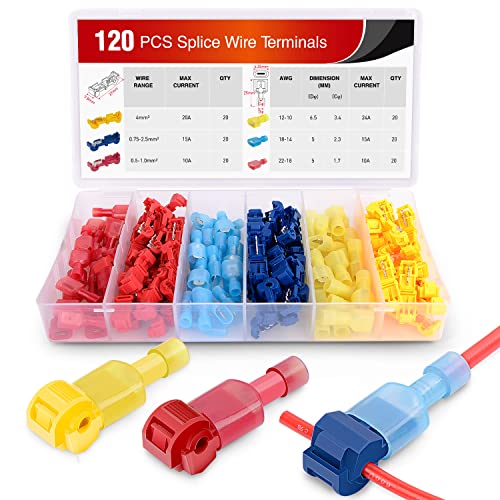
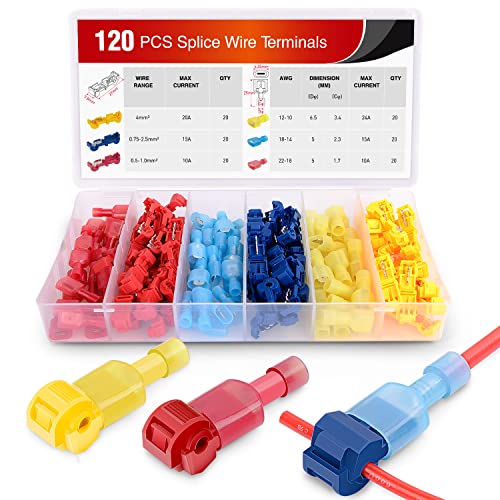
- Wire nuts/connectors
- Ladder or step stool
Required Materials
- Ceiling light fixture
- Electrical wires (usually 14 or 12 gauge)
- Mounting bracket or plate
- Wire connectors
- Light bulbs compatible with the fixture
- Electrical box (if not already installed)
Safety Gear
- Insulated gloves
- Safety glasses
- Dust mask (for ceilings with dust or debris)
- Non-slip shoes
- Headlamp or flashlight for better visibility

Credit: www.reddit.com
Preparing The Work Area
Preparing the work area is crucial before starting any ceiling light wiring project. A safe and clear space helps prevent accidents and makes the process smooth. Taking time to organize ensures you can focus on the task without interruptions.
Power Shutoff
Turn off the power at the main circuit breaker. This step stops electricity from flowing to the light fixture. It protects you from electric shocks. Double-check that the power is off before touching any wires.
Clearing The Space
Remove furniture and items from beneath the ceiling light. Clear the floor to avoid tripping hazards. Use a sturdy ladder that fits well in the area. Good lighting helps you see what you are doing.
Testing For Live Wires
Use a voltage tester to check for live wires. Test all wires even after shutting off the power. This confirms there is no electrical current. Safety comes first in every step of wiring.
Removing The Old Fixture
Removing an old ceiling light fixture might seem straightforward, but it requires careful attention to detail and safety. Before you can install a new light, you must safely detach the old one without damaging the wiring or your ceiling. Taking the right steps will make your replacement process smoother and safer.
Unscrewing The Fixture
Start by turning off the power at the circuit breaker to avoid any electrical shocks. Use a sturdy ladder to reach the fixture comfortably. Most ceiling lights are held in place by screws or clips—gently unscrew or unclip the fixture while supporting its weight with one hand.
If the fixture feels stuck, avoid forcing it. Instead, double-check for any hidden screws or mounting brackets. Have a container ready to hold the screws so you don’t lose them.
Disconnecting Wires
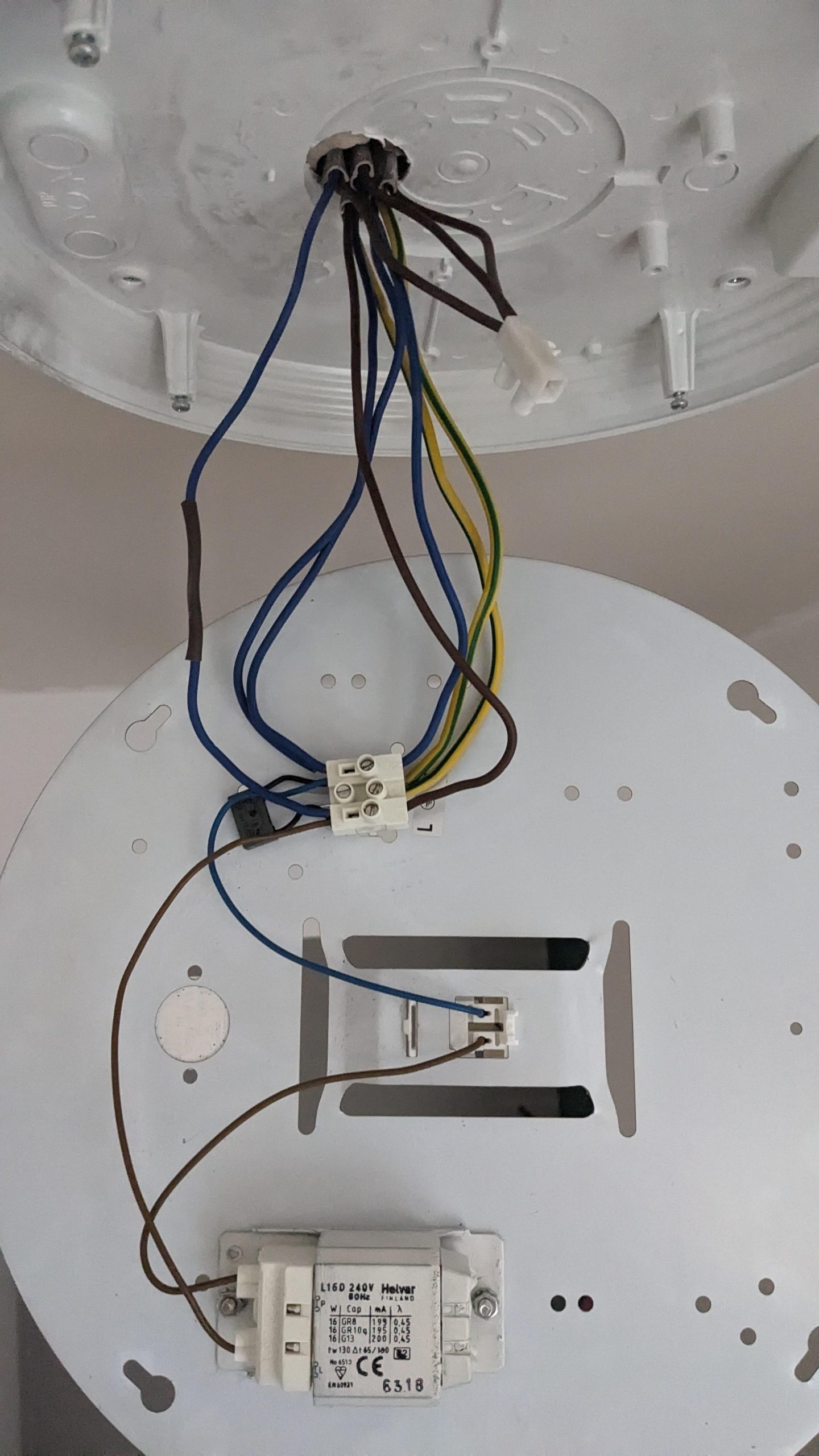
Once the fixture is loose, carefully pull it down to expose the wiring. Notice how the wires are connected—typically with wire nuts or twist-on connectors. Before disconnecting, use a voltage tester to ensure no current is running through the wires.
Unscrew the wire nuts by turning them counterclockwise. Gently separate the fixture wires from the house wiring. Keep track of which wires connect to each other—usually black to black (hot), white to white (neutral), and green or bare copper to ground.
Handling The Old Wiring
After disconnecting, tuck the old wires neatly back into the electrical box. If the wiring appears damaged, frayed, or outdated, consider replacing it or consulting an electrician. Your safety and the longevity of your new fixture depend on clean, secure wiring connections.
Do you feel confident handling electrical wiring, or is this a task you’d rather leave to a professional? Remember, taking your time and prioritizing safety will prevent costly mistakes later.

Credit: www.reddit.com
Wiring The New Ceiling Light
Wiring a new ceiling light can seem tricky at first, but with the right approach, you’ll find it straightforward and rewarding. The key is understanding what each wire does and how to connect them safely. Taking time to identify and secure the wires correctly ensures your new light works perfectly and keeps your home safe.
Identifying Wire Types
Before you start connecting anything, look closely at the wires coming from your ceiling. Typically, you’ll see three types: live (hot), neutral, and ground. The live wire usually has black or red insulation, the neutral is white, and the ground wire is either green or bare copper.
Sometimes colors may vary, especially in older homes, so use a voltage tester to confirm which wire is live. Do you have a multimeter? It’s a handy tool that can save you from costly mistakes by verifying each wire’s function.
Connecting Wires Safely
Once you’ve identified the wires, it’s time to connect them carefully. Always turn off power at the circuit breaker before touching wires. Never assume the power is off—double-check with a tester.
Match wires by color: connect live to live, neutral to neutral, and ground to ground. Twist the wire ends together firmly before securing them with connectors. Loose connections can cause flickering or even electrical fires.
Using Wire Nuts And Connectors
Wire nuts are your best friends for joining wires securely. Choose the right size wire nut based on the number and gauge of wires you’re connecting. Too small or too large can cause poor connections.
Slide the wire nut over the twisted wires and twist clockwise until tight. Give a gentle tug to ensure wires don’t slip out. If your ceiling box has push-in connectors or lever nuts, they offer an easy and reliable alternative to wire nuts.
Have you checked your wire nuts for cracks or damage? Replacing old or worn connectors is a simple step that prevents future problems and keeps your ceiling light shining safely.
Mounting The Fixture
Mounting the fixture is a key part of installing ceiling light electrical wiring. It ensures the light stays in place and works safely. Proper mounting prevents accidents and keeps your ceiling light looking neat. Follow these steps to mount your light fixture correctly.
Attaching The Bracket
The bracket holds the fixture firmly against the ceiling. First, find the electrical box in the ceiling. Align the bracket’s holes with the box’s screw holes. Use screws to attach the bracket tightly. Make sure the bracket is secure and does not move.
Securing The Light
After the bracket is attached, connect the light fixture to it. Hold the fixture close to the bracket. Use the screws or hooks provided to secure the fixture. Tighten the screws but do not over-tighten. Check that the fixture is stable and will not wobble.
Adjusting Position
Once the fixture is secured, adjust its position for the best look. Make sure the fixture is level and straight. If the fixture has adjustable parts, set them to your desired angle. Confirm the fixture does not block light or look off-center. A well-positioned light improves room brightness and style.
Testing The Installation
Testing the installation of ceiling light electrical wiring is crucial to ensure safety and functionality. This step confirms that all connections are secure and the light operates as intended. Careful testing helps avoid electrical hazards and saves time on future repairs.
Restoring Power
First, restore power at the circuit breaker. Turn the switch back on slowly to avoid sudden surges. Make sure the area is dry and safe before proceeding. Check the breaker panel for any signs of tripped switches or damage.
Switch Operation Check
Test the light switch by turning it on and off several times. Confirm the light responds immediately without flickering. If the switch feels loose or stiff, it may need replacement. Observe the light’s brightness to ensure it is steady and consistent.
Troubleshooting Common Issues
Address common problems quickly for a smooth setup. If the light does not turn on:
- Verify the power is on at the breaker.
- Check all wire connections are tight and correctly matched.
- Test the light bulb by replacing it with a new one.
- Ensure the switch is properly connected and functioning.
- Look for any visible damage to wires or the fixture.
Resolving these issues early prevents electrical faults and improves safety.
Safety Tips And Best Practices
Handling ceiling light electrical wiring requires careful attention to safety. Following key tips and best practices helps avoid accidents and ensures a reliable installation. Safety protects both the installer and the home’s electrical system.
Simple precautions reduce risks of shocks and fires. Proper wiring techniques and respect for electrical codes keep everything secure. Always prepare well and stay focused during the work.
Avoiding Electrical Hazards
- Turn off the power at the circuit breaker before starting.
- Use a voltage tester to confirm no current is present.
- Wear insulated gloves and use tools with insulated handles.
- Keep your work area dry and free from clutter.
- Replace any damaged wires or connectors immediately.
Working With Ground Wires
Ground wires protect against electrical shocks by directing current safely. Always connect ground wires to the metal ceiling box or fixture frame.
Use wire nuts or connectors designed for grounding wires. Ensure the ground wire is not loose or disconnected. A proper ground connection is essential for safety and code compliance.
When To Call A Professional
- Wiring layout is unclear or complex.
- Existing wiring shows signs of damage or wear.
- Local codes require licensed electricians for certain jobs.
- Uncertainty about correct wire sizes or connections.
- Repeated issues with circuit breakers tripping after installation.
Professional electricians have the experience and tools for safe, code-compliant wiring. They reduce risk and ensure the light fixture works properly.

Credit: diy.stackexchange.com
Frequently Asked Questions
What Tools Are Needed For Ceiling Light Electrical Wiring?
Basic tools include a voltage tester, wire strippers, screwdriver, electrical tape, and wire nuts. These ensure safe and proper connections.
How Do I Safely Turn Off Power Before Wiring?
Switch off the circuit breaker controlling the light. Use a voltage tester to confirm no power is present before starting work.
What Wire Colors Are Used In Ceiling Light Wiring?
Typically, black or red is live, white is neutral, and green or bare copper is ground. Always verify local codes.
Can I Install A Ceiling Light Without An Electrician?
Yes, if you understand wiring basics and follow safety precautions. However, consult a professional for complex setups or doubts.
Conclusion
Wiring a ceiling light is simple with the right steps. Always turn off power before starting work. Use the correct tools and follow safety rules closely. Check all connections to avoid loose wires. Test the light once installed to ensure it works.
Taking time to do it right saves trouble later. This guide helps you install ceiling lights safely and easily. Feel confident handling basic electrical wiring at home now.