
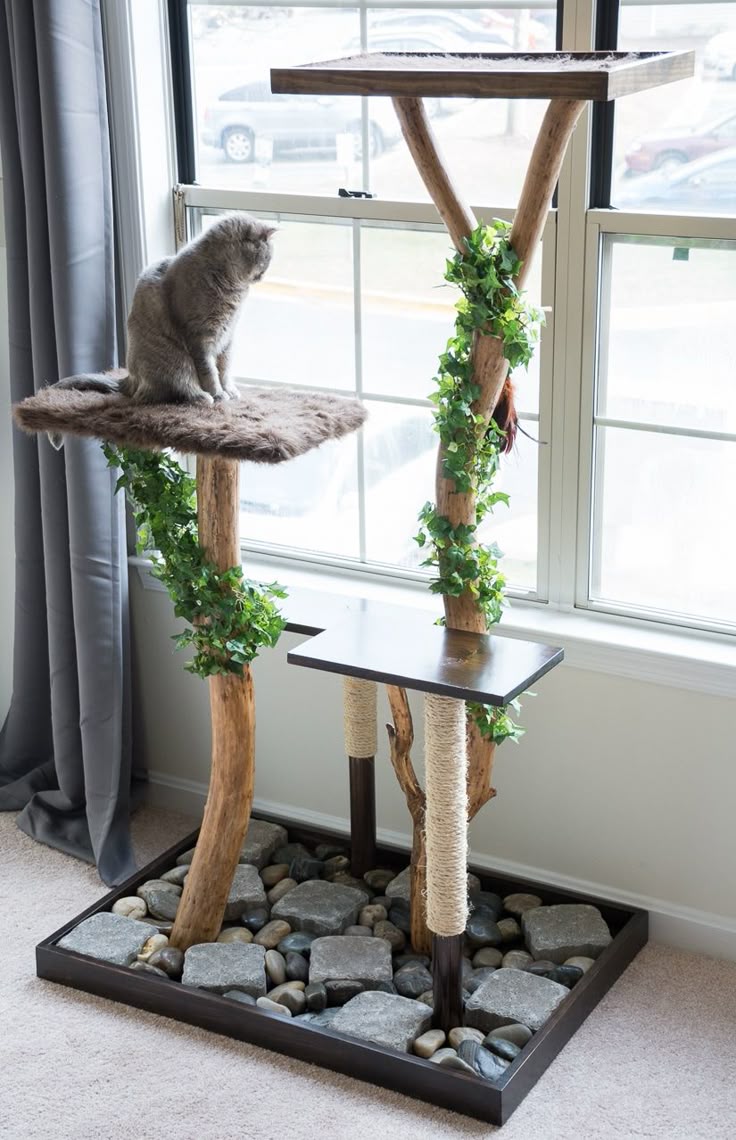
Are you looking for a fun and affordable way to spoil your furry friend? DIY cat furniture is the perfect solution to keep your kitty entertained and comfortable without breaking the bank.
Imagine creating cozy spots, playful towers, and scratching posts tailored exactly to your cat’s needs. You’ll discover easy and creative ideas to make your own cat furniture that will not only save you money but also strengthen the bond between you and your pet.
Ready to turn your home into a cat paradise? Let’s get started!

Credit: catswithjazz.com
Benefits Of Diy Cat Furniture
Building your own cat furniture brings more than just a fun project to your weekend. It can transform your cat’s environment in ways that store-bought options often can’t match. Let's look at the specific benefits that make DIY cat furniture a smart choice for both you and your feline friend.
Cost Savings Compared To Store-bought
Store-bought cat furniture can be expensive, especially for high-quality or designer pieces. When you build your own, you control the budget by choosing materials that fit your price range.
For example, repurposing old wood or fabric can slash costs dramatically. You might spend a fraction of the price while getting a sturdy and unique piece. Have you ever thought about how much you could save with just a little creativity?
Customization For Your Cat’s Preferences
Every cat has unique habits and likes—some love climbing, others prefer cozy hideouts. With DIY furniture, you can tailor the design to exactly what your cat enjoys.
Imagine adding extra shelves for a climber or building a snug nook for a shy cat. You get to decide the size, shape, and features that fit your cat’s personality perfectly. Why settle for generic when you can create something your cat truly loves?
Eco-friendly Materials And Sustainability
Using recycled or natural materials reduces waste and minimizes your environmental impact. DIY cat furniture lets you choose eco-friendly options like reclaimed wood, organic fabrics, or non-toxic paints.
This approach not only benefits the planet but also creates a healthier space for your cat. What if your next project could help the environment while giving your cat a special place to relax?

Credit: www.instagram.com
Essential Materials And Tools
Creating DIY cat furniture is a fun and rewarding project. To ensure success, gather the right materials and tools. This ensures your furniture is safe, sturdy, and cat-friendly.
Safe And Durable Materials
Choose materials that are safe for your cat. Wood is a popular choice for its strength and availability. Opt for untreated wood to avoid harmful chemicals. Plywood and MDF are budget-friendly alternatives. Use sisal rope for scratching posts, as it is durable and safe. Carpet remnants add comfort and traction for climbing. Always ensure materials are smooth and free from splinters.
Basic Tools For Construction
Basic tools make the construction process smoother. A saw is essential for cutting wood to size. A power drill helps with assembling parts securely. Sandpaper smooths rough edges, making surfaces safe for cats. A staple gun is useful for attaching carpet or fabric. Measuring tape ensures precise cuts and fits.
Where To Source Supplies
Hardware stores offer a variety of tools and materials. Check local stores for wood, rope, and carpet remnants. Online marketplaces provide convenience and variety in options. Search for bulk deals on sisal rope or fabrics. Thrift stores often have affordable materials for creative projects. Always compare prices to stay within budget.
Easy Diy Cat Furniture Ideas
Creating your own cat furniture can be a fun and rewarding project. It gives your furry friend a unique space to relax and play while saving you money. Easy DIY cat furniture ideas can fit any skill level and use materials you probably already have at home.
Simple Cardboard Cat Scratcher
A cardboard cat scratcher is one of the easiest projects to make. You only need some sturdy cardboard, a box cutter, and glue. Cut strips of cardboard and stack them tightly, then secure with glue.
This scratcher offers your cat a satisfying surface to sharpen claws without ruining your furniture. Plus, it’s lightweight and easy to replace when worn out. Have you noticed how cats love the texture of cardboard for scratching?
Cozy Hanging Cat Bed
Give your cat a comfy hideaway with a hanging bed made from a basket or sturdy fabric. Attach strong ropes or straps to support the bed from a ceiling hook or sturdy shelf. Add a soft cushion or blanket inside for warmth.
This design saves floor space and provides a cozy retreat up high—cats often prefer elevated spots. You’ll enjoy watching your cat curl up in a custom-made cozy nook. What spots does your cat favor for napping?
Multi-level Cat Shelf
Build a multi-level cat shelf to add vertical play and rest areas. Use wooden boards and brackets to create several platforms on your walls. Arrange them at different heights and distances so your cat can jump and climb safely.
This setup encourages exercise and mental stimulation without taking up floor space. Adding a few toys or scratching posts nearby makes it even more engaging. How could a vertical playground change your cat’s daily routine?
Upcycling Household Items
Upcycling household items is a smart way to create unique, budget-friendly cat furniture. It gives old things new life and keeps them out of the trash. Plus, your cat gets a one-of-a-kind play space that’s full of character and comfort.
Transforming Old Furniture
Have an old chair or dresser taking up space? You can turn it into a cozy cat nook or climbing station. Removing drawers to make cubbies or adding soft cushions to seats creates perfect hideouts for your feline friend.
I once converted an unused bookshelf into a multi-level playground for my cat. It was easy to do, and now she spends hours exploring every shelf. Could your forgotten furniture become your cat’s new favorite spot?
Repurposing Wooden Crates
Wooden crates are fantastic for building rustic cat beds or towers. Stack them, secure with screws, and add blankets or pillows inside for comfort. Their sturdy design supports climbing, jumping, and lounging.
Try painting or staining the crates to match your home decor. They’re lightweight, so you can move the setup around to find the perfect sunbeam for your cat. What creative crate design will you try next?
Using Pvc Pipes Creatively
PVC pipes are surprisingly versatile for making tunnels, frames, or scratching posts. Cut them to size, connect with elbow joints, and cover with fabric or sisal rope. Your cat will love the new textures and shapes to explore.
I built a simple maze with PVC pipes and cloth tunnels that my cat couldn’t get enough of. It was a fun project that used inexpensive materials and gave her endless entertainment. How might you shape PVC pipes to fit your cat’s play style?
Design Tips For Cat Comfort
Designing cat furniture means focusing on comfort and safety. Cats love cozy spots and places to climb. The right design helps them feel secure and happy. Keep these tips in mind to create a space your cat will love.
Choosing The Right Fabrics
Soft fabrics make resting spots inviting. Choose materials that are gentle on your cat’s skin. Avoid rough or itchy fabrics that may cause discomfort. Durable fabrics resist scratching and wear. Look for options like fleece, cotton, or microfiber. Washable fabrics keep the furniture clean and fresh. Avoid toxic or harmful materials to protect your cat’s health.
Incorporating Vertical Space
Cats enjoy high places to observe their surroundings. Adding vertical elements like shelves or towers creates climbing fun. Use different levels to encourage exercise and exploration. Provide platforms at various heights for resting spots. Vertical space helps reduce stress and boredom. Securely attach these elements to walls or sturdy bases for safety.
Ensuring Stability And Safety
Stable furniture prevents accidents and injuries. Use heavy bases or wide platforms to avoid tipping. Check all joints and screws for tightness. Smooth edges and corners reduce the risk of cuts. Avoid loose parts that cats can swallow. Test the furniture’s strength by applying gentle pressure. A safe design keeps your cat confident and relaxed.
Personalizing Your Cat’s Space
Creating a cat-friendly space goes beyond just providing a place to rest. Personalizing your cat’s furniture makes their environment more stimulating and comforting. It reflects your cat’s personality and keeps them engaged daily.
Adding Toys And Interactive Elements
Toys bring energy and curiosity to your cat’s space. Attaching dangling balls, feathers, or small bells to your DIY furniture invites playful interaction. You could also add scratch pads or replaceable puzzle feeders to keep your cat mentally sharp.
Think about what your cat enjoys most. Does your cat chase string or prefer batting at small objects? Tailoring toys to their interests makes the furniture more inviting and fun.
Incorporating Catnip Features
Catnip is a natural stimulant that many cats adore. Adding a small pouch filled with catnip inside cushions or scratching posts encourages your cat to use the furniture more often. You can sew a removable catnip sachet into the fabric for easy replacement.
Some cats react differently to catnip, so observe your pet’s behavior. Does your cat get excited or prefer to relax? Adjust the amount and placement of catnip accordingly to create a calming or playful vibe.
Using Colors And Patterns Cats Love
Cats see colors differently from humans, favoring blues and greens over reds. Using fabrics or paints in these shades can make your cat’s furniture more visually appealing to them. Patterns that mimic natural environments, like leafy or textured designs, also attract their attention.
Have you noticed your cat’s favorite spots? Often, they prefer areas that blend with their surroundings. Choosing colors and patterns that fit your home while appealing to your cat can make their space feel safer and more inviting.
Maintaining And Cleaning Diy Furniture
Maintaining and cleaning DIY cat furniture keeps it safe and attractive. Cats enjoy fresh, well-kept spaces for rest and play. Regular care also extends furniture life and saves money. Simple habits make a big difference in durability and cleanliness.
Easy Cleaning Techniques
Start by removing loose fur with a lint roller or vacuum. Use a damp cloth to wipe surfaces and remove dust. Mild soap and water work well for sticky spots. Avoid harsh chemicals that can harm cats. Let the furniture dry completely before use.
Repair Tips For Longevity
Check for loose screws and tighten them regularly. Replace worn fabric or padding to keep comfort. Use wood glue for small cracks or splits in wooden parts. Sand rough edges to prevent splinters. Keep all parts secure to avoid accidents.
Seasonal Maintenance Ideas
Deep clean furniture at the start of each season. Wash removable covers or cushions to remove dirt. Inspect for damage caused by weather or use. Apply a fresh coat of pet-safe paint or sealant on wood. Rotate furniture placement to avoid wear in one spot.

Credit: in.pinterest.com
Frequently Asked Questions
What Materials Are Best For Diy Cat Furniture?
Use sturdy, non-toxic materials like wood, sisal rope, and fleece. These ensure safety and durability. Avoid sharp edges and toxic paints to keep cats safe and comfortable.
How Can I Make Affordable Diy Cat Furniture?
Repurpose household items like cardboard boxes and wooden crates. Use inexpensive materials like fabric scraps and sisal rope. This keeps costs low while creating engaging furniture for your cat.
What Tools Do I Need For Diy Cat Furniture?
Basic tools like a saw, hammer, drill, and screwdriver are essential. Sandpaper and measuring tape help with precision and safety. Simple tools make projects easier and safer to complete.
How Do I Ensure My Diy Cat Furniture Is Safe?
Smooth all edges and secure all parts firmly. Use pet-safe materials and avoid small detachable pieces. Regularly inspect the furniture for wear and tear to prevent accidents.
Conclusion
Building DIY cat furniture can bring joy to both you and your cat. It saves money and lets you customize designs. Cats love having their own space to play and rest. Simple materials and a little effort create great results.
Try different ideas and see what your cat enjoys most. Making furniture yourself adds a personal touch to your home. Start small, have fun, and watch your cat explore happily.