
Imagine you're relaxing at home, enjoying a quiet evening, when suddenly everything goes dark. Your power is out, and the culprit?
A tripped circuit breaker. It’s a common issue that can disrupt your daily routine. But what if resetting the breaker doesn't work? This might be a sign that you need a circuit breaker replacement. Whether you're a homeowner concerned about safety or just someone tired of frequent power interruptions, understanding the importance of circuit breaker replacement is crucial.
You'll discover why replacing an old or faulty circuit breaker is not just a smart choice but an essential step in protecting your home and ensuring a steady flow of electricity. Read on to uncover the signs that indicate it’s time for a replacement, the benefits of upgrading, and how you can ensure your home remains safe and powered. Don’t let the fear of a power outage keep you in the dark. Stay informed, stay safe, and let's shed some light on the topic of circuit breaker replacement.

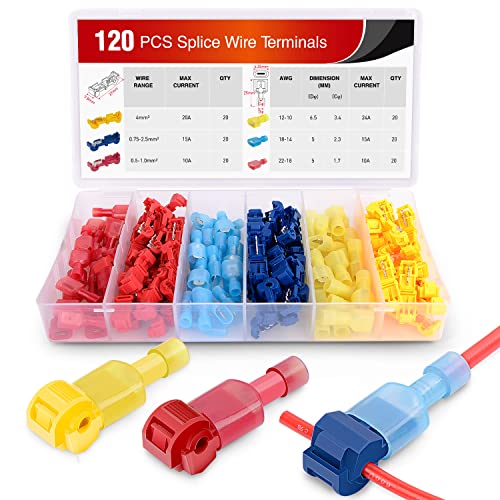
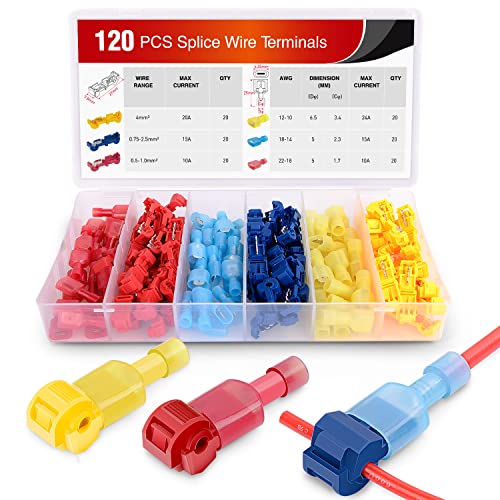
Credit: www.amazon.ca
Signs You Need A Replacement
Knowing when to replace a circuit breaker can save you from unexpected power outages and potential safety hazards. Paying attention to warning signs helps you act before minor issues turn into costly repairs or dangerous situations. Here are some clear indicators that your circuit breaker might need a replacement.
Frequent Trips
If your circuit breaker trips often, it’s a strong signal that something’s wrong. This could mean the breaker is overloaded or failing to handle the electrical load properly. Have you noticed your lights flickering or appliances shutting off unexpectedly? These interruptions suggest the breaker isn’t protecting your home like it should.
Burning Smell
Smelling something like burning plastic or rubber near your electrical panel is a red flag you shouldn’t ignore. This odor often comes from overheated breakers or wiring, indicating serious electrical problems. If you detect this smell, it’s best to turn off the main power and call a professional immediately to avoid fire risks.
Visible Damage
Physical signs of damage on your circuit breaker are hard to miss. Look for cracks, scorch marks, or melted parts on the breaker or panel. Such damage means the breaker has been compromised and can’t function safely. If you spot any of these issues, replacing the breaker is the safest option to protect your home.
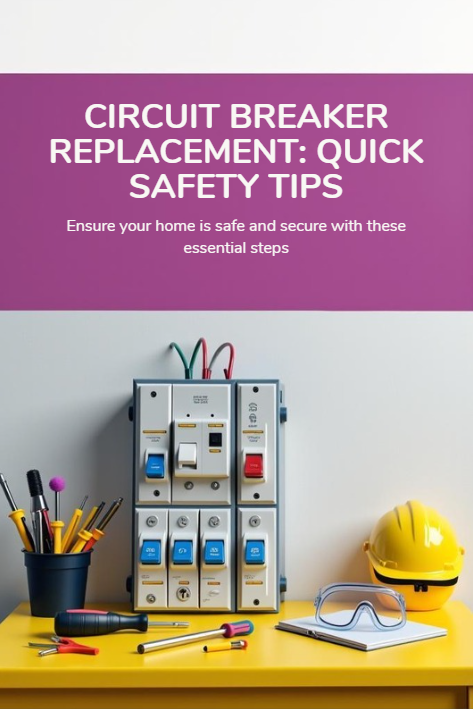
Credit: albertabreaker.net
Choosing The Right Circuit Breaker
Choosing the right circuit breaker is crucial for keeping your home safe and your electrical system running smoothly. Picking the wrong breaker can lead to frequent trips, damage to appliances, or even fire hazards. Understanding key factors like amperage, voltage, breaker types, and panel compatibility will help you make the best choice for your needs.
Matching Amperage And Voltage
Every circuit breaker is rated for a specific amperage and voltage. Using a breaker with a higher amperage than your wiring can handle risks overheating and fires. Conversely, a breaker with too low an amperage will trip constantly, causing frustration and interruptions.
Check the label on your existing breaker or wiring for amperage ratings like 15A, 20A, or 30A. Voltage ratings are typically 120V or 240V for most residential circuits. Always match these ratings exactly to ensure safety and proper function.
Types Of Breakers
There are several types of circuit breakers to choose from, each designed for specific applications.
- Standard Breakers: Most common for general household circuits like lighting and outlets.
- GFCI Breakers: Protect against ground faults, essential for bathrooms, kitchens, and outdoor outlets.
- AFCI Breakers: Detect arc faults to prevent electrical fires, often required in bedrooms and living areas.
- Dual Function Breakers: Combine GFCI and AFCI protection for enhanced safety.
Choosing the right type depends on where the breaker will be installed and local electrical codes. Have you checked if your area requires GFCI or AFCI protection?
Compatibility With Panel
Not all breakers fit every electrical panel. Each panel brand and model has specific breaker designs and mounting systems.
Using an incompatible breaker can cause poor connections or unsafe conditions. Before buying, identify your panel’s make and model, usually found on the inside cover.
If unsure, bring the old breaker to the store or consult an electrician. This ensures you get a replacement that fits securely and performs as intended.
Preparing For Replacement
Preparing for a circuit breaker replacement is more than just a quick fix—it’s about setting yourself up for a smooth and safe process. Taking the time to prepare properly can prevent costly mistakes and keep you safe. Are you ready to dive into the essentials that will make your replacement straightforward and efficient?
Gathering Tools
Having the right tools before you start is crucial. You’ll typically need a screwdriver, a voltage tester, needle-nose pliers, and replacement breakers that match your panel’s specifications. Missing a tool midway can disrupt your workflow and increase frustration.
Think about your last project where you had to stop because something was missing. Wouldn’t it be better to avoid that hassle this time?
Turning Off Power
Turning off the main power supply is non-negotiable. This step ensures no electricity flows through the panel while you work, preventing shocks and accidents. Use a voltage tester to double-check that the power is truly off before touching anything.
Never assume the power is off; test it yourself. This quick check can save you from serious injury.
Safety Gear Essentials
Safety gear isn’t just for the professionals—it’s for anyone working with electricity. Wear insulated gloves, safety goggles, and closed-toe shoes to protect yourself. These simple items can make the difference between a minor incident and a serious one.
Have you ever underestimated a small risk and wished you had worn proper gear? Don’t let that happen here.
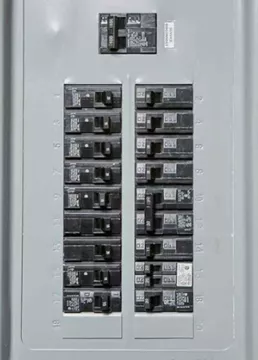
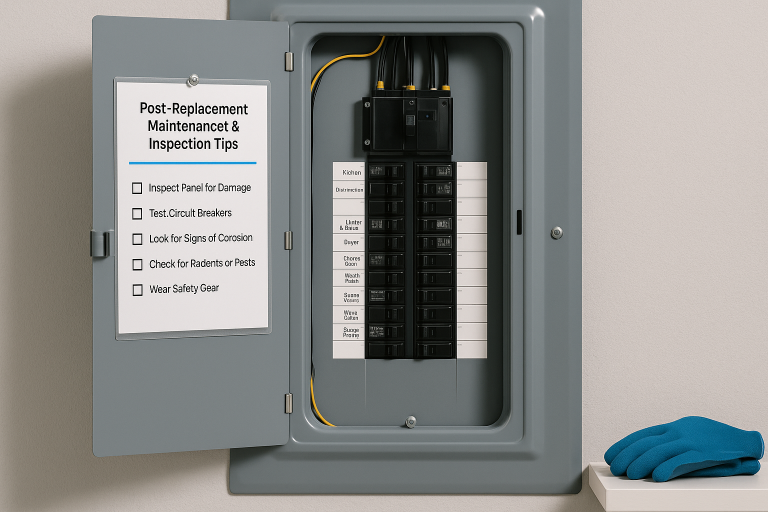
Credit: www.premium-electric.ca
Step-by-step Replacement Process
Replacing a circuit breaker is a straightforward process. It requires careful steps to ensure safety and functionality. Following the right steps helps avoid electrical issues and keeps your home secure.
Removing The Old Breaker
First, turn off the main power switch. This stops electricity from flowing through the panel. Use a screwdriver to remove the panel cover. Locate the breaker you need to replace. Gently pull the breaker out of its slot. Disconnect the wire attached to the breaker. Keep the wire in good condition for the new breaker.
Installing The New Breaker
Check the new breaker matches the old one’s size and type. Attach the wire securely to the new breaker’s terminal. Push the breaker firmly into its slot. Make sure it snaps into place. Replace the panel cover and tighten screws. Ensure no wires are loose or exposed.
Testing The New Installation
Turn on the main power switch. Flip the new breaker to the “on” position. Check if the connected devices work properly. Use a voltage tester to confirm power flow. Watch for any unusual sounds or smells. Switch off the breaker and panel if problems occur. Otherwise, your replacement is complete and safe.
Common Mistakes To Avoid
Replacing a circuit breaker might seem simple, but small mistakes can cause big problems. Avoiding common errors keeps your home safe and your electrical system working well. Many issues arise from rushing or skipping important steps. Focus on safety and precision to prevent hazards and extra costs.
Ignoring Power Shutdown
Always turn off the main power before starting. Working on live circuits risks severe electric shock. Never skip this step, even if the breaker seems off. Use a voltage tester to confirm power is completely off. Safety depends on proper power shutdown.
Incorrect Breaker Size
Choose the right breaker size for your circuit. A breaker that is too large won’t protect wires properly. A breaker that is too small will trip often. Check the wire gauge and appliance requirements. Using the correct size ensures safe and reliable protection.
Loose Connections
Tighten all connections firmly but carefully. Loose wires can cause sparks, overheating, or fires. Check each terminal screw for secure fit. Inspect the wires for damage or corrosion. Proper connections keep the breaker and circuit stable and safe.
When To Call A Professional
Knowing when to call a professional for circuit breaker replacement can save you from costly mistakes and safety hazards. Some situations require specialized knowledge and tools that only a licensed electrician can provide. Recognizing these moments helps protect your home and ensures the job is done right.
Complex Electrical Panels
If your electrical panel looks like a maze of wires and unfamiliar components, it’s time to call a pro. Modern homes often have panels with multiple breakers, AFCI or GFCI breakers, and smart technology. Attempting to replace breakers without understanding these systems can cause malfunctions or even electrical fires.
Professionals know how to handle complicated panels safely. They can identify the correct breaker type and ensure it fits perfectly without disrupting your home’s electrical balance.
Unfamiliar With Electrical Work
Have you ever started a small electrical task only to realize it’s trickier than expected? If you don’t feel confident working with live wires or circuit breakers, don’t push your luck. Electrical work carries risks like shocks or damaging your home’s wiring.
Calling an electrician is the smart move if you’re unsure. They bring experience and the right tools to get the job done quickly and safely, preventing headaches down the road.
Persistent Issues
Are your breakers tripping repeatedly despite multiple resets? Persistent tripping may indicate deeper electrical problems like faulty wiring or overloaded circuits. Ignoring these signs can lead to bigger failures and endanger your property.
When breakers won’t behave, a professional’s diagnosis is crucial. They can trace the root cause and fix it properly, rather than just treating the symptom with another breaker replacement.
Frequently Asked Questions
What Signs Indicate A Circuit Breaker Needs Replacement?
Frequent tripping, burning smells, or visible damage signal replacement. These issues risk electrical hazards and inefficiency. Prompt replacement ensures safety and restores proper electrical function.
How Much Does Circuit Breaker Replacement Typically Cost?
Costs vary by breaker type and labor, usually between $100 and $250. Complex systems or multiple replacements increase expenses. Always get a professional estimate for accurate pricing.
Can I Replace A Circuit Breaker Myself Safely?
DIY replacement is risky without electrical experience. Incorrect handling can cause shocks or fires. Hiring a licensed electrician ensures safe, code-compliant installation and reliable performance.
How Long Does A Circuit Breaker Last Before Replacement?
Circuit breakers usually last 20-30 years but vary by usage and quality. Regular inspection helps identify wear early. Replace breakers showing signs of failure or frequent trips.
Conclusion
Replacing a circuit breaker keeps your home safe and electrical systems working. Old breakers can cause power problems or even fires. Regular checks help find issues early. Choose the right breaker for your home's needs. Hiring a professional ensures the job is done right and safely.
Don't wait for a problem to get worse. Taking action now protects your family and property. Simple steps make a big difference in electrical safety. Stay alert and keep your home powered smoothly.