

Is your circuit breaker constantly tripping, leaving you in the dark and worried about your home’s safety? You’re not alone.
Many homeowners face this frustrating issue and ask themselves, “Is it dangerous if circuit breaker keeps tripping?” It’s a valid concern that deserves attention. In this guide, we’ll unravel the mystery behind those frequent trips and explore whether they’re just a minor inconvenience or a serious warning sign you shouldn’t ignore.
By understanding the root causes, you can take proactive steps to protect your home’s electrical system and ensure safety. Stick around to discover the potential dangers and effective solutions that could save you from costly repairs and hazards.
Why Circuit Breakers Trip
Understanding why your circuit breaker keeps tripping is key to protecting your home and electrical devices. Circuit breakers are designed to cut off power when they detect unsafe electrical conditions. But what exactly causes them to trip? Let’s break down the most common reasons.
Overload Conditions
An overload happens when you use more electricity than your circuit can handle. Imagine plugging in a heater, a toaster, and a hairdryer all at once on the same circuit. The breaker senses the extra load and trips to prevent overheating and possible fire.
If you notice frequent trips during heavy appliance use, it’s a sign you might be pushing your circuit beyond its limit. Have you checked if your devices are evenly spread across different outlets? Balancing the load can often stop those annoying interruptions.
Short Circuits
A short circuit occurs when a hot wire touches a neutral or ground wire. This creates a sudden surge of electricity that the breaker quickly cuts off. It’s a more serious problem than an overload because it can cause sparks or even fires.
Think about the last time you saw a spark near an outlet or smelled burning plastic. These could be signs of a short circuit. If your breaker trips immediately after turning something on, this might be the cause and you should get it checked right away.
Ground Faults
Ground faults happen when electricity escapes the intended circuit path and flows directly to the ground. This often occurs in wet areas like bathrooms or kitchens where moisture can cause wires to touch grounded surfaces.
Ground fault circuit interrupters (GFCIs) are designed to detect this and trip the breaker. If your breaker trips when using an outlet near water, it’s protecting you from potential electric shock. Do you regularly test your GFCI outlets to ensure they’re working properly?
Common Causes Of Repeated Tripping
Repeated tripping of a circuit breaker signals a problem in the electrical system. This issue can cause inconvenience and sometimes safety risks. Understanding the common causes helps address the problem quickly and safely.
Faulty Appliances
Appliances with defects can draw too much power. They cause the circuit breaker to trip repeatedly. Common faulty appliances include heaters, refrigerators, and air conditioners. These devices might have internal wiring issues or damaged components.
Using damaged appliances increases the risk of electric shock. It also raises the chance of fire hazards. Replacing or repairing faulty appliances is crucial for safety and preventing frequent trips.
Wiring Issues
Old or damaged wiring often leads to repeated trips. Wires can wear out, become loose, or get exposed. These problems create short circuits or overloads. Poor wiring connections or improper installations also trigger the breaker.
Wiring problems can cause sparks or electrical fires. They demand immediate attention from a qualified electrician. Regular electrical inspections help spot wiring faults early and keep the system safe.
Circuit Breaker Malfunction
Sometimes the circuit breaker itself is the problem. Breakers can wear out or become faulty over time. A malfunctioning breaker trips even without electrical faults. It may fail to reset or trip too easily.
Replacing a faulty breaker restores proper protection. Continuing to use a bad breaker risks electrical damage and hazards. Professional testing determines if the breaker needs replacement.
Risks Of Ignoring Frequent Trips
Ignoring frequent circuit breaker trips can lead to serious problems. These repeated trips signal underlying electrical issues that demand attention. Neglecting these warnings risks safety and property. The potential dangers grow with time and neglect.
Fire Hazards
Frequent trips often mean wires are overheating. Overheated wires can ignite nearby materials. This can cause dangerous electrical fires. Fire damage spreads quickly and threatens lives. Early repair reduces the risk of fire significantly.
Electrical Shocks
Faulty circuits increase the chance of electric shocks. Shocks can cause severe injuries or even death. Broken breakers fail to stop electrical surges. This leaves people exposed to live wires. Fixing issues promptly protects everyone in the home.
Damage To Appliances
Repeated power surges harm electronic devices. Appliances may stop working or break down. Repairs or replacements become costly over time. Circuit breakers protect appliances from electrical damage. Ignoring trips leads to frequent appliance failures.
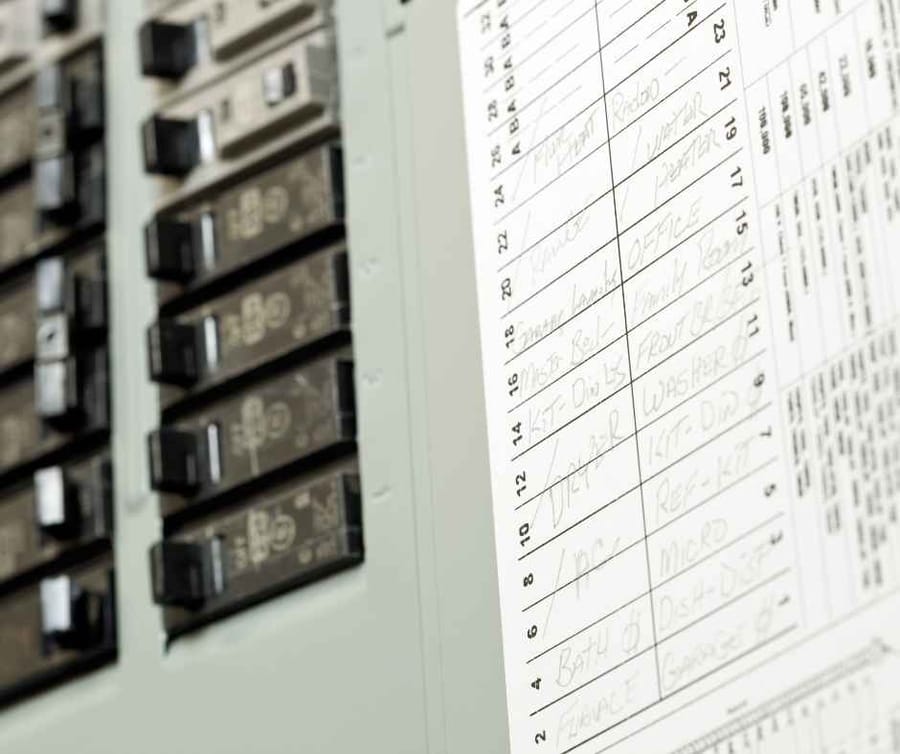
Credit: thewirenut.com
When To Call An Electrician
Knowing when to call an electrician is important if your circuit breaker keeps tripping. Persistent tripping can signal hidden electrical issues that need expert attention. Delaying a professional visit may increase risks like electrical fires or damage to your home’s wiring. Understanding the signs and safety steps helps protect your home and family.
Signs Of Serious Problems
- Frequent breaker trips without obvious cause
- Burning smell near outlets or breaker panel
- Visible sparks or smoke from electrical devices
- Breaker panel feels hot to touch
- Lights flicker or dim during use
- Buzzing or crackling sounds from outlets or switches
- Breaker won’t reset after tripping
Safety Precautions To Take
- Turn off main power if breakers trip repeatedly
- Unplug appliances on affected circuits
- Do not touch breaker panel if it feels hot
- Keep children and pets away from electrical areas
- Use a flashlight instead of candles during power loss
- Call an electrician promptly for inspection and repair
Preventing Circuit Breaker Trips
Preventing circuit breaker trips is essential to keep your home safe and your electrical devices running smoothly. Frequent trips can signal underlying issues that may lead to damage or hazards if ignored. Taking proactive steps can help you avoid these disruptions and protect your electrical system.
Proper Load Distribution
Overloading a single circuit is a common cause of breaker trips. You can prevent this by spreading out your electrical devices across different circuits.
- Identify high-power appliances like heaters, air conditioners, or microwaves.
- Avoid plugging multiple heavy devices into one outlet or power strip.
- Use dedicated circuits for large appliances whenever possible.
Think about how many devices you regularly use at once. Could rearranging them reduce the load on one breaker?
Regular Electrical Maintenance
Ignoring your electrical system invites trouble. Regular inspections can catch wear, corrosion, or loose connections before they cause trips.
- Schedule a professional electrician to check your wiring annually.
- Look out for signs like flickering lights or warm outlets.
- Replace old or damaged breakers promptly.
Have you noticed any unusual electrical behavior lately? Addressing it early can save you from bigger problems.
Upgrading Electrical Systems
Older electrical setups often struggle to handle modern power demands. Upgrading your system can provide more capacity and enhance safety.
- Consider installing breakers with higher ratings if your load justifies it.
- Replace outdated panels that can’t support your current appliances.
- Add new circuits to separate heavy loads and improve distribution.
Does your home’s electrical system feel outdated? Investing in an upgrade might prevent frequent trips and improve reliability.
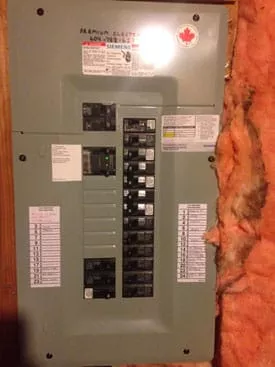
Credit: www.premium-electric.ca

Credit: maxelectric.us
Frequently Asked Questions
Why Does A Circuit Breaker Keep Tripping?
A circuit breaker trips to prevent electrical overload or short circuits. Frequent tripping indicates faulty wiring, damaged appliances, or an overloaded circuit that needs immediate inspection and repair.
Is It Dangerous If A Breaker Keeps Tripping?
Yes, frequent breaker trips can signal serious electrical issues. Ignoring it risks electrical fires, shocks, or damage to appliances. Always address the cause promptly.
How Can I Fix A Circuit Breaker That Keeps Tripping?
First, unplug devices on the circuit. Reset the breaker and monitor. If it trips again, call a licensed electrician to inspect and repair the issue safely.
Can Old Circuit Breakers Cause Frequent Tripping?
Yes, aging breakers may weaken and trip often. They can fail to handle normal loads, requiring replacement to ensure electrical safety and consistent performance.
Conclusion
A circuit breaker that keeps tripping signals a problem. It can cause safety risks like electrical fires or shocks. Ignoring it may lead to serious damage or injury. Fixing the issue quickly protects your home and family. Call a qualified electrician to check your wiring and devices.
Stay safe by paying attention to these warning signs. Don’t wait until it becomes dangerous. Small problems can turn into big ones fast. Keep your electrical system working properly for peace of mind.