
Are you staring at a pile of furniture parts, feeling overwhelmed and unsure where to start? You’re not alone.
Putting together furniture can be tricky, especially without clear instructions. That’s why having a simple, step-by-step assembly manual is a game-changer. It saves you time, reduces frustration, and makes the whole process smoother. You’ll discover how the right assembly manual can turn a confusing task into an easy and even enjoyable experience.
Keep reading, and you’ll find tips and tricks that help you build your furniture like a pro.

Credit: www.fiverr.com
Choosing The Right Tools
Choosing the right tools can make or break your furniture assembly experience. Having the proper equipment not only speeds up the process but also prevents mistakes that could damage your furniture. Think about your last project—did you struggle because you lacked a simple tool? That’s exactly why this step deserves your full attention.
Essential Tools Checklist
Start with a basic set of tools that cover most assembly tasks. These include:
- Screwdrivers:Both flathead and Phillips to handle various screws.
- Hammer:Useful for tapping dowels or small nails into place.
- Allen wrenches:Often provided, but having a full set helps with different sizes.
- Measuring tape:Ensures parts align perfectly and fit your space.
- Utility knife:Handy for opening packages or trimming edges.
These tools form the foundation of your assembly kit and will save you from frustrating trips to the hardware store mid-project.
Optional Tools For Efficiency
Once you have the essentials, consider adding tools that speed up the process or improve precision.
- Electric screwdriver or drill:Cuts down manual effort and time, especially with many screws.
- Rubber mallet:Offers gentle force without damaging surfaces when fitting pieces together.
- Clamps:Keep parts steady so you can work hands-free and more accurately.
- Level:Guarantees your furniture sits straight, avoiding wobbling after assembly.
Investing in these tools can transform your assembly from a chore into a smooth, even enjoyable task. Are you ready to upgrade your toolkit and see the difference it makes?
Preparing Your Workspace
Preparing your workspace is key to smooth furniture assembly. A tidy, well-lit area helps you find tools fast. It also reduces mistakes and speeds up the process. Clear space allows easy movement and prevents damage to parts. Safety improves when your area is organized and bright. Set up your spot before unpacking the parts and tools. This saves time and keeps frustration away.
Clearing And Organizing The Area
Start by removing clutter from your workspace. Move furniture or objects that block your work zone. Use a clean, flat surface like a table or floor space. Lay out all parts and tools neatly. Group similar items together for quick access. Keep small pieces in containers or bowls to avoid loss. This order helps you focus and work faster.
Lighting And Safety Tips
Good lighting is crucial for clear visibility. Use bright, natural light or a strong lamp. Avoid shadows that can hide small parts or instructions. Wear comfortable clothes and avoid loose sleeves. Keep your tools in good condition and handle them carefully. Have a first aid kit nearby just in case. Take breaks to avoid strain and stay alert.
Identifying Furniture Parts
Clear identification of furniture parts makes assembly easier and faster. Each piece is labeled to match the manual’s instructions. Understanding these parts helps avoid mistakes and ensures proper construction.
Identifying Furniture Parts is a crucial step in the assembly process that often gets overlooked. Imagine the frustration of getting halfway through a project only to realize you've used the wrong part. By familiarizing yourself with each component, you can avoid this common pitfall. Understanding the importance of Identifying Furniture Parts not only saves time but also ensures the stability of your finished product. This step sets the foundation for a smooth assembly experience.
Sorting Components
Start by laying out all the parts on a flat surface. This gives you a clear view of what you have and what might be missing. Use a checklist, often provided in the manual, to match each part to its description. Grouping similar items together, such as all wooden panels or metal bars, can help streamline the process. Ensure that each piece is visible and not stacked; this prevents confusion later on. Label each group if necessary, especially if the parts are visually similar. Sticky notes or masking tape can be handy tools for this task.
Checking Hardware And Accessories
Next, focus on the hardware and accessories included in your furniture kit. These often include screws, bolts, and various fasteners. Count each item to ensure you have the correct quantity as listed in the manual. Inspect each piece for any defects or irregularities. A misshapen screw can cause issues during assembly, so it's best to replace it immediately. Organize these smaller components in a container or a segmented tray. This prevents them from rolling away or getting lost amidst larger parts. By taking the time to carefully sort and check each part, you set yourself up for an efficient and frustration-free assembly process. Have you ever found yourself halfway through a project, only to realize you're missing a crucial piece? Identifying and organizing your furniture parts can help you avoid this all-too-common scenario.
Credit: images.thdstatic.com
Reading The Assembly Instructions
Reading the assembly instructions carefully can save time and avoid mistakes. These manuals guide you through the furniture setup. They often include text, diagrams, and symbols to explain each step clearly. Understanding these elements helps build the furniture correctly and safely.
Decoding Diagrams And Symbols
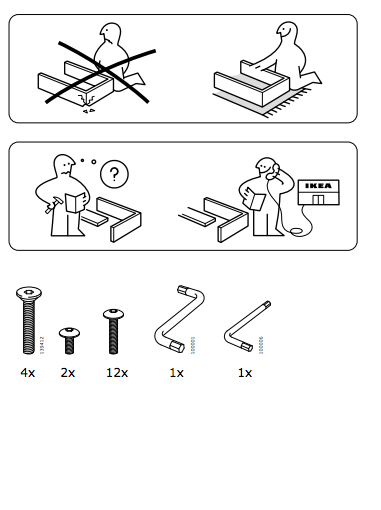
Diagrams show the furniture parts and how they fit together. They often use simple shapes and lines. Look for numbers or letters that match the parts you have. Symbols indicate tools needed or warnings. For example, a screwdriver icon means you need that tool. Pay attention to arrows showing movement or placement. Taking time to understand these visuals makes assembly easier.
Following Step Sequences
Steps must be done in the order given. Skipping or mixing steps can cause problems. Each step builds on the previous one. Read each instruction fully before starting. Use the list of parts to check what you need. Work slowly and carefully. Stop if something does not fit or look right. Going step-by-step ensures a smooth assembly process.
Step-by-step Assembly Process
Assembling furniture can seem tricky at first. A clear and simple process makes it easier. Follow the steps carefully. This approach saves time and avoids mistakes. The assembly process breaks down into four main tasks. Each step builds on the previous one. Focus on one task at a time for the best results.
Building The Frame
Start by identifying all frame parts. Lay them out on a clean surface. Check for any defects or missing pieces. Connect the frame pieces using the provided screws or bolts. Use a screwdriver or wrench as needed. Make sure corners are square and tight. A strong frame supports the entire furniture.
Attaching Panels And Surfaces
Next, attach the panels and surfaces to the frame. Align them carefully to avoid gaps. Use dowels, screws, or clips depending on the design. Press panels firmly into place before securing. Double-check alignment before tightening all fasteners. Smooth surfaces add to the furniture’s appearance and function.
Securing Hardware
Hardware includes handles, hinges, and brackets. Identify each piece and match it to the instructions. Attach hardware firmly to prevent wobbling or loosening. Use the right tools for screws and bolts. Test moving parts like doors or drawers for smooth operation. Proper hardware installation ensures durability.
Final Adjustments
Inspect the furniture once fully assembled. Tighten any loose screws or bolts. Adjust doors or drawers for perfect fit and alignment. Clean off any dust or fingerprints. Place the furniture in its intended spot. Enjoy the satisfaction of a job well done.
Troubleshooting Common Issues
Troubleshooting common issues during furniture assembly can save you time and frustration. Even the clearest manual can leave you puzzled at times. Understanding how to tackle problems like misaligned parts or missing pieces ensures your project stays on track and your furniture feels solid and secure.
Misaligned Parts
Misaligned parts can throw off the entire assembly process. If you notice holes or edges not matching up, double-check the part numbers and orientation. Sometimes flipping a piece the wrong way is the culprit.
Try loosening nearby screws slightly before adjusting the pieces. This often gives you enough wiggle room to realign without forcing anything. Ask yourself: is the part labeled correctly, or could it belong to another section?
Missing Or Extra Pieces
Finding a missing piece mid-assembly is frustrating but not unusual. Before panicking, carefully review the parts list in your manual and check every compartment of the packaging. Often, tiny screws or dowels hide in plastic bags or corners.
If a piece truly is missing, contact the manufacturer with your order details for a replacement. On the flip side, extra pieces usually mean spares—hold on to them for future repairs or lost parts. Have you ever found extra screws and wondered if you missed a step?
Tightening And Stability
Proper tightening is key to furniture stability. Screws that are too loose make your furniture wobbly, while overtightening can strip threads or crack wood. Use a moderate, steady force to avoid damage.
Test stability by gently shaking the item after assembly. If it feels unstable, revisit the joints and retighten in a cross pattern to distribute pressure evenly. Remember, patience here pays off in safety and durability.
Maintaining Assembled Furniture
Maintaining assembled furniture keeps it looking good and working well for years. Regular care prevents damage and extends the life of your pieces. Simple habits protect the structure and appearance of your furniture.
Cleaning Tips
Use a soft cloth to dust furniture often. Avoid harsh cleaners that can damage surfaces. Mild soap and water work well for most materials. Wipe spills immediately to stop stains and water marks.
- Use a damp cloth, not soaking wet.
- Dry the furniture after cleaning.
- Test new cleaners on a small hidden area first.
- Polish wood occasionally to keep it shiny.
Periodic Checks And Repairs
Check screws and bolts regularly to keep furniture stable. Tighten loose parts to avoid wobbling or damage. Look for cracks or splits in wood and fix them early. Replace broken parts quickly to prevent bigger problems.
- Inspect joints and connections every few months.
- Use a screwdriver to tighten screws carefully.
- Use wood glue for small cracks or splits.
- Keep an eye on moving parts like drawers and hinges.

Credit: www.fiverr.com
Frequently Asked Questions
What Is An Assembly Manual For Furniture?
An assembly manual guides users step-by-step to build furniture correctly. It includes diagrams, tools needed, and instructions for smooth assembly.
Why Are Assembly Manuals Important For Furniture?
Assembly manuals prevent mistakes, save time, and ensure safety. They help users understand parts and proper assembly sequences clearly.
How To Read An Assembly Manual Effectively?
Start by reviewing all parts and tools. Follow each step carefully, referring to diagrams. Avoid rushing to prevent errors.
What Common Tools Are Needed For Furniture Assembly?
Common tools include screwdrivers, Allen keys, hammers, and wrenches. Manuals usually specify the exact tools required for each piece.
Conclusion
Following an assembly manual makes building furniture clear and simple. Step-by-step instructions help avoid mistakes. Take time to organize parts before starting. Use the right tools for each task. Patience and focus lead to better results. Enjoy the process of creating your own furniture.
A well-assembled piece lasts longer and looks great. Keep the manual for future reference or repairs. Assembly becomes easier with practice and care. You can build furniture confidently with these tips.