

Why Use Spacers in Mechanical Parts for Better Performance
Mechanical parts require care. You might think spacers just fill small gaps. They actually do much more. Correct spacer use saves valuable time. It prevents serious machine damage. It improves overall performance. Your projects will run smoothly. They will last much longer too. Learn why these small parts matter. They change your mechanical work completely.
Purpose Of Spacers
Spacers help mechanical parts fit well. They keep components working right. Their main job is creating correct distances. This space helps machines run smoothly. It extends machine life. Spacers stop parts from rubbing together. They prevent pieces from shifting around. Good spacing improves machine design.
Maintaining Precise Gaps
Spacers maintain exact gaps between parts. These gaps stop unwanted contact. Proper spacing lets parts move freely. It removes harmful friction. Spacers also control fluid flow. They manage air flow in machines. Parts become too loose without them. They can also become too tight. Both issues cause major failures.
Reducing Wear And Tear
Spacers stop direct contact between parts. This action lowers friction. Less friction means less wear. Spacers extend the lifespan of components. They absorb harsh vibrations. They protect parts from heavy shocks. You will face fewer repairs. You save money on replacements.
Improving Alignment
Spacers align mechanical parts correctly. Proper alignment ensures smooth operation. Crooked parts cause loud noises. They create bad vibrations. They cause severe damage. Spacers hold components in place. Your machines run quietly. They work efficiently for years.
Types Of Spacers
Spacers help assemble mechanical systems. They create exact gaps. This ensures smooth operations. Different types fit different jobs. They provide excellent design flexibility. Here are the main types.
Solid Spacers
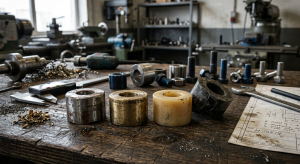
Makers build solid spacers from one piece. People use them for fixed gaps. These parts offer high stability. They resist heavy pressure well. You can find metal options. Plastic and nylon choices exist too. Their simple design ensures reliability. They work well in many industries.
Threaded Spacers
Threaded spacers contain screw paths. They secure components with bolts. These parts provide great support. They also act as fasteners. Workers use them in electronics. The automotive industry needs them. Heavy machinery uses them often. They connect parts safely. They maintain exact distances.
Shoulder Spacers
Shoulder spacers use a stepped design. One section fits into holes. The other section sets the space. This design ensures accurate alignment. It fixes the position of parts. These work best for moving joints. They support pivoting actions. They stop side-to-side shifting. They create great stability.
Material Choices
Spacer materials affect machine performance. The material must match your project. It must handle stress. It must resist high temperatures. It must survive daily wear. Each material offers unique benefits. Learn the options to choose well.
Metal Spacers
Metal spacers offer great strength. They handle high pressure easily. They survive extreme heat. Common metals include steel and aluminum. Builders use brass too. Steel resists tough wear. It stops rust formation. Aluminum options are lightweight. Brass offers good electrical pathing. Metal suits heavy-duty work.
Plastic Spacers
Plastic spacers are very light. They resist rust completely. They cost less money. Common plastics include nylon and PVC. Polyethylene is also popular. Nylon offers good strength. It resists daily wear. PVC resists wet moisture. It stops chemical damage. Use plastic for low loads.
Composite Spacers
Composite spacers mix different materials. They offer better overall performance. They combine strength with lightness. They resist rust well. Fiberglass types handle high heat. They resist chemicals easily. Carbon fiber types are very strong. They weigh very little. Use them for durable setups.
Applications In Mechanical Systems
Spacers serve many mechanical systems. They provide precise distances. They maintain straight alignment. They reduce component wear. They boost total performance. Choosing the right type avoids problems.
Automotive Uses
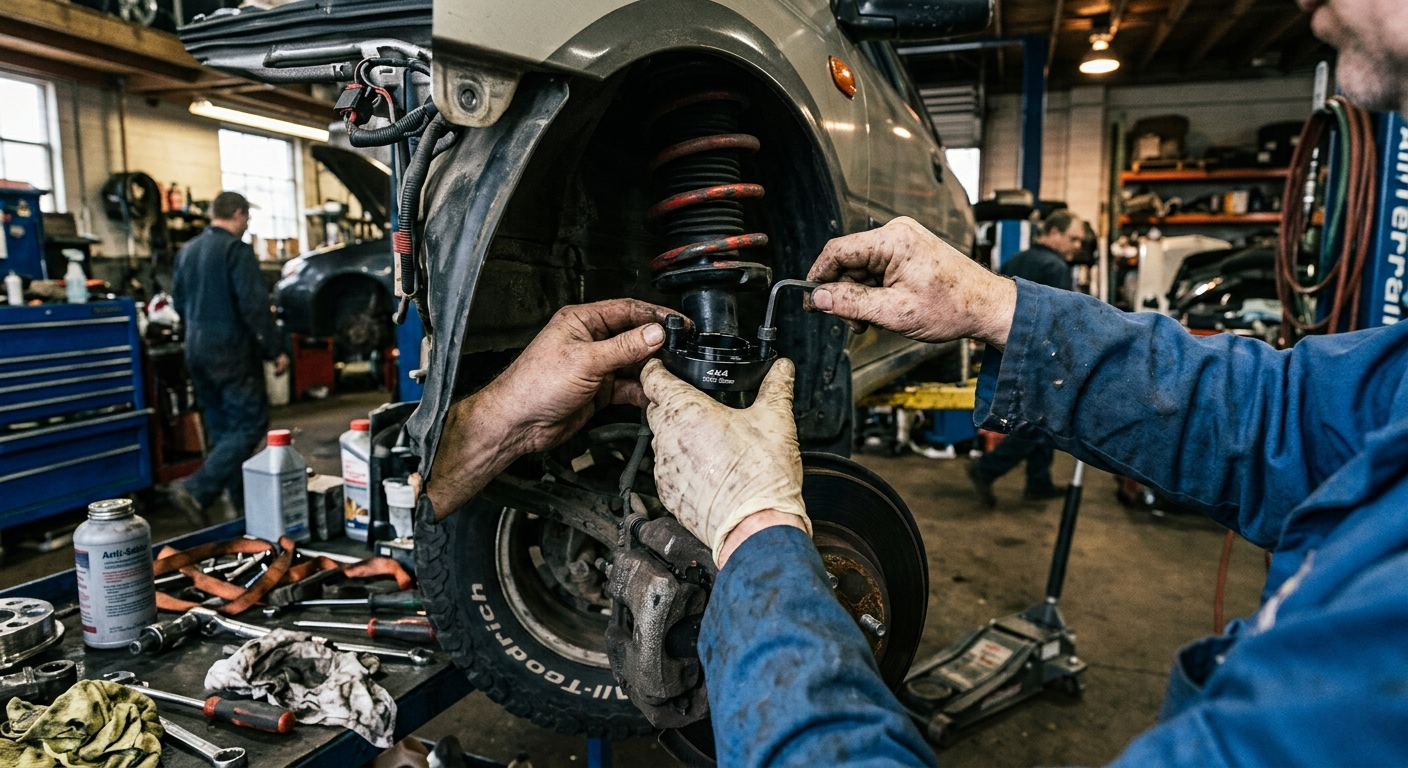
Cars use spacers for alignment. They fix brake rotors. They adjust suspension parts. Spacers stop metal rubbing. Rubbing causes loud noise. It creates fast wear. Missing spacers cause bad vibrations. They cause uneven tire wear. Correct thickness ensures safety. It keeps rides smooth.
Industrial Machinery
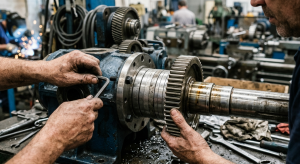
Factory machines handle heavy loads. They move constantly. Spacers absorb harsh shocks. They keep gaps exact. They protect gears and shafts. Without spacers, parts grind together. This creates costly breakdowns. Check your spacers during maintenance.
Electronics Assembly
Electronics require careful spacing. Spacers separate circuit boards. They stop short circuits. They prevent dangerous overheating. Spacers add vital stability. Nylon and metal work best. The material affects heat flow. It affects electrical insulation. Choose matching materials for devices.
Benefits Of Using Spacers
Spacers offer major benefits. They improve machine function. They extend machine lifespan. Spacers make repairs easy. They allow fast adjustments. They lower long-term costs.
Enhanced Durability
Spacers protect delicate parts. They stop direct rubbing. They lower friction levels. This reduces breakdown risks. Machines last much longer. Spacers keep parts stable.
Simplified Maintenance
Spacers create open gaps. This makes cleaning easy. Inspection becomes very simple. Mechanics remove parts safely. They do not damage nearby pieces. Repairs take less time. Spacers allow quick adjustments.
Cost Efficiency
Spacers stop early wear. This reduces replacement needs. Machines run smoothly always. They save valuable energy. Total maintenance costs drop. Small spacer investments save money.
Installation Tips
Spacers ensure proper alignment. They protect mechanical function. Correct installation determines success. Follow these practical tips.
Choosing The Right Size
Correct size ensures performance. Measure your gap carefully. Verify dimensions before buying. Small mistakes cause failure. Consider the load capacity. Plastic suits light jobs. Metal handles heavy setups. Match properties to your needs.
Proper Placement
Seat the spacer securely. It must fit snugly. It should not wobble. Loose spacers cause vibrations. They cause uneven wear. Check alignment before tightening. Misaligned spacers create pressure. This damages your components. Take your time here.
Avoiding Common Mistakes
Do not over-tighten fasteners. This crushes soft spacers. Plastic and rubber crush easily. Tighten just enough for security. Do not reuse worn spacers. Inspect parts for cracks. Look for bad bends. Replace old components quickly. Follow all manufacturer guidelines.
Frequently Asked Questions
What are spacers used for?
Spacers create precise gaps. They align components correctly. They reduce friction. This improves machine performance.
How do they help assembly?
Spacers maintain tight gaps. They stop parts from rubbing. They stop misalignment. This creates smooth operations.
Can spacers prevent damage?
Yes. Spacers absorb harsh stress. They stop direct contact. This reduces heat buildup. It prevents operational damage.
What materials work best?
Makers use metal and plastic. Rubber is also common. Choice depends on load. Consider environment and insulation.
Conclusion
Spacers keep machines working well. They maintain alignment. They reduce wear. They boost total performance. Spacers prevent expensive damage. They extend part life. These tools offer great precision.
Choosing correct materials is vital. Proper sizes ensure safety. Spacers make machines run reliably. Quality spacers save money. They prevent unnecessary repairs. Prioritize proper spacing always.
