

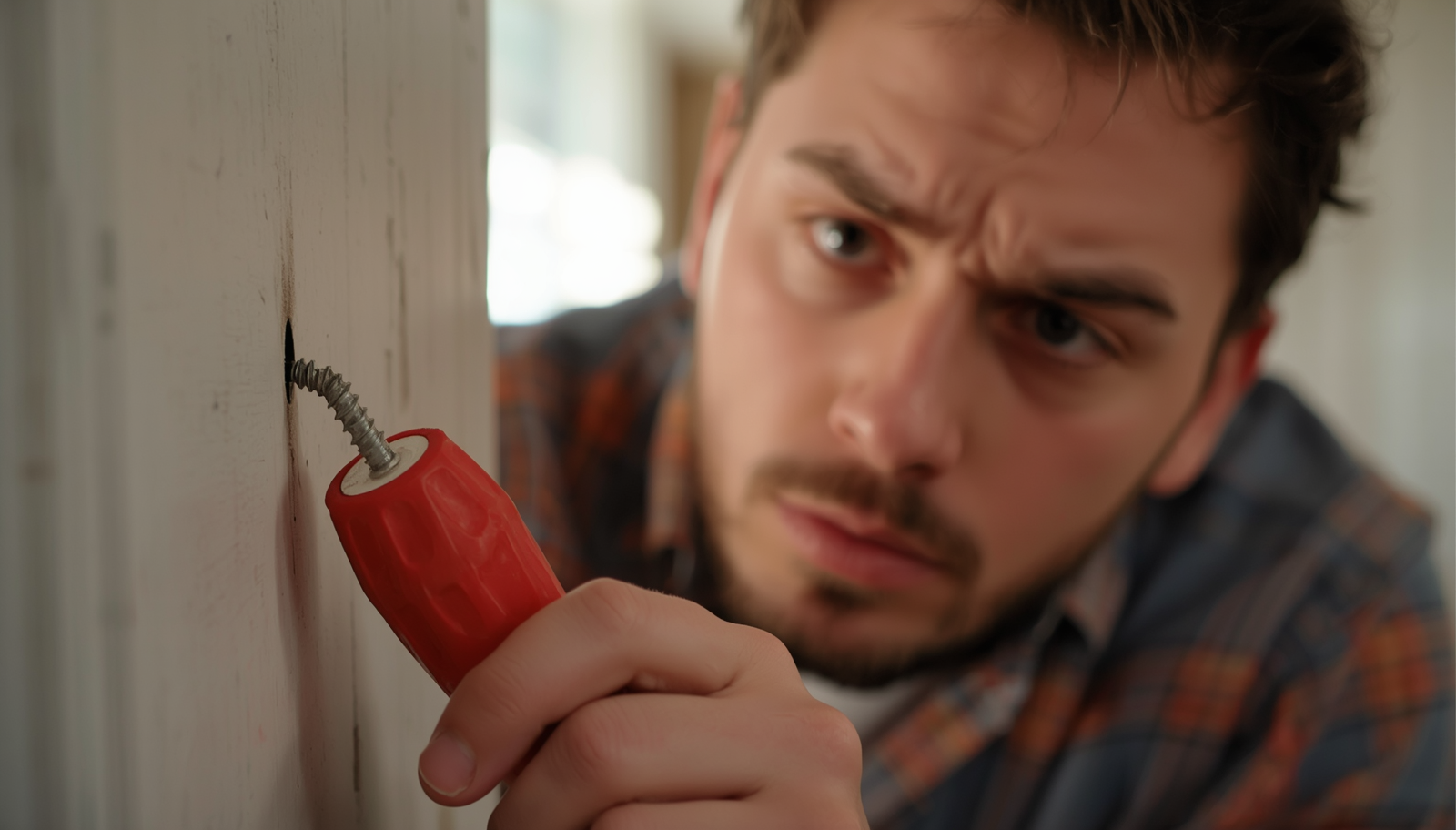
How to Open Screw Without Screwdriver: Clever Household Hacks and Safety Tips
Have you ever found yourself stuck trying to open something, only to realize you don’t have a screwdriver nearby? It’s frustrating when a simple task turns into a challenge because of missing tools.
But what if you could open that screw without a screwdriver? Imagine the confidence you’d gain, knowing you can handle this problem anytime, anywhere. You’ll discover easy and clever ways to open screws without the usual tool. Keep reading, and you’ll never feel helpless again when faced with a stubborn screw.
Tools To Use Instead Of Screwdrivers
Sometimes, you might find yourself needing to open a screw but don’t have a screwdriver handy. Luckily, everyday items can step in and save the day. These tools might surprise you with their effectiveness, offering simple solutions when you’re stuck.
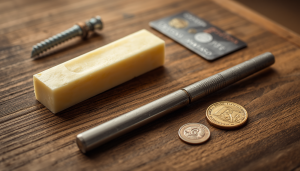
Using A Butter Knife
A butter knife can be a great alternative for flathead screws. Its flat edge fits into the screw slot nicely, allowing you to twist and loosen it. Just be sure to use a sturdy knife with a strong blade to avoid bending or breaking it during use.
When applying pressure, hold the knife firmly and turn slowly. Have you ever noticed how a butter knife’s wide surface gives you better grip than a tiny screwdriver? It’s a handy trick when you need extra leverage.
Employing A Coin
A coin, especially a larger one like a quarter or a two-euro coin, can work well for screws with wide, flat slots. The coin’s edge fits snugly into the groove, and you can twist it just like a screwdriver. It’s an easy fix when you’re in a pinch and don’t want to search for tools.
Try using the coin’s edge to turn the screw gently. The key is finding a coin that matches the screw size closely. Have you ever been surprised how small items in your pocket can become useful tools?
Utilizing A Credit Card
A credit card might not be the first thing you think of, but it can help with screws that aren’t too tight. Slide the edge of the card into the screw slot and twist carefully. It’s less effective for stubborn screws but can work for quick fixes.
Make sure the card is stiff and not too flexible. This method is perfect when you want to avoid damaging the screw or surrounding material. Next time you’re without a screwdriver, give your wallet a quick check—you might have a tool right there.
Household Items As Screwdrivers
Sometimes, you find yourself needing to open a screw but don’t have a screwdriver handy. Luckily, many common household items can step in and help you get the job done. These everyday tools often surprise us with their versatility, turning simple tasks into quick fixes.
Keys For Tight Screws
Keys can work surprisingly well as screwdrivers, especially for flathead screws. Their thin, flat edges fit snugly into the screw slot, giving you enough leverage to turn it. I once used a house key to tighten a loose cabinet handle when my screwdriver was out of reach, and it worked perfectly.
Try using a sturdy key with a flat tip rather than a decorative or fragile one. Make sure to apply steady pressure to avoid slipping or damaging the screw head. Do you have a spare key that’s no longer in use? It might just be your next emergency tool.
Paper Clips For Small Screws
Paper clips are excellent for tiny screws, like those found in eyeglasses or electronics. Straighten the clip and shape the end into a small flathead or even a makeshift Phillips head. This flexible tool can fit into tight spaces where regular screwdrivers can’t.
Keep a few paper clips in your toolbox or desk drawer for quick access. Their slim size makes them ideal for delicate jobs where precision matters most. Have you ever needed to fix something small without the right tool? Paper clips often save the day.
Rubber Bands For Extra Grip
If a screw is stuck or the head is stripped, a rubber band can give you extra grip to turn it. Place the rubber band flat over the screw head before using another tool, like a key or knife, to twist it. The rubber fills in the worn areas, preventing your tool from slipping.
Next time you struggle with a stubborn screw, grab a rubber band from your drawer. This simple trick can make a big difference in how easily you remove screws. What household item do you think would pair best with a rubber band for this job?
Techniques For Removing Screws
Removing a screw without a screwdriver can seem tricky. Various simple techniques help loosen or pull out screws using everyday tools. These methods work best on screws that are not deeply stuck or heavily rusted. Choose the right technique based on the tools available and screw type.
Tapping The Screw Head
Light tapping can loosen a stuck screw. Use a small hammer or a sturdy object to tap the screw head gently. This action helps break the grip between the screw threads and the material. Tap evenly around the screw head to avoid damage. After tapping, try turning the screw with your fingers or pliers.
Prying With A Knife Blade
A strong knife blade can work as a makeshift Screw tool. Insert the blade into the screw's slot carefully. Apply steady pressure while twisting the blade to turn the screw. Use caution to prevent slipping and injuring yourself. This method works best with flathead screws and shallow slots.
Using Pliers For Grip
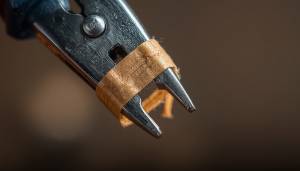
Pliers provide a strong grip on screw heads. Grip the screw firmly with needle-nose or locking pliers. Twist the pliers slowly to unscrew. This technique works well for screws with exposed heads or damaged slots. Pliers also help pull out screws after loosening them.
Safety Tips While Removing Screws
Removing screws without a Screw tool can be tricky, but safety should always come first. Ignoring basic precautions could lead to injuries or damage to your project. Here are some key safety tips that will help you protect yourself and your work while tackling this task.
Protecting Your Hands
Your hands are your most important tools during any DIY job. Wearing sturdy gloves can prevent cuts, scrapes, and blisters when using improvised tools like knives or pliers. If you don’t have gloves, at least ensure your hands are dry and free from grease to keep a firm grip and avoid slips.
Have you ever tried to pry a screw with a knife and ended up hurting your finger? Using the right hand positioning and controlled pressure can reduce that risk significantly.
Avoiding Damage To The Surface
Improvised screw removal often involves applying force near delicate surfaces. To keep your furniture or device scratch-free, place a thin piece of cardboard or cloth between the tool and the surface. This simple barrier protects paint, wood, or plastic finishes from unwanted marks.
Think about the last time you tried to remove a screw hastily and ended up with a dent or scratch. Taking a moment to shield the surface saves you from additional repairs later.
Working In A Well-lit Area
Good lighting makes all the difference when handling small screws and sharp tools. Working in a bright space helps you see the screw head clearly and position your tool accurately. This reduces mistakes and the chance of slipping, which could cause injury or damage.
If your workspace is dim, try bringing in a portable lamp or working near a window during daylight. Have you noticed how small details become much easier to manage with proper lighting?
When To Seek Professional Help
Knowing when to ask for professional help can save time and prevent damage. Some screw problems need expert tools and skills. Trying to fix them alone might cause more harm.
Stripped Screws
Stripped screws lose their grip and become hard to turn. Using the wrong tools can make them worse. Professionals have special tools to remove these screws safely. They avoid damage to the material around the screw.
Rusty Or Stuck Screws
Rusty screws often stick firmly in place. Pulling too hard can break the screw or damage the object. Experts use chemicals and tools to loosen rusted screws carefully. They know how to handle fragile parts without harm.
Delicate Or Valuable Items
Objects with delicate or high value need extra care. A wrong move can cause permanent damage. Professionals understand how to protect these items during screw removal. They work with precision to keep everything intact.
Frequently Asked Questions
How To Loosen A Screw Without A Screw tool?
Firmly grip the tool and turn counterclockwise.
What Household Items Can Replace A Screw tool?
Common household items like a coin, butter knife, or scissors can act as temporary screwdrivers. Use them cautiously.
Can You Remove A Screw With Pliers?
Yes, pliers can remove screws if the screw head is accessible. Grip the screw firmly and twist it out.
What Should I Do If The Screw Is Stuck?
Apply lubricant like WD-40 to loosen a stuck screw. Wait a few minutes, then try turning it with a tool.
Conclusion
Opening a screw without a screwdriver is possible with some simple tools. Using coins, knives, or keys can help turn the screw. Always be careful to avoid injury or damage. These methods work best for loose or flat screws. Keep trying different tools if one does not fit.
Practice makes the process easier and faster. Remember, safety comes first in every step you take. Now, you can handle small repairs even without a Screw tool nearby. Simple tricks save time and keep you prepared.
