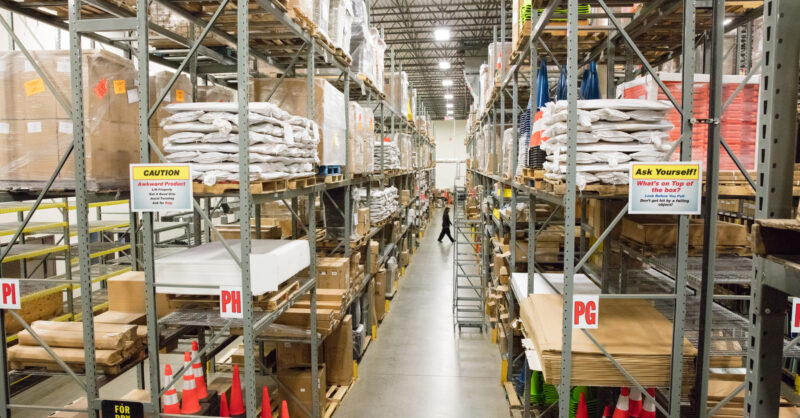
Are you staring at a pile of leftover supplies and wondering where to donate construction materials? Perhaps you've finished a home renovation, or you're a contractor with surplus items.
Either way, you're in the right place. Donating construction materials is not only a fantastic way to clear space, but it also supports communities in need and benefits the environment. Imagine turning your unused items into valuable resources for someone else's dream project.
Intrigued? Let's explore where to donate construction materials and how your contribution can make a significant impact. Keep reading to discover how you can be part of something bigger, all while decluttering your space!
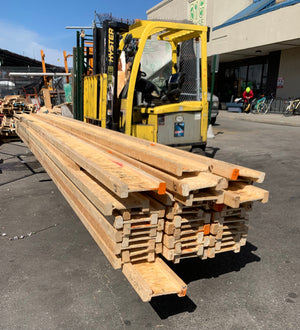
Credit: bigreuse.org
Benefits Of Donating Construction Materials
Donating construction materials offers more than just clearing out unused items. It creates a ripple effect that benefits the environment, communities, and even your finances. Understanding these benefits can inspire you to make donations a regular part of your building projects.
Environmental Impact
Unused construction materials often end up in landfills, contributing to pollution and waste. By donating these materials, you reduce landfill overflow and lower the demand for new resource extraction. This helps conserve natural resources and cuts down on greenhouse gas emissions from manufacturing and transportation.
Think about the last time you discarded leftover wood or tiles—could those materials have been used elsewhere? Your donation can help extend the life of quality materials and reduce environmental damage.
Supporting Community Growth
Donated materials often go to community projects, schools, shelters, or local nonprofits. This support helps improve public spaces and provides resources for people who might otherwise struggle to afford construction supplies. Your contribution can directly impact neighborhood revitalization and foster a sense of community pride.
Imagine helping a local shelter build safer housing or a community center get the repairs it needs—all through your donation. How might your materials change someone’s life or your neighborhood?
Economic Advantages
Donating construction materials can save you money on disposal fees and reduce your tax burden through possible deductions. It also benefits recipients by lowering their project costs, enabling more work to be done with limited budgets. This creates a win-win situation economically for both donors and recipients.
Have you considered how much you spend on waste removal? Donating materials can turn that expense into a financial advantage while supporting worthwhile causes.
Types Of Construction Materials To Donate
Donating construction materials helps reduce waste and supports communities. Many materials remain useful even after a project ends. Knowing which items to donate saves time and effort. This section covers common construction materials suitable for donation.
Lumber And Wood Products
Lumber is one of the most donated construction materials. Clean, untreated wood works best. Plywood, planks, and beams are useful. Scrap wood should be free from nails and rot. These materials can build homes and furniture.
Metal And Steel Supplies
Metal items like pipes, rods, and sheets have high value. Steel beams and rebar are often needed in projects. Make sure metal pieces are rust-free and safe to handle. They can be recycled or reused in construction.
Tools And Equipment
Donated tools help workers and volunteers complete tasks. Hand tools such as hammers, screwdrivers, and saws are popular. Power tools must be in good working order. Safety gear like helmets and gloves is also welcome.
Paints And Finishes
Leftover paint and finishes can brighten new buildings. Only donate unopened or slightly used cans. Ensure paints are non-toxic and stored properly. Sealants and varnishes in good condition are useful too.
Top Charities Accepting Construction Materials
Donating construction materials helps communities build safe and strong homes. Many charities accept these materials to support their projects. Choosing the right charity ensures your donation makes a real difference. Here are some top organizations that welcome construction materials donations.
Habitat For Humanity
Habitat for Humanity builds homes for families in need worldwide. They accept new and gently used materials like lumber, windows, and doors. Your donation helps reduce building costs and speeds up construction. They often run local ReStores where materials can be dropped off or picked up.
Rebuilding Together
Rebuilding Together renovates homes for low-income homeowners. They accept construction supplies including paint, tools, and hardware. Donated materials help them complete repairs and improve living conditions. Volunteers also benefit from having the right materials on hand.
Local Community Centers
Community centers sometimes run housing projects or workshops. They accept building materials for small construction or repair tasks. Donating locally supports neighbors and strengthens community ties. Contact centers directly to find out what materials they need most.
Salvage And Reuse Organizations
Salvage groups focus on rescuing used construction materials from landfills. They accept everything from cabinets to tiles and fixtures. These materials get cleaned and sold cheaply to builders and DIYers. Donating here promotes recycling and reduces waste.

Credit: www.habitatqc.org
How To Prepare Materials For Donation
Preparing construction materials for donation helps ensure they are useful and safe for others. Proper preparation increases the chance your materials find a new home quickly. Follow simple steps to sort, clean, package, and arrange delivery or drop-off.
Sorting And Cleaning
Sort materials by type and condition. Separate usable items from damaged or broken ones. Remove nails, screws, and debris. Clean dust and dirt off surfaces. Clean materials show respect and improve safety for users.
Packaging And Labeling
Package small items in sturdy boxes or containers. Bundle long items like pipes or wood with strong ties. Use clear tape to secure packaging. Label each package with its contents and condition. Clear labels help donation centers organize and distribute materials efficiently.
Scheduling Pickup Or Drop-off
Contact your chosen donation center to learn their process. Many accept drop-offs during specific hours. Some offer pickup services for large donations. Schedule a convenient time to avoid delays. Confirm any special instructions for delivery or pickup to ensure smooth handover.
Tax Benefits And Legal Considerations
Donating construction materials is not only a generous act but can also offer you meaningful tax advantages. Understanding the legal landscape and tax implications ensures you maximize benefits while staying compliant. Let’s break down the essentials you need to know before making your donation.
Documenting Donations
Keep detailed records of everything you donate. This means getting a receipt or written acknowledgment from the charity or organization receiving the materials.
Include specifics like the type of materials, quantity, condition, and estimated value. Without proper documentation, claiming any tax benefits becomes difficult or even impossible.
Have you ever donated items and later struggled to prove it? That’s why a clear paper trail matters. It protects you and supports your tax claim.
Understanding Tax Deductions
Donating construction materials can qualify as a charitable contribution, allowing you to reduce your taxable income. The key is knowing how to value these materials correctly.
The IRS generally requires you to use the fair market value, which is what a willing buyer would pay for the materials in their current state. Keep in mind that overestimating values can trigger audits.
Wondering if you can deduct the full purchase price? Usually, you deduct the current value, not what you originally paid. This distinction is crucial and can save you from costly errors.
Compliance With Donation Laws
Each region has rules governing what can be donated and how. Some materials might require special handling or certifications before donation.
Check local laws about hazardous substances and building codes to avoid legal trouble. Some items could be restricted or need approval from authorities.
Are you aware of the regulations for your area? Taking time to confirm legal compliance keeps your donation hassle-free and beneficial to both you and the recipient.
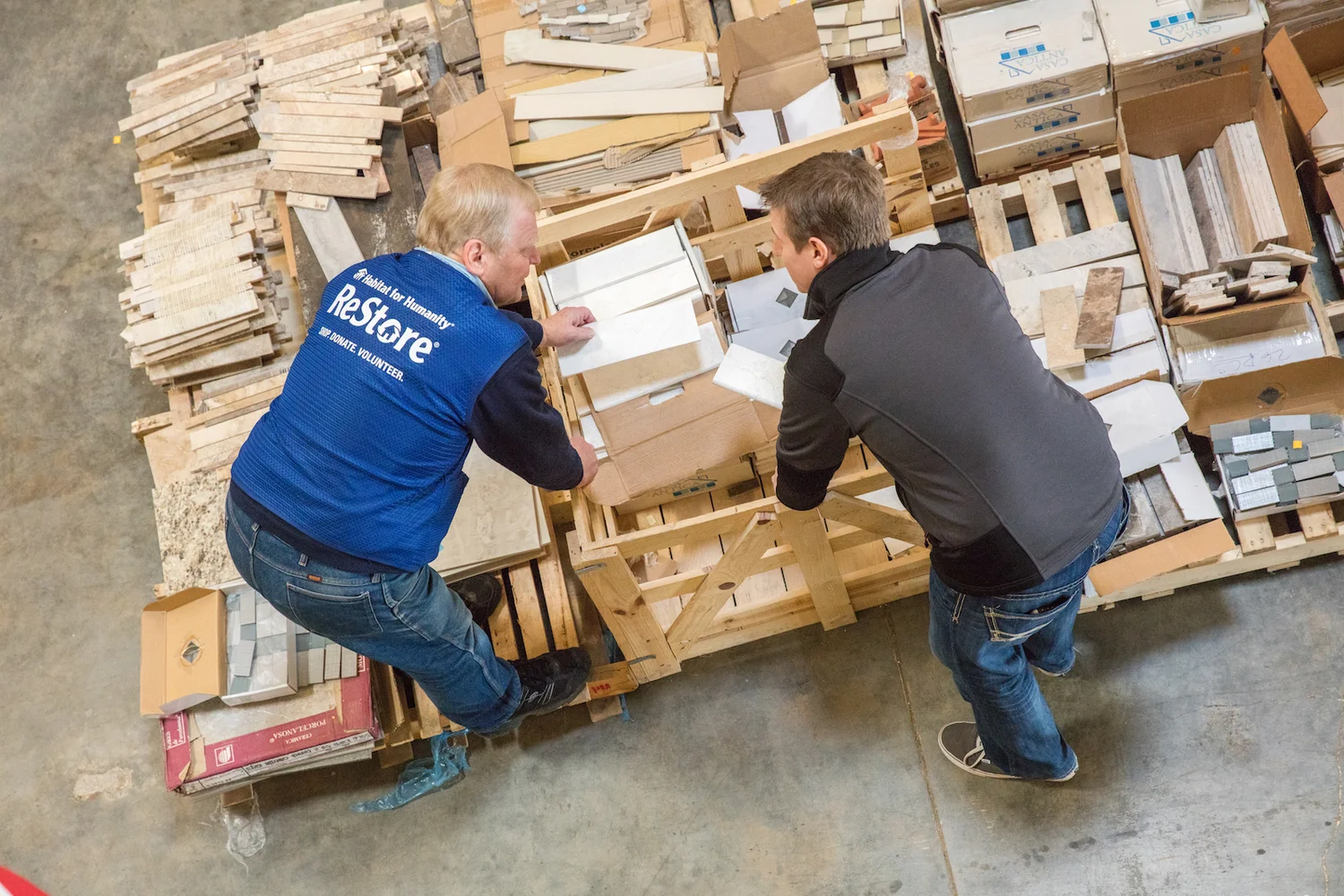
Credit: www.habitatgv.ca
Tips For Choosing The Right Charity
Finding the right charity to donate your construction materials can make a huge difference. Your donation can either create real value or end up unused. So, it’s important to choose carefully to ensure your materials reach those who truly need them.
Evaluating Charity Reputation
Start by researching the charity’s background. Check reviews and ratings on trusted platforms like Charity Navigator or GuideStar. Look for transparency in how they handle donations and their track record with past projects.
Have you ever donated something only to wonder if it made an impact? Avoid that feeling by selecting charities that openly share success stories and financial reports. This shows they value accountability and trust.
Checking Material Needs
Not every charity accepts all types of construction materials. Contact them directly to confirm what materials they currently need. This avoids sending items that might be unusable or create extra work for the organization.
Think about the logistics too. Some charities may only accept new materials, while others welcome gently used items. Asking these questions upfront saves your time and ensures your donation is practical and useful.
Assessing Donation Impact
Consider how the charity uses the materials. Do they build homes for families, support community projects, or help disaster relief efforts? Understanding this helps you see the real-world effects of your contribution.
Ask for examples of past projects supported by material donations. This insight can guide you to choose a charity whose mission aligns with your values and goals. What kind of change do you want your donation to create?
Frequently Asked Questions
Where Can I Donate Leftover Construction Materials?
You can donate leftover materials to local Habitat for Humanity stores. Many community centers and nonprofit organizations also accept these donations. Check with building material reuse centers or salvage yards near you for drop-off options.
Which Organizations Accept Construction Material Donations?
Habitat for Humanity, local shelters, and community improvement groups often accept donated construction materials. Some nonprofits specialize in recycling building supplies to help low-income families. Confirm specific needs and drop-off guidelines before donating.
How To Find Local Construction Material Donation Centers?
Search online for building material reuse centers or nonprofit organizations near your location. Use keywords like “construction material donation near me” or “building supply donation centers. ” Local government websites may also list donation options.
What Types Of Construction Materials Can Be Donated?
You can donate lumber, bricks, tiles, doors, windows, and unused hardware. Ensure materials are in good condition and safe to use. Some centers also accept paint, fixtures, and tools, but always check guidelines.
Conclusion
Donating construction materials helps communities and reduces waste. Many local charities and organizations accept these donations. You can also find shelters and schools that need building supplies. Donating saves resources and supports those in need. Choose a trusted place nearby or search online for options.
Small actions make a big difference. Start donating today and help build a better future.