

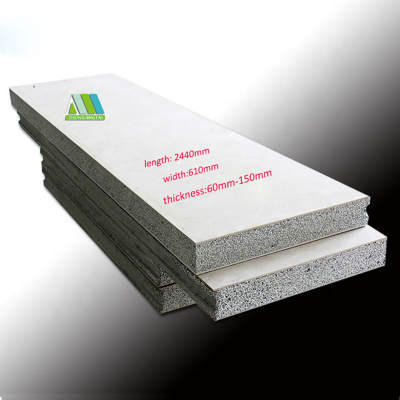
Are you looking to build smarter, faster, and more efficiently? Choosing the right materials can make all the difference.
Lightweight building materials are changing the way construction works—making your projects easier to handle, cutting down costs, and boosting energy efficiency. Imagine saving time and money while creating stronger, more sustainable structures. Curious how these materials can transform your next build?
Keep reading to discover the key benefits and options that could revolutionize your approach.
Benefits Of Lightweight Materials
Choosing lightweight building materials can transform your construction project in multiple ways. These materials not only improve efficiency but also cut down costs and labor. Understanding the benefits helps you make smarter decisions for your next build.
Reduced Structural Load
Lightweight materials put less strain on the building’s foundation and framework. This means you can use smaller beams and supports without compromising safety. Imagine being able to design taller or more open spaces without worrying about heavy loads weighing everything down.
By reducing the structural load, you also lower the risk of long-term damage and maintenance issues. This can save you money and headaches over the building’s lifespan.
Lower Transportation Costs
Transporting heavy materials often requires special equipment and more fuel, which raises expenses. Lightweight materials, on the other hand, are easier and cheaper to move. This can make a big difference, especially if your project is in a remote location or requires multiple deliveries.
Have you ever noticed how shipping costs can eat into your budget? Using lighter materials helps you avoid that problem and keeps your project on track financially.
Faster Installation Times
Working with lightweight materials speeds up installation because they are easier to handle. Your team can move faster, reducing labor hours and accelerating the overall timeline. This is crucial when you’re facing tight deadlines or want to start using the space sooner.
Plus, lighter materials often require less heavy machinery, making your site safer and more flexible. How much time could you save by cutting down installation days?
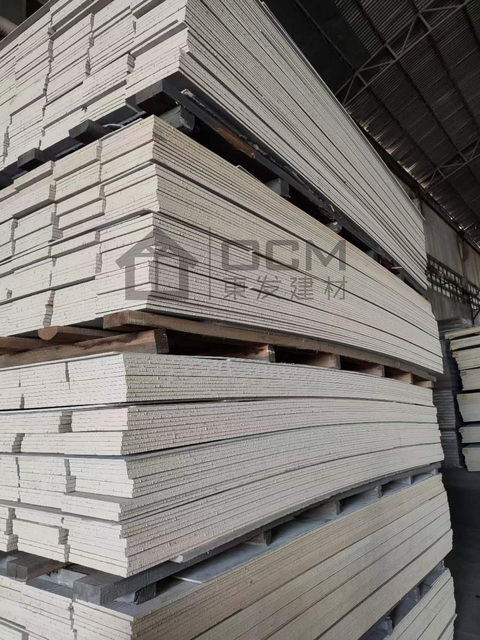
Credit: www.accio.com
Types Of Lightweight Materials
Lightweight building materials are changing how structures come together, offering ease and efficiency without sacrificing strength. Understanding the different types available can help you choose the right option for your project. Each material brings unique qualities that can impact cost, durability, and construction speed.
Aerated Concrete
Aerated concrete is a type of concrete mixed with air bubbles to reduce its weight. It offers good insulation and is easier to handle, making it popular for walls and blocks.
Because it’s lighter, you might find installation faster and less labor-intensive. Have you ever struggled lifting heavy blocks? Aerated concrete could save your back and your timeline.
Lightweight Steel
Lightweight steel provides excellent strength while being much lighter than traditional steel. It’s often used in framing and roofing, especially in areas prone to earthquakes or strong winds.
Its durability and resistance to pests make it a smart choice for long-lasting buildings. Could lighter steel help reduce foundation costs for your next project?
Engineered Wood Products
Engineered wood products like laminated veneer lumber (LVL) or cross-laminated timber (CLT) combine wood layers to create strong, lightweight panels. These materials are versatile and provide a sustainable option compared to steel or concrete.
They also allow for creative architectural designs due to their flexibility and strength. Are you ready to build something that’s both eco-friendly and structurally sound?
Composite Panels
Composite panels consist of two thin layers surrounding a lightweight core, often made from materials like foam or honeycomb structures. They offer high strength and excellent insulation with very low weight.
These panels speed up construction and reduce transportation costs. Could using composite panels make your building project more efficient and cost-effective?
Impact On Construction Efficiency
Lightweight building materials play a key role in boosting construction efficiency. They reduce the overall weight of structures, making handling and installation easier. This leads to faster progress and smoother workflows on site. Builders face fewer challenges moving and placing these materials, which cuts delays. The benefits extend beyond speed, improving labor use and reducing waste. These factors combine to make projects more cost-effective and timely.
Improved Project Timelines
Lightweight materials are easier to transport and install. This reduces the time spent on lifting and positioning heavy components. Faster installation means projects finish sooner. Construction teams can complete more tasks each day. Delays caused by material handling issues drop significantly. This helps meet deadlines and avoid costly penalties.
Enhanced Labor Productivity
Workers experience less strain using lighter materials. This lowers the risk of fatigue and injury. Teams can maintain steady work without frequent breaks. Tasks requiring precision become simpler and quicker. Labor efficiency rises because workers spend less time on manual handling. Overall productivity grows, keeping projects on track.
Minimized Site Waste
Lightweight materials often come pre-cut or sized correctly. This reduces the need for onsite modifications and leftovers. Less waste means cleaner, safer job sites. Disposal costs drop as fewer scraps pile up. Efficient material use supports sustainable building practices. Builders save money and protect the environment at once.
Sustainability Advantages
Choosing lightweight building materials brings clear sustainability advantages that affect not just the construction phase but the entire lifecycle of a building. These materials help reduce environmental impact while supporting energy savings and waste reduction. Understanding these benefits can help you make smarter, greener choices for your projects.
Reduced Carbon Footprint
Lightweight materials require less energy to produce and transport, which directly cuts down carbon emissions. Imagine the difference in fuel use when moving lighter blocks versus heavy concrete slabs. This reduction in transportation energy adds up significantly over the life of a project.
Using materials like aerated concrete or engineered timber can lower the overall carbon footprint of your building. How much could your next project reduce emissions simply by switching to lighter components?
Energy Efficiency In Buildings
Lightweight materials often have excellent insulation properties, helping keep indoor temperatures stable. This means less energy is needed for heating or cooling, saving money and reducing environmental strain.
Think about how a well-insulated wall made from lightweight panels impacts your energy bills compared to traditional materials. Could upgrading to these materials improve your building’s energy performance while enhancing comfort?
Recyclability And Reuse
Many lightweight materials are easier to recycle or reuse, cutting down on construction waste. Materials like recycled steel or modular panels can be dismantled and repurposed with minimal effort.
Consider how much landfill waste you could avoid by choosing materials designed for reuse. Are you ready to prioritize materials that support a circular economy and minimize waste?
Challenges And Limitations
Lightweight building materials offer exciting advantages, but they also come with a set of challenges you should consider before choosing them for your project. Understanding these limitations helps you avoid costly mistakes and ensures your building performs well over time. Let’s break down some key areas where issues often arise.
Cost Considerations
Lightweight materials can sometimes be more expensive upfront than traditional options. This is because advanced manufacturing processes or special additives may be required. You might save on transportation and labor costs, but initial expenses can still catch you off guard.
Think about your project budget carefully. Are you prepared for potential price fluctuations or supply shortages? Sometimes, the long-term savings balance the initial cost, but not always.
Structural Performance Concerns
Lightweight materials often sacrifice some strength for reduced weight. This trade-off can affect the building’s ability to withstand heavy loads or extreme weather conditions. You need to verify that the material suits your structural needs.
For example, if you’re building in a windy or seismic zone, will these materials provide enough stability? Testing and engineering analysis become crucial to avoid surprises later.
Building Code Compliance
Meeting local building codes with lightweight materials can be tricky. Codes are often written with traditional materials in mind, and newer options might lack clear guidelines. This can slow down approvals or require additional documentation.
Have you checked if your chosen materials have certifications or listings recognized by your local authorities? Working closely with your architect or engineer ensures your project stays on the right side of regulations.
Future Trends In Lightweight Materials
Lightweight building materials are evolving rapidly, pushing the boundaries of construction possibilities. As buildings demand more efficiency and sustainability, these materials offer exciting solutions that could transform your next project. What future innovations will shape the way we build?
Nanotechnology Applications
Nanotechnology is making lightweight materials stronger and smarter. By manipulating materials at the molecular level, manufacturers can enhance durability without adding weight. Imagine concrete that repairs its own cracks or insulation that adapts to temperature changes—these are becoming real thanks to nanotech.
You might wonder how this impacts your construction choices. Using nanomaterials means longer-lasting structures with less maintenance. This saves money and reduces waste over time.
Smart Materials Integration
Smart materials react to their environment, offering new ways to control building performance. For example, materials that change transparency with sunlight can reduce energy costs by managing heat and light. These innovations give you more control over comfort and efficiency.
Think about walls that adjust insulation based on weather or coatings that signal structural issues early. Smart materials are turning buildings into responsive systems, improving safety and reducing energy use.
Innovations In Material Science
Material science is continuously discovering lighter alternatives that don’t compromise strength. New composites mix natural fibers with polymers to create eco-friendly, lightweight panels. These options not only reduce load but also lower carbon footprints.
Have you considered how these advances could affect your design? Using these materials can simplify transport and installation, speeding up construction and cutting costs. The future of building is about smart, light, and sustainable choices that benefit both builders and occupants.
Case Studies In Modern Construction
Case studies reveal how lightweight building materials improve construction across different sectors. They highlight benefits like reduced costs, faster builds, and better sustainability. Examining real projects offers clear insights into practical uses and results.
Residential Projects
Lightweight materials in homes lower foundation costs and speed up construction. Builders use insulated panels and aerated concrete blocks for better energy efficiency. These materials also make homes easier to modify or expand later. Many new houses use lightweight framing to resist earthquakes and strong winds.
Commercial Buildings
Offices and shops benefit from lighter materials through flexible designs and quicker assembly. Steel framing combined with lightweight concrete reduces the building’s weight. This lowers structural demands and foundation size. Lightweight glass and panels improve natural light while keeping the structure light. These choices cut overall construction time and costs.
Infrastructure Developments
Bridges and roads use lightweight composites and foamed concrete for durability and less weight. These materials reduce stress on support structures and allow longer spans. Lightweight materials help speed up repairs and new construction in busy areas. They also improve resistance to weather and heavy traffic.

Credit: tianyuanstone.en.made-in-china.com
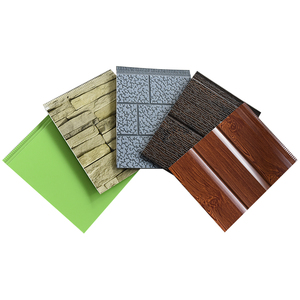
Credit: www.alibaba.com
Frequently Asked Questions
What Are The Benefits Of Lightweight Building Materials?
Lightweight building materials reduce construction time and labor costs. They improve energy efficiency and lower transportation expenses. These materials also enhance seismic performance and simplify handling on-site, making buildings safer and more sustainable.
Which Materials Are Considered Lightweight In Construction?
Common lightweight materials include aerated concrete, foam insulation, lightweight steel, bamboo, and engineered wood. These materials offer strength while reducing overall building weight, promoting easier installation and better thermal properties.
How Do Lightweight Materials Impact Building Insulation?
Lightweight materials typically have high thermal resistance, improving insulation. They help maintain indoor temperatures, reduce energy consumption, and increase comfort. This leads to lower heating and cooling costs in buildings.
Are Lightweight Building Materials Eco-friendly?
Many lightweight materials are eco-friendly as they use recycled content and require less energy to produce. They reduce carbon footprint and waste during construction, supporting sustainable building practices.
Conclusion
Exploring lightweight building materials offers many advantages. They reduce construction time. Lower costs. Improve energy efficiency. These materials are ideal for modern building needs. Builders benefit from easier handling and transport. Projects complete faster with less labor. Environmental impact decreases significantly.
Less waste. More sustainable options. Choosing lightweight materials can enhance building quality. A smart choice for the future. They contribute to stronger, safer structures. The industry continues to innovate. New materials emerge regularly. Stay updated with these trends. They shape tomorrow's construction landscape.
Perfect for eco-friendly designs. A win for both builders and the planet.