
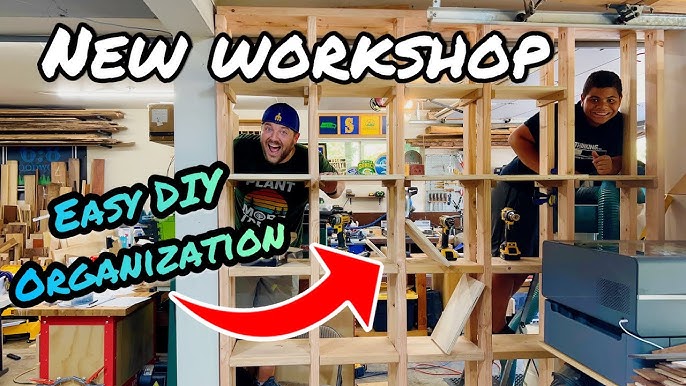
Wondering how to organize a small garage workshop without feeling overwhelmed? You’re not alone.
When space is tight, keeping your tools and projects in order can feel like a constant challenge. But imagine walking into your garage and instantly finding exactly what you need, with every tool in its place. This isn’t just a dream—it’s completely possible.
You’ll discover simple, smart strategies to transform your cramped garage into a tidy, efficient workspace. Ready to take control of your garage and boost your productivity? Let’s dive in.

Credit: www.lemonthistle.com
Assessing Your Space
Organizing a small garage workshop starts with understanding the space you have. This helps you plan where to put tools and work areas.
Assessing your space carefully makes your workshop safer and easier to use.
Measuring Dimensions
Measure the length, width, and height of your garage. Write down the exact numbers.
Note any doors, windows, and outlets. These affect where you can place workbenches and shelves.
- Use a tape measure for accuracy
- Measure floor space and wall height
- Mark locations of doors and windows
- Check for electrical outlets and switches
Identifying Work Zones
Divide your garage into zones based on tasks. Common zones include woodworking, tool storage, and assembly.
Assign areas for messy work, storage, and clean tasks. Keep zones clear to avoid mixing tools and materials.
- Designate a bench for cutting and building
- Reserve wall space for hanging tools
- Set aside a corner for paint or finishing work
- Keep storage near the garage entrance
Spotting Clutter Hotspots
Look for areas where clutter gathers often. These spots slow down work and cause frustration.
Common clutter hotspots include corners, under benches, and near entrances.
- Check for piles of unused tools or materials
- Notice if any storage is hard to reach
- Spot where trash or scrap collects
- Identify places with poor lighting or ventilation
Choosing Essential Tools
Organizing a small garage workshop starts with selecting the right tools. You need tools that fit your space and tasks.
Choosing essential tools helps keep your workshop tidy and efficient. Focus on what you really need.
Selecting Multi-use Tools
Multi-use tools save space and money in a small workshop. They handle several jobs with one tool.
Look for tools that combine functions or have interchangeable parts. This reduces clutter and tool count.
- Multi-bit screwdrivers
- Adjustable wrenches
- Cordless drills with multiple bits
- Combination squares
- Multi-purpose cutting tools
Prioritizing Tool Quality
Good quality tools last longer and work better. They reduce frustration and improve safety.
Choose tools made with strong materials and good design. Avoid cheap tools that break easily.
- Look for sturdy handles and solid construction
- Check for good brand reputation
- Read reviews to find reliable tools
- Invest in tools with warranties
Limiting Tool Quantity
Too many tools cause clutter and confusion. Keep only what you use often and need most.
Regularly check your tools. Remove duplicates and tools you rarely use to save space.
- Keep basic hand tools like hammers and screwdrivers
- Store specialty tools separately
- Donate or sell tools not used in six months
- Organize tools by use and size for easy access
Maximizing Vertical Space
Small garage workshops need smart storage. Using vertical space helps keep tools and materials organized.
Wall and ceiling areas offer great storage options. This keeps the floor clear and workspace open.
Installing Wall Pegboards
Wall pegboards hold tools within easy reach. You can hang hammers, screwdrivers, and other small items.
Pegboards let you change your setup quickly. Add hooks and baskets to fit different tools and supplies.
- Choose a pegboard that fits your wall space.
- Use metal hooks for heavier tools.
- Arrange tools by type or size for quick access.
Using Ceiling Storage
Ceiling storage is perfect for items you use less often. Store seasonal gear or bulky boxes up high.
Use sturdy racks or platforms that hang from ceiling joists. Make sure they can hold heavy loads safely.
- Measure your ceiling height before installing racks.
- Keep heavy items close to the ceiling supports.
- Label boxes so you know what is stored above.
Mounting Shelves And Racks
Wall shelves add extra layers of storage without taking floor space. Use them for paint cans, toolboxes, and parts.
Racks can hold larger items like lumber or pipes. Mount them securely to avoid accidents.
- Select shelves with strong brackets for heavy tools.
- Install racks at different heights for various items.
- Keep frequently used items at eye level.
Smart Storage Solutions
Organizing a small garage workshop needs smart storage ideas. Good storage keeps tools safe and easy to find.
Using smart storage helps save space and keeps your workspace clear. This lets you work better and faster.
Utilizing Clear Storage Bins
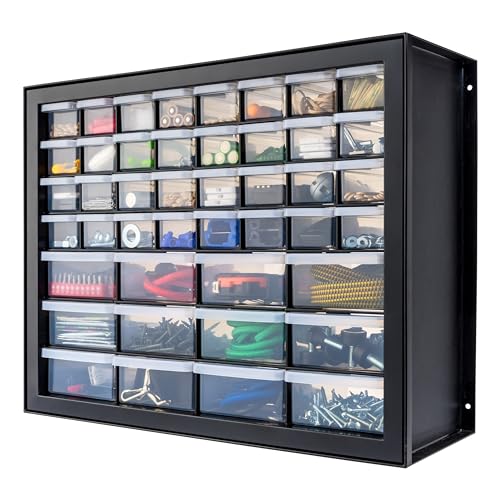
Clear storage bins let you see what is inside without opening them. This saves time when you look for tools or parts.
Stack bins to use vertical space well. Choose bins with lids to keep dust and dirt out.
- Use different sizes for small and large items
- Group similar items together in one bin
- Stack bins safely to avoid tipping
Labeling For Easy Access
Labels help you find tools quickly. Write clear names on each bin or drawer.
Use big, easy-to-read labels. Place labels where you can see them at a glance.
- Label bins, shelves, and drawers
- Use waterproof or plastic labels for durability
- Update labels if you change what is stored
Incorporating Mobile Carts
Mobile carts move your tools where you need them. This saves time and effort in a small space.
Choose carts with wheels that lock. This keeps them steady when you work.
- Use carts with multiple shelves for more storage
- Keep often-used tools on the cart
- Push carts under the workbench to save space
Optimizing Work Surfaces
Organizing a small garage workshop requires smart use of space. Efficient work surfaces can make a big difference. Let's explore ways to optimize these surfaces for your projects.
Flexible and efficient work surfaces can help you make the most of your garage space. A well-organized workshop boosts productivity and keeps tools within easy reach.
Folding Workbenches
Folding workbenches are perfect for small garages. They provide a sturdy surface when needed and fold away to save space. This flexibility makes them ideal for multi-purpose areas.
These benches are easy to set up and store. You can quickly convert your garage from a workshop to a storage space.
- Easy to fold and unfold
- Portable and lightweight
- Space-saving design
Multi-functional Tables
Multi-functional tables serve many purposes. They can be used for cutting, assembling, or even as a painting station. This versatility maximizes your workspace efficiency.
These tables often come with built-in storage. This feature helps keep tools and materials organized and within reach.
- Multi-use surface
- Built-in storage options
- Durable and sturdy
Adjustable Heights
Adjustable height tables and benches allow you to work comfortably. You can set the height to suit different tasks or users, making the workspace more ergonomic.
This feature is especially useful if multiple people use the workshop. Everyone can adjust the height to their preference, ensuring a comfortable working position.
- Customizable height settings
- Improves ergonomics
- Suitable for various tasks

Credit: www.lemonthistle.com
Improving Lighting And Ventilation
Good lighting and ventilation make a small garage workshop safer and easier to work in. Bright lights help you see details clearly. Fresh air keeps the space comfortable and removes dust.
Organizing your workshop with proper light and airflow improves your work quality. It also helps protect your health during long projects.
Installing Led Fixtures
LED fixtures use less energy and last longer than other lights. They provide bright, even light that covers the whole workshop. Installing LED lights on the ceiling brightens the entire space.
Choose LED fixtures with a daylight color temperature. This light looks natural and helps reduce eye strain while working on small details.
- Pick bright LED fixtures with at least 4000 lumens
- Use fixtures that spread light evenly across the room
- Install them on the ceiling for wide coverage
- Consider dimmable LEDs to adjust brightness
Adding Task Lighting
Task lighting gives extra light where you need it most. Use adjustable lamps near your workbench or tool area. This lighting helps you focus on detailed jobs.
Good task lights reduce shadows and glare. Position lights so they do not block your view or create dark spots on your work surface.
- Use clamp lamps or swing-arm lights for flexibility
- Place lights close to your working area
- Choose LED bulbs with bright, cool light
- Avoid lights that create glare or shadows
Enhancing Airflow
Good airflow keeps your garage workshop fresh and safe. It removes fumes, dust, and heat. Ventilation helps you stay comfortable during long work hours.
Open windows and doors when possible. Add fans to move air in and out. A small exhaust fan can pull out dust and fumes efficiently.
- Install a ceiling or wall fan for air circulation
- Use an exhaust fan to remove dust and fumes
- Keep windows and doors open when working
- Place a fan near your workbench for fresh air
Maintaining Organization
Keeping a small garage workshop organized helps you work better and saves time. Small spaces need regular care to stay tidy and useful.
Simple habits and regular checks keep tools and materials in order. This makes your workshop safer and more pleasant to use.
Regular Clean-up Routines
Set a daily or weekly time to clean your workshop. Remove dust, dirt, and scraps from work surfaces and floors.
Cleaning often stops clutter from building up. It also helps you spot broken tools or spills quickly.
- Sweep the floor after each work session
- Wipe down benches and tool handles
- Empty trash bins regularly
- Check for leaks or spills and clean immediately
Tool Return Habits
Always put tools back in their place after use. This keeps your workspace clear and tools easy to find.
Use labels or color codes to identify tool spots. This helps you and others return tools correctly every time.
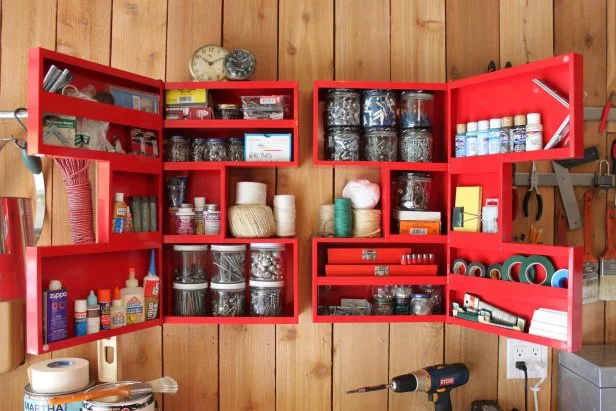
- Install pegboards or shelves for tool storage
- Group similar tools together
- Use bins or drawers for small items
- Make tool return part of your work routine
Periodic Space Reviews
Check your workshop space every few months. Look for ways to improve storage and remove unused items.
Reviewing your space helps keep it functional. It also lets you update your system as your needs change.
- Sort tools and materials; donate or recycle unused ones
- Rearrange storage to fit new tools or projects
- Fix any damaged shelves or containers
- Adjust lighting and workspace for comfort
Credit: www.hgtv.com
Frequently Asked Questions
How Do I Maximize Space In A Small Garage Workshop?
Use vertical storage like shelves and pegboards to free floor space. Organize tools by frequency of use. Keep the workspace clear for better efficiency and safety.
What Are The Best Storage Solutions For Small Garages?
Install wall-mounted racks, magnetic strips, and overhead shelves. Use clear bins for small parts. These solutions keep tools accessible and the area clutter-free.
How Can I Improve Lighting In A Small Garage Workshop?
Use bright LED lights with a daylight color temperature. Add task lighting at workbenches. Proper lighting reduces eye strain and improves precision.
What Essential Tools Should A Small Garage Workshop Have?
Include a workbench, drill, screwdriver set, hammer, and measuring tape. Prioritize multi-functional tools to save space. Keep only tools you use regularly.
Conclusion
Organizing a small garage workshop makes work easier and faster. Keep tools in clear, labeled bins for quick access. Use walls and ceilings to save floor space. Regularly clean and put things back where they belong. A neat space helps you focus and enjoy projects more.
Start small, and improve your setup step by step. A tidy workshop means less stress and more success. Take your time, and make it your own.