

Imagine you're driving down a quiet road when suddenly, an unexpected accident happens. What would you do first?
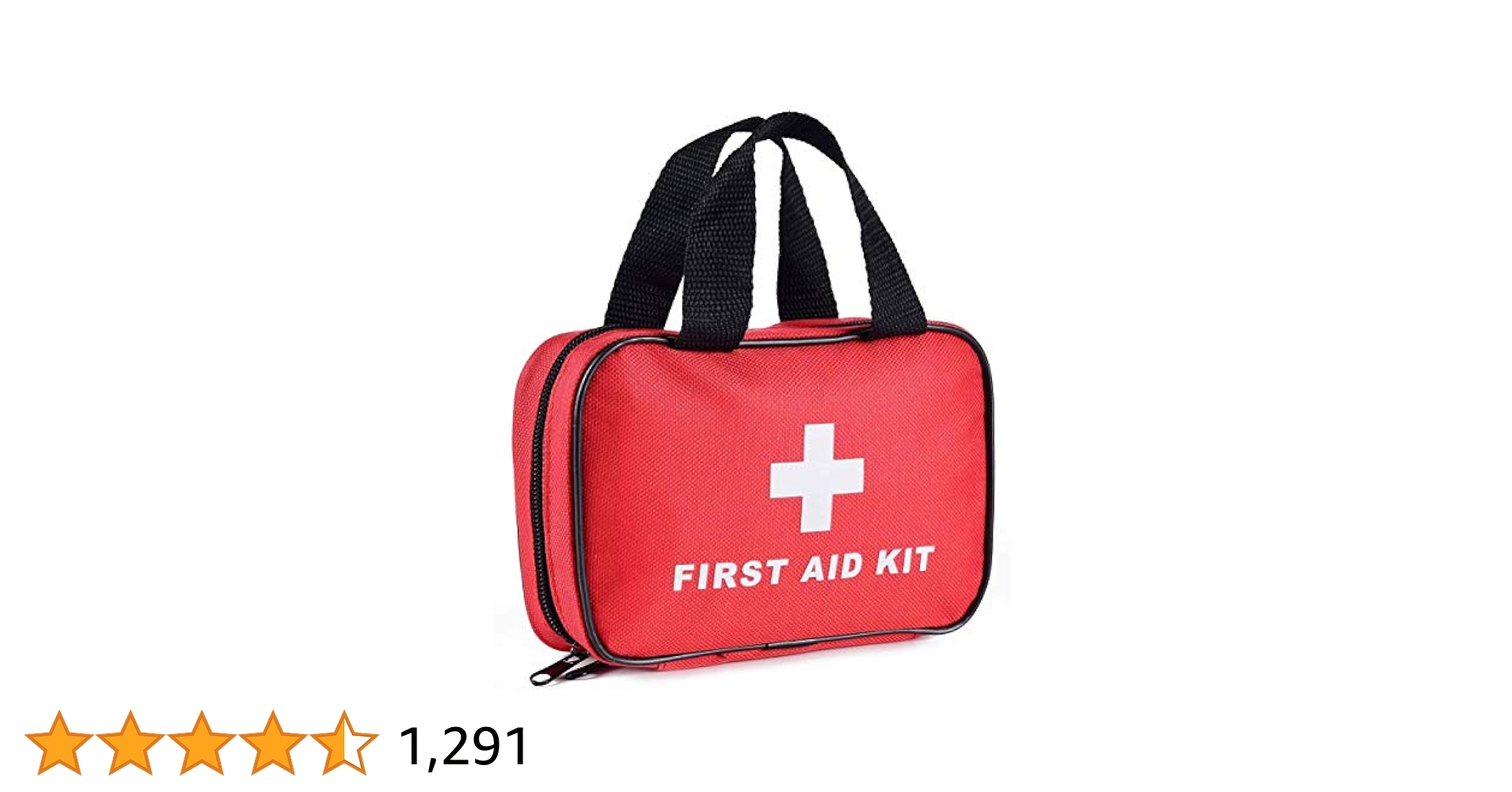
Having a well-stocked car first aid kit could make all the difference between a minor scare and a serious emergency. You never know when you might need it, but when the time comes, you want to be ready. You’ll discover exactly what your car first aid kit should include and why it’s essential for your safety and peace of mind every time you hit the road.
Keep reading to learn how to protect yourself and your loved ones with a simple, life-saving kit.
Why Carry A Car First Aid Kit
A car first aid kit helps you handle minor injuries during travel. It is a simple tool to keep you safe on the road.
Having a kit means you can give quick help before medical professionals arrive. It can make a big difference in emergencies.
Importance In Emergencies
Emergencies happen without warning. A car first aid kit lets you act fast and reduce harm.
- Treat cuts and scrapes to prevent infection
- Control bleeding with bandages and gauze
- Provide pain relief with basic medicines
- Manage burns with special dressings
- Keep injured persons calm and stable
Legal Requirements And Recommendations
Some countries require cars to carry a first aid kit by law. Others strongly recommend it for safety.
| Country | First Aid Kit Requirement | Notes |
| Germany | Mandatory | Must be in all vehicles |
| United Kingdom | Recommended | Not legally required but advised |
| United States | Varies by state | Check local laws |
| Australia | Mandatory | Required in many states |

Credit: www.walmart.ca
Key Items To Include
A car first aid kit helps you handle minor injuries on the road. It is important to have essential items ready in case of emergencies.
Organize your kit with basic medical supplies, tools, and personal care products. Each group plays a key role in treatment and comfort.
Basic Medical Supplies
These items help treat cuts, scrapes, and other small injuries quickly. They reduce infection and ease pain.
- Adhesive bandages of various sizes
- Sterile gauze pads and adhesive tape
- Antiseptic wipes and antibiotic ointment
- Elastic bandage for sprains
- Disposable gloves to keep clean
- Scissors and tweezers
- Instant cold pack for swelling
- Pain relievers like ibuprofen or acetaminophen
Tools And Accessories
Tools and accessories help you use the first aid supplies better. They also improve safety during an emergency.
| Item | Purpose |
| Thermometer | Check for fever |
| Flashlight | See clearly in the dark |
| Safety pins | Secure bandages |
| CPR mask | Provide safe rescue breaths |
| Emergency blanket | Keep warm |
Personal Care Products
Personal care items keep you clean and comfortable. They also help prevent infections and skin irritation.
- Hand sanitizer to clean hands
- Moisturizing lotion to soothe dry skin
- Lip balm for chapped lips
- Tissues and wipes for cleaning
- Eye wash solution
Choosing The Right Kit
Having a car first aid kit is very important. It helps you handle small injuries during travel.
Choosing the right kit can make a big difference in an emergency. Consider what suits your needs best.
Pre-packaged Vs Custom Kits
Pre-packaged kits come with standard supplies ready to use. They are quick and easy to buy.
Custom kits let you pick items you want. This helps you include specific tools for your needs.
- Pre-packaged kits save time and effort
- Custom kits offer more flexibility
- Check contents to match your needs
- Replace used or expired items regularly
Size And Portability
Choose a kit size that fits your car space. It should be easy to carry and store.
Small kits are good for short trips. Bigger kits have more supplies for longer journeys.
- Compact kits fit in glove compartments
- Larger kits suit trunk storage
- Lightweight kits are easy to move
- Look for water-resistant bags
Quality And Durability
Good quality materials last longer and protect supplies well. Check the kit’s case and items.
Durable kits survive heat and moisture inside cars. This keeps first aid tools safe and ready.
- Choose kits with strong, tear-resistant cases
- Pick supplies that are sealed and sterile
- Check expiration dates on medicines
- Replace damaged or expired items fast

Credit: 72hours.ca
Maintaining Your First Aid Kit
A well-maintained first aid kit is vital for car safety. It helps you handle minor injuries quickly. Keeping the kit ready ensures you are always prepared.
Regular care of your first aid kit means checking supplies often and replacing used or expired items. This prevents surprises during emergencies.
Regular Checks And Replenishment
Check your first aid kit every three months. Look for items that are missing, damaged, or used. Replace them right away to keep the kit complete.
- Inspect bandages and gauze for tears or dirt
- Check antiseptic wipes and creams for damage
- Replace any used scissors or tweezers
- Make sure gloves are intact and available
- Restock pain relievers or allergy medicines as needed
Storage Tips
Store your first aid kit in a dry, cool place inside your car. Avoid direct sunlight or heat, which can damage supplies. Keep the kit easy to reach.
- Do keep the kit in the glove box or center console
- Do check the kit after long trips or extreme weather
- Don't leave the kit in a hot car trunk
- Don't store near sharp objects that may damage it
Expiration Dates To Watch
Many first aid supplies expire over time. Using expired items can reduce their effectiveness or cause harm. Always check expiration dates carefully.
| Item | Typical Expiration | Action |
|---|---|---|
| Adhesive Bandages | 3-5 years | Replace if sticky fails or damaged |
| Antiseptic Creams | 1-3 years | Discard after expiry date |
| Medications (Pain Relievers) | Check label | Replace if expired |
| Sterile Gauze | 3-5 years | Replace if package is opened or damaged |
| CPR Face Shield | Check label | Replace if damaged or expired |
Using The Kit Safely
A car first aid kit is important for emergencies on the road. Knowing how to use it safely helps you care for injuries quickly.
Always check your kit before trips. Use the items carefully and follow basic first aid rules to avoid harm.
Basic First Aid Skills
Learn simple first aid skills to use your kit properly. These skills include cleaning wounds and stopping bleeding.
Practice how to use bandages, antiseptic wipes, and gloves in your kit. This helps you act fast and safely.
- Wash your hands or wear gloves before treating wounds.
- Clean cuts with antiseptic wipes to prevent infection.
- Apply bandages firmly but not too tight.
- Use a CPR mask if you need to help with breathing.
When To Seek Professional Help
Some injuries need a doctor’s care. Know when to call emergency services or go to a hospital.
If the injury is serious, do not wait. Get professional help right away to avoid risks.
- Heavy bleeding that does not stop
- Broken bones or deep wounds
- Signs of shock, like fainting or confusion
- Breathing problems or chest pain
- Severe burns or chemical exposure
Safety Precautions
Use your first aid kit carefully to protect yourself and others. Follow safety steps to avoid spreading germs or causing harm.
Keep your kit clean and store it in a dry, easy-to-reach place. Replace used or expired items regularly.
- Wear disposable gloves to avoid contact with blood.
- Do not touch wounds with bare hands.
- Dispose of used materials safely in a sealed bag.
- Keep children away from the kit unless supervised.
- Read instructions on kit items before use.
Additional Safety Gear For Drivers
Having a car first aid kit is essential. Adding extra safety gear can help in emergencies.
Drivers should consider additional items to increase safety on the road.
Fire Extinguishers
Fire extinguishers can put out small fires quickly. Keep one in your car for safety.
- Check the expiration date regularly
- Learn how to use it effectively
- Store it securely within reach
Emergency Flares And Reflectors
Emergency flares and reflectors alert other drivers. They signal distress if your car breaks down.
| Item | Purpose |
| Flares | Visual signal for help |
| Reflectors | Increase visibility at night |
Blankets And Hydration Supplies
Blankets keep you warm if stranded. Hydration supplies prevent dehydration.
- Store at least one warm blanket
- Carry bottled water for emergencies
- Check water supply regularly

Credit: 72hours.ca
Frequently Asked Questions
What Should A Car First Aid Kit Include?
A car first aid kit should include bandages, antiseptic wipes, adhesive tape, scissors, gloves, and pain relievers. It may also have burn cream, tweezers, and a first aid manual for emergencies. These items help manage minor injuries during travel.
Why Is A Car First Aid Kit Essential?
A car first aid kit is essential for immediate treatment of injuries during accidents or roadside emergencies. It provides quick care, reduces infection risk, and can save lives before professional help arrives. It’s a crucial safety tool for all drivers.
How Often Should You Check A Car First Aid Kit?
You should check your car first aid kit every six months. Ensure all supplies are stocked and not expired. Replace used or outdated items promptly to keep the kit ready for any emergency on the road.
Can A Car First Aid Kit Help In Major Accidents?
A car first aid kit provides basic care but is not a substitute for professional medical help. It helps control bleeding, treat minor wounds, and stabilize injuries until emergency services arrive. Always call for professional assistance in major accidents.
Conclusion
A car first aid kit can save lives during emergencies. Keep it stocked with basic supplies like bandages, antiseptics, and scissors. Check the kit regularly to replace used or expired items. Store it within easy reach in your vehicle. Being prepared helps you stay calm and act fast.
Everyone who drives should have one ready. Small steps protect you and your passengers on the road. Safety starts with simple, smart choices. Don’t wait for an accident to happen—prepare today.

