


Are you curious about the future of materials and how they're shaping the world around you? Imagine a world where buildings are lighter, cars are more fuel-efficient, and products are stronger yet more flexible.
This isn't a distant dream—it's happening now through the fascinating world of composite materials. These innovative materials are changing the game in industries from aerospace to sports equipment. But what exactly are composite materials, and why should you care? We'll demystify the process of building composite materials and uncover why they are becoming a cornerstone of modern innovation.
Stick with us, and you'll discover how these materials not only enhance products but also improve your everyday life. Ready to explore the cutting-edge world of composites? Keep reading to unlock the secrets behind this revolutionary technology.

Credit: mingchuanplywood.en.made-in-china.com
Composite Materials Basics
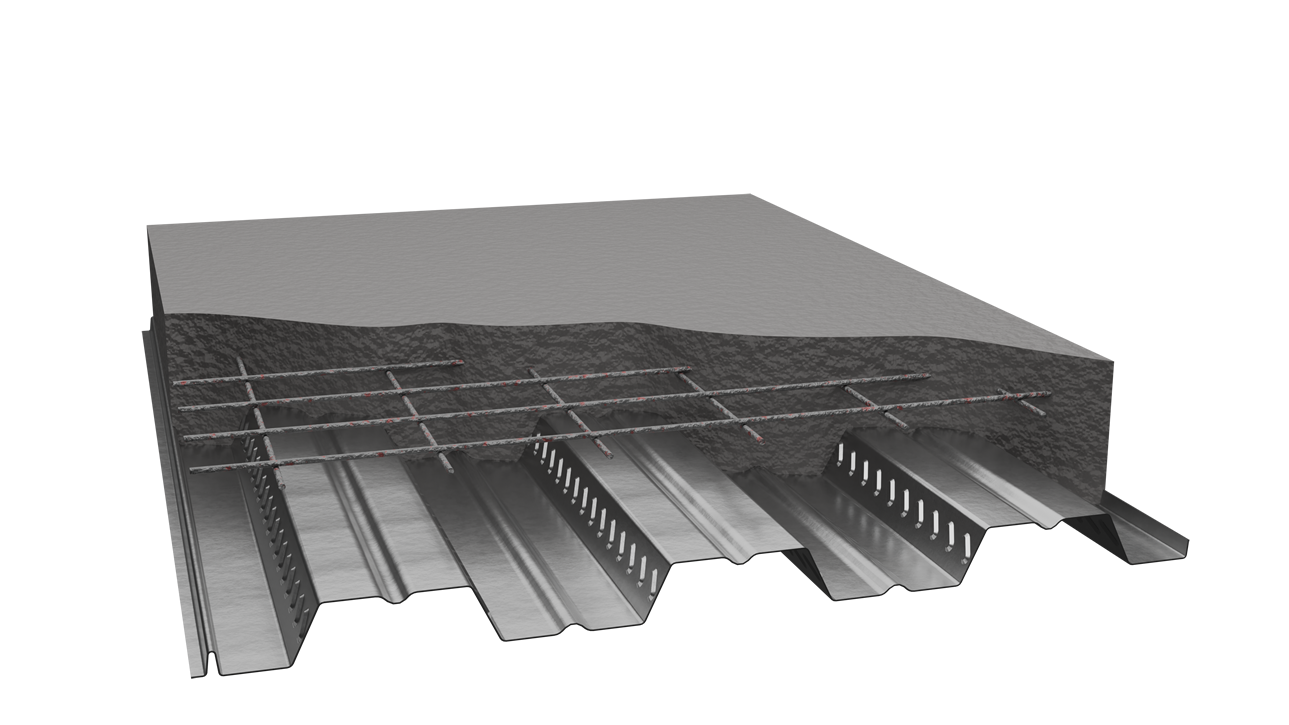
Composite materials combine two or more substances to form a stronger material. They offer unique properties not found in single materials. Understanding the basics helps in choosing the right composite for a project. This section covers the types, components, and common uses of composites.
Types Of Composites
- Fiber-Reinforced Composites: Strong fibers like glass or carbon embedded in a matrix.
- Particle-Reinforced Composites: Small particles improve strength and wear resistance.
- Structural Composites: Layers or sandwich structures designed for high load-bearing.
Key Components
- Matrix: The base material that holds everything together, often plastic or metal.
- Reinforcement: Fibers or particles that provide strength and stiffness.
- Interface: The bond between the matrix and reinforcement, crucial for durability.
Common Applications
- Automotive parts for lighter and stronger vehicles.
- Building materials like panels and insulation.
- Aerospace components for high strength and low weight.
- Sporting goods such as bikes and rackets.
Credit: ascsd.com
Innovative Manufacturing Techniques
Innovative manufacturing techniques improve the quality and efficiency of composite materials. These methods allow precise control over material properties and shapes. They help reduce waste and lower production costs. These advances are changing how composites are made in many industries.
Additive Manufacturing
Additive manufacturing builds composite parts layer by layer. It uses 3D printing technology to create complex shapes. This method reduces material waste and shortens production time. It also allows customization for specific designs and needs. The process works well for small batches and prototypes.
Automated Fiber Placement
Automated fiber placement (AFP) places fibers precisely on molds. Machines control fiber angles and tension for strength. AFP increases production speed and part consistency. It reduces human error and improves material use. This technique is popular in aerospace and automotive industries.
Resin Transfer Molding
Resin transfer molding (RTM) injects resin into fiber preforms inside a closed mold. It produces strong, lightweight composite parts with smooth finishes. RTM allows high-volume production with good repeatability. The process controls resin flow and curing for quality results. It works well for large and complex shapes.
Enhancing Strength Properties
Enhancing strength properties is essential for building composite materials that perform well under stress. Strong composites last longer and resist damage better. Manufacturers focus on specific techniques to improve these properties efficiently. These techniques help meet the needs of various industries, from construction to aerospace.
Fiber Orientation Strategies
Fiber orientation plays a key role in composite strength. Aligning fibers along the load direction maximizes tensile strength. Cross-ply and angle-ply orientations distribute stress evenly. Random fiber orientation offers strength in multiple directions but less than aligned fibers. Proper orientation improves stiffness and resistance to cracking.
Hybrid Composite Designs
Hybrid composites combine different fiber types to enhance strength. For example, mixing carbon and glass fibers balances stiffness and toughness. Hybrids reduce weaknesses found in single-fiber composites. The design allows customization for specific strength needs. It also improves impact resistance and fatigue life.
Nano-enhanced Materials
Adding nanoparticles boosts composite strength at the microscopic level. Nanomaterials like carbon nanotubes increase load transfer efficiency. They fill tiny gaps between fibers and the matrix. This reduces weak points and improves durability. Nano-enhanced composites show better mechanical properties without extra weight.

Credit: lynxsiding.ca
Testing And Quality Control
Testing and quality control are vital in building composite materials. They ensure the material meets strength, durability, and safety requirements. Careful inspection prevents failures and maintains high performance. Different testing methods examine various properties of composites. Quality control guarantees consistency in production and final products.
Mechanical Testing Methods
Mechanical testing measures strength, flexibility, and toughness. Common tests include:
- Tensile testing to check how much force a material can take before breaking.
- Compression testing to see how the material behaves under pressure.
- Flexural testing to measure bending strength and stiffness.
- Impact testing to assess resistance to sudden forces or shocks.
These tests provide data on how composites perform under real conditions.
Non-destructive Evaluation
Non-destructive evaluation (NDE) checks materials without causing damage. Techniques include:
- Ultrasonic testing uses sound waves to detect internal flaws.
- X-ray and radiography reveal hidden cracks or voids inside.
- Thermography detects temperature changes indicating defects.
- Visual inspection spots surface issues like cracks or delamination.
NDE helps identify problems early, saving time and costs.
Standards And Certifications
Standards ensure composites meet industry and safety rules. Certifications prove compliance and quality. Key standards are:
- ASTM International provides test methods and specifications.
- ISO standards guide quality management and material testing.
- SAE International focuses on aerospace and automotive composites.
- Certification bodies verify manufacturing processes and product quality.
Following standards builds trust and supports market acceptance.
Sustainability In Composite Production
Sustainability in composite production is becoming a top priority in the building industry. Manufacturers seek ways to reduce waste and lower the environmental impact of these materials. Sustainable composites help conserve resources and promote a healthier planet. Many innovations focus on making composites easier to recycle, using greener materials, and considering the entire product lifecycle.
Recyclable Composites
Recyclable composites allow materials to be reused after their initial life. This reduces landfill waste and lowers the need for new raw materials. Some composites are designed to break down into reusable parts. Others can be melted and reshaped without losing strength. These advances help create a circular economy in building materials.
Eco-friendly Resins
Eco-friendly resins come from renewable sources like plants. These resins reduce reliance on fossil fuels. They also emit fewer harmful chemicals during production and use. Many green resins are biodegradable or easier to recycle. Using eco-friendly resins helps lower the carbon footprint of composite materials.
Lifecycle Considerations
Lifecycle considerations examine the environmental impact from production to disposal. Sustainable composites are designed for durability and long use. This means less frequent replacement and less waste. End-of-life plans focus on recycling or safe disposal. Manufacturers also work on reducing energy use during production. Lifecycle thinking leads to smarter, greener composite materials.
Future Trends And Developments
The future of building composite materials holds exciting possibilities. Innovations focus on making materials smarter, stronger, and more sustainable. These developments aim to improve performance and reduce environmental impact. New technologies will shape the construction industry's next generation of composites.
Smart Composites
Smart composites can sense and react to their environment. They include embedded sensors that monitor stress, temperature, and damage. These materials help detect problems early and extend the lifespan of structures. Self-healing composites that repair minor cracks are also emerging. This technology reduces maintenance costs and increases safety.
Bio-inspired Materials
Bio-inspired composites mimic natural structures like shells and bones. These materials combine strength and lightness efficiently. Scientists study nature to create composites with unique properties. Such materials offer better durability and flexibility. They also use eco-friendly components, supporting sustainability goals in construction.
Advanced Simulation Tools
Simulation tools help design composites with precision. Engineers test material behavior under different conditions virtually. This process saves time and lowers costs in development. Advanced software predicts performance, guiding better material choices. It also helps create customized composites for specific building needs.
Frequently Asked Questions
What Are The Main Components Of Composite Materials?
Composite materials consist of two or more distinct materials. Typically, they include a matrix and reinforcement. The matrix binds the reinforcement, providing shape and protection. The reinforcement adds strength and stiffness. Common examples include fiberglass and carbon fiber composites used in construction and manufacturing.
How Are Composite Materials Manufactured?
Composite materials are made through processes like layering, molding, and curing. Materials are combined in specific sequences to enhance strength. Techniques include hand lay-up, resin transfer molding, and filament winding. Each method affects the material's properties and applications. Proper manufacturing ensures durability and performance.
What Are The Advantages Of Using Composite Materials?
Composite materials offer high strength-to-weight ratios. They resist corrosion, fatigue, and wear better than metals. Composites are customizable for specific applications and reduce maintenance costs. Their lightweight nature improves fuel efficiency in transport and eases handling. These benefits make composites ideal for aerospace and automotive industries.
Where Are Composite Materials Commonly Used?
Composite materials are widely used in aerospace, automotive, construction, and sports equipment. They replace metals for lighter, stronger parts. Composites improve fuel efficiency and performance in vehicles and aircraft. In construction, they enhance durability and design flexibility. Their versatility continues to expand into new industries.
Conclusion
Building composite materials combines strength and lightness in one product. These materials last longer and resist damage well. They help create better cars, planes, and buildings. Choosing the right fibers and resins is key. Simple steps and good care improve results.
Composite materials shape the future of design and construction. They offer smart solutions for many industries. Keep exploring and learning to use them best. The possibilities with composites are wide and exciting.