
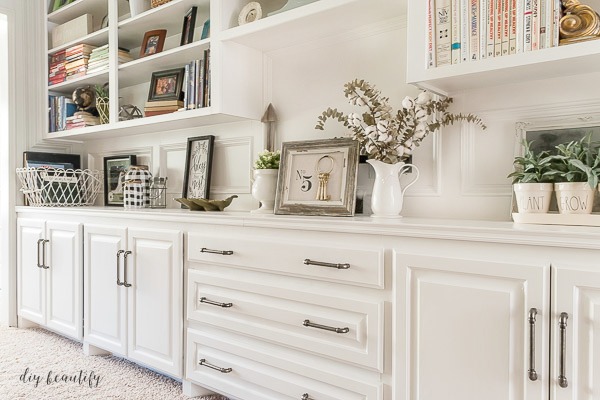
Are you ready to transform your furniture projects with simple, affordable upgrades? DIY furniture hardware is the secret weapon that can turn ordinary pieces into stunning, personalized creations.
Whether you want to refresh an old dresser or build something new from scratch, the right hardware makes all the difference. You’ll discover easy tips and tricks to choose, install, and customize hardware that fits your style and needs perfectly.
Keep reading, and you’ll unlock the potential to make your furniture truly your own.

Credit: www.tiktok.com
Choosing The Right Hardware
Choosing the right hardware is key to creating sturdy and attractive furniture. The hardware not only holds pieces together but also adds style and function. Picking the correct type, material, and finish can change the entire look and feel of your project. Consider your furniture's use and design to guide your choice.
Types Of Furniture Hardware
Furniture hardware includes many parts such as hinges, handles, knobs, and drawer slides. Each part has a specific role in furniture assembly and usability.
- Hinges:Allow doors and lids to open smoothly.
- Handles and Knobs:Provide grip for opening drawers or doors.
- Drawer Slides:Help drawers glide in and out easily.
- Brackets and Corner Braces:Strengthen joints and corners.
Materials And Finishes
Hardware comes in different materials like metal, plastic, and wood. Metal is common for strength and durability. Finishes protect hardware and improve its look.
- Brass:Warm, classic look, resists corrosion.
- Steel:Strong and modern, often coated to prevent rust.
- Chrome:Shiny and sleek, fits modern styles.
- Wood:Matches wooden furniture for a natural feel.
- Matte or Satin:Subtle finish that hides fingerprints.
Matching Hardware To Style
Choose hardware that fits your furniture’s style. For vintage pieces, consider ornate handles. Modern designs suit simple, clean hardware. Rustic furniture pairs well with rough, aged metal.
Think about the size and shape too. Large handles suit big drawers. Small knobs work for delicate pieces. The right hardware completes the look and adds personality.

Credit: www.instagram.com
Tools You’ll Need
Choosing the right tools is key to a smooth DIY furniture hardware project. The correct tools make tasks easier and improve your results. Start with simple hand tools to handle basic tasks. Then, use power tools to save time and effort. Don't forget safety gear to protect yourself during work. Each category plays a vital role in your project’s success.
Basic Hand Tools
Hand tools are essential for precise and small tasks. Keep these in your toolkit:
- Screwdrivers (flathead and Phillips)
- Measuring tape
- Hammer
- Adjustable wrench
- Pliers
- Level
- Utility knife
These tools help with measuring, fitting, and assembling hardware parts.
Power Tools For Efficiency
Power tools speed up your work and reduce manual effort. Consider these options:
- Electric drill with drill bits
- Impact driver
- Jigsaw for cutting shapes
- Orbital sander for smooth finishes
Power tools provide accuracy and save time on drilling and cutting tasks.
Safety Gear Essentials
Safety is important in any DIY project. Protect yourself with these items:
- Safety glasses to shield eyes
- Work gloves to protect hands
- Ear protection to reduce noise
- Dust mask to avoid inhaling particles
Wear safety gear every time you work with tools or hardware.
Preparing Furniture For Hardware Installation
Clear the furniture surface and gather all necessary tools before starting hardware installation. Measure and mark exact spots to ensure proper fitting. Preparing carefully helps achieve a smooth and secure hardware attachment.
Preparing your furniture for hardware installation is a crucial step. It ensures a smooth and successful DIY project. Start by gathering your tools and materials. This will help you stay organized and efficient. Follow these steps to prepare your furniture.
Cleaning And Sanding Surfaces
Clean the furniture surface with a damp cloth. Remove dust, dirt, and grime. This ensures a smooth finish. Let the surface dry completely. Next, sand the areas where hardware will be attached. Use fine-grit sandpaper for a smooth surface. Sanding helps the hardware stick better. Wipe away any dust with a clean cloth.
Measuring And Marking
Measure where you want to place the hardware. Use a ruler or measuring tape for accuracy. Mark the spots with a pencil. This helps avoid mistakes. Double-check your measurements before proceeding. Proper marking ensures precise hardware placement.
Drilling Pilot Holes
Use a drill to create pilot holes for screws. This prevents wood from splitting. Choose a drill bit slightly smaller than the screw. Align the drill bit with your pencil marks. Drill straight and steady. Keep the drill perpendicular to the surface. This ensures a secure fit for your hardware.
Installing Common Hardware Pieces
Installing common hardware pieces on your DIY furniture can transform a simple project into a functional masterpiece. Each hardware type plays a unique role, and understanding how to attach them properly ensures both durability and style. Let’s dive into how to add these essential components efficiently and effectively.
Drawer Pulls And Knobs
Drawer pulls and knobs are the most noticeable parts of your furniture hardware. Choose pieces that match the style of your furniture and feel comfortable in your hand. Before drilling, always measure twice to ensure the holes align perfectly with the hardware.
Use a drill bit slightly smaller than the screw to avoid splitting the wood. If you're installing multiple pulls or knobs, creating a simple template out of cardboard can save you from uneven placement. Tighten screws gently to prevent stripping, but make sure the pull or knob feels secure.
Hinges And Brackets
Hinges and brackets hold your furniture together, so precision is key. Start by marking where the hinge or bracket will sit, making sure the alignment supports smooth movement. Pre-drilling holes helps avoid wood cracking and makes screw insertion easier.
Different hinge types require different installation techniques—concealed hinges need mortising, while strap hinges sit on the surface. Don’t forget to check the door or panel swings freely without binding. If you feel resistance, adjust the hinge placement slightly instead of forcing it.
Casters And Legs
Casters add mobility, while legs provide stability and height. Both must be installed on a sturdy base. For casters, check if your furniture bottom is thick enough to hold the screws firmly; if not, reinforce the area with an extra piece of wood.
Legs often come with mounting plates or bolts; secure these tightly to avoid wobbling. Think about the type of floor you have—soft casters protect hardwood, while hard casters work well on carpet. Have you tested how your furniture moves or stands after adding these parts?
Creative Hardware Upgrades
Creative hardware upgrades can transform ordinary DIY furniture into standout pieces that reflect your personality and style. Small changes in hardware can refresh the look without a full makeover. These upgrades invite you to experiment and inject character into your projects.
Mixing Materials And Styles
Don't hesitate to combine different materials like brass knobs with wooden pulls or metal handles with ceramic accents. This mix adds depth and unexpected charm to your furniture. Think about pairing sleek modern hardware with rustic wood for a balanced contrast that catches the eye.
Try matching matte black hardware with warm wood tones to create a contemporary yet cozy feel. Have you ever noticed how a single change in handle material can shift the entire vibe of a drawer or cabinet?
Repurposing Vintage Hardware
Vintage hardware pieces offer unique shapes and craftsmanship you rarely find in new hardware. Using old drawer pulls, keys, or hinges can give your furniture a story and a sense of history. I once replaced plain cabinet knobs with antique brass handles from a flea market, and it completely changed the room's atmosphere.
Look for vintage hardware at thrift stores or online auctions—you might discover treasures that fit perfectly. How could a single vintage element change the way you feel about a piece of furniture?
Adding Decorative Accents
Decorative accents like backplates, rosettes, or ornamental screws add flair without much effort. These small details create an upscale appearance and show off your attention to detail. Adding a decorative backplate behind a knob can make it look like a custom design.
Consider hardware with intricate patterns or colored finishes to brighten up plain surfaces. What small decorative touch could you add today that would make your furniture feel more unique?

Credit: www.instagram.com
Maintaining And Caring For Hardware
Maintaining and caring for DIY furniture hardware extends its life and keeps your furniture looking great. Proper care prevents damage and ensures smooth function. A little attention regularly saves costly repairs later.
Cleaning Tips
Use a soft cloth to wipe hardware regularly. Avoid harsh chemicals that can damage finishes. Mild soap with warm water works well for most metal parts. Dry hardware thoroughly to stop water spots and corrosion.
For stubborn dirt, use a soft brush to clean crevices. Polish brass or copper hardware with a gentle metal polish. Always test cleaners on a small area first to avoid damage.
Preventing Rust And Wear
Keep hardware dry to prevent rust formation. Avoid exposing furniture to excessive moisture or outdoor conditions. Apply a thin layer of clear wax or oil to metal parts to create a protective barrier.
Store furniture in a dry, well-ventilated area. Consider using rust-resistant hardware for areas prone to dampness. Regular inspections help catch early signs of wear or rust.
Tightening And Adjustments
Check screws and bolts regularly to keep hardware secure. Loose parts can cause damage or reduce function. Use the correct screwdriver or wrench to avoid stripping screws.
Adjust hinges and drawer slides for smooth operation. Lubricate moving parts with a light oil to reduce friction. Replace worn or damaged hardware promptly to maintain furniture stability.
Frequently Asked Questions
What Types Of Hardware Are Essential For Diy Furniture?
Essential DIY furniture hardware includes screws, hinges, drawer slides, knobs, and brackets. These components provide structure and functionality to your projects.
How Do I Choose The Right Hardware For Furniture?
Select hardware based on your furniture’s style, material, and use. Consider durability, finish, and ease of installation for the best results.
Can I Install Furniture Hardware Without Professional Tools?
Yes, many hardware pieces can be installed with basic tools like screwdrivers and drills. Proper measurements and patience ensure a secure fit.
What Materials Are Common In Diy Furniture Hardware?
Common materials include stainless steel, brass, zinc alloy, and plastic. Choose based on strength, appearance, and resistance to wear or rust.
Conclusion
DIY furniture hardware adds style and function to your projects. Choosing the right pieces can make your work easier and look better. Simple tools and parts help you build strong, lasting furniture. Small changes in hardware can create big differences in design.
Enjoy the process and learn as you go. Your creativity and effort will show in every detail. Keep trying new ideas and improving your skills. DIY furniture becomes more rewarding with each project.