

Are you tired of searching for kitchen furniture that fits your style and budget? What if you could create pieces that are just right for your space, made by your own hands?
DIY kitchen furniture lets you do exactly that. It gives you the freedom to design something unique, save money, and add a personal touch to your kitchen. Imagine the pride you’ll feel every time you use furniture crafted by you.
Keep reading to discover simple ideas and tips that will make your DIY kitchen furniture project easy and fun. Your dream kitchen is closer than you think!

Credit: www.pinterest.com
Choosing Materials
Choosing the right materials for your DIY kitchen furniture shapes not only the look but also the durability and feel of your space. Think about how each material will handle daily use, spills, and wear. Picking smart materials saves you time and money on repairs later.
Wood Options
Wood is a favorite for kitchen furniture because it feels warm and natural. You can pick from hardwoods like oak and maple, which are tough and resist dents, or softer woods like pine that are easier to work with but less durable.
Consider how much maintenance you’re willing to do. Woods like cherry develop a beautiful patina over time, adding character, while others might need regular sealing to keep their look fresh. Have you thought about how your kitchen's humidity might affect the wood?
Recycled Materials
Recycled materials add a unique touch and help reduce waste. Old pallets, reclaimed wood, or repurposed doors can become stunning kitchen pieces with some sanding and finishing.
These materials often come with stories and character marks that make your furniture one of a kind. But keep in mind, you’ll need to check for hidden nails or damage before using them to avoid surprises during your build.
Metal And Glass Choices
Metal and glass bring a modern edge and durability to kitchen furniture. Stainless steel is a great choice for countertops or cabinet accents because it resists stains and heat.
Glass can brighten up the space and make cabinets feel lighter, but it needs careful cleaning and can be fragile if not handled properly. Would you prefer a bold industrial look or a sleek, transparent style for your kitchen?
Building Storage Solutions
Building storage solutions in your kitchen can make a big difference. It helps keep your space tidy and items easy to find. DIY kitchen furniture lets you create storage that fits your needs perfectly. Smart storage ideas make cooking and cleaning much simpler.
Open Shelving
Open shelves show off your dishes and kitchen tools. They make the room feel bigger and brighter. You can arrange items by color or size for a neat look. Use sturdy wood or metal for strong shelves. Add baskets or jars to keep smaller items organized.
Custom Cabinets
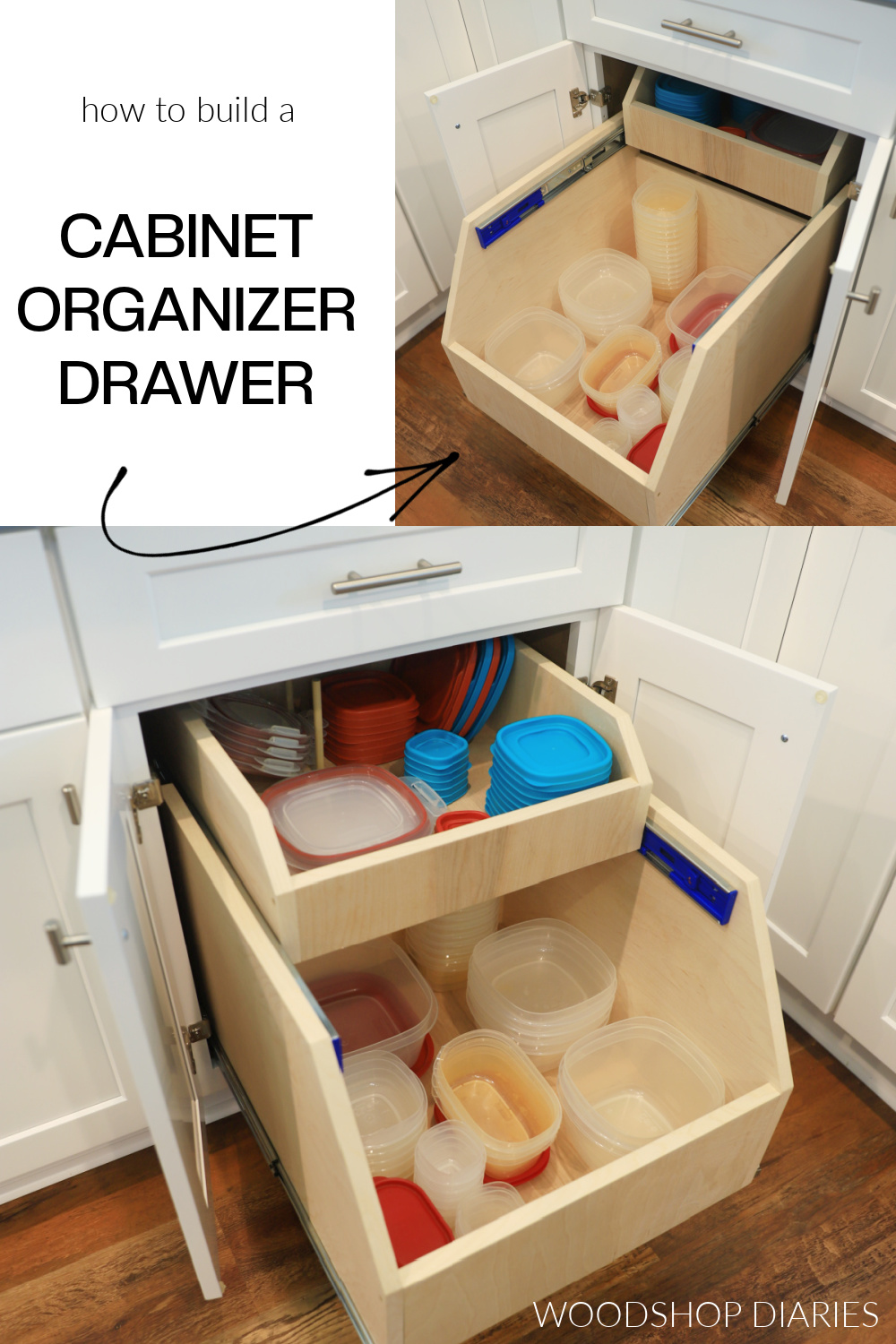
Custom cabinets fit your kitchen’s exact size and style. You choose the material, color, and handles. Inside, add pull-out drawers or dividers for better use of space. Custom work helps store pots, pans, and food neatly. It also hides clutter for a clean look.
Hidden Compartments
Hidden compartments keep valuables or small items out of sight. They can be built into drawers, under counters, or behind panels. Use sliding shelves or secret boxes inside cabinets. These compartments add security and save space. They make your kitchen look organized and sleek.
Creating Seating Areas
Create cozy seating areas with simple DIY kitchen furniture using wood and cushions. Small benches or stools fit well in tight spaces. This adds comfort and style without much cost or effort.
Creating a comfortable seating area in your kitchen enhances its functionality. DIY projects allow you to customize this space according to your needs. Whether it's a cozy breakfast nook or a spot for evening tea, DIY options offer flexibility and style.
Build Your Own Benches
Custom benches can transform your kitchen into a welcoming space. Wooden benches are sturdy and easy to build. Choose reclaimed wood for a rustic look. Sand the wood and apply a protective finish. This ensures durability and a smooth surface. Incorporate storage underneath the seat. Use baskets or drawers to keep the space organized.
Bar Stools And Chairs
Bar stools add charm and practicality to kitchen islands. Select stools that match your kitchen theme. Metal stools offer an industrial vibe, while wooden stools feel warm and inviting. Upholstered chairs bring comfort to dining areas. Choose fabrics that are easy to clean.
Multi-functional Seating
Multi-functional seating maximizes space in small kitchens. Consider bench seating with built-in storage. This keeps essentials within reach. Foldable chairs are another smart option. They save space and are easy to store. Use cushions for added comfort and style. Opt for removable covers for easy maintenance.
Adding Unique Finishes
Adding unique finishes to your DIY kitchen furniture is a fantastic way to make your space truly yours. The right finish doesn't just protect your pieces—it adds character and tells a story. Have you ever thought about how a simple change in finish can completely transform the feel of your kitchen?
Painting Techniques
Painting is one of the easiest ways to add personality to your kitchen furniture. You can choose bold, bright colors to create a statement or soft pastels for a calming vibe. Try techniques like distressing to give your furniture a vintage look or use stencils for custom patterns that catch the eye.
Using chalk paint is a personal favorite because it requires minimal prep work and offers a matte finish that feels warm and inviting. Have you experimented with layering colors or using a glaze to add depth? These small touches can make your painted furniture stand out in a subtle but impressive way.
Staining And Varnishing
Staining enhances the natural beauty of wood, bringing out grain patterns and richness you can almost feel. When choosing a stain, think about whether you want a light, natural look or a darker, more dramatic tone. Applying a clear varnish afterward protects the wood and gives it a smooth finish that lasts.
Consider mixing stains to create custom shades that match your kitchen’s palette perfectly. Remember, the finish you choose affects not just appearance but durability—especially in a busy kitchen environment. Have you tried oil-based stains for deeper penetration and longer-lasting color?
Decorative Hardware
Hardware is often overlooked but can be the finishing touch that pulls everything together. Unique knobs and handles make your furniture feel custom-made. You might want to explore vintage finds, modern sleek metals, or even handmade ceramic pieces to reflect your style.
Changing hardware is also a simple way to refresh older furniture without repainting or refinishing. Think about mixing different styles for an eclectic look or matching finishes with your faucets and lighting for cohesion. What kind of hardware do you think would tell your kitchen’s story best?
Incorporating Lighting
Lighting shapes the look and feel of your DIY kitchen furniture. It brightens work areas and sets the mood. Thoughtful lighting makes your space more inviting and functional.
Under-cabinet Lights
Under-cabinet lights brighten counters and reduce shadows. They help with cooking and food prep. Installing LED puck lights or strip lights is easy and effective. These lights save space and create a clean look.
Pendant Fixtures
Pendant fixtures add style and focus light over islands or tables. They come in various shapes and sizes to fit your design. Hanging them at the right height enhances your kitchen’s charm. Choose warm bulbs for a cozy atmosphere.
Led Strips
LED strips offer flexible lighting for shelves and cabinets. They are energy-efficient and long-lasting. You can cut them to size and place them anywhere. Use color-changing strips to add fun or soft white for a classic touch.
Credit: www.woodshopdiaries.com
Maximizing Small Spaces
Small kitchens need smart ideas to save space and stay functional. Every inch counts. Clever furniture designs help keep things neat and open. Building your own kitchen pieces lets you fit your needs perfectly. Here are some ways to make the most of small spaces with DIY kitchen furniture.
Foldable Furniture
Foldable furniture saves room by tucking away when unused. Tables and chairs that fold down free up floor space. Use wall-mounted foldable tables for extra prep areas. Foldable stools slide under counters or tables easily. This keeps the kitchen open and less crowded.
Corner Units
Corners often become wasted space in small kitchens. Custom corner units use this area for storage or appliances. Lazy Susans or pull-out shelves make items easy to reach. Corner cabinets keep pots, pans, and utensils organized. This design clears counters and increases storage.
Pull-out Surfaces
Pull-out surfaces add extra workspace when needed. Hidden counters slide out from cabinets for chopping or prep. Pull-out cutting boards fit perfectly into kitchen designs. These surfaces disappear after use, keeping the kitchen tidy. They offer flexibility without taking permanent space.
Tools And Safety Tips
Building your own kitchen furniture can be a rewarding project, but it demands the right tools and careful attention to safety. Without proper preparation, you risk accidents or ending up with furniture that doesn’t last. Focusing on the tools you need and how to use them safely will make your DIY journey smoother and more enjoyable.
Essential Tools
Start with a solid toolkit to handle cutting, assembling, and finishing your kitchen furniture. Some must-haves include:
- Measuring tape and square:Accuracy is key. These help you get precise dimensions and right angles.
- Power drill:A versatile tool for drilling holes and driving screws quickly.
- Screwdrivers:Both flathead and Phillips are necessary for various fasteners.
- Handsaw or circular saw:Choose based on your comfort and the type of cuts you need.
- Clamps:Keep pieces steady while you work or glue them together.
- Sandpaper or electric sander:Smooth surfaces improve both look and feel.
Having these tools ready saves time and frustration. What tools have you found indispensable in your projects?
Safe Construction Practices
Safety should never be an afterthought. Always wear protective gear like safety goggles, gloves, and a dust mask. These protect your eyes, hands, and lungs from common workshop hazards.
Keep your workspace organized and well-lit. Clutter can cause accidents, and good lighting helps you see your work clearly, preventing mistakes.
When using power tools, make sure to:
- Check that blades and bits are sharp and properly installed.
- Unplug tools when changing parts or making adjustments.
- Follow manufacturer instructions without shortcuts.
Have you ever faced a close call with power tools? Learning from those moments makes you a better, safer builder.
Maintenance Advice
Keeping your tools in good shape extends their life and ensures they work safely. After each project, clean off sawdust and dirt. Wipe blades and metal parts with an oily cloth to prevent rust.
Regularly inspect your tools for damage. Dull blades or loose handles can cause accidents or poor results.
Store tools in a dry, organized place. A toolbox or wall rack helps you find what you need quickly and reduces the risk of injury.
How often do you check your tools before starting a project? It’s a small habit that can save you big trouble later.
Credit: www.rebeccaandgenevieve.com
Frequently Asked Questions
What Materials Are Best For Diy Kitchen Furniture?
Wood, plywood, and MDF are popular for DIY kitchen furniture. They are affordable, durable, and easy to work with. Choose moisture-resistant materials for longevity in kitchen settings. Finishing with paint or sealant protects the furniture and enhances appearance.
How Much Does Diy Kitchen Furniture Cost?
DIY kitchen furniture costs vary based on materials and design complexity. On average, it ranges from $100 to $500. Building your own furniture saves money compared to custom-made pieces. Budget carefully for tools, materials, and finishing supplies.
What Tools Are Essential For Diy Kitchen Furniture?
Basic tools include a saw, drill, sander, measuring tape, and screwdriver. Additional tools like clamps and a level improve accuracy. Investing in quality tools ensures better results and easier construction.
How Long Does It Take To Build Diy Kitchen Furniture?
Building kitchen furniture typically takes 1 to 3 days. Time depends on design complexity and skill level. Planning and preparation speed up the process and reduce errors.
Conclusion
Creating your own kitchen furniture saves money and adds personal style. You can choose the design that fits your space perfectly. Simple tools and materials are enough to get started. Enjoy the satisfaction of building something useful by yourself. Small projects grow into bigger skills with practice.
Your kitchen will feel unique and welcoming. Try DIY furniture to bring creativity into your home. Keep learning and improving with each new piece. The effort you put in shows in the final result. Start today and watch your kitchen transform step by step.