

How to Wire Outlets in a Garage might seem tricky, but it’s a skill you can learn step by step. Imagine having power exactly where you need it—for your tools, chargers, or lighting—without relying on extension cords.
In this guide, you’ll find simple, clear instructions that make the wiring process easy and safe. By the end, you’ll feel confident handling your garage’s electrical setup like a pro. Ready to save money and gain a valuable new skill? Let’s get started.
Tools And Materials
Wiring outlets in a garage needs the right tools and materials. Using proper items makes the job safer and easier.
This guide lists the essential tools and materials you need before starting the wiring work.
Essential Tools
You need several tools to wire outlets safely. These tools help you cut, strip, and connect wires properly.
- Wire stripper – removes insulation from wires
- Voltage tester – checks if wires have power
- Needle-nose pliers – bends and holds wires
- Flathead and Phillips screwdrivers – tighten outlet screws
- Cordless drill – makes holes for wiring
- Fish tape – pulls wire through walls or conduits
- Measuring tape – measures wire lengths accurately
- Utility knife – cuts electrical tape and sheathing
- Level – ensures outlets are straight
- Safety gloves and goggles – protect hands and eyes
Required Materials
Using the right materials is important for a safe and code-compliant installation. Make sure to get these items before starting.
- Electrical outlets – choose outdoor or weather-resistant types for garages
- Electrical boxes – hold the outlets securely in place
- Romex cable (12/2 or 14/2) – standard wiring for outlets
- Wire nuts – join wires together safely
- Outlet covers – protect outlets from dust and moisture
- Circuit breaker – protects the circuit from overload
- Electrical tape – insulates wire connections
- Conduit (optional) – protects wires in exposed areas

Credit: www.familyhandyman.com
Safety Precautions
Wiring outlets in a garage requires careful attention to safety. Taking the right precautions protects you and your home from accidents.
Always follow safety rules before starting any electrical work. This guide covers key safety steps to follow.
Power Shutoff
Before wiring any outlet, turn off the power at the main circuit breaker. Confirm the power is off using a voltage tester.
- Locate your home's main electrical panel.
- Switch off the breaker controlling the garage circuit.
- Use a voltage tester on the outlet wires to ensure no electricity flows.
- Never start wiring if the tester shows power.
Proper Gear
Wear the right safety gear to protect yourself while wiring outlets. Use insulated tools and personal protective equipment.
| Gear | Purpose |
| Insulated gloves | Protect from electric shocks |
| Safety glasses | Shield eyes from sparks or debris |
| Insulated screwdrivers | Prevent conduction of electricity |
| Rubber-soled shoes | Reduce risk of grounding |
Planning The Layout
Wiring outlets in a garage needs good planning. Start by mapping where each outlet will go. This helps avoid mistakes later.
Careful planning also ensures you meet safety rules and have enough power for your tools and devices.
Outlet Placement
Place outlets where you will use them most. Think about tool benches, workstations, and storage areas. Keep outlets at a height that is easy to reach.
- Install outlets every 6 to 12 feet along walls.
- Place outlets near workbenches and tool stations.
- Use weather-resistant outlets if the garage opens to outside.
- Consider special outlets for heavy tools needing more power.
Circuit Load Calculation
Calculate the total electrical load before wiring. This prevents overloads and keeps your circuit safe.
| Type of Device | Typical Power (Watts) | Recommended Circuit Size (Amps) |
| Hand Tools | 500 | 15 |
| Air Compressor | 1500 | 20 |
| Table Saw | 2000 | 20 |
| Lighting | 300 | 15 |
| General Outlets | varies | 15 |
Running The Wiring
Running wiring in your garage is a key part of installing outlets. You need to plan the path for cables carefully. This helps keep the wiring safe and organized.
Use proper tools and follow safety rules. This section covers routing cables and securing wires properly for your garage outlets.
Routing Cables
Route cables along walls or ceiling joists to protect them. Avoid sharp bends and keep wires away from heat sources. Use conduit if the cables run outside or in unfinished areas.
- Plan cable paths before drilling or nailing.
- Drill holes in studs to pass wires through.
- Keep cables at least 1¼ inches from the edge of framing.
- Use cable clamps or staples every 4 to 6 feet.
- Leave some slack near outlets for easy connections.
Securing Wires
Secure wires to prevent damage and keep them neat. Use cable staples or straps that do not pinch the wires. Check local codes for spacing rules and allowed fasteners.
| Item | Recommended Spacing | Notes |
|---|---|---|
| Cable Staples | Every 4 to 6 feet | Do not crush cables |
| Conduit Straps | Every 3 feet | Use with conduit runs |
| Wire Ties | As needed | Only for bundling, not securing to structure |
Installing The Outlets
Wiring outlets in a garage can be a useful DIY project. It provides additional power sources for tools and equipment.
Before you begin, gather all necessary tools and materials. Safety is a priority, so ensure the power is off.
Connecting Wires
Connecting the wires correctly is essential for safety and function. Follow these steps to ensure proper connection.
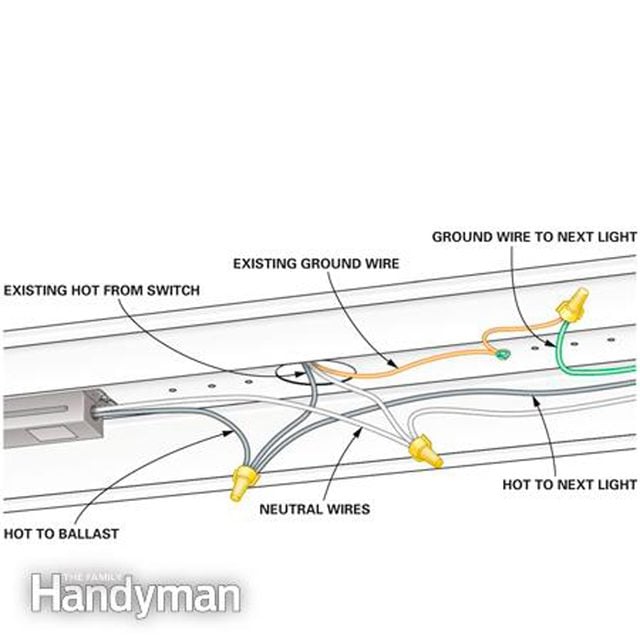
- Strip the wire ends using a wire stripper.
- Connect the black wire to the brass terminal.
- Attach the white wire to the silver terminal.
- Secure the green or bare wire to the green terminal.
Mounting Outlets
Once wires are connected, it's time to mount the outlets. Proper mounting ensures stability and accessibility.
After mounting, replace the outlet cover. Turn the power back on and test the outlet for functionality.
Credit: www.familyhandyman.com
Testing And Troubleshooting
After wiring outlets in your garage, testing ensures they work safely. Troubleshooting helps fix common problems.
Check each outlet carefully. Find issues early to avoid electrical hazards.
Power Testing
Use a voltage tester to check if power reaches each outlet. This shows if wiring is correct.
Test all outlets one by one. Make sure the tester lights up or shows voltage.
- Turn off the circuit breaker before testing wires.
- Remove outlet covers to access wires safely.
- Turn the breaker back on to test power at the outlet.
- Use a non-contact voltage tester for quick checks.
- Use a multimeter for detailed voltage readings.
Common Issues
Outlets may not work due to loose wires or tripped breakers. Check connections carefully.
Look for signs like sparks, burning smells, or no power at outlets. These are warning signals.
- Loose or disconnected wires at the outlet or junction box
- Tripped circuit breaker or blown fuse in the panel
- Incorrect wiring, such as reversed hot and neutral wires
- Damaged outlets or broken components
- Overloaded circuit causing frequent trips
Code Compliance Tips
Wiring outlets in a garage must meet safety rules. Following code helps avoid hazards.
Know the rules before starting your wiring project. This keeps your garage safe and legal.
Local Regulations
Local building codes vary by city and state. Check with your local office to learn the rules.
Permits are often required for electrical work. Inspections ensure your wiring is safe and correct.
- Contact your city or county building department
- Ask about permit needs for garage wiring
- Schedule inspections after installation
- Follow any special local electrical rules
Gfci Requirements
Garages usually need GFCI outlets to protect from shocks. GFCI means Ground Fault Circuit Interrupter.
These outlets shut off power quickly if they detect a problem. They reduce risk of electric shock.
- Install GFCI outlets in all garage locations
- Test GFCIs monthly using the test button
- Replace any faulty GFCIs immediately
- Use GFCIs for outlets near sinks or water

Credit: www.angi.com
Frequently Asked Questions
How Do I Wire Electrical Outlets In A Garage Safely?
To wire outlets safely, turn off power first. Use proper gauge wire and grounded outlets. Follow local codes and use a circuit breaker. Test connections before closing walls. Consider GFCI outlets for added protection against moisture.
What Type Of Wire Is Best For Garage Outlets?
Use 12-gauge wire for 20-amp circuits in garages. It supports most tools and appliances safely. Ensure the wire is rated for indoor use and meets local electrical codes. Always use wire with proper insulation for durability.
How Many Outlets Should A Garage Circuit Have?
A single 20-amp circuit can support up to 10 outlets. Space them evenly for convenience. Follow local codes which may specify minimum outlet numbers. Avoid overloading by distributing heavy appliances on separate circuits.
Should I Use Gfci Outlets In My Garage?
Yes, GFCI outlets are required in garages. They protect against electrical shocks by cutting power during faults. Install them at the first outlet on the circuit. Test regularly to ensure they function properly.
Conclusion
Wiring outlets in a garage can seem tough at first. Step-by-step, it becomes clearer and easier. Safety always comes first—check your work carefully. Proper wiring helps keep your garage functional and safe. This guide gives you the basics to start with.
Take your time and follow each step well. Soon, your garage will have reliable power where you need it most. Don't rush; good work lasts longer. Now, you can feel ready to wire outlets with confidence.