Are you tired of dealing with slow, clogged drains that cause frustration and mess? You don’t have to rely on harsh chemicals or costly plumber visits to keep your pipes clear.
How to prevent clogged drains naturally is simpler than you might think. Imagine using easy, eco-friendly methods that stop clogs before they start—saving you time, money, and stress.
In this guide, you’ll discover practical tips that fit seamlessly into your daily routine. With just a few small changes, you can protect your home’s plumbing and keep everything flowing smoothly.
Your drains will thank you

Credit: www.instagram.com
Common Causes of Clogged Drains
Clogged drains cause slow water flow and bad smells. They often result from materials blocking pipes. Knowing common causes helps prevent these problems naturally. Some blockages form from everyday habits. Others come from unexpected sources. Understanding these causes allows better care for home drains.
Hair And Soap Scum Build-up
Hair strands easily stick inside bathroom drains. Soap mixes with minerals in water to form scum. This scum clings to hair and pipe walls. Over time, these layers grow thick and slow water flow. Regular cleaning helps reduce this build-up before clogs form.
Grease And Food Particles
Grease poured down kitchen sinks hardens in pipes. Food bits trapped in grease create tough blockages. These substances coat the pipe walls and narrow the drain. Avoid pouring grease down drains to keep pipes clear.
Foreign Objects And Debris
Small items like cotton balls or paper towels can block drains. These objects do not dissolve and catch other debris. Dirt and sand also settle inside pipes, causing slow drainage. Keeping such items out of drains prevents clogs.
Mineral Deposits From Hard Water
Hard water leaves behind minerals in pipes. These deposits build up over time and reduce pipe diameter. Narrow pipes restrict water flow and cause backups. Using natural water softening methods can limit these deposits.
Benefits Of Natural Solutions
Natural solutions offer many benefits for preventing clogged drains. They use simple ingredients found at home. These methods avoid harsh chemicals that can harm pipes and the environment.
Natural solutions are safe for families and pets. They reduce the risk of allergic reactions or skin irritations. Using natural methods also supports a cleaner home and garden.
Eco-friendly And Safe For The Environment
Natural solutions break down waste without polluting water. They do not add harmful toxins to soil or rivers. Using natural cleaners helps protect wildlife and plants.
Cost-effective And Easy To Use
Many natural ingredients cost less than commercial cleaners. Common items like baking soda and vinegar are affordable. These solutions require no special tools or skills.
Prevents Damage To Pipes And Plumbing
Harsh chemicals can corrode pipes over time. Natural methods gently clear blockages without harming plumbing. This extends the life of your home’s drain system.
Reduces Build-up And Odors
Natural cleaners help remove grease and debris buildup. They also neutralize odors without masking smells. This keeps drains fresh and free-flowing longer.
Supports Healthier Indoor Air Quality
Chemical drain cleaners release strong fumes indoors. Natural solutions avoid harsh smells and toxins. This creates a safer air environment for everyone in the house.
Simple Tools For Drain Maintenance
Keeping your drains clean doesn’t always require harsh chemicals. With simple tools, you can maintain them naturally and avoid clogs. These tools are easy to use and effective for routine cleaning. Regular maintenance with these tools can save you time and effort in the long run.
1. Drain Strainers
Drain strainers catch debris before it enters your pipes. Use them in kitchen sinks to trap food particles. In bathrooms, they prevent hair from clogging the drain. Clean them daily to ensure they remain effective.
2. Plunger
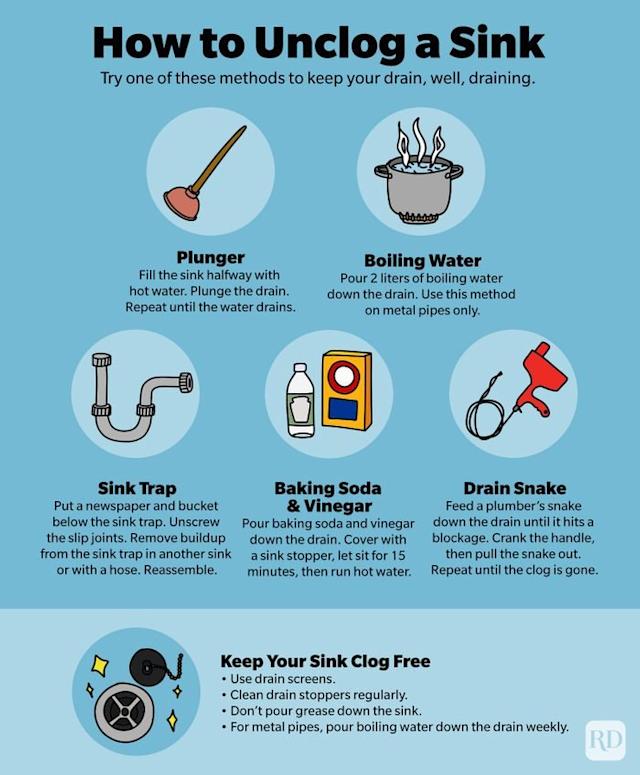
A plunger can help dislodge minor clogs. It creates suction to push debris through the pipe. Use it for sinks, showers, or tubs. Keep a separate one for kitchen and bathroom use.
3. Pipe Brush
A pipe brush helps clean the inside of your pipes. It removes buildup that may lead to clogs. Choose a brush size that fits your drain pipes. Use it monthly for better results.
4. Baking Soda and Vinegar
Baking soda and vinegar are natural cleaners for your drains. Pour baking soda followed by vinegar into the drain. Let it fizz for a few minutes, then rinse with hot water. This method helps clear grease and mild buildup.
5. Boiling Water
Boiling water can dissolve grease and soap residue. Pour it slowly into the drain to avoid splashes. Repeat weekly to prevent clogs from forming.
6. Wet/Dry Vacuum
A wet/dry vacuum can suck out stubborn debris. Set it to the wet mode and create a seal over the drain. Turn it on to pull out hair and other particles. It's a quick and effective method for deep cleaning.

Credit: www.facebook.com
Diy Baking Soda and Vinegar Remedy
Clogged drains can be frustrating, but did you know you can tackle them with simple items already in your kitchen? A baking soda and vinegar remedy is a natural, eco-friendly way to clean your drains without harsh chemicals. It’s easy, effective, and safe for your pipes—plus, it saves you money!
How Does The Baking Soda And Vinegar Combo Work?
The magic lies in the chemistry. When baking soda, a base, reacts with vinegar, an acid, it creates a fizzy reaction that helps break down grime, grease, and debris. This bubbling action loosens clogs and flushes out buildup in your pipes.
What You’ll Need
- 1/2 cup of baking soda
- 1 cup of white vinegar
- Boiling water
- A funnel (optional, but helpful)
Step-by-step Guide To The Remedy
- Start by pouring 1/2 cup of baking soda directly into the clogged drain. Use a funnel if needed to avoid spillage.
- Next, pour 1 cup of vinegar into the drain. Immediately cover the drain with a plug or a cloth to keep the fizzing action concentrated in the pipe.
- Let the mixture sit for 15-20 minutes. During this time, boil a kettle of water.
- Finally, pour the boiling water down the drain to flush out loosened debris. Repeat the process if necessary.
How Often Should You Use This Remedy?
For best results, use this remedy monthly as part of your regular home maintenance. Even if your drain isn’t clogged, it helps prevent buildup and keeps things flowing smoothly.
Why Choose A Natural Solution?
Harsh chemical cleaners can damage your pipes over time and may harm the environment. Baking soda and vinegar offer a safe alternative that’s just as effective. Plus, it’s satisfying to solve a problem with simple, natural ingredients, isn’t it?
So, next time your sink starts draining slowly, skip the expensive store-bought cleaners. Try this DIY remedy—you’ll thank yourself later!
Using Hot Water Effectively
Using hot water effectively is a simple way to keep drains clear and flowing smoothly. Hot water helps dissolve grease and soap buildup that often cause clogs. Pouring hot water down the drain regularly can prevent blockages before they start.
Hot water also loosens stuck debris, making it easier for the drain to flow freely. This natural method requires no harsh chemicals and is safe for all types of pipes. Consistent use of hot water helps maintain a healthy drain system.
Best Time To Pour Hot Water
Pour hot water down the drain after cooking or washing dishes. This helps clear away leftover grease and food particles. Use it once or twice a week for regular maintenance.
How Much Hot Water To Use
Use about 2 to 4 cups of hot water at a time. Avoid pouring boiling water directly if pipes are old or plastic. Let the water cool slightly before pouring to prevent damage.
Combining Hot Water With Natural Cleaners
Mix hot water with baking soda or vinegar to boost cleaning power. Pour half a cup of baking soda down the drain, then add half a cup of vinegar. Let it fizz for 10 minutes, then flush with hot water.
Precautions When Using Hot Water
- Do not use boiling water on PVC pipes.
- Allow water to cool for a few minutes before pouring.
- Use hot water regularly but not excessively.
Preventive Measures For Kitchen Drains
Preventing clogged kitchen drains starts with simple habits you can easily add to your daily routine. Small changes in how you handle food scraps and grease can save you from costly plumbing issues. Let’s look at practical ways you can keep your kitchen drains clear without harsh chemicals.
Use A Sink Strainer
A sink strainer catches food particles before they go down the drain. It’s a small device but highly effective at preventing buildup. You’ll avoid scraps slipping through and causing blockages later on.
Dispose Of Grease Properly
Pouring hot grease down the drain is a common mistake. It solidifies and sticks to pipes, leading to clogs. Instead, collect grease in a container and throw it in the trash once cooled.
Flush Drains With Boiling Water
Boiling water can help dissolve minor grease and soap buildup in your pipes. Try pouring a kettle of boiling water down the drain once a week. It’s a simple way to keep things flowing smoothly.
Scrape Plates Before Washing
Removing leftover food from your dishes before washing reduces the amount of debris entering the drain. This habit lessens the risk of blockages and keeps your drain cleaner for longer.
Regularly Clean Your Drain
Use natural cleaners like baking soda and vinegar to break down buildup inside pipes. Pour half a cup of baking soda followed by half a cup of vinegar, wait 15 minutes, then flush with hot water. This combo refreshes your drain without harsh chemicals.
Eco-friendly Tips For Bathroom Drains
Keeping bathroom drains clear without harsh chemicals helps the environment and your home. Natural methods prevent clogs and keep water flowing freely. These eco-friendly tips use simple ingredients you likely have at home. They protect pipes and reduce pollution. Use these easy habits to maintain clean drains safely and naturally.
Use Baking Soda And Vinegar
Baking soda and vinegar create a natural cleaning reaction. Pour half a cup of baking soda into the drain. Follow with half a cup of vinegar. Let it sit for 15 minutes. Then flush with hot water. This breaks down soap scum and hair gently.
Install A Drain Strainer
A drain strainer catches hair and debris before they enter pipes. Choose a fine mesh strainer that fits your drain. Clean it regularly to prevent buildup. This simple tool stops clogs without chemicals or effort.
Flush Drains With Hot Water Weekly
Pouring hot water down the drain weekly helps remove grease and soap. Heat water until it is very warm but not boiling. Slowly pour it down the drain. This practice keeps pipes clear and prevents slow drainage.
Limit Hair And Soap Waste
Brush hair before showering to reduce loose strands in the drain. Use only the necessary amount of soap or shampoo. Less soap means less residue buildup. Small changes make a big difference in drain health.
Use Natural Enzyme Cleaners
Enzyme cleaners break down organic material naturally. Choose products labeled safe for septic systems and the environment. Apply according to instructions. These cleaners support a healthy drain system without harsh chemicals.
Role Of Regular Cleaning
Regular cleaning plays a crucial role in preventing clogged drains naturally. It keeps debris from building up and causing blockages that disrupt your plumbing. By staying consistent, you avoid costly repairs and maintain smooth water flow.
How Often Should You Clean Your Drains?
Cleaning your drains once a month is a good rule of thumb. However, if you notice slow draining or unpleasant smells, it’s time to act sooner. Simple checks every week can help catch problems early before they get worse.
Effective Natural Cleaning Techniques
Using natural ingredients like baking soda and vinegar can keep your drains clear without harsh chemicals. Sprinkle baking soda down the drain, pour vinegar over it, and let it fizz for 10-15 minutes. Then, flush with hot water to wash away buildup.
Tools That Make Regular Cleaning Easier
A drain snake or a simple wire hanger can be a lifesaver for clearing hair and debris. These tools let you remove blockages manually without calling a plumber. Have them handy and use them regularly to prevent stubborn clogs.
What Happens When You Skip Regular Cleaning?
Ignoring your drains often leads to slow water flow, bad odors, and eventual blockages. Over time, this can cause leaks or damage pipes, increasing repair costs. Have you ever experienced a clogged drain that stopped you in your tracks? That frustration is avoidable with routine care.
Tips To Make Cleaning Part Of Your Routine
- Set a monthly reminder on your phone to clean drains.
- Use natural cleaning methods after cooking greasy meals.
- Encourage everyone in your home to avoid flushing inappropriate items.
- Keep small drain covers to catch hair and food particles.
Small habits create big results when it comes to preventing clogs.
Natural Drain Deodorizing Methods
Natural drain deodorizing methods are an excellent way to keep your drains smelling fresh without harsh chemicals. These simple techniques use everyday household items, making them safe for your pipes, your health, and the environment. If you've ever walked into your kitchen or bathroom and noticed an unpleasant odor, these solutions can help you tackle the problem effectively.
Use Baking Soda And Vinegar
Baking soda and vinegar are a powerful duo that not only deodorizes but also helps loosen minor clogs. Start by pouring about half a cup of baking soda into your drain. Follow it up with half a cup of white vinegar. You'll notice fizzing—that's the natural reaction working to break down residue.
Let the mixture sit for 15-20 minutes. Then flush it with boiling water to clear out any lingering debris. Repeat this once a month to maintain fresh-smelling drains.
Try Lemon And Salt
Lemon is great for neutralizing odors, and salt helps scrub away grime. Slice a lemon into wedges and squeeze the juice into your drain. Then sprinkle a handful of coarse salt into the drain.
Use a brush or sponge to scrub the drain opening gently. Rinse with hot water to wash away residue. This method not only deodorizes but leaves your kitchen with a refreshing citrus scent.
Use Essential Oils
Essential oils like tea tree, lavender, or eucalyptus can mask odors and even offer antibacterial benefits. Add a few drops of your chosen oil to a cup of warm water. Pour this mixture directly down the drain.
For an added boost, combine the essential oils with baking soda before rinsing. This method is especially useful for bathroom drains, which can often develop mildew smells.
Flush With Boiling Water
Sometimes all you need is a simple flush with boiling water. Boil a kettle of water and slowly pour it down the drain. This method helps dissolve grease and washes away accumulated debris.
To enhance the deodorizing effect, you can add a tablespoon of baking soda to the boiling water before pouring it down the drain.
Use Ice And Vinegar
Combine ice cubes and vinegar to clean and deodorize your garbage disposal or kitchen drain. Drop a handful of ice cubes into the drain, followed by a splash of vinegar.
Run the disposal for a few seconds to grind the ice cubes. The ice helps dislodge stuck debris, while vinegar neutralizes odors. Finish by rinsing with cold water.
Which of these methods will you try first? Keeping your drains fresh doesn’t have to be complicated—give these natural solutions a shot and enjoy the difference!

Credit: www.facebook.com
Avoiding Harmful Chemical Products
Choosing to avoid harmful chemical drain cleaners is a smart step toward protecting your pipes and the environment. These products often contain harsh substances that can damage plumbing over time and pollute water sources.
Instead, focus on natural and gentle ways to keep your drains flowing freely. This not only preserves your home’s plumbing but also keeps your household safer from toxic fumes or accidental exposure.
Avoid Harsh Chemicals That Damage Pipes
Harsh chemicals like sulfuric acid or sodium hydroxide can corrode metal pipes and wear down plastic ones. Over time, this weakens your plumbing and can lead to expensive repairs.
Have you noticed a strange smell or slow drain after using a chemical cleaner? That could be a sign of pipe damage starting to happen.
Protect Your Household And The Environment
Many chemical drain cleaners release toxic fumes that can irritate your eyes, skin, and lungs. Using safer alternatives means you don’t have to worry about accidental exposure, especially if you have kids or pets.
Plus, these chemicals often end up in rivers and groundwater, harming fish and plants. Avoiding them helps keep your local environment healthy.
Choose Natural Alternatives You Can Trust
Simple ingredients like baking soda, vinegar, and hot water can work wonders on clogged drains. They break down grease and debris without harsh side effects.
- Sprinkle baking soda down the drain
- Pour vinegar over it and wait 15 minutes
- Flush with boiling water to clear residue
Try this method next time you feel your drain is slowing. You’ll be surprised how effective and safe it can be.
Frequently Asked Questions
What Natural Ingredients Prevent Clogged Drains Effectively?
Baking soda and vinegar are natural drain cleaners. They break down grease and debris gently. Regular use keeps drains clear and odor-free without harsh chemicals.
How Often Should Natural Drain Cleaning Be Done?
Clean drains naturally once a month. This routine prevents buildup and maintains smooth water flow. Consistent care avoids costly plumbing issues.
Can Boiling Water Help Clear Slow Drains Naturally?
Yes, boiling water dissolves grease and soap scum. Pour it slowly down the drain weekly to prevent clogs. It’s a simple, eco-friendly maintenance tip.
Are Homemade Drain Cleaners Safe For All Pipes?
Natural cleaners like baking soda and vinegar are safe for most pipes. They don’t corrode metal or plastic. Avoid harsh chemicals to protect plumbing longevity.
Conclusion
Preventing clogged drains starts with simple daily habits. Avoid pouring grease or food scraps down the sink. Use natural cleaners like baking soda and vinegar regularly. These easy steps keep your drains clear and fresh. Small efforts now save costly repairs later.
Healthy drains mean less stress and better home hygiene. Stay consistent, and you will see results soon. Natural methods protect pipes and the environment too. Clean drains make your home more comfortable every day. Keep these tips in mind for smooth, clog-free plumbing.