

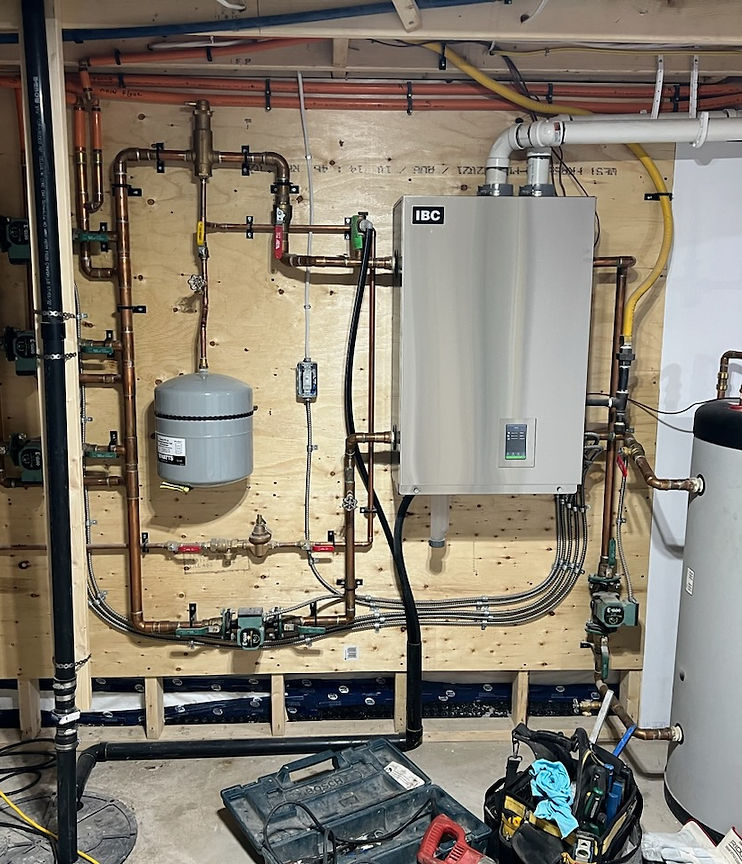
Are you thinking about installing or upgrading an electric hot water heater? Wiring it properly is crucial for safety and efficiency.
If you’ve ever felt overwhelmed by the thought of dealing with wires and connections, don’t worry—you're not alone. Many homeowners face the same challenge. But understanding the wiring process can transform your approach from anxious to confident. Imagine the peace of mind that comes from knowing your water heater is set up correctly, giving you reliable hot water whenever you need it.
In this guide, we'll walk you through the basics of wiring an electric hot water heater, turning what seems like a daunting task into a manageable project. Ready to take control and ensure your home’s hot water runs smoothly? Let’s dive in!
Tools And Materials Needed
Wiring an electric hot water heater needs the right tools and materials. Using proper equipment ensures safety and efficiency. Prepare everything before starting the installation to avoid delays.
Essential Tools For Wiring
- Wire stripper: Removes insulation from electrical wires cleanly.
- Voltage tester: Checks power to ensure the circuit is off.
- Screwdrivers: Both flathead and Phillips for securing connections.
- Needle-nose pliers: Helps bend and hold wires in tight spots.
- Electrical tape: Insulates wire connections safely.
- Drill with bits: Needed for mounting brackets or running wires.
- Multimeter: Measures voltage, current, and resistance accurately.
Materials Required For Installation
- Appropriate gauge electrical wire: Usually 10 or 12 gauge for water heaters.
- Wire nuts: Secure wire connections inside junction boxes.
- Conduit or cable clamps: Protect wires and keep them organized.
- Circuit breaker: Dedicated breaker rated for the heater’s power.
- Electrical box: Houses wiring connections safely.
- Grounding wire: Ensures proper grounding for safety.
- Water heater disconnect switch: Allows safe power cut-off for maintenance.

Credit: www.reddit.com
Safety Precautions
Safety is the top priority when wiring an electric hot water heater. Proper precautions prevent shocks, fires, and damage. Following safety steps ensures a smooth and secure installation. Every detail matters, from tools to wiring connections.
Careful planning and respect for electrical codes reduce risks. Use protective gear and double-check all work. Awareness of potential hazards keeps you and your home safe during the project.
Turn Off Power At The Circuit Breaker
Always switch off power before starting any wiring work. Confirm the power is off with a voltage tester. This step stops electric shocks and accidents instantly.
Use Proper Tools And Equipment
Choose insulated tools designed for electrical work. Use a voltage tester, wire strippers, and screwdrivers with insulated handles. Correct tools improve safety and work quality.
Follow Local Electrical Codes
Adhere to local rules for wiring and installation. Codes protect your home and ensure compliance with safety standards. Check guidelines before beginning any wiring task.
Wear Protective Gear
Use gloves and safety glasses to guard against sparks and sharp edges. Protective clothing reduces injury risks during wiring. Stay cautious at all times.
Inspect Wiring And Connections
Examine wires for damage or wear before use. Tighten all connections securely to avoid loose contacts. Faulty wiring can cause shorts or fires.
Keep Water Away From Electrical Components
Ensure the work area is dry and free of moisture. Water near electrical parts causes dangerous shocks. Use a dry cloth to clean surfaces if needed.
Test The System Before Use
Double-check all connections and power restoration carefully. Use a voltage tester to confirm safe operation. Testing prevents hidden faults and ensures reliability.
Shutting Off Power
Before you start wiring your electric hot water heater, shutting off the power is the most important safety step you must take. Working on live electrical circuits can cause serious injury or damage. Taking a moment to cut the power protects you and your home.
Locate Your Circuit Breaker
Find the main electrical panel in your home. It’s usually in the basement, garage, or utility room. Look for the breaker labeled for the water heater. If it’s unlabeled, you might need to switch off breakers one by one to identify the right one.
Switch Off The Correct Breaker
Flip the breaker switch to the OFF position. This cuts the electrical supply to the water heater. Never rely on just turning off the heater’s thermostat or unplugging it; the breaker must be off.
Verify The Power Is Off
Use a non-contact voltage tester or a multimeter to check the wires at the heater. The tester should show no electrical current. This step ensures you won’t get shocked when handling the wiring.
Lockout And Tagout For Extra Safety
If you’re working in a shared or commercial space, consider locking the breaker switch in the OFF position. Add a tag that warns others not to turn it back on. This prevents accidental re-energizing of the circuit while you work.
Why Skip Shortcuts?
Have you ever thought about why some people skip shutting off power and pay the price later? Even brief contact with live wires can cause severe shocks. Taking time to shut off the power is not just smart—it’s necessary.

Credit: www.amazon.ca
Removing The Old Heater Wiring
Removing the old heater wiring is an important part of replacing an electric hot water heater. This process requires care to avoid electric shocks and damage. Always turn off the power supply at the breaker box before starting.
Disconnecting the old wiring allows space for the new connections. It also helps check the condition of wires and terminals. Proper removal ensures a safe and clean installation of the new heater.
Turning Off The Power Supply
Locate the circuit breaker for the hot water heater. Switch it off to cut power completely. Use a voltage tester to confirm no electricity flows through the wires.
Removing The Heater Access Panel
Unscrew the access panel on the heater’s side. This reveals the wiring and connections. Keep screws safe for later use with the new heater.
Disconnecting The Wiring Connections
- Note the wiring setup or take a photo.
- Loosen wire nuts or terminal screws carefully.
- Separate wires gently without damaging them.
Inspecting The Old Wiring
Look for frayed wires or corrosion. Replace any damaged cables before installing the new heater. Good wiring prevents future electrical problems.
Checking Electrical Requirements
Checking the electrical requirements is crucial before wiring an electric hot water heater. It ensures safety and proper function. You must confirm the circuit breaker size and the wire gauge type. These two factors protect your home’s electrical system and keep the heater running efficiently.
Circuit Breaker Specifications
The circuit breaker protects against electrical overloads. It stops power flow if there is a fault. Most electric water heaters need a dedicated breaker. The size depends on the heater’s wattage and voltage.
Common breaker sizes for water heaters range from 30 to 50 amps. Check your heater’s manual for exact requirements. Using a breaker that is too small causes frequent trips. One that is too large risks overheating wires.
Wire Gauge Selection
Wire gauge refers to the thickness of the electrical wire. Thicker wires carry more current safely. The correct gauge depends on the amperage and wire length.
Here is a simple guide for wire gauge based on breaker size:
| Breaker Size (Amps) | Recommended Wire Gauge |
|---|---|
| 30 | 10 AWG |
| 40 | 8 AWG |
| 50 | 6 AWG |
Always check local electrical codes. Longer wire runs may require thicker wire. This reduces voltage drop and improves performance.
Preparing The New Wiring
Preparing the new wiring for your electric hot water heater is a crucial step that sets the foundation for a safe and efficient installation. Handling the wiring carefully ensures the heater operates without electrical issues or hazards. It requires attention to detail and the right tools to get everything ready properly.
Measuring And Cutting Wires
Start by measuring the distance from your circuit breaker panel to the water heater location. Add a little extra length to allow for bending and connections. Precise measurement helps avoid having wires that are too short or too long, which can be troublesome during installation.
Use a tape measure and mark the wire with a marker or tape at the exact length needed. Then, cut the wire cleanly using a wire cutter or electrician’s scissors. Remember, a straight and clean cut prevents damage to the wire strands and makes stripping easier.
Stripping Wire Insulation
After cutting, the next step is stripping the insulation off the wire ends to expose the copper conductors. Use a wire stripper tool that matches the wire gauge to avoid nicking the wires. Damaged wires can lead to poor connections or even shorts, so be gentle but firm.
Strip about ¾ inch of insulation from each wire end. If you’re unsure, check the heater’s wiring instructions for exact specifications. Keeping the exposed wire consistent helps you make solid connections under the terminal screws or wire nuts.
Connecting Wires To The Heater
Connecting wires to your electric hot water heater is a task that demands precision and care. Proper wiring ensures your heater runs safely and efficiently, preventing electrical hazards and costly repairs. Before you start, make sure the power is turned off at the circuit breaker to protect yourself from electric shock.
Identifying Terminals
Every electric hot water heater has specific terminals where you connect the wires. Usually, you’ll find two hot terminals labeled “L1” and “L2” or simply marked as “Line 1” and “Line 2.” These terminals are for the live wires that carry electricity from your home’s power supply to the heater.
There is also a neutral terminal in some models, often marked as “N.” Identifying these terminals correctly is crucial because mixing them up can cause the heater to malfunction or create a dangerous situation. Check your heater’s wiring diagram, typically found inside the access panel or in the user manual, to confirm terminal locations.
Attaching Ground Wire
Never overlook the ground wire—it’s your safety net against electrical faults. The ground wire connects to the heater’s grounding screw or grounding terminal, usually marked with a green screw or the word “Ground.”
Attaching the ground wire properly ensures that any stray electrical current safely travels to the earth, reducing the risk of shock. If you skip this step, you put yourself and your home at risk. Use a screwdriver to securely fasten the ground wire, making sure it has a solid connection without any loose strands.
Securing The Wiring
Securing the wiring of an electric hot water heater is crucial for safety and performance. Proper connections prevent loose wires, which can cause sparks or shorts. Tight and secure wiring ensures a reliable power flow to the heater. This section explains key techniques for securing wiring safely and effectively.
Using Wire Nuts
Wire nuts connect wires safely and prevent exposure. Twist the wires together before placing the nut. Turn the wire nut clockwise until tight. It should hold wires firmly without slipping. Always use the right size wire nut for the wires. Check that no bare wire is exposed outside the nut. Properly installed wire nuts reduce the risk of electrical faults.
Clamping Cables
Clamps keep cables in place and avoid strain on connections. Attach clamps near wire entry points on the heater. Use clamps designed for the cable type and size. Secure cables without crushing or damaging them. Proper clamping prevents wires from pulling loose. It also protects wires from wear and tear over time.
Restoring Power And Testing
Restoring power to your electric hot water heater requires care and attention. Safety must come first to avoid electrical hazards or damage. After wiring, confirm all connections are secure and insulated before turning power back on. Testing ensures the heater works properly and heats water efficiently. This process helps identify wiring issues early, preventing future problems.
Turning On Circuit Breaker
Locate the circuit breaker for your hot water heater in the main panel. Switch the breaker to the ON position slowly and firmly. Listen for any unusual sounds or smells that could indicate electrical issues. If the breaker trips immediately, turn it off and double-check all wiring connections. Only restore power once you are confident the wiring is safe and correct.
Checking For Proper Operation
After restoring power, check if the water heater starts heating. Wait about 30 minutes and then test the water temperature at a tap. The water should feel warm or hot, showing the heater works properly. Watch for any unusual noises or leaks around the unit. If the heater does not heat or shows problems, turn off power and inspect the wiring again.
Troubleshooting Common Issues
Wiring an electric hot water heater can sometimes lead to issues that interrupt your daily routine. Troubleshooting these problems quickly helps you avoid cold showers and unexpected repair costs. Let’s look at common wiring problems and how to fix them effectively.
Checking The Power Supply
First, ensure your water heater is receiving power. A tripped circuit breaker or blown fuse is often the culprit. Have you ever found your breaker switch flipped without knowing why? It happens more than you think.
Use a voltage tester to confirm power at the heater’s terminals. If there's no power, reset the breaker or replace the fuse. If it trips again immediately, there might be a short circuit or wiring fault.
Inspecting The Thermostat Wiring
The thermostat controls the water temperature by regulating power flow. Loose or damaged wires can cause the heater to stop working or overheat water. Check all connections for tightness and signs of wear.
Sometimes, a wire may appear intact but have internal breaks. Gently wiggle wires to see if the heater responds. Have you ever experienced inconsistent water temperature that suddenly changes?
Testing The Heating Elements
Heating elements convert electricity into heat. Faulty elements often cause no hot water or insufficient heat. Use a multimeter to test for continuity; no continuity means the element needs replacement.
Remember to turn off power before testing. Replacing a heating element yourself can save time and money, but only if you’re comfortable working with electrical components.
Examining Grounding And Safety Switches
Proper grounding prevents electrical shocks and protects your home. Check the ground wire connection for corrosion or looseness. Safety switches like the high-limit switch can trip if the water gets too hot or wiring shorts.
If your safety switch keeps tripping, it might be faulty or signal a bigger problem. Do you regularly inspect your wiring connections to avoid surprises?
Recognizing Signs Of Wiring Damage
Look for discoloration, melting, or burning smells near wiring or the heater unit. These signs often indicate overheating or electrical faults. Ignoring them risks fire hazards.
Regularly inspect wiring, especially if your home is older. Spotting damage early prevents costly repairs and keeps your family safe.

Credit: waterheatersnow.com
Frequently Asked Questions
How Do I Wire An Electric Hot Water Heater Safely?
Turn off power at the breaker before wiring. Use the correct gauge wire and connectors. Follow the manufacturer’s wiring diagram precisely. Ensure all connections are tight and insulated. Test the circuit after installation for proper function and safety compliance.
What Size Wire Is Needed For A Hot Water Heater?
Typically, 10-gauge wire is used for a 30-amp circuit. Check the heater’s specifications to confirm amperage needs. Using the correct wire size prevents overheating and fire hazards. Always adhere to local electrical codes for safety.
Can I Wire A Hot Water Heater Without An Electrician?
DIY wiring is possible but not recommended unless experienced. Incorrect wiring risks electric shock and damage. Hiring a licensed electrician ensures proper, safe installation. It also guarantees compliance with electrical codes and standards.
Why Is Grounding Important For A Hot Water Heater?
Grounding prevents electrical shock by redirecting stray current. It protects both the user and appliance. Proper grounding is required by electrical codes. Always connect the heater’s ground wire to the home’s grounding system.
Conclusion
Wiring an electric hot water heater needs care and attention. Always follow safety rules and local codes. Double-check connections before turning power on. Using the right tools makes the job easier and safer. If unsure, ask a professional for help.
Proper wiring ensures your heater works well and lasts longer. Stay safe and enjoy warm water every day. Simple steps make a big difference.

