


Are you wondering where to install cabinet hardware for the best look and function? Choosing the right spot can transform your kitchen or bathroom, making your cabinets easier to open and adding style to your space.
But if you place handles or knobs in the wrong position, it can feel awkward and even damage your cabinets over time. You’ll discover simple, expert tips on exactly where to put your cabinet hardware so it feels natural every time you reach for it.
Keep reading to make your cabinets not just beautiful, but truly user-friendly.
Choosing Hardware Types
Cabinet hardware adds style and function to your kitchen or bathroom. Picking the right type helps you open doors easily. It also matches your room’s look.
Two main types of hardware are knobs and pulls. Each works well in different places. You should know their differences before choosing.
Knobs Vs Pulls
Knobs are small and round or square. They need just one screw and fit on cabinet doors or drawers. Pulls are longer and need two screws. They give a better grip for bigger drawers.
- Knobs are easy to install and clean.
- Pulls offer more control and comfort.
- Knobs suit small doors or simple styles.
- Pulls match modern or large cabinets.
- You can mix knobs and pulls for a unique look.
Material And Finish Choices
Hardware materials affect durability and style. Finishes change the color and texture. Choose ones that fit your room’s theme and use.
| Material | Best For | Care Tips |
| Stainless Steel | Modern kitchens, moisture areas | Wipe with damp cloth, avoid harsh cleaners |
| Brass | Traditional style, warm tones | Polish regularly to keep shine |
| Chrome | Bright, sleek look | Clean with mild soap and water |
| Bronze | Rustic or vintage designs | Use soft cloth, avoid abrasive pads |
| Plastic | Budget-friendly, light use | Clean with mild soap, replace if worn |
Placement On Cabinet Doors
Cabinet hardware must be placed in the right spot on doors. This makes cabinets easy to open and looks neat.
Good placement also keeps your hardware from getting loose or damaged over time.
Standard Height And Position
Most cabinet knobs and pulls are installed about 2 to 3 inches from the edge. This is usually from the top or side edge of the door.
For upper cabinets, place the hardware near the bottom corner. For lower cabinets, place it near the top corner.
- Knobs go 2 to 3 inches from the edge
- Upper cabinets: hardware near bottom corner
- Lower cabinets: hardware near top corner
- Keep hardware at a comfortable height to reach
Corner And Edge Placement Tips
Place hardware close to the door corner but leave some space from the edge. This helps prevent the door from splitting.
Measure carefully to keep the hardware straight and even on all doors for a clean look.
- Leave 2 to 3 inches from door edge
- Keep screws away from door corners
- Use a ruler or template for even spacing
- Check alignment before drilling holes
Placement On Drawers
Choosing the right place to install cabinet hardware on drawers is key. It affects how easy the drawers open and how good they look.
This guide focuses on two main ideas: center vs offset handles, and keeping consistency across different drawer sizes.
Center Vs Offset Handles
Center handles sit in the middle of the drawer front. Offset handles are placed near the edge. Each style has its own look and feel.
- Center handles:They give a balanced and classic appearance.
- Offset handles:They allow easier grip, especially on wide drawers.
- Drawer size:Large drawers often work better with offset handles for comfort.
- Style match:Match handle placement with cabinet style for a neat look.
Consistency Across Different Sizes
Keep hardware placement consistent across drawers of different sizes. This helps the cabinets look organized and planned.
| Drawer Size | Recommended Handle Placement | Measurement from Edge |
| Small (Under 12") | Center | Center of drawer front |
| Medium (12"–24") | Either center or offset | 2 to 3 inches from edge if offset |
| Large (Over 24") | Offset | 3 to 4 inches from edge for easy grip |
Ergonomics And Accessibility
Cabinet hardware placement affects how easy and comfortable it is to use. Good placement helps everyone reach and operate cabinets safely.
Ergonomics and accessibility ensure that cabinet hardware works well for all users, including children and people with disabilities.
Height Considerations
Place cabinet hardware at a height that fits most users. Avoid putting handles too high or too low.
For kitchen cabinets, handles between 28 and 34 inches from the floor work well for adults.
- Lower cabinets: place hardware near the top edge
- Upper cabinets: place hardware near the bottom edge
- For drawers, center the hardware for easy reach
- Consider users’ heights when choosing exact placement
Ease Of Use For All Users
Choose hardware that is easy to grip and pull. Small knobs can be hard to use for people with weak hands.
Lever-style handles or larger pulls help users with limited strength or arthritis.
- Use handles that fit the hand size of most users
- Make sure hardware does not require tight gripping or twisting
- Test hardware with different users if possible
- Keep hardware consistent across cabinets for ease
Aligning Hardware With Design
Choosing the right cabinet hardware is important. It affects the look of your space. Hardware should match your design style. This ensures a cohesive appearance throughout your home.
Where you install cabinet hardware matters. Proper placement makes your kitchen or bathroom functional. It also enhances the overall aesthetic. Let’s explore how to align hardware with your design.
Matching Style And Theme
Your cabinet hardware should reflect your home’s style. This includes modern, rustic, or traditional themes. Matching hardware complements the room’s design. It creates a seamless look.
Consider the materials and finishes of your hardware. They should align with other elements in the room. For example, use brushed nickel for a modern look. Opt for bronze for a classic theme.
- Modern homes: sleek and simple designs
- Rustic spaces: distressed or antique finishes
- Traditional themes: ornate and detailed hardware
Balancing Functionality And Aesthetics
Cabinet hardware must be easy to use. Choose handles that fit comfortably in your hand. This ensures convenience and usability. Also, think about the placement. Handles should be easy to reach.
While functionality is key, aesthetics should not be ignored. Select designs that enhance your room’s beauty. The right hardware can be both practical and attractive.
| Function | Design Tip |
| Easy grip | Choose rounded handles |
| Durability | Select sturdy materials |
| Visual appeal | Match with cabinet color |

Credit: plankhardware.com
Tools And Techniques For Installation
Installing cabinet hardware needs the right tools and careful techniques. Proper installation makes your cabinets look neat and work well.
This guide explains how to measure and mark for hardware placement. It also covers using templates and jigs to make the job easier and more accurate.
Measuring And Marking Tips
Measure carefully to place cabinet handles and knobs in the right spots. Mark the spots clearly before drilling holes.
Use a ruler or tape measure for accuracy. Mark with a pencil so you can erase if needed.
- Measure from the edge of the door or drawer
- Mark the center point for knobs
- For handles, mark both ends evenly
- Check measurements twice to avoid mistakes
- Use a level to keep marks straight
Using Templates And Jigs
Templates and jigs help you place hardware holes quickly and evenly. They reduce errors and save time.
Many hardware sets come with plastic templates. You can also buy adjustable jigs or make your own from scrap wood.
- Align the template or jig on the cabinet face
- Clamp it in place to avoid movement
- Mark all hole positions through the template
- Drill holes carefully following the marks
- Test fit the hardware before final tightening
Common Mistakes To Avoid
Installing cabinet hardware can change the look of your kitchen. Doing it wrong can cause issues. Here are common mistakes to avoid.
Learn how to avoid these mistakes for a neat and tidy finish.
Uneven Spacing Issues
Spacing is key when installing cabinet hardware. Uneven spacing looks unprofessional. Always measure carefully before drilling holes.
- Use a template for consistent spacing
- Check alignment twice before drilling
- Consider using a level for accuracy
Wrong Hardware Size
Choosing the wrong hardware size can affect cabinet functionality. Handles that are too large or too small can look awkward.
| Cabinet Type | Recommended Handle Size |
| Small Drawers | 3-4 inches |
| Large Cabinets | 6-8 inches |
| Pantry Doors | 8-12 inches |
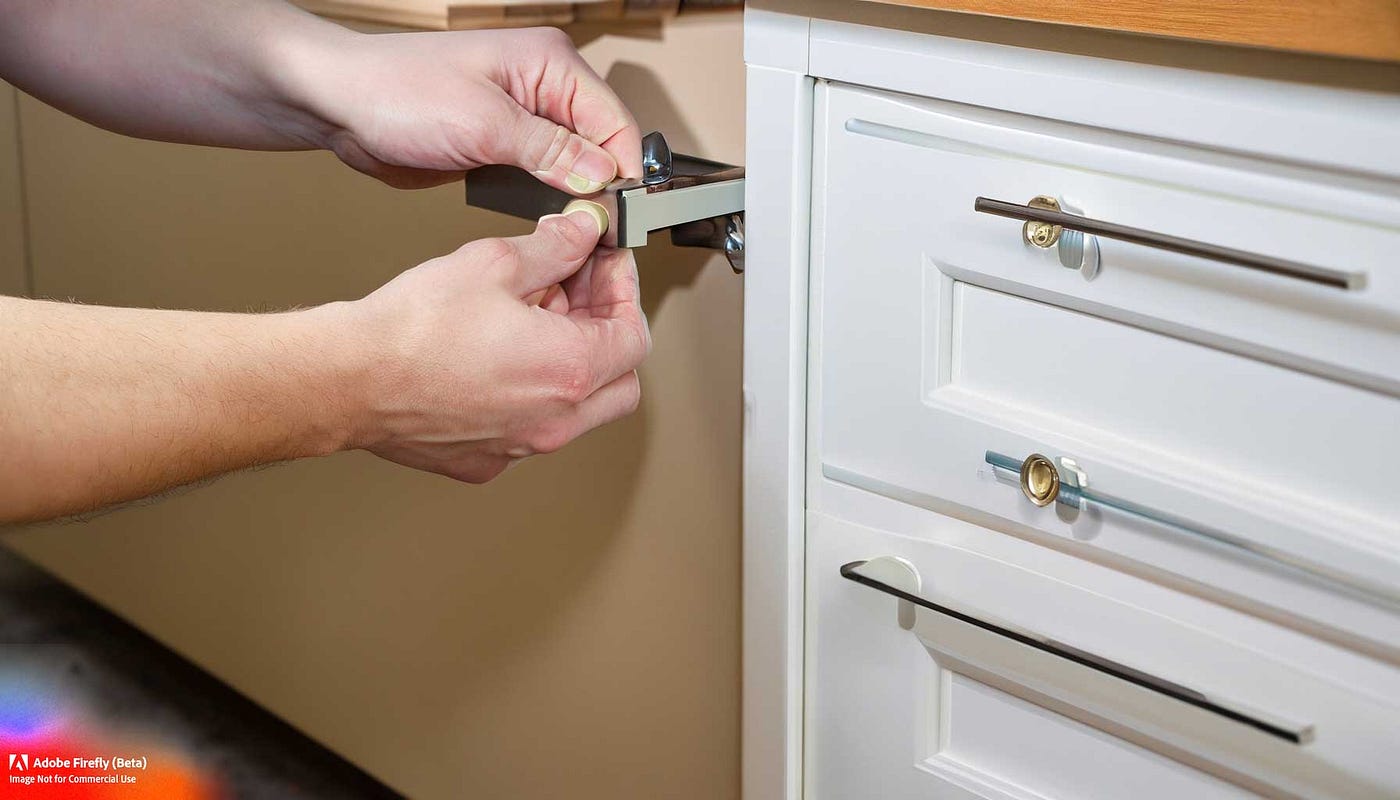
Credit: medium.com

Credit: www.fynesdesigns.com
Frequently Asked Questions
Where Should Cabinet Knobs Be Installed?
Cabinet knobs are usually installed at the center of the door or drawer front. Position them 2. 5 to 3 inches from the edge for easy grip. Proper placement ensures both functionality and aesthetics in your kitchen or bathroom cabinets.
How High To Install Cabinet Pulls?
Cabinet pulls are often installed 3 to 4 inches from the drawer or door edge. For drawers, place pulls horizontally centered. On doors, install vertically near the edge for smooth opening. Correct height enhances cabinet usability and looks.
Can Cabinet Hardware Be Installed Anywhere?
While cabinet hardware can be installed in various spots, common locations maximize efficiency. Standard placement near edges or corners allows easy access. Avoid random positions to maintain consistency and visual appeal in your cabinetry design.
Should Cabinet Hardware Align On Doors And Drawers?
Yes, aligning hardware on doors and drawers creates a cohesive look. Consistent alignment improves kitchen or bathroom aesthetics. It also helps with ergonomic use, making your cabinet hardware functional and stylish.
Conclusion
Choosing the right spot to install cabinet hardware makes a big difference. It helps your kitchen or bathroom look neat and work well. Think about how you open doors and drawers every day. Place handles where your hand naturally goes.
This way, using your cabinets feels easy and smooth. Remember, small details change the whole room’s style. Take your time, measure well, and enjoy the final look. Simple steps lead to a better space for your home.

