


Are you wondering when an electrical inspection is really necessary for your home or business? Knowing the right time to get your electrical system checked can save you from costly repairs, dangerous hazards, and even legal issues.
Whether you’re planning a renovation, moving into a new place, or just want to keep your family safe, this guide will help you understand exactly when and why an electrical inspection is essential. Keep reading to protect your property and peace of mind before it’s too late.

Credit: www.abovethecodeelectrical.com
Electrical Inspection Basics
Understanding the basics of electrical inspections can save you from unexpected hazards and costly repairs. These inspections ensure your electrical system is safe, efficient, and compliant with local codes. Knowing when and why to get an inspection can protect your home and your loved ones.
What Is An Electrical Inspection?
An electrical inspection is a thorough check of your home’s wiring, outlets, circuit breakers, and other electrical components. A certified electrician or inspector looks for signs of wear, outdated installations, and potential safety hazards. This process helps catch problems before they cause damage or injury.
Why Are Electrical Inspections Important?
Electrical systems can degrade over time or become unsafe after repairs or renovations. Inspections identify issues like faulty wiring or overloaded circuits that could lead to fires. Have you ever experienced frequent breaker trips or flickering lights? These could be signs that your system needs checking.
Who Should Perform Electrical Inspections?
Only a qualified professional with proper certification should conduct an electrical inspection. They have the training to spot hidden dangers that untrained eyes might miss. Hiring a licensed electrician also ensures the inspection meets local safety standards and regulations.
How Often Should Electrical Inspections Be Done?
Regular inspections depend on the age and condition of your electrical system. New homes typically require an inspection before moving in. Older homes should be checked every 3 to 5 years, or immediately if you notice electrical issues or after major renovations.
What Happens During An Electrical Inspection?
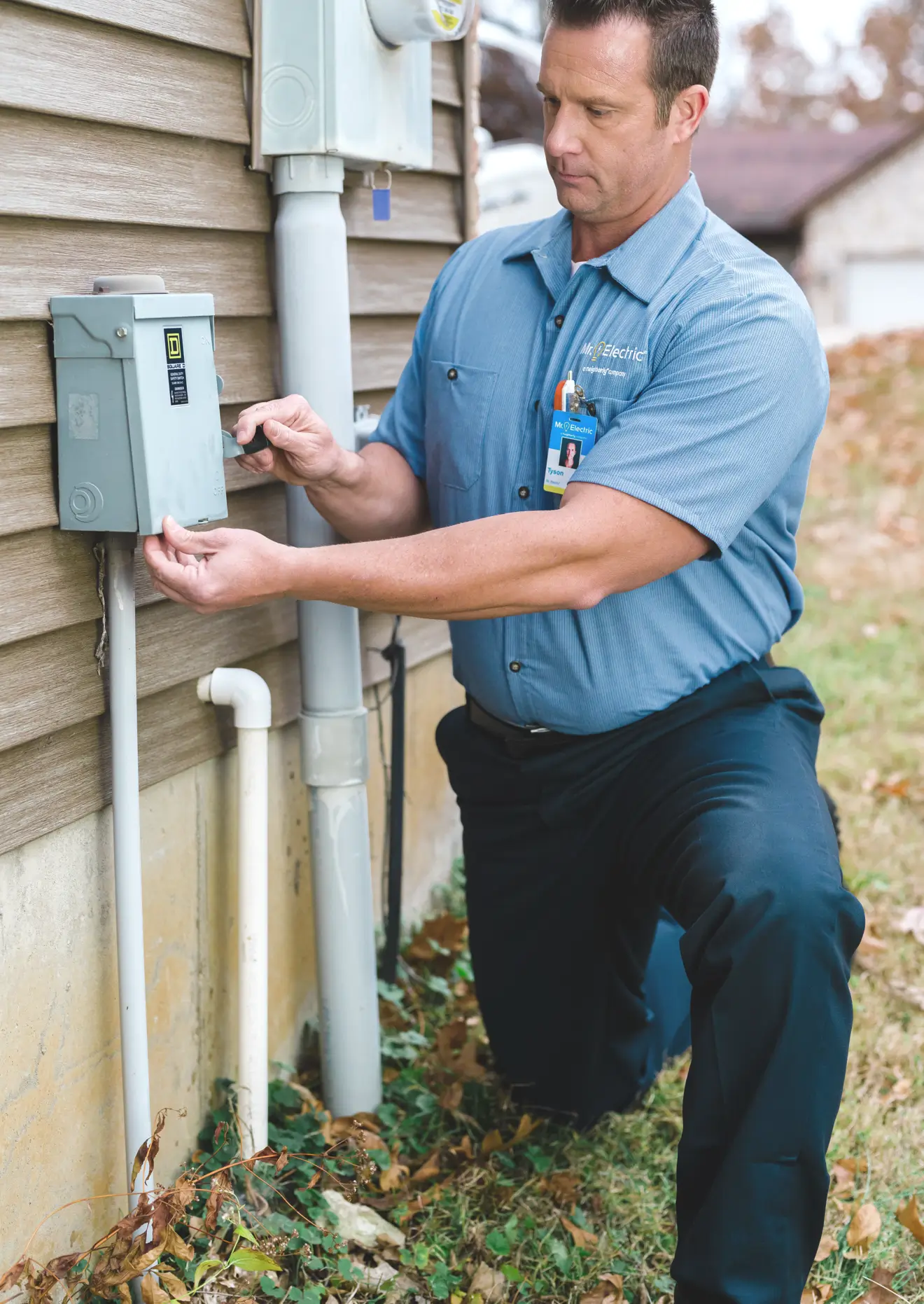
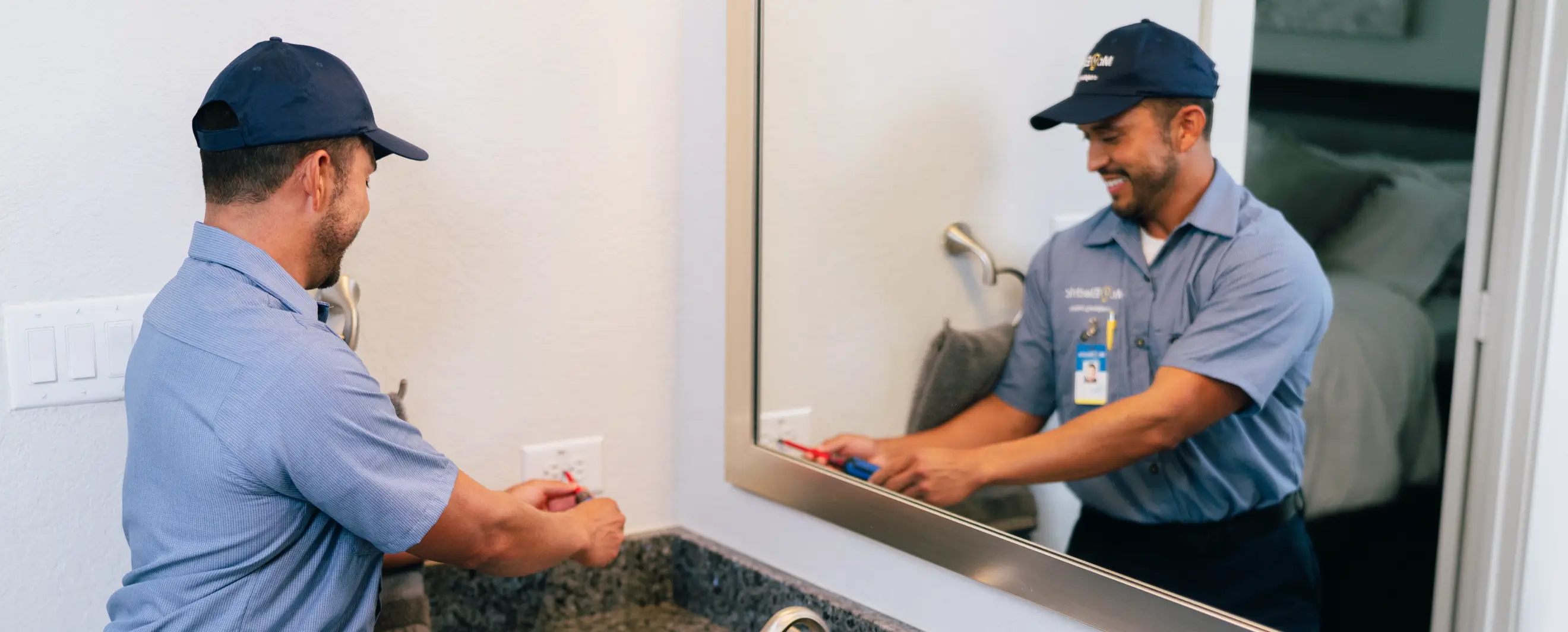
The inspector tests outlets, checks wiring connections, and reviews your circuit breaker panel. They look for signs of overheating, corrosion, or improper installations. You’ll receive a report detailing any problems and recommendations for repairs or upgrades.
Credit: mrelectric.com
Common Triggers For Inspections
Electrical inspections ensure safety and code compliance. Certain situations often require these inspections. Knowing common triggers helps prepare for timely checks. These inspections protect homes and businesses from electrical hazards.
New Construction Projects
Electrical inspections are essential in new construction. Inspectors verify wiring, outlets, and panels meet safety codes. They check grounding and circuit protections. Without inspection, hidden faults can cause fires or shocks. Passing these inspections allows safe power use in a new building.
Major Renovations
Renovations often involve electrical system changes. Adding rooms or upgrading kitchens usually needs inspection. Inspectors confirm the new wiring is correct and safe. They also check if circuits handle extra load. This prevents overloading and electrical failures in remodeled spaces.
Property Sales And Purchases
Buying or selling a property often triggers inspections. Buyers want assurance the electrical system is safe and functional. Sellers may need inspections to meet legal requirements. Inspectors look for outdated wiring or code violations. This helps avoid costly repairs after the sale.
Signs Of Potential Electrical Hazards
Electrical hazards can pose serious risks to your home and safety. Recognizing the signs of potential electrical issues can help prevent accidents. Some warning signs indicate the need for an immediate electrical inspection. Below are key signs to watch for.
Frequent Circuit Breaker Trips
Circuit breakers are designed to protect your home from electrical overloads. If they trip often, it may signal an underlying issue. Overloaded circuits, faulty wiring, or damaged appliances could be the cause. Ignoring frequent trips can increase the risk of electrical fires.
Burning Smells Near Outlets
A burning smell around outlets or switches is a red flag. This may indicate overheating wires or melting insulation. Stop using the outlet immediately and contact an electrician. Delaying action could lead to severe damage or fire hazards.
Flickering Or Dimming Lights
Lights that flicker or dim unexpectedly can indicate wiring problems. Loose connections or overloaded circuits might be the cause. If multiple lights are affected, it could point to a larger electrical issue. Investigating this early can prevent more significant problems later.
Post-disaster Assessments
Post-disaster electrical inspections are crucial for maintaining safety and preventing hazards. Natural disasters can severely impact electrical systems, posing risks to property and lives. Inspections help identify hidden damage and ensure the system functions safely. Below, explore common disaster-related electrical risks that require professional assessments.
Flood Damage Risks
Floodwaters can infiltrate electrical components, causing short circuits or corrosion. Wiring, outlets, and panels exposed to water may become unsafe. Moisture increases the risk of electric shocks or fires. Professionals can assess and replace damaged parts to restore safety.
Fire Damage Concerns
Fires can compromise electrical wiring and insulation. Heat may weaken wires, increasing the chance of faults. Soot and smoke can also damage electrical panels and outlets. An inspection ensures the system remains safe after repairs.
Storm-induced Electrical Issues
Strong winds and lightning can damage outdoor electrical systems. Downed power lines or surges may harm appliances and wiring. Lightning strikes can overload circuits, leading to hidden faults. Inspectors evaluate the damage and recommend necessary repairs.
Safety Standards And Regulations
Understanding safety standards and regulations is crucial for knowing when an electrical inspection is required. These rules protect your home, business, and everyone who uses the electrical system. Ignoring them can lead to dangerous hazards and costly fines.
Local Building Codes
Local building codes are your first line of defense in ensuring electrical safety. These codes vary from place to place, reflecting the specific risks and conditions in your area.
For example, if you live in a region prone to heavy storms, your local codes might require extra grounding methods to prevent electrical fires. Checking with your local building department can save you from missing important inspection requirements.
National Electrical Standards
National standards set the baseline for electrical safety across the country. The National Electrical Code (NEC) is the most widely adopted and updated regularly to address new technologies and risks.
When you hire an electrician, ask if they follow these standards. This ensures your wiring and devices meet safety guidelines designed to prevent shocks and fires.
Permits And Compliance Checks
Many electrical projects require permits before work begins. These permits trigger mandatory inspections that verify compliance with both local and national standards.
Have you ever started an electrical upgrade without a permit? It might seem quicker but can lead to failed inspections and having to redo work. Always secure the necessary permits to avoid surprises and keep your project on track.
Credit: mrelectric.com
Benefits Of Regular Inspections
Regular electrical inspections keep your home safe and efficient. They catch hidden problems early. This helps avoid costly repairs and dangerous situations. Inspections give peace of mind about your electrical system’s condition.
Preventing Electrical Fires
Faulty wiring causes many house fires. Inspections find loose connections and damaged wires. Fixing these problems stops sparks that start fires. Early detection reduces fire risks and keeps families safe.
Ensuring Energy Efficiency
Old or faulty electrical parts waste power. Inspections spot areas where energy leaks occur. Fixing these issues lowers electricity bills. Efficient systems use less energy and help the environment.
Protecting Appliances And Devices
Power surges and poor wiring harm electronics. Inspections check for voltage problems and grounding issues. Proper repairs protect your devices from damage. This extends the life of appliances and saves money.
Hiring Certified Inspectors
Hiring certified electrical inspectors is crucial to ensure your home or business is safe and up to code. Certified inspectors have the knowledge and experience to spot potential hazards you might miss. Choosing the right professional can save you money, prevent future problems, and give you peace of mind.
Qualifications To Look For
Not all inspectors have the same credentials. Look for certifications from recognized organizations such as the National Association of Certified Home Inspectors (NACHI) or the International Association of Electrical Inspectors (IAEI).
Verify their licensing status with your local government. Also, ask about their experience with properties similar to yours.
Questions To Ask
- Are you licensed and insured?
- How many inspections have you completed in the last year?
- Can you provide references from previous clients?
- What does your inspection report include?
- Will you explain any issues found during the inspection?
These questions help you understand their expertise and professionalism before hiring.
Avoiding Common Scams
Some inspectors may offer low prices but provide incomplete or inaccurate reports. Be wary of anyone pushing for unnecessary repairs or quick fixes.
Check reviews and ask for a clear, written contract. If something feels off, trust your instincts and seek a second opinion.
Have you ever had an inspection that didn’t meet your expectations? Sharing your experience can help others avoid the same pitfalls.
Frequently Asked Questions
When Should I Schedule An Electrical Inspection?
Schedule an electrical inspection when buying, selling, or renovating a property. Also, inspect after major electrical work or if you notice faults. Regular inspections ensure safety and code compliance.
What Triggers A Mandatory Electrical Inspection?
Mandatory inspections occur during new installations, upgrades, or repairs. Local codes require inspections to verify safety and proper wiring. Always check local regulations for specific triggers.
How Often Are Electrical Inspections Recommended?
Electrical inspections are recommended every 3 to 5 years for homes. Older properties may need more frequent checks. Regular inspections prevent hazards and maintain electrical system efficiency.
Can I Perform My Own Electrical Inspection?
DIY inspections are not advised due to safety risks and code complexity. Certified electricians have the tools and knowledge to conduct thorough, safe inspections. Always hire professionals for inspections.
Conclusion
Electrical inspections keep your home and family safe. They find problems early before they grow. Inspections are needed after new wiring or major repairs. Also, regular checks help avoid risks like fires or shocks. Always trust a licensed electrician to do the job.
Stay aware of signs that show you need an inspection. Regular electrical inspections bring peace of mind and safety. Don't wait for trouble—act on electrical safety today.

