

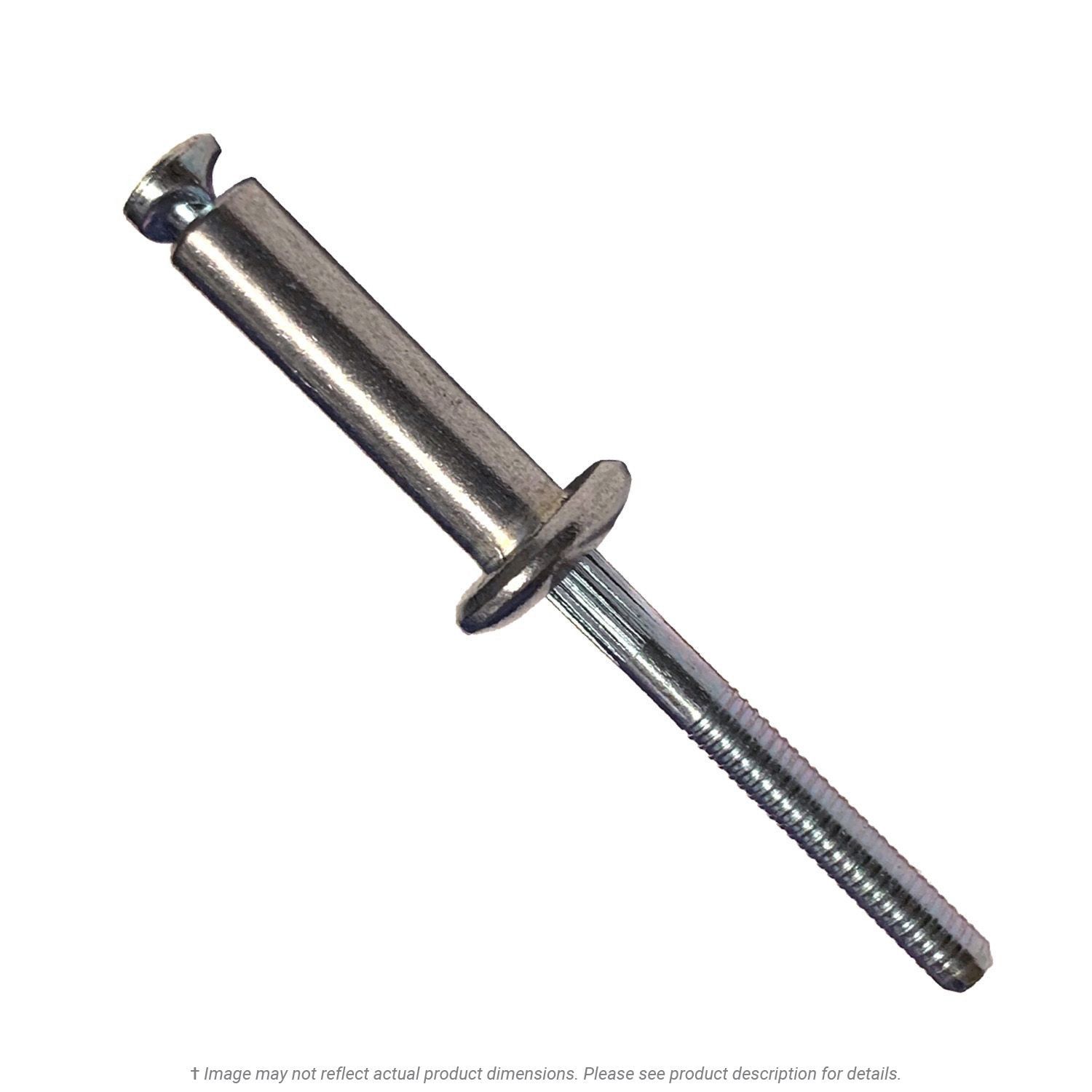
Have you ever wondered how things get firmly fastened when you can’t reach the back side? That’s where blind rivets come into play.
If you’re working on a project or just curious about fastening tools, understanding what a blind rivet is can save you time and effort. This simple yet powerful tool makes joining materials quick and strong, even in tight spots. Keep reading, and you’ll discover how blind rivets work, why they might be the perfect choice for your next job, and tips to use them like a pro.
Your next project just got easier.
Credit: www.boellhoff.com
Blind Rivet Basics
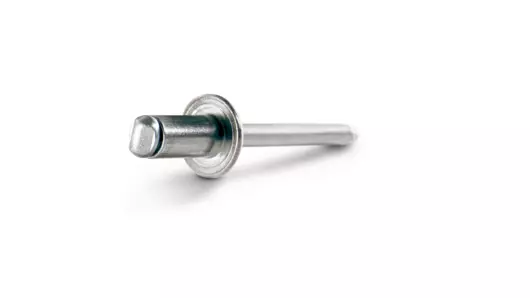
Blind rivets are small fasteners used to join two materials together. They are useful when you can only access one side of the material.
These rivets make strong and lasting connections. They are common in construction, automotive, and electronics.
What Are Blind Rivets
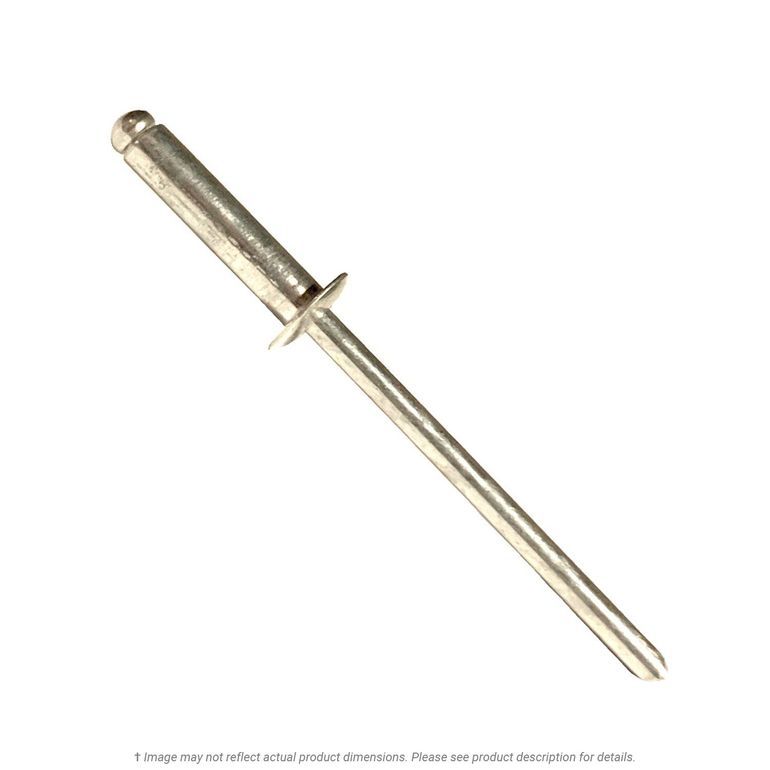
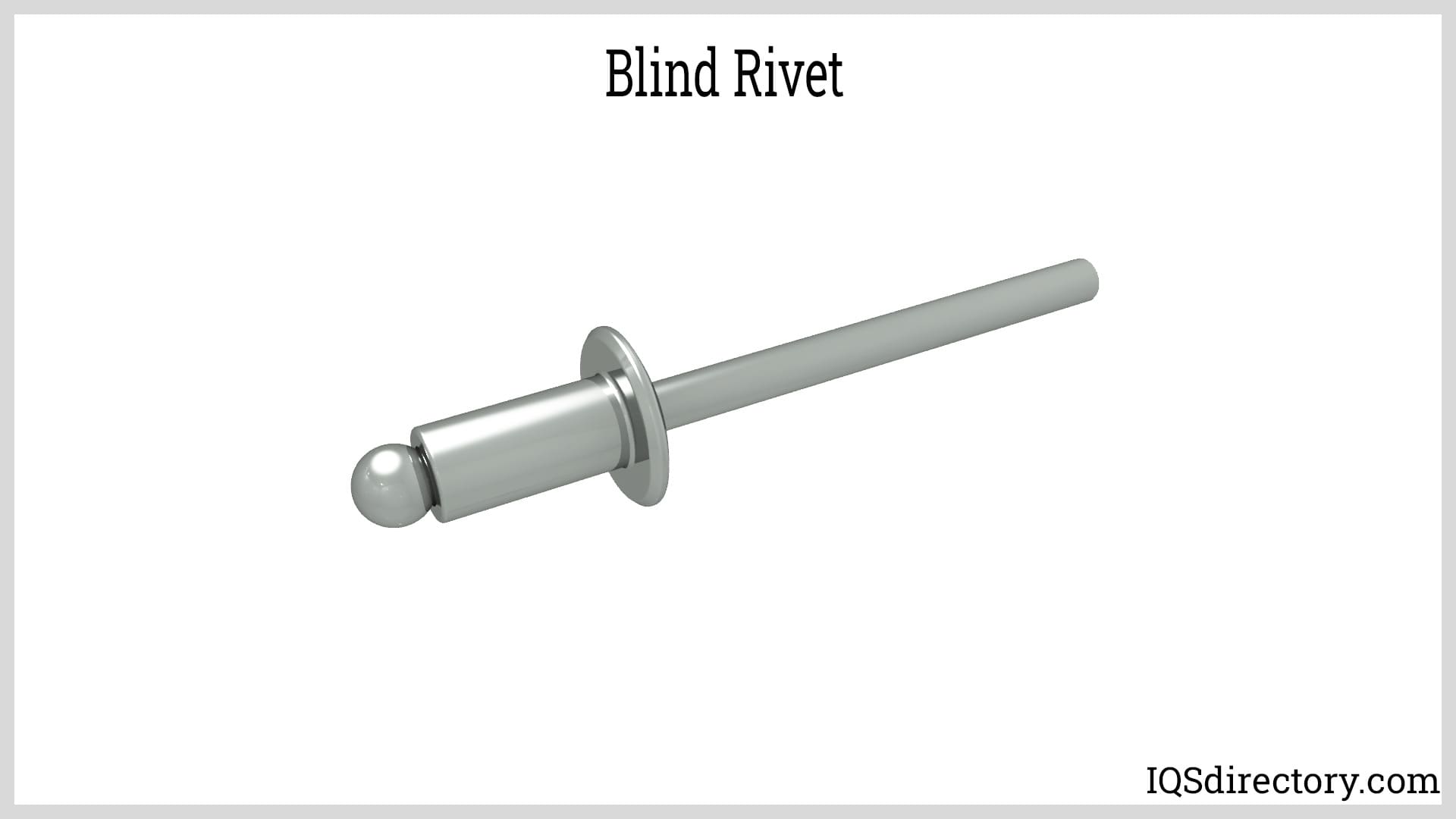
Blind rivets are metal pins with a head and a mandrel. The mandrel pulls through the rivet body to secure materials.
They are called "blind" because you do not need access to both sides of the workpieces. This makes them very useful for hard-to-reach places.
How Blind Rivets Work
You insert the rivet into a hole through the materials to join. Then, you pull the mandrel using a special tool.
Pulling the mandrel causes the rivet body to expand and grip the materials tightly. After that, the mandrel breaks off, leaving a strong hold.
- Insert rivet in hole
- Pull mandrel with tool
- Rivet body expands
- Mandrel breaks off
- Materials stay joined
Types Of Blind Rivets
There are many types of blind rivets. Each type fits a specific use or material.
- Standard Blind Rivets:Most common type for general use.
- Sealed Blind Rivets:Have a seal to prevent water or air leaks.
- Structural Blind Rivets:Stronger and used for heavy loads.
- Multi-Grip Rivets:Fit different material thicknesses.
- Closed-End Rivets:Have a closed end to stop liquid or gas passage.
Credit: www.kljack.com
Materials And Sizes
Blind rivets are essential in joining materials. They are used when access is possible from only one side. Blind rivets come in various materials and sizes.
Knowing the materials and sizes helps you choose the right rivet for your project. This guide will explain common materials, how to choose sizes, and discuss strength and durability.
Common Materials Used
Blind rivets are made from different materials. These materials affect their strength and use. Understanding the materials helps in selecting the right rivet.
- Aluminum: Lightweight and resistant to corrosion.
- Steel: Strong and durable for heavy-duty use.
- Stainless Steel: Offers high corrosion resistance and strength.
- Copper: Provides good electrical conductivity.
- Plastic: Used for lightweight and non-conductive applications.
Choosing The Right Size
Choosing the right size of blind rivet is crucial. The size affects how well it holds materials together. You must know the thickness of the materials you are joining.
- Diameter: Match the rivet diameter to the hole size.
- Grip Range: Check the thickness of materials to select the grip range.
- Length: Longer rivets are needed for thicker materials.
Strength And Durability
Strength and durability are important factors. These determine how well the rivet will perform under stress. The material of the rivet influences its strength.
Steel rivets offer high strength for heavy loads. Aluminum rivets provide good strength but are lighter. Stainless steel rivets resist rust and remain strong in harsh conditions.
Applications Of Blind Rivets
Blind rivets are fasteners used to join materials when access is only possible from one side. They provide a strong and reliable hold in many situations.
These rivets are popular in many fields because they are easy to install and work well with different materials.
Industrial Uses
Industries use blind rivets to assemble metal parts quickly and securely. They are common in factories and manufacturing plants.
Blind rivets help in building machines, equipment, and metal structures without needing access to both sides of the parts.
- Joining sheet metal in machinery
- Building metal frames and enclosures
- Fastening electrical panels and boxes
Automotive And Aerospace
Blind rivets are widely used in cars and airplanes. They help hold parts together where space is limited.
These rivets provide strong joints that can handle vibration and movement during travel.
- Attaching panels and trim in vehicles
- Securing interior components
- Joining lightweight materials in aircraft
Home Improvement Projects
Homeowners use blind rivets for repairs and DIY projects. They work well on fences, gutters, and metal furniture.
Blind rivets offer a quick way to fix things without special tools or access behind the workpiece.
- Fixing metal roofs and gutters
- Building garden furniture
- Repairing appliances and tools
Tools For Installation
Blind rivets need special tools for proper installation. The tools help pull the rivet and secure materials together.
There are different types of rivet tools. Each type fits various needs and work environments.
Manual Rivet Guns
Manual rivet guns are simple hand tools. They are lightweight and easy to use for small jobs.
- Require physical strength to operate
- Work well with small and medium-sized rivets
- Good for occasional or light use
- Affordable and easy to carry
Pneumatic Rivet Tools
Pneumatic rivet tools use compressed air to set rivets. They reduce user effort and speed up work.
| Feature | Description |
| Power Source | Compressed air |
| Best For | Medium to large projects |
| Advantages | Fast and consistent installation |
| Limitations | Need air compressor and hose |
Electric Rivet Tools
Electric rivet tools run on batteries or power cords. They are portable and powerful.
Electric rivet tools offer these benefits:
- Easy to use with less effort
- Suitable for heavy-duty jobs
- Portable without hoses or compressors
- Usually more expensive than manual tools
Installation Techniques
Blind rivets are useful for joining materials where you can only access one side. They provide a strong and permanent fastening solution.
Installing blind rivets requires some tools and proper steps to ensure secure fastening. The process is simple and quick.
Step-by-step Process
Start by drilling a hole through the materials you want to join. The hole size must match the rivet diameter.
Insert the blind rivet into the hole. Make sure the rivet body fits snugly inside.
Use a rivet gun to pull the mandrel through the rivet body. This action expands the rivet and clamps the materials tightly.
Continue pulling until the mandrel snaps off. The rivet now holds the materials firmly together.
Tips For Secure Fastening
Always use the correct rivet size for your material thickness. Too small or too large rivets weaken the joint.
Keep the rivet gun steady and pull the mandrel straight. This prevents uneven fastening and damage to materials.
- Check that the hole is clean and free of debris
- Hold materials tightly together before installing
- Use quality rivets and tools for best results
Common Mistakes To Avoid
Do not use a rivet that is the wrong size. It can cause weak joints or damage the material.
Avoid pulling the mandrel at an angle. This can bend the rivet and reduce its strength.
- Skipping hole cleaning leads to poor fit and weak fastening
- Not holding materials tight causes gaps and loose joints
- Using worn tools can damage rivets and reduce grip
Advantages Of Blind Rivets
Blind rivets are simple fasteners used to join materials without access to the back side. They work well in many applications.
This article explains key advantages of blind rivets in different situations.
Ease Of Use
Blind rivets are quick to install. You do not need to hold a nut or use a second tool behind the materials.
- Insert the rivet into the hole
- Use a rivet tool to pull the mandrel
- The rivet fastens tightly and the mandrel breaks off
- No need to reach the other side
Accessibility In Tight Spaces
Blind rivets work well where space is limited. You only need access from one side of the parts.
| Feature | Benefit |
| One-sided installation | Easy use in confined areas |
| Compact tool size | Fits in narrow spaces |
| No backing tool needed | Faster assembly in tight spots |
Cost-effectiveness
Blind rivets save money by reducing labor and tool needs. They are affordable and reliable fasteners.
- Lower installation time cuts labor costs
- No need for nuts or washers
- Minimal tool investment
- Durable joints reduce repairs
Limitations And Alternatives
Blind rivets are useful for joining materials when you can access only one side. They are quick and easy to install.
Still, blind rivets have limits. Knowing when not to use them and what other options exist helps you pick the best fastener.
When Not To Use Blind Rivets
Blind rivets are not good for heavy loads or high vibration areas. They can loosen over time in these conditions.
They also do not work well with very thick materials or where a flush surface is needed on both sides.
- Heavy load-bearing joints
- High vibration environments
- Thick or very hard materials
- Where both sides need a smooth surface
Alternative Fastening Methods
Bolts and screws work well for strong, removable joints. They handle heavy loads and vibration better than rivets.
Welding joins metal parts permanently. It is strong but needs skill and special tools.
- Bolts and screws for strong, removable connections
- Welding for permanent metal joints
- Adhesives for joining without holes
- Snap fits for quick assembly without tools
Comparing Rivets To Other Fasteners
Rivets are fast and good for blind installation but are permanent. Screws and bolts can be removed and reused.
Welds are very strong but need more work. Adhesives avoid holes but may not hold as well under stress.
| Fastener | Strength | Removability | Use Case |
|---|---|---|---|
| Blind Rivet | Medium | No | Blind side fastening |
| Bolt/Screw | High | Yes | Strong, removable joints |
| Welding | Very High | No | Permanent metal joints |
| Adhesive | Variable | Depends | No holes, smooth surfaces |
Credit: www.iqsdirectory.com
Frequently Asked Questions
What Is A Blind Rivet Used For?
A blind rivet is used to join materials where only one side is accessible. It provides strong, permanent fastening in tight spaces. Commonly used in automotive and construction industries, it ensures quick and reliable assembly without needing access to both sides.
How Does A Blind Rivet Work?
A blind rivet works by inserting through holes in materials. When pulled, the rivet's mandrel expands the rivet body, creating a secure grip. This expansion clamps materials tightly, making it ideal for fastening when the backside is unreachable.
What Materials Are Blind Rivets Made From?
Blind rivets are typically made from aluminum, steel, or stainless steel. Aluminum offers lightweight corrosion resistance, steel provides high strength, and stainless steel is best for harsh environments. Material choice depends on application requirements and environmental conditions.
Can Blind Rivets Be Removed Easily?
Blind rivets are designed for permanent fastening and are difficult to remove without damage. Removal usually requires drilling out the rivet head. This process may damage surrounding materials, so rivet choice and placement should be carefully considered.
Conclusion
Blind rivets offer a simple and strong way to join materials. They work well when you can access only one side. These rivets are quick to install and require less effort. You can use them in many projects, from metalwork to crafts.
Choosing the right blind rivet makes your work last longer. Knowing how they function helps you pick the best option. They save time and provide reliable results every time. Blind rivets remain a popular choice for many builders and hobbyists.

