

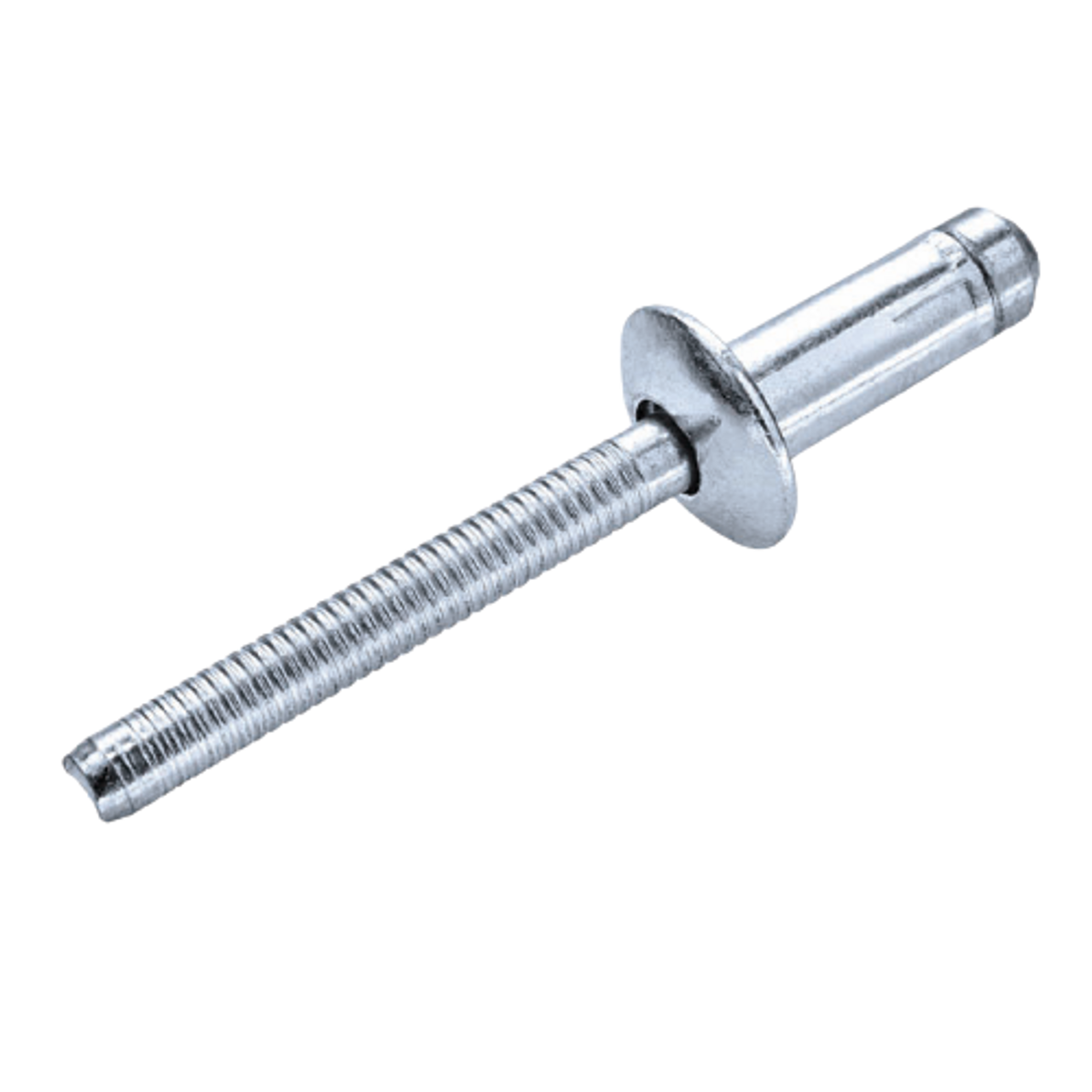
Have you ever wondered how things stay firmly joined together when you can only access one side? That’s where blind rivets come in.
These small but powerful fasteners are the secret behind strong, reliable connections in tight spaces. If you want to understand what blind rivets are and why they might be the perfect solution for your next project, keep reading. By the end, you’ll know exactly how they work and why they’re so valuable in construction, manufacturing, and everyday repairs.
Ready to unlock the mystery? Let’s dive in.
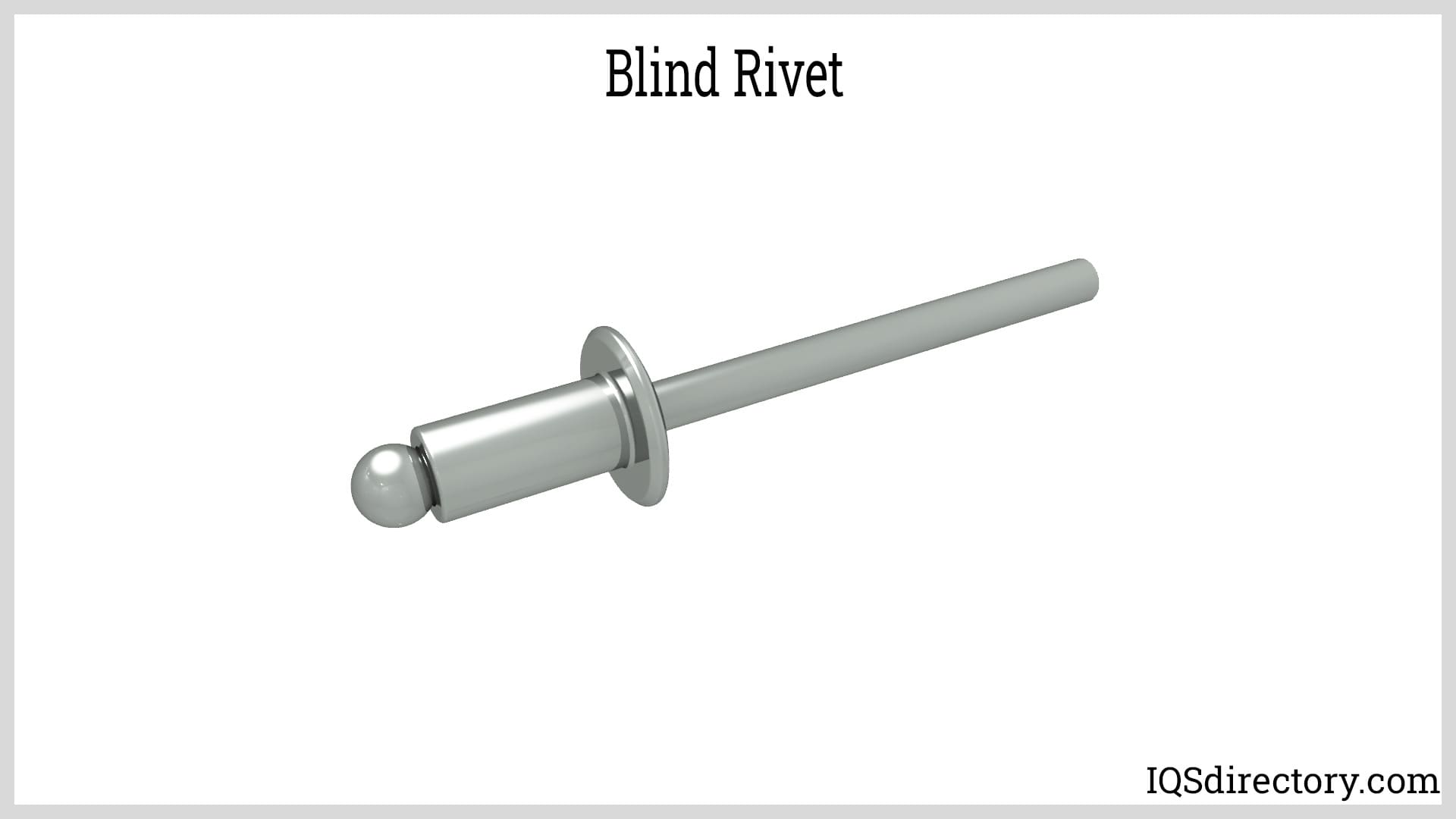
Credit: www.iqsdirectory.com
Blind Rivets Basics
Blind rivets are a type of fastener used to join two materials. They work well where only one side is accessible.
These rivets are common in construction, automotive, and manufacturing fields. They provide strong and reliable joints.
What Are Blind Rivets
Blind rivets are metal pins with a smooth cylindrical body and a mandrel inside. When installed, the mandrel pulls to expand the rivet body.
They are called "blind" because you can install them from one side of the workpiece. This makes them useful in hard-to-reach areas.
How Blind Rivets Work
The rivet is inserted into a hole through the materials. Then, a special tool pulls the mandrel, which expands the rivet body behind the surface.
This expansion holds the materials tightly together. After pulling, the mandrel breaks off and the rivet stays in place permanently.
- Insert rivet into hole
- Use tool to pull mandrel
- Rivet body expands and clamps materials
- Mandrel breaks off
- Rivet holds materials firmly
Types Of Blind Rivets
| Type | Description | Common Use |
| Standard Blind Rivet | Basic design with smooth body and mandrel | General fastening |
| Structural Blind Rivet | Stronger, designed for heavy loads | Construction and automotive |
| Sealed Blind Rivet | Has sealing washer to prevent leaks | Waterproof joints |
| Multi-Grip Blind Rivet | Handles different material thicknesses | Varied thickness assembly |

Credit: www.ebay.com
Common Applications
Blind rivets are used to fasten materials together. They are popular because they are easy to use and do not need access to both sides of the material.
These rivets are found in various industries. Let's explore their common applications.
Automotive Industry
In the automotive industry, blind rivets hold parts together. They are used in car panels and interiors.
The rivets ensure that parts are secure and vibrations are reduced. This makes cars safer and quieter.
- Secure door panels
- Attach trim pieces
- Fasten interior fittings
Aerospace Uses
Aerospace uses blind rivets for lightweight and strong connections. They are critical in airplane assembly.
The rivets help in reducing aircraft weight without compromising strength. This improves fuel efficiency.
- Join aircraft skins
- Secure internal components
- Attach structural elements
Construction And Architecture
Blind rivets are used in construction for quick assembly. They are ideal for metal structures.
In architecture, these rivets help in creating strong and durable connections. They are visible in modern designs.
| Applications | Examples |
| Metal frameworks | Building facades |
| Window frames | Roof structures |
Electronics And Appliances
In electronics, blind rivets join small parts. They are also used in home appliances for secure fastening.
The rivets provide reliable connections without loosening over time. This ensures long-lasting performance.
- Secure circuit boards
- Fasten appliance casings
- Attach control panels
Key Advantages
Blind rivets are popular fasteners used in many industries. They offer practical benefits that make assembly faster and more efficient.
Understanding their key advantages helps in choosing the right fastening method for your project.
Ease Of Installation
Blind rivets do not require access to both sides of the workpiece. This makes installation quick and simple. You only need one tool to set them in place.
- Install from one side only
- Use simple hand or pneumatic tools
- No need for nuts or bolts
- Fast installation saves time
Strong And Reliable Joints
Blind rivets create durable joints that hold parts tightly together. They resist vibration and heavy loads well. This ensures the connected pieces stay secure over time.
| Feature | Benefit |
| High shear strength | Holds parts firmly |
| Good vibration resistance | Prevents loosening |
| Consistent clamping force | Ensures tight joints |
Versatility In Materials
Blind rivets work well with many materials. They join metals, plastics, and composites easily. This makes them useful in different fields like automotive, aerospace, and construction.
Different rivet types suit different materials and thicknesses. This allows for flexible use in many projects.
Accessibility In Tight Spaces
Blind rivets are ideal for hard-to-reach areas. Since you install them from one side, they work well when the back side is inaccessible.
Benefits in tight spaces include:
- Fast fastening without full access
- Use in confined or awkward spots
- Reduces need for complex tools
- Allows strong joints in limited space
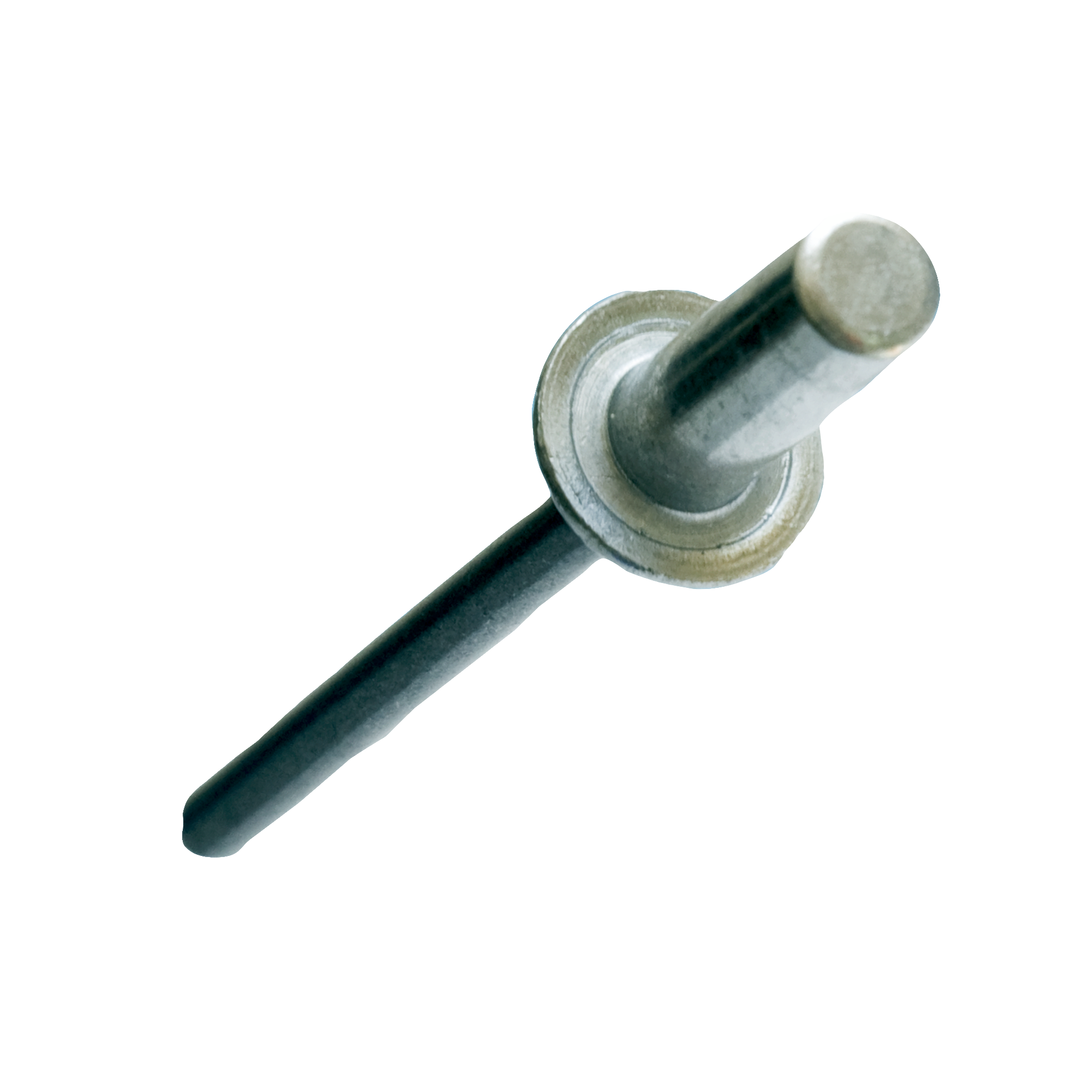
Credit: www.muepro.com
Choosing The Right Blind Rivet
Blind rivets are fasteners used to join materials without access to the back side. Choosing the right blind rivet ensures a secure and lasting hold.
Different factors affect the choice of a blind rivet. This guide covers material compatibility, size and length, and load strength.
Material Compatibility
Select blind rivets that match the materials being joined. Different metals react to each other and may cause corrosion.
- Use aluminum rivets for aluminum sheets to avoid rust.
- Steel rivets are best for steel parts for strong bonding.
- Stainless steel rivets resist corrosion in moist environments.
- Plastic or nylon rivets suit lightweight or non-metal materials.
Size And Length Selection
The rivet size depends on the thickness of the materials joined. Too short rivets will not hold well, too long ones may deform.
| Material Thickness (mm) | Recommended Rivet Length (mm) | Rivet Diameter (mm) |
| 0-3 | 6-8 | 3.2 |
| 3-6 | 8-10 | 4.0 |
| 6-10 | 10-12 | 4.8 |
| 10+ | 12+ | 6.4 |
Load And Strength Considerations
Choose rivets that handle the forces on the joint. Strength depends on rivet material, diameter, and installation.
- Steel rivets offer higher shear and tensile strength.
- Larger diameter rivets carry more load.
- Proper installation ensures full grip and strength.
- Consider environmental factors like vibration or moisture.
Installation Tools And Techniques
Blind rivets are fasteners used to join two materials without access to the back side. They need special tools for installation. Choosing the right tools and techniques helps ensure a strong hold.
Using the proper method makes the job easier and prevents damage to the materials or rivets. This guide explains the tools and steps for installing blind rivets correctly.
Manual Vs. Pneumatic Tools
Manual rivet tools are hand-operated and good for small jobs. They are light and easy to carry. Pneumatic tools use air pressure and work faster for large projects.
Manual tools are cheaper but need more effort. Pneumatic tools cost more but save time and reduce hand strain. Choose the tool based on job size and frequency.
- Manual tools: simple, low cost, good for few rivets
- Pneumatic tools: fast, less effort, best for many rivets
- Manual tools require physical strength
- Pneumatic tools need an air compressor
Step-by-step Installation Process
Start by drilling a hole where the rivet will go. The hole size should match the rivet diameter. Insert the rivet into the hole.
Place the rivet tool over the rivet stem. Squeeze the handles or activate the pneumatic tool to pull the stem. This expands the rivet body behind the material.
- Drill correct hole size
- Insert rivet into hole
- Place tool on rivet stem
- Pull stem with tool until it breaks off
- Remove tool and check the rivet
Common Mistakes To Avoid
Do not use the wrong rivet size. A loose rivet will not hold well. A too-large rivet can damage the materials.
Avoid using worn-out tools. They can break the rivet stem too soon or not pull it fully. Always align the tool properly to prevent angled rivets.
- Wrong hole size for rivet
- Using damaged or worn tools
- Not pulling stem completely
- Misaligning tool with rivet
- Trying to reuse rivets
Maintenance And Inspection
Blind rivets hold parts together when you cannot reach both sides. They need regular care to keep them safe and strong. Checking them often helps catch problems early.
Good maintenance and inspection keep blind rivets working well. It also stops parts from falling apart or getting damaged.
Signs Of Wear Or Failure
Wear or failure signs show that a blind rivet may not work well. Look for cracks, rust, or loose parts around the rivet. Bent or pulled rivets also need attention.
- Cracks or splits in the rivet body
- Rust or corrosion on the rivet or nearby metal
- Rivet head is loose or moves
- Deformed or bent rivet shape
- Parts joined by the rivet feel loose or separated
Inspection Methods
Inspect blind rivets by looking closely and testing their hold. Use a flashlight to see small cracks or rust. Gently shake or tap parts to check for movement.
Use tools like calipers or gauges to measure if the rivet stays within size limits. Non-destructive testing can help find hidden problems without breaking the rivet.
- Visual check with good lighting
- Physical test by shaking or tapping
- Measurement with calipers or gauges
- Non-destructive tests like ultrasonic or dye penetrant
Replacement Guidelines
Replace blind rivets if you find serious damage or looseness. Use the same type and size of rivet as the original. Follow safety rules during replacement to avoid injury.
Check parts joined by the rivet before installing a new one. Clean the area and remove old rivet pieces. Tighten the new rivet firmly to ensure a strong hold.
- Replace rivets with cracks, rust, or looseness
- Match new rivet size and type to the original
- Clean and prepare the area before installing
- Use proper tools and safety gear for replacement
- Test the new rivet for a secure fit after installation
Frequently Asked Questions
What Are Blind Rivets Used For?
Blind rivets join materials where only one side is accessible. They are ideal for tight spaces and quick assembly.
How Do Blind Rivets Work?
Blind rivets expand inside the hole when pulled. This creates a strong, permanent joint without needing access behind.
What Materials Are Blind Rivets Made From?
Blind rivets are commonly made from aluminum, steel, stainless steel, and copper. Each suits different strength and corrosion needs.
What Tools Are Needed To Install Blind Rivets?
A rivet gun or hand riveter is used. This tool pulls the mandrel to expand the rivet body securely.
Conclusion
Blind rivets join materials quickly and securely without needing access to both sides. They work well in tight spaces and save time. These rivets come in many sizes and materials for different jobs. Understanding how blind rivets function helps choose the right one for your project.
Their ease of use makes them popular in many industries. Using blind rivets can improve your assembly process with strong, reliable connections. Simple, fast, and effective—blind rivets are a smart choice for many tasks.

