

Are you tired of hanging pictures or shelves only to have them fall down? Choosing the right wall anchor can make all the difference in keeping your items secure and your walls damage-free.
But with so many wall anchor types out there, how do you know which one is best for your project? You’ll discover the key differences between popular wall anchors and learn exactly which type suits your needs. By the end, you’ll feel confident tackling any wall-hanging job like a pro.
Keep reading to unlock the secrets to strong, reliable wall support!
Common Wall Anchor Types
Wall anchors help hold screws tightly in different wall materials.
Choosing the right anchor keeps your items secure and safe on walls.
Plastic Expansion Anchors
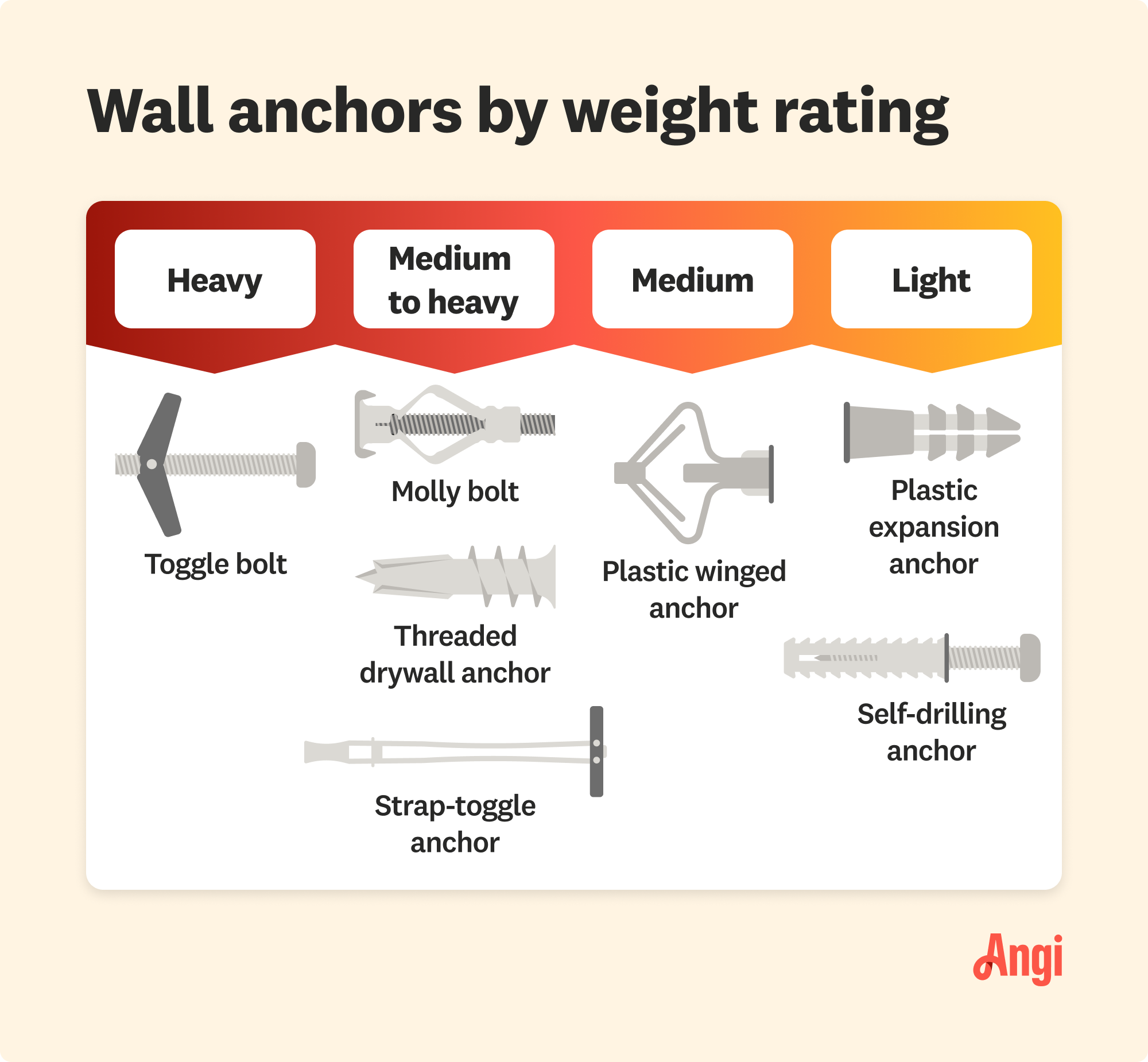
Plastic expansion anchors work well in drywall and plaster. They expand when a screw enters, holding the screw firmly.
Toggle Bolts
Toggle bolts have metal wings that open behind the wall. They provide strong support for heavy items on hollow walls.
Molly Bolts
Molly bolts are metal anchors that expand inside the wall when the screw is tightened. They work well for medium-weight loads.
- Insert molly bolt into drilled hole
- Tighten screw to expand anchor
- Secure heavy frames and shelves
Sleeve Anchors
Sleeve anchors fit into concrete or brick walls. When tightened, their metal sleeve grips the wall tightly.
Threaded Drywall Anchors
Threaded drywall anchors screw directly into drywall. They create strong threads that hold screws firmly.
Winged Plastic Anchors
Winged plastic anchors have wings that open inside the wall. They help hold light to medium loads on hollow walls.
| Anchor Type | Best For | Load Capacity |
| Plastic Expansion | Drywall, plaster | Light |
| Toggle Bolts | Hollow walls | Heavy |
| Molly Bolts | Drywall, plaster | Medium |
| Sleeve Anchors | Concrete, brick | Heavy |
| Threaded Drywall Anchors | Drywall | Medium |
| Winged Plastic Anchors | Hollow walls | Light to Medium |
Material Compatibility
Wall anchors are essential for securing objects to walls. Different materials need different types of anchors. This ensures a strong and safe installation.
Knowing which anchor to use depends on the wall material. This guide helps you choose the right anchor for drywall, concrete, brick, and plaster.
Anchors For Drywall
Drywall is a common wall material in homes. It requires specific anchors that provide a firm hold without damaging the wall.
- Plastic expansion anchors: Simple and affordable.
- Self-drilling anchors: Easy to install with a screwdriver.
- Toggle bolts: Strong for heavier items.
Anchors For Concrete
Concrete walls are tough and need robust anchors. These anchors ensure a secure fit and hold heavy loads.
Concrete screws are a popular choice for their ease of use. Drill a pilot hole, then screw directly into the concrete.
Anchors For Brick
Brick walls require anchors that can grip the mortar joints. This helps in securing items without cracking the bricks.
| Anchor Type | Best Use |
| Expansion anchors | Light to medium weight |
| Sleeve anchors | Heavy-duty applications |
| Brick hooks | Temporary hanging |
Anchors For Plaster
Plaster walls are delicate and need special anchors. These anchors prevent cracking and provide a stable hold.
- Molly bolts: Expand behind the wall for extra grip.
- Toggle bolts: Distribute weight across the wall surface.
- Plastic anchors: Suitable for lightweight items.
Weight Capacity And Load Types
Wall anchors hold objects on walls. They come in different types based on how much weight they can hold.
Choosing the right anchor depends on the weight and type of load you want to support.
Light-duty Anchors
Light-duty anchors hold small items like picture frames and clocks. They usually support weights up to 20 pounds.
These anchors work best with light loads that do not pull or push hard on the wall.
- Supports static, vertical loads
- Ideal for drywall or plaster walls
- Examples: plastic expansion anchors, small self-drilling anchors
Medium-duty Anchors
Medium-duty anchors can hold medium-weight items like shelves and mirrors. They support weights from 20 to 50 pounds.
These anchors handle both vertical and some lateral loads, making them more versatile.
- Supports vertical and light shear loads
- Works in drywall, plaster, and some hollow walls
- Examples: toggle bolts, metal molly bolts
Heavy-duty Anchors
Heavy-duty anchors hold very heavy items like large cabinets or TVs. They support weights over 50 pounds.
These anchors resist strong vertical and lateral forces and often require installation into studs or concrete.
- Supports heavy vertical and shear loads
- Used in solid walls like concrete or wood studs
- Examples: wedge anchors, sleeve anchors, lag bolts
Installation Techniques
Installing wall anchors correctly ensures strong and lasting support. Each step in the process matters for safety and performance.
This guide covers drilling the hole, inserting the anchor, and securing the fastener.
Drilling The Hole
Choose the right drill bit size for your anchor. Use a drill that matches the anchor’s diameter. Drill straight into the wall to avoid weak spots.
- Mark the spot where the anchor will go.
- Select a drill bit slightly smaller than the anchor.
- Drill a hole at the marked spot, keeping the drill level.
- Clear dust and debris from the hole with a brush or vacuum.
Inserting The Anchor
Insert the anchor fully into the hole. Some anchors need light tapping with a hammer. Make sure the anchor sits flush with the wall surface.
| Anchor Type | Insertion Method |
| Plastic Expansion | Push and tap lightly |
| Toggle Bolt | Fold wings and push through hole |
| Threaded Anchor | Screw into hole by hand or with tool |
| Masonry Anchor | Hammer into drilled hole |
Securing The Fastener
Choose the correct fastener for your anchor. Tighten the fastener to hold the item firmly without damaging the wall.
- Insert the screw or bolt through your item into the anchor.
- Tighten slowly, checking that the anchor stays secure.
- Stop tightening when resistance increases to avoid stripping.
- Test the hold by gently pulling on the fastened item.
Choosing Anchors For Different Projects
Choosing the right wall anchor is important for safety and stability. Different projects need different types of anchors.
Using the correct anchor helps your items stay secure and prevents damage to walls.
Hanging Shelves
For shelves, strong anchors are needed to hold weight. Use anchors that work with drywall or studs.
- Toggle bolts for heavy shelves
- Plastic expansion anchors for light shelves
- Molly bolts for medium weight shelves
Mounting Tvs
TV mounts require very strong anchors. Always try to mount into studs first.
| Anchor Type | Best Use | Weight Limit |
| Stud mount | Strongest support | Over 100 lbs |
| Toggle bolt | No stud available | 50-100 lbs |
| Molly bolt | Medium support | 30-50 lbs |
Installing Cabinets
Cabinet anchors must hold heavy loads and resist pulling forces. Use anchors that secure tightly.
Recommended anchors for cabinets:
- Lag bolts into studs for maximum strength
- Molly bolts for drywall with moderate loads
- Toggle bolts for hollow walls
Fixing Mirrors
Mirrors need anchors that prevent slipping and hold the glass weight.
- Use plastic anchors for small mirrors
- Metal anchors for medium mirrors
- Toggle bolts for large or heavy mirrors

Credit: www.amazon.com
Common Mistakes To Avoid
Using the right wall anchor is important for safety and stability. Many people make simple mistakes that cause anchors to fail.
This guide explains common errors and how to avoid them when using wall anchors.
Using Incorrect Anchor Size
Choosing an anchor that is too small can cause it to pull out easily. Too large, and it may damage the wall.
Always pick an anchor size that matches the screw and the weight of the item you want to hang.
- Small anchors may not hold heavy items
- Large anchors can crack or break the wall
- Check the anchor package for size guidance
Ignoring Wall Material
Different walls need different anchors. Using the wrong type can cause poor hold or damage.
Know if your wall is drywall, plaster, brick, or concrete before picking anchors.
- Drywall anchors are not good for brick walls
- Masonry anchors work best on concrete or brick
- Plaster needs special anchors to avoid cracking
Overloading Anchors
Anchors have weight limits. Putting too much weight on them can cause failure.
Check the weight rating of your anchors and do not exceed it with your items.
- Heavy items need strong anchors designed for the load
- Use multiple anchors to spread the weight if needed
- Regularly check anchors for signs of wear or loosening
Tips For Maximum Holding Strength
Wall anchors hold screws securely in walls. Using them correctly keeps items safe. This guide shares tips to get the best hold.
Follow simple steps on placement, screws, and drilling. These help anchors work at full strength.
Proper Anchor Placement
Place anchors in solid wall areas. Avoid weak spots like cracks or thin drywall. Keep them away from edges for better grip.
- Find a stud or solid backing if possible
- Mark the spot clearly before drilling
- Do not place anchors too close to corners
- Check wall material to choose the right anchor
Using Compatible Screws
Use screws that fit your anchors. Too small screws slip out. Too big screws damage the anchor and wall.
| Screw Type | Anchor Type | Reason |
| Wood Screw | Plastic Expansion | Good for drywall and wood walls |
| Machine Screw | Metal Threaded | Works with metal anchors for heavy loads |
| Self-Tapping Screw | Toggle Bolt | Secures well in hollow walls |
Pre-drilling Recommendations
Drill the right hole size before inserting anchors. A hole too small can break the anchor. Too large reduces hold.
Follow these drilling tips:
- Use a drill bit matching the anchor diameter
- Drill straight into the wall for even hold
- Clear dust from the hole before placing the anchor
- Test fit the anchor before final insertion

Credit: www.whataportrait.com

Credit: www.amazon.com
Frequently Asked Questions
What Are The Main Types Of Wall Anchors?
Wall anchors include plastic expansion, toggle, molly, and self-drilling anchors. Each suits specific wall materials and load requirements.
How To Choose The Right Wall Anchor Type?
Select anchors based on wall material, weight load, and installation ease. Consider drywall, concrete, or brick for proper anchoring.
Can Wall Anchors Support Heavy Objects?
Yes, heavy-duty anchors like toggle bolts and molly bolts provide strong support for heavier items on drywall and masonry.
Are Plastic Wall Anchors Suitable For Drywall?
Plastic anchors work well for light loads on drywall but are not ideal for heavy items or hollow walls.
Conclusion
Choosing the right wall anchor makes your project stronger and safer. Different anchors fit different walls and weights. Plastic anchors work well for light items. Metal anchors hold heavier objects firmly. Toggle bolts are great for hollow walls. Always match the anchor type to your wall and load.
This ensures your shelves, pictures, or fixtures stay secure. Understanding wall anchors helps avoid damage and accidents. Take a moment to pick the best one for your task. Your walls will thank you.

