

When you’re working with metal, choosing the right rivet can make all the difference in your project’s strength and durability. But with so many types of rivets out there, how do you know which one fits your needs best?
Whether you’re fixing, building, or creating, understanding the options available will save you time, effort, and frustration. You’ll discover the most common types of rivets for metal and learn how each one can help you achieve a secure, lasting hold.
Ready to find the perfect rivet for your project? Let’s dive in.

Credit: www.rivetnutusa.com
Common Rivet Types
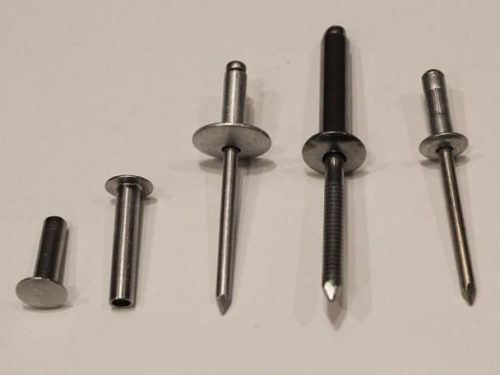
Rivets are fasteners used to join metal parts securely. They come in different types for various uses. Knowing these types helps choose the right rivet for your project.
This guide covers four common rivet types: solid, blind, drive, and split rivets. Each has unique features and applications.
Solid Rivets
Solid rivets are simple and strong. They need access to both sides of the materials to fasten them. These rivets are often used in aircraft and heavy machinery.
- Made from a single piece of metal
- Requires hammering or pressing to fasten
- Very durable and reliable
- Used where strength is critical
Blind Rivets
Blind rivets work when you can only access one side of the material. They have a mandrel that pulls the rivet body to form a secure joint. These rivets are common in automotive and construction work.
| Feature | Description |
|---|---|
| Access | Only one side needed |
| Installation | Uses a pulling tool |
| Strength | Good for many uses |
| Material | Aluminum, steel, or other metals |
Drive Rivets
Drive rivets are fastened by hitting the head with a hammer. This action spreads the tail end inside the hole to hold the pieces together. They are easy to install and used for light to medium loads.
- Simple installation with hammer
- No special tools needed
- Good for soft metals and plastics
- Used in electrical and automotive parts
Split Rivets
Split rivets have a split shaft that opens inside the hole to hold materials tightly. They are reusable and often used for leather, fabric, and thin metal sheets.
| Type | Use | Feature |
|---|---|---|
| Solid Rivets | Heavy machinery | Strong, needs two-side access |
| Blind Rivets | Construction | One-side access |
| Drive Rivets | Electrical parts | Hammer installation |
| Split Rivets | Leather and fabric | Reusable, split shaft |
Material Choices
Rivets are essential for joining metal pieces. The choice of material affects durability and strength.
Each type of rivet material has unique properties. Let's explore the options available.
Aluminum Rivets
Aluminum rivets are lightweight and resist corrosion. They are suitable for soft metals.
- Used in aircraft industries
- Common in automotive applications
- Easy to install and remove
Steel Rivets
Steel rivets are known for their strength. They are ideal for heavy-duty applications.
| Type | Usage |
| Carbon Steel | Construction |
| Stainless Steel | Marine environments |
| Alloy Steel | Industrial machinery |
Copper Rivets
Copper rivets offer excellent electrical conductivity. They are used in electrical systems.
Copper is also resistant to rust, making it suitable for outdoor use.
Stainless Steel Rivets
Stainless steel rivets are durable and resist corrosion. They are perfect for harsh environments.
These rivets maintain their appearance and strength over time.
Applications For Each Rivet
Rivets are common fasteners used to join metal parts. Different types of rivets serve various industries. Their strength and durability make them ideal for many uses.
Understanding where each rivet fits helps choose the right one for a project. Below are key applications in several fields.
Automotive Uses
Automakers use rivets to hold car body panels and parts together. Solid rivets provide strong joints in chassis and frames. Blind rivets fasten parts where only one side is accessible.
- Joining metal sheets in car bodies
- Attaching interior panels and trims
- Securing brake lines and fuel tanks
- Fixing lightweight aluminum parts
Aerospace Applications
Aerospace uses rivets that are lightweight yet strong. They must handle high stress and vibration. Cherry and structural rivets are common in airplane fuselages and wings.
| Rivet Type | Common Use | Material |
| Cherry Rivets | Aircraft skin panels | Aluminum, titanium |
| Structural Rivets | Load-bearing joints | High-strength alloys |
| Blind Rivets | Hard-to-reach spots | Aluminum, steel |
Construction And Structural
Rivets join steel beams and metal frameworks in buildings. They resist heavy loads and weather. Large solid rivets are common for bridges and towers.
| Rivet Type | Use | Feature |
|---|---|---|
| Solid Rivets | Steel structures | High shear strength |
| Pop Rivets | Sheet metal fastening | Easy installation |
| Split Rivets | Light framing | Quick assembly |
Electronics And Small Devices
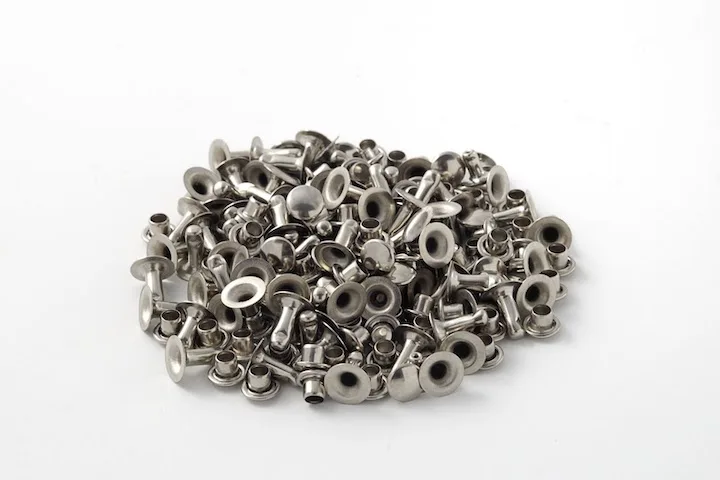
Small rivets fasten tiny parts inside electronics. They hold circuit boards and casings without damage. Semi-tubular rivets are popular for their precise control.
- Securing circuit boards
- Attaching metal shields
- Holding battery contacts
- Fastening small connectors
Credit: www.fictiv.com
Installation Techniques
Rivets are used to join metal parts securely. Different rivet types need different installation techniques. Choosing the right technique ensures strong and lasting joints.
Below are common installation techniques for rivets in metal work. Each technique fits specific tools and project needs.
Hand Riveting
Hand riveting uses manual tools to install rivets. It is simple and does not need electricity. This technique works well for small jobs or tight spaces.
The installer places the rivet in the hole and uses a hammer or hand riveter to deform the rivet end. This holds the metal parts together tightly.
- Easy to learn and use
- Requires physical effort
- Best for light-duty projects
- Portable and low cost
Pneumatic Tools
Pneumatic riveting tools use compressed air to install rivets quickly. These tools reduce manual work and speed up the process. They are common in industrial settings.
The tool grips the rivet and pulls the mandrel or deforms the rivet body. This creates a tight joint without much effort from the worker.
- Fast installation
- Less physical strain
- Needs an air compressor
- Good for medium to large jobs
Hydraulic Methods
Hydraulic riveting uses fluid pressure to set rivets. It applies strong force smoothly. This method works well for heavy-duty metal joining.
The hydraulic tool pushes or pulls the rivet to deform it perfectly. It creates very strong joints for thick metals or large rivets.
- High force application
- Precise and consistent
- Requires hydraulic equipment
- Used in heavy manufacturing
Specialized Equipment
Some projects need special machines for rivet installation. These machines can combine heat, pressure, or vibration. They suit specific rivet types or complex assemblies.
Examples include orbital riveting machines and ultrasonic riveters. They provide high quality joints in automotive and aerospace industries.
- Orbital riveting uses rotating heads
- Ultrasonic riveting applies sound waves
- Automated for fast production
- Expensive but very precise
Choosing The Right Rivet
Selecting the correct rivet for metal work is important for safety and durability. The right choice depends on many factors.
This guide covers key points to consider when choosing rivets for metal projects.
Load And Strength Considerations
Rivets must handle the forces they face in the application. Consider the type and amount of load.
- Shear load – force parallel to the rivet axis
- Tensile load – force pulling the rivet apart
- Fatigue load – repeated forces over time
Choose rivets with strength ratings that match or exceed these loads for safety.
Environmental Factors
Rivets may face moisture, heat, or chemicals. These affect rivet material choice.
| Environment | Recommended Rivet Material |
| Outdoor, wet | Stainless steel or aluminum |
| High heat | Steel or heat-resistant alloys |
| Chemical exposure | Corrosion-resistant metals |
Material Compatibility
Match rivet material with metal parts to avoid corrosion and weak joints.
Use these tips for compatibility:
- Aluminum rivets for aluminum sheets
- Steel rivets for steel parts
- Avoid mixing metals that cause rust or galvanic corrosion
Cost And Availability
Choose rivets that fit your budget and are easy to buy locally or online.
- Common rivets are cheaper and easier to find
- Specialty rivets may cost more but offer better features
- Balance cost with quality and suitability for your project
Troubleshooting Rivet Issues
Rivets hold metal parts together in many projects. Sometimes, rivets do not work as expected. Identifying problems quickly can save time and materials.
Understanding common failures and how to prevent or fix them helps keep metal work strong and safe.
Common Failures
Rivet failures happen when the rivet does not hold or breaks. Poor installation or wrong rivet choice can cause this. Cracking, loosening, and corrosion are typical issues.
- Rivet heads cracking or breaking
- Rivets pulling loose under stress
- Corrosion weakening the rivet
- Improper rivet size causing poor grip
- Misaligned holes leading to weak joints
Preventative Tips
Good preparation and correct tools reduce rivet problems. Choose the right rivet type and size for the metal thickness. Clean surfaces and aligned holes help strong joints.
- Use the proper rivet type for your metal
- Match rivet length to metal thickness
- Drill clean, straight holes
- Remove rust and dirt before riveting
- Use the right tool for installation
Repair Methods
Fixing rivet issues depends on the problem type. Replace broken or loose rivets with new ones. Clean corrosion and apply rust inhibitors. For hole damage, use larger rivets or inserts.
- Remove failed rivets carefully
- Use a drill or punch to clear old rivets
- Install new rivets of correct size
- Apply rust treatment on corroded areas
- Use rivet inserts for enlarged holes
Credit: firstmold.com
Frequently Asked Questions
What Are The Common Types Of Rivets For Metal?
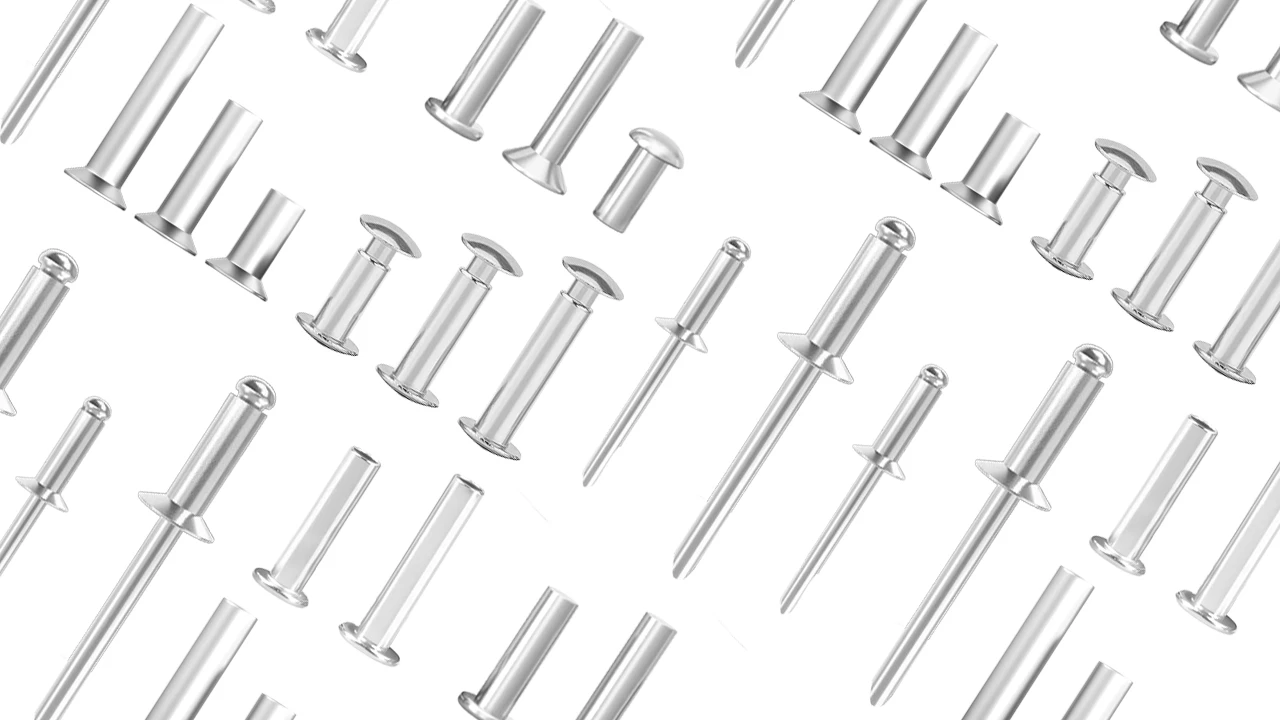
Common metal rivets include solid, blind, tubular, and drive rivets. Each type suits specific applications and materials. Solid rivets offer high strength but need access to both sides. Blind rivets install from one side, ideal for hard-to-reach areas.
How To Choose The Right Rivet For Metal Projects?
Select rivets based on metal thickness, strength requirements, and access. Consider environmental factors like corrosion. For thin sheets, blind rivets work well. For heavy-duty joints, solid rivets are best. Proper rivet size and material ensure lasting strength and durability.
Are Blind Rivets Suitable For Metal Fastening?
Yes, blind rivets are ideal when only one side is accessible. They provide strong, permanent fastening for metal sheets. They are quick to install and come in various materials to prevent corrosion. Blind rivets are common in automotive and aerospace industries.
Can Rivets Replace Welding In Metalwork?
Rivets can replace welding for certain joints, especially in thin metals. They avoid heat distortion and are easier to inspect. However, welding offers stronger, continuous bonds for heavy loads. Rivets provide flexibility and disassembly options not possible with welds.
Conclusion
Choosing the right rivet affects your metal project’s strength and look. Different rivets fit different jobs. Some hold tight, others allow movement. Think about the metal type and stress involved. Simple rivets suit light tasks, strong ones handle heavy loads.
Knowing rivet types helps you work smarter and safer. Now, you can pick the best rivet for your metal work. Easy, clear, and effective.

