

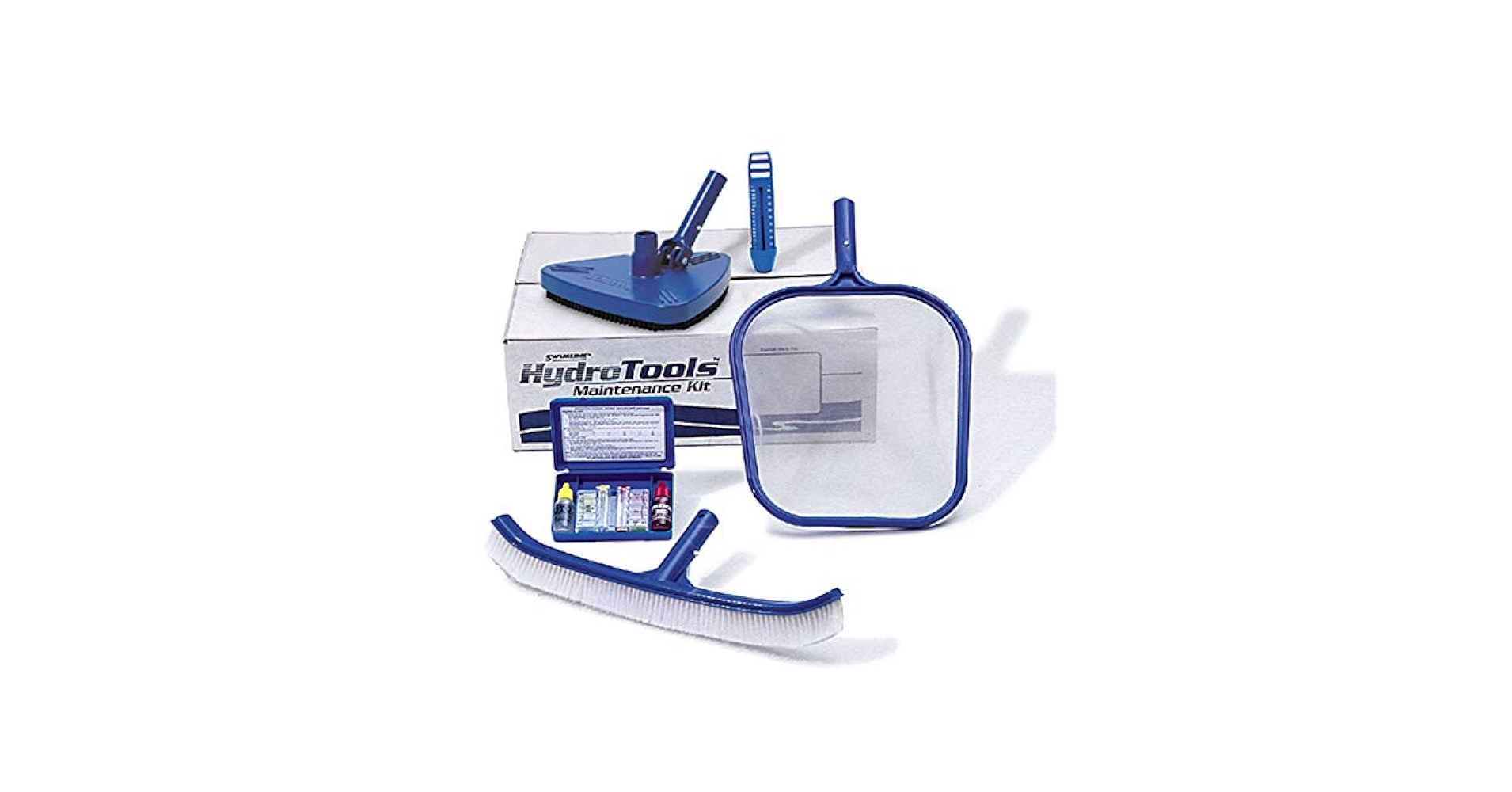
Keeping your pool clean and inviting doesn’t have to be a chore. With the right tools for pool maintenance, you can save time, effort, and even money while enjoying crystal-clear water all season long.
Imagine stepping into your backyard and diving into a sparkling pool that feels fresh and safe every time. Ready to discover the essential tools that make this possible? Keep reading, because your perfect pool care routine starts here.
Pool Cleaning Equipment
Keeping your pool sparkling clean is easier when you have the right tools. Pool cleaning equipment is essential for removing debris, preventing algae, and maintaining safe water quality. Investing in these tools saves you time and effort while ensuring your pool stays inviting all season long.
Skimmers And Nets
Skimmers and nets are your first line of defense against leaves, bugs, and floating debris. They are simple handheld tools that help you scoop out unwanted materials before they sink or clog your filter system. Using a fine mesh net helps catch even small particles, keeping your water clearer between deep cleans.
Try to skim your pool daily—this small habit prevents buildup and reduces the workload for your filter. Have you noticed how much easier pool maintenance feels when you don’t let debris pile up?
Pool Vacuums
Pool vacuums clean dirt and sediment from the pool floor and walls, areas a skimmer can’t reach. There are manual vacuums you push around and automatic ones that do the work for you. Choosing the right vacuum depends on your pool size and how much time you want to spend cleaning.
Manual vacuums give you control but require effort, while robotic vacuums free up your time but come at a higher price. What’s your priority: saving money or saving time? Your answer can guide your choice.
Brushes For Walls And Floors
Brushing your pool walls and floors regularly keeps algae and dirt from sticking. Different brush types serve different surfaces—nylon brushes work well on concrete, while stainless steel is better for plaster or tile. Brushing breaks up grime, making vacuuming more effective.
Don’t overlook corners and steps, where dirt loves to hide. How often do you brush your pool? Making it part of your routine can prevent stubborn stains and costly cleanups later.

Credit: hurricane-pool-filters.com
Water Testing Supplies
Keeping your pool water clean and safe depends heavily on accurate testing. Water testing supplies are essential tools that help you monitor chemical levels like chlorine, pH, and alkalinity. These tests prevent issues such as algae growth and skin irritation, ensuring your pool stays inviting and healthy.
Testing Kits
Testing kits offer a hands-on way to check your pool’s water balance. They usually include test strips or liquid reagents that change color based on the chemical levels. You simply dip a strip or add drops to a water sample, then compare the color to a chart.
One advantage of these kits is their affordability and ease of use. However, keep in mind that color matching can sometimes be tricky, especially in low light or if your eyes struggle to distinguish subtle shades. Have you ever second-guessed a test result because the color didn’t seem quite right?
Digital Testers
Digital testers provide a more precise and quick way to measure water quality. These handheld devices give numerical readings for parameters like pH, chlorine, and total dissolved solids. The digital display removes guesswork, making it easier to maintain accurate water chemistry.
While digital testers tend to cost more upfront, they save time and reduce errors over the long run. Many pool owners find that the convenience of instant, reliable data justifies the investment. If you prefer exact numbers over color comparisons, a digital tester might be the best fit for your routine.
Chemical Maintenance Gear
Keeping your pool water safe and crystal clear requires more than just a good cleaning routine. The right chemical maintenance gear ensures proper water balance, prevents algae growth, and keeps bacteria at bay. Let’s dive into some of the essential tools that make pool chemical management easier and more effective.
Chlorine Dispensers
Chlorine dispensers are a must-have for maintaining healthy pool water. They slowly release chlorine, ensuring your pool stays sanitized without overloading it all at once. Floating dispensers are a popular choice because they’re affordable and easy to use—just fill them with chlorine tablets and let them float around.
If you want a more automated solution, consider an in-line or off-line chlorine feeder. These connect directly to your pool’s filtration system, giving you better control over how much chlorine is added. Whichever option you choose, regularly check the dispenser to ensure it’s working properly and not clogged.
Ph Balancers
pH balancers are essential for maintaining the right water chemistry. If your pool’s pH level is too high or too low, it can cause irritation, damage your pool equipment, and reduce the effectiveness of chlorine. Always keep a pH test kit handy to monitor the water regularly.
For adjustments, use pH increasers or decreasers depending on your needs. Granular products are easy to use—just dissolve them in water and pour them into the pool. Remember, small adjustments are better than large ones, so add little by little and retest the water.
Algaecide Tools
Algae can turn your pool into a green, slippery mess if not handled quickly. Algaecides are specially formulated to kill and prevent algae growth, making them a key part of your maintenance arsenal. Liquid algaecides are the most common; just pour them around the pool’s edges for even distribution.
For stubborn algae blooms, use a pool brush to scrub the affected areas before applying algaecide. Some pool owners also swear by algaecide dispensers, which release the solution gradually, similar to chlorine dispensers. Whichever method you choose, always follow the product’s instructions for the best results.

Credit: www.amazon.com
Filtration Systems
Keeping your pool water crystal clear starts with an efficient filtration system. These systems act as the heart of your pool’s maintenance, ensuring water stays clean and safe for swimming. But not all filters are created equal—each type offers unique benefits depending on your pool's size, budget, and maintenance preferences.
Cartridge Filters
Cartridge filters are a popular choice for many pool owners due to their low maintenance and energy efficiency. They use a replaceable cartridge to trap dirt and debris, making them easy to clean. Simply remove the cartridge, rinse it with a garden hose, and you’re good to go.
If you value water conservation, cartridge filters use less water compared to other types because they don’t require backwashing. They’re ideal for small to medium-sized pools and provide excellent filtration for fine particles. However, you’ll need to replace the cartridge every few years, so keep that in mind when budgeting.
Sand Filters
Sand filters are one of the most cost-effective options for pool filtration. These systems use specially graded sand to capture debris as water flows through. Over time, the debris builds up, which means you’ll need to backwash the filter to clean it.
They’re best suited for larger pools or those in areas with significant debris, like leaves or dust. While sand filters are durable and easy to operate, they may not catch the smallest particles compared to cartridge or diatomaceous earth filters. Regular backwashing also increases water usage, so consider your local water supply when choosing this option.
Diatomaceous Earth Filters
Diatomaceous earth (DE) filters are often considered the gold standard of pool filtration. They use a fine powder made from fossilized algae to trap even the tiniest particles. This makes them perfect for achieving ultra-clear water.
While DE filters provide top-notch performance, they require more maintenance compared to sand or cartridge filters. You’ll need to add fresh DE powder after backwashing and handle it carefully since the powder can be messy. If you’re serious about pristine water quality and don’t mind the extra effort, DE filters are worth the investment.
Pool Cover Essentials
Choosing the right pool cover is crucial for maintaining your pool’s cleanliness, safety, and energy efficiency. Pool covers protect your water from debris, reduce evaporation, and can even enhance safety around your pool area. Understanding the different types of covers helps you decide which one fits your lifestyle and maintenance needs best.
Manual Covers
Manual covers are simple and affordable options that require you to physically place and remove the cover from your pool. They come in various materials like vinyl or mesh, each offering different levels of protection.
These covers work well if you’re willing to spend a few minutes each time you use the pool. They keep out leaves and dirt effectively but might not offer strong safety features for children or pets. Have you considered how much time you want to spend on cover management?
Automatic Covers
Automatic covers operate with a switch or remote control, allowing you to cover and uncover your pool quickly. They are made of durable materials designed to withstand weather and heavy use.
This type adds convenience and encourages regular use, helping you keep the pool clean effortlessly. They also help maintain water temperature, saving energy costs. Would the convenience of an automatic cover improve your pool routine?
Safety Covers
Safety covers are designed to prevent accidents by providing a strong barrier over your pool. Made from reinforced mesh or solid vinyl, these covers support weight and stop children or pets from falling in.
Using a safety cover gives peace of mind, especially if you have young kids or frequent visitors. They also reduce debris and water loss but require professional installation for best results. How important is pool safety in your household?

Credit: www.amazon.com
Seasonal Maintenance Tools
Seasonal maintenance tools are essential for keeping your pool in top shape throughout the year. These tools help you manage the drastic changes that come with each season. Whether you're preparing your pool for winter or getting it ready for summer, having the right equipment makes the process smoother and more effective.
Winterizing Kits
Winterizing kits contain all the tools you need to protect your pool during the cold months. These kits usually include items like pool covers, antifreeze for plumbing, and chemical treatments to prevent algae growth.
Using a winterizing kit can save you from costly repairs when the weather warms up again. Have you ever tried to open a pool that wasn’t properly winterized? It often leads to murky water and damaged equipment. Investing in a good winterizing kit ensures your pool stays clean and safe until spring.
Pool Opening Supplies
Opening your pool after winter requires specific supplies to restore water clarity and balance. These include test kits, shock treatments, algaecides, and cleaning tools like brushes and vacuums.
Starting with clean, balanced water makes your pool safer and more enjoyable. Have you checked your pool’s chemical levels right after opening it? Neglecting this step can lead to algae blooms and cloudy water, turning your relaxing swim into a hassle.
Accessories For Easy Maintenance
Accessories make pool maintenance simpler and faster. They help reach every corner of your pool with less effort. These tools save time and reduce strain on your body. Using the right accessories improves cleaning quality and keeps the pool safe.
Telescopic Poles
Telescopic poles extend to reach deep or wide areas easily. They connect to nets, brushes, and vacuum heads. Adjustable length lets you clean pools of all sizes. Lightweight materials make them easy to handle. Telescopic poles reduce bending and stretching during maintenance. They help remove leaves, dirt, and debris effectively.
Storage Caddies
Storage caddies keep your pool tools organized and accessible. They protect equipment from damage and weather. Some caddies have wheels for easy movement around the pool. Compartments hold brushes, nets, chemicals, and other items neatly. Using a caddy prevents tools from cluttering your pool area. It also speeds up the cleaning process by having everything close.
Frequently Asked Questions
What Essential Tools Are Needed For Pool Maintenance?
Essential tools include a pool skimmer, vacuum, brush, water test kit, and chemical dispenser. These tools help keep the pool clean and balanced. Regular use prevents algae and debris buildup, ensuring safe swimming conditions and extending pool life.
How Often Should I Use Pool Maintenance Tools?
Use pool maintenance tools at least once a week. Skim debris daily, vacuum and brush weekly, and test water regularly. Consistent maintenance prevents dirt accumulation, algae growth, and chemical imbalances, keeping the pool safe and inviting.
Can Automated Tools Replace Manual Pool Maintenance?
Automated tools like robotic cleaners reduce manual work but don’t replace full maintenance. Regular chemical checks, brushing, and skimming are still necessary. Combining automated and manual methods ensures thorough cleaning and balanced water chemistry.
Why Is A Water Test Kit Important For Pool Care?
A water test kit measures pH, chlorine, alkalinity, and other chemicals. Proper balance prevents corrosion, scaling, and algae. Testing helps adjust chemicals accurately, maintaining clear, safe water for swimmers and protecting pool equipment.
Conclusion
Keeping your pool clean and safe needs the right tools. A good skimmer, brush, and vacuum help remove dirt and leaves. Testing kits check water quality to keep it healthy. Regular use of these tools saves time and effort. Enjoy a clear, inviting pool all season long.
Simple steps make pool care easy and effective. Start with these tools for better pool maintenance today.

