

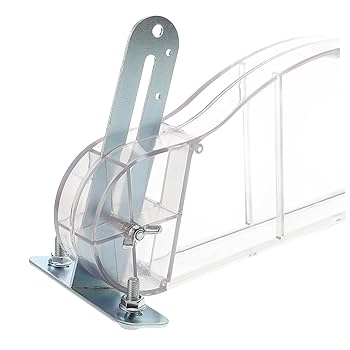
When you’re working with a table saw, safety should always come first. The table saw safety guard is your best friend in preventing accidents and keeping your fingers safe.
If you want to avoid costly injuries and feel confident every time you cut, understanding how to use this simple tool is a must. Keep reading, and you’ll discover easy tips to protect yourself and make your woodworking safer than ever before.
Your hands will thank you.
Importance Of Table Saw Guards
Table saw guards are not just accessories; they are essential safety tools that protect you every time you work. Without these guards, the risk of serious injury increases dramatically. Understanding their importance can change how you approach every cut and keep your workshop safer.
Common Injuries Without Guards
Without a guard, the spinning blade is fully exposed, putting your fingers and hands at high risk. Common injuries include deep cuts, amputations, and severe lacerations. These injuries often happen quickly—sometimes in just a split second of distraction or misjudgment.
Imagine reaching for a board and accidentally touching the blade. The damage can be permanent and life-altering. Even minor mistakes can lead to long recovery times or worse.
How Guards Prevent Accidents
Table saw guards act as a physical barrier between you and the blade. They reduce the chance of accidental contact by covering the cutting area and deflecting debris away from your hands.
Guards also help you focus on your work by reducing distractions caused by the spinning blade. In my own experience, using a guard made me feel safer and more confident, allowing me to concentrate better and make cleaner cuts.
Could your current setup be safer with a simple addition? Adding or properly adjusting a guard might be the easiest way to protect your hands and avoid costly mistakes.
Types Of Table Saw Safety Guards
Table saw safety guards protect users from serious injuries during cutting tasks. Different types of guards work together to enhance safety. Each guard has a unique role in preventing accidents. Understanding these types helps you stay safe and confident while using a table saw.
Blade Guards
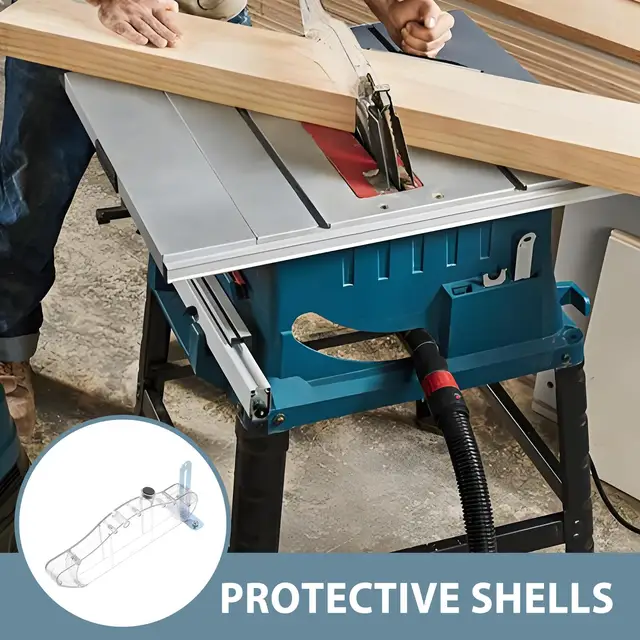
Blade guards cover the saw blade to prevent direct contact. They act as a physical barrier between the user and the spinning blade. Most blade guards are transparent to allow clear visibility. They also help reduce dust and debris from flying around. Blade guards automatically adjust with the blade height for effective protection.
Riving Knives
Riving knives sit behind the blade to keep the cut wood pieces apart. This prevents wood from pinching the blade, which can cause kickback. They move up and down with the blade for consistent protection. Riving knives improve cutting accuracy and reduce the chance of sudden movements. They are essential for safer ripping cuts.
Anti-kickback Pawls
Anti-kickback pawls are small teeth that grab the wood to prevent it from flying back. They allow wood to move forward but stop it from slipping backward violently. These pawls reduce the risk of dangerous kickback injuries. They work well with riving knives and blade guards for complete safety. Anti-kickback pawls are crucial for controlling wood during cutting.
Choosing The Right Guard For Your Saw
Choosing the right table saw safety guard is essential for safe operations. A well-suited guard minimizes risks and enhances efficiency. This guide will help you select the perfect guard for your saw.
Compatibility With Saw Models
Ensure the guard fits your specific table saw model. Manufacturers often provide compatibility details. Check dimensions and mounting options for a proper match. Using an incompatible guard can compromise safety and performance.
Material And Durability
Select a guard made from sturdy and long-lasting materials. Common options include steel, aluminum, and heavy-duty plastic. Durable materials withstand wear and provide reliable protection. Avoid guards with flimsy construction, as they may fail under stress.
Ease Of Installation
Choose a guard that is easy to install and remove. Most guards come with clear instructions and mounting hardware. A simple installation process saves time and reduces frustration. Quick removal is also important for cleaning or blade changes.
Credit: www.aliexpress.com
Installing And Adjusting Guards
Table saw safety guards are essential for preventing accidents and injuries during operation. Installing and adjusting guards properly ensures maximum protection while maintaining efficiency. This section outlines clear steps for installing, positioning, and maintaining table saw guards.
Step-by-step Installation
Proper installation begins with understanding your table saw model and its compatible guard. Follow the manufacturer's instructions closely to ensure the guard fits securely. Use the provided screws or clamps to attach the guard firmly.
Inspect the guard after installation to ensure it is stable and tight. Loose guards can compromise safety and effectiveness. Double-check all connections before proceeding.
Proper Guard Positioning
Position the guard to fully cover the blade without obstructing your work. The guard should allow smooth wood movement while keeping your hands away from the blade.
Adjust the guard height for the thickness of the material being cut. This prevents kickbacks and improves cutting precision. Always ensure the guard returns to its default position after adjustments.
Routine Maintenance Tips
Regular maintenance keeps your guard functional and safe. Clean the guard frequently to remove dust and debris. Dirty guards can reduce visibility and effectiveness.
Inspect the guard for cracks, wear, or loose components. Replace damaged parts immediately to prevent accidents. Lubricate any moving parts to ensure smooth operation.
Check the guard alignment periodically and adjust if necessary. Misaligned guards can cause safety hazards during use.
Safe Practices When Using Table Saws
Using a table saw requires careful attention to safety. Following safe practices reduces accidents and injuries. Always respect the power of the tool and stay alert. Safety guards help, but your actions matter the most.
Using Push Sticks And Featherboards
Push sticks keep your hands far from the blade. Use them to guide small or narrow pieces of wood. Featherboards hold the wood firmly against the fence. They prevent kickback and improve control. Both tools make cuts safer and more precise.
Maintaining Focus And Avoiding Distractions
Focus only on your work while using the saw. Avoid talking, phone calls, or noise distractions. Keep your mind on the task and the blade. Distractions cause mistakes and accidents. Always stop the saw if interrupted or unsure.
Proper Stance And Hand Placement
Stand with feet shoulder-width apart for balance. Keep your body slightly to the side of the blade. Place hands on the wood, away from the cutting path. Never reach over or behind the blade. Good stance and hand placement improve control and safety.

Credit: www.amazon.com
Common Mistakes To Avoid
Using a table saw without proper safety guards puts you at serious risk. Many accidents happen because of simple mistakes. Avoiding common errors can protect you from injuries and keep your work smooth.
Removing Or Bypassing Guards
Some users remove safety guards to make cuts faster. This is very dangerous. Guards are there to block wood kickbacks and protect your hands. Never take them off or bypass safety features. Always keep guards in place and functioning properly.
Improper Guard Adjustment
Adjusting the guard incorrectly can give a false sense of safety. A guard that is too high or too low does not protect well. Make sure the guard fits closely over the blade. Check adjustments before each use to ensure full coverage and protection.
Ignoring Safety Procedures
Skipping basic safety steps increases the chance of accidents. Always use push sticks and wear safety glasses. Stand to the side of the blade, not directly behind it. Do not rush or distract yourself during cuts. Follow all safety rules to stay safe.
Additional Safety Accessories
Using a table saw can be incredibly rewarding, but safety should always come first. Beyond the basic safety guard, there are additional accessories that can make your woodworking experience safer and more efficient. Let’s look at some key tools that deserve a spot in your workshop.
Dust Collection Systems
Woodworking produces a significant amount of dust, which can quickly fill the air and become a health hazard. A dust collection system helps maintain clean air and keeps your workspace tidy by capturing fine particles at the source. Choose a system compatible with your table saw and make sure it’s easy to empty and maintain.
If you’ve ever struggled to see your cut line because of excess sawdust, you’ll appreciate the added visibility a dust collection system provides. It’s more than just a convenience—it’s a safety upgrade. Breathing clean air also ensures you can focus on precision without risking respiratory issues.
Hearing And Eye Protection
Table saws are loud, and the noise can take a toll on your hearing over time. Invest in high-quality earmuffs or earplugs to protect your ears during extended use. It’s a simple step that makes a big difference, especially if you’re working in a shared or enclosed space.
Your eyes are just as important to protect. A pair of shatterproof safety glasses or goggles is non-negotiable. Flying wood chips can cause serious injuries, but good eye protection ensures you’re covered while keeping your vision clear for accurate cutting.
Emergency Stop Features
Accidents happen in a split second, which is why having an emergency stop feature is crucial. Some modern table saws come with large, easy-to-reach stop buttons or foot pedals. These allow you to cut power instantly without fumbling for controls.
If your saw doesn’t have this feature, consider retrofitting it. Being able to stop the blade immediately can be the difference between a close call and a serious injury. Think of it as a small investment for peace of mind every time you use your saw.

Credit: www.ebay.com
Frequently Asked Questions
What Is The Purpose Of A Table Saw Safety Guard?
A table saw safety guard prevents accidental contact with the blade. It helps reduce injury risk and ensures safe operation.
How Do I Install A Table Saw Safety Guard?
Follow your table saw's manual for installation instructions. Ensure the guard is properly aligned and securely attached before use.
Can I Use A Table Saw Without Its Safety Guard?
Using a table saw without a guard increases injury risks. Always use the safety guard for protection and safe cutting practices.
What Materials Can A Table Saw Safety Guard Handle?
Table saw safety guards are designed for wood cutting. They can handle most wood types without interfering with cutting efficiency.
Conclusion
Using a table saw safety guard protects you from serious injuries. It keeps your hands away from the blade. Always check that the guard fits well and works properly. Never remove or ignore the guard during cutting. Safe habits reduce risks and help you work with confidence.
Stay alert and respect the tool’s power. A small effort in safety goes a long way. Keep your workspace clean and focused. Safety guards are simple but very effective. Your hands deserve every bit of protection.

