
Is your garage filled with clutter and chaos? Imagine walking into a space where everything has its place, and you can find what you need without a second thought.
Shelving for your garage DIY style isn’t just about tidiness; it’s about transforming your space into a well-organized haven. You don’t need to be a professional carpenter or spend a fortune to achieve this. With some basic tools and a bit of creativity, you can build sturdy, custom shelving that meets your specific needs.
Intrigued about how you can turn your garage into a model of efficiency and order? Keep reading to discover simple steps and clever tips that will empower you to tackle this project with confidence and skill.
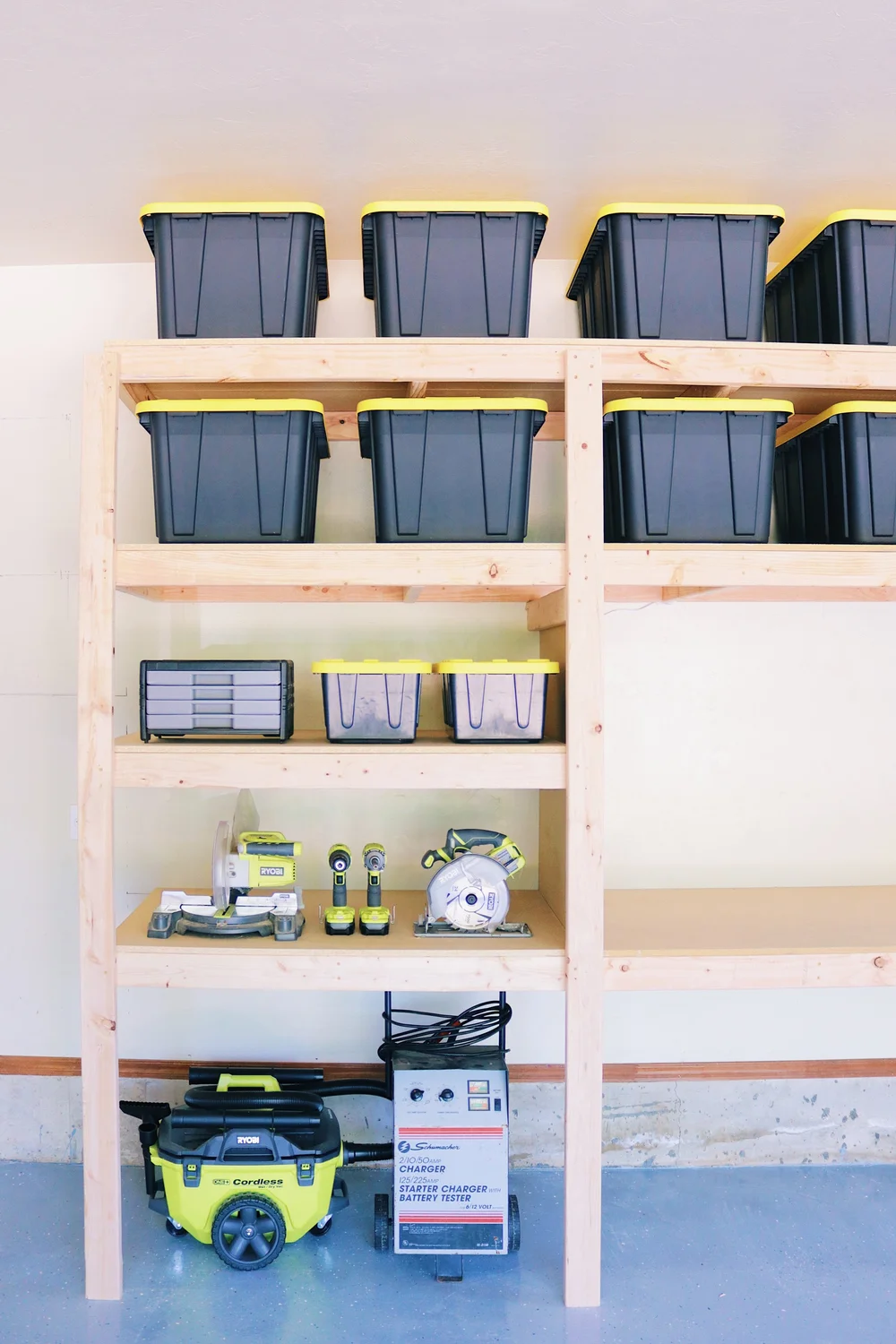
Credit: www.modernbuilds.com
Benefits Of Garage Shelving
Garage shelving offers many benefits that improve the use of your space. It helps keep your garage neat and tidy. Shelves hold tools, boxes, and other items off the floor. This creates more room for cars and projects. Shelving also makes it easier to find things quickly. Safety improves by reducing clutter and trip hazards. Investing in garage shelves brings order and saves time every day.
Maximizing Space Efficiency
Shelves use vertical wall space that is often wasted. This frees up floor space for larger items. You can store many things without crowding the garage. Adjustable shelves fit different sizes of boxes and tools. This flexibility helps you arrange items neatly. Shelving systems turn unused corners into useful storage spots. More storage capacity means less clutter and more room to work.
Improving Organization And Accessibility
Shelving keeps similar items grouped and easy to find. Clear shelves or labeled bins help identify contents quickly. Tools and supplies stay visible and within reach. This reduces time spent searching for items. Organized shelves make it simple to put things away. You can arrange items by frequency of use. Daily items stay at eye level while seasonal gear goes higher.
Enhancing Garage Safety
Keeping items off the floor reduces tripping hazards. Shelving prevents heavy objects from falling or rolling. Proper storage protects fragile tools and chemicals from damage. It also limits access to dangerous items by children or pets. Secure shelves hold everything firmly in place. A tidy garage reduces the risk of accidents. Safe storage creates a better environment for projects and vehicles.
Choosing The Right Shelving Material
Choosing the right shelving material for your garage DIY project affects durability and function. Each material offers unique strengths and fits different needs. Consider the weight of items, moisture levels, and budget before deciding. The right choice helps keep your garage neat and organized.
Wood Shelving Options
Wood shelves bring a classic look to any garage space. They hold heavy tools and boxes well. Solid wood like pine or oak is strong and lasts long. Plywood is a budget-friendly choice but may need sealing. Wood shelves can be painted or stained for style. Watch out for moisture, which can cause warping or mold.
Metal Shelving Advantages
Metal shelves offer excellent strength and durability. Steel is common and supports very heavy loads without bending. Metal resists moisture, making it ideal for damp garages. These shelves often come with adjustable heights. They require little maintenance and last for years. Metal shelving suits both small and large storage needs.
Plastic And Composite Shelves
Plastic and composite shelves are lightweight and easy to clean. They resist rust, mold, and moisture damage. These materials work well in humid or wet areas. Plastic shelves are less strong than wood or metal but good for light to medium loads. Composite shelves mix wood fibers with plastic for added strength. They come in various colors and styles for a modern look.
Types Of Garage Shelving
Garage shelving comes in different styles to fit various needs and spaces. Choosing the right type helps keep tools and items organized. It also maximizes the available space efficiently.
Each shelving type has unique benefits and installation requirements. Understanding these options makes your DIY project easier and more effective.
Wall-mounted Shelves
Wall-mounted shelves attach directly to garage walls. They save floor space and provide easy access to items. These shelves are ideal for storing small to medium tools and supplies.
Installation requires strong anchors and studs for support. They keep the garage neat and free from clutter.
Freestanding Units
Freestanding units are standalone shelves that do not need wall attachment. They can be moved and rearranged as needed. These units often hold heavier items and larger tools.
These shelves vary in size and material, including metal and wood options. They provide flexible storage that adapts to changing needs.
Adjustable Shelving Systems
Adjustable shelving systems offer customizable shelf heights. You can change the layout to fit different item sizes. These systems are perfect for growing or changing storage demands.
They usually include brackets and tracks for easy adjustment. This type combines flexibility with strong support for various garage items.
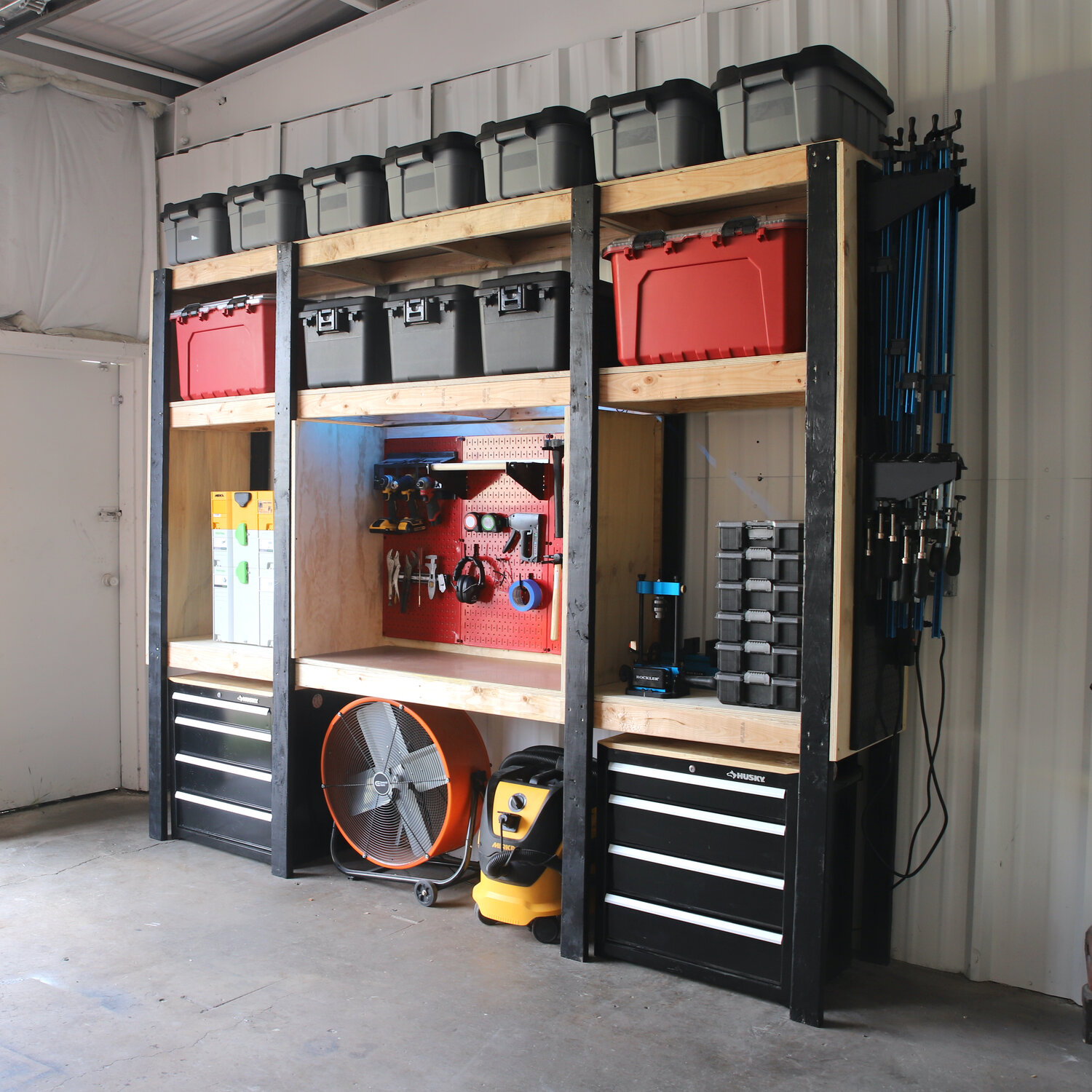
Credit: www.jonny-builds.com
Planning Your Garage Storage Layout
Planning your garage storage layout is key to creating a neat and functional space. It helps make the most of the area you have. Thoughtful planning saves time and frustration later. A clear layout can turn a cluttered garage into an organized haven. Start by understanding your space and what you need to store.
Assessing Available Space
Measure the length, width, and height of your garage. Note any doors, windows, or obstacles. Identify unused corners and wall areas. Check the floor condition and ceiling height. This helps decide the type of shelving that fits best. Sketch a rough floor plan. Mark where large items like cars or bikes will go.
Prioritizing Storage Needs
List all items you want to store. Group them by size and use. Think about seasonal tools, sports gear, and gardening supplies. Decide what you use most often. These items should be easier to reach. Less-used items can go higher or deeper. Clear priorities help choose the right shelves and bins.
Designing For Accessibility
Place frequently used items at eye level. Avoid stacking heavy items too high. Leave clear paths to move around. Use open shelves for quick access. Consider adjustable shelves for flexibility. Label storage bins to find items fast. Accessibility saves time and keeps the garage tidy.
Diy Shelving Installation Tips
Installing your own garage shelves can save space and money, but it also demands some planning and care. Paying attention to the right tools, clear steps, and safety will make your project smoother and more rewarding. Here are some practical tips that I learned the hard way when setting up my own garage shelves.
Tools And Materials Required
Before you start, gather all the essentials. You will need:
- Measuring tape:Accuracy is key to ensure shelves fit perfectly.
- Level:Keeps your shelves straight and prevents items from sliding off.
- Power drill and screwdriver bits:For quick and secure fastening.
- Stud finder:To locate wall studs for strong anchoring.
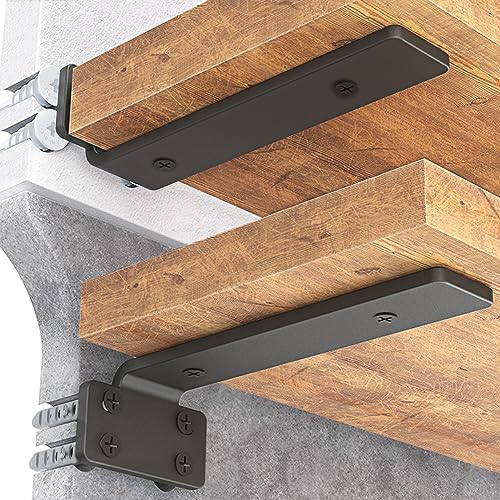
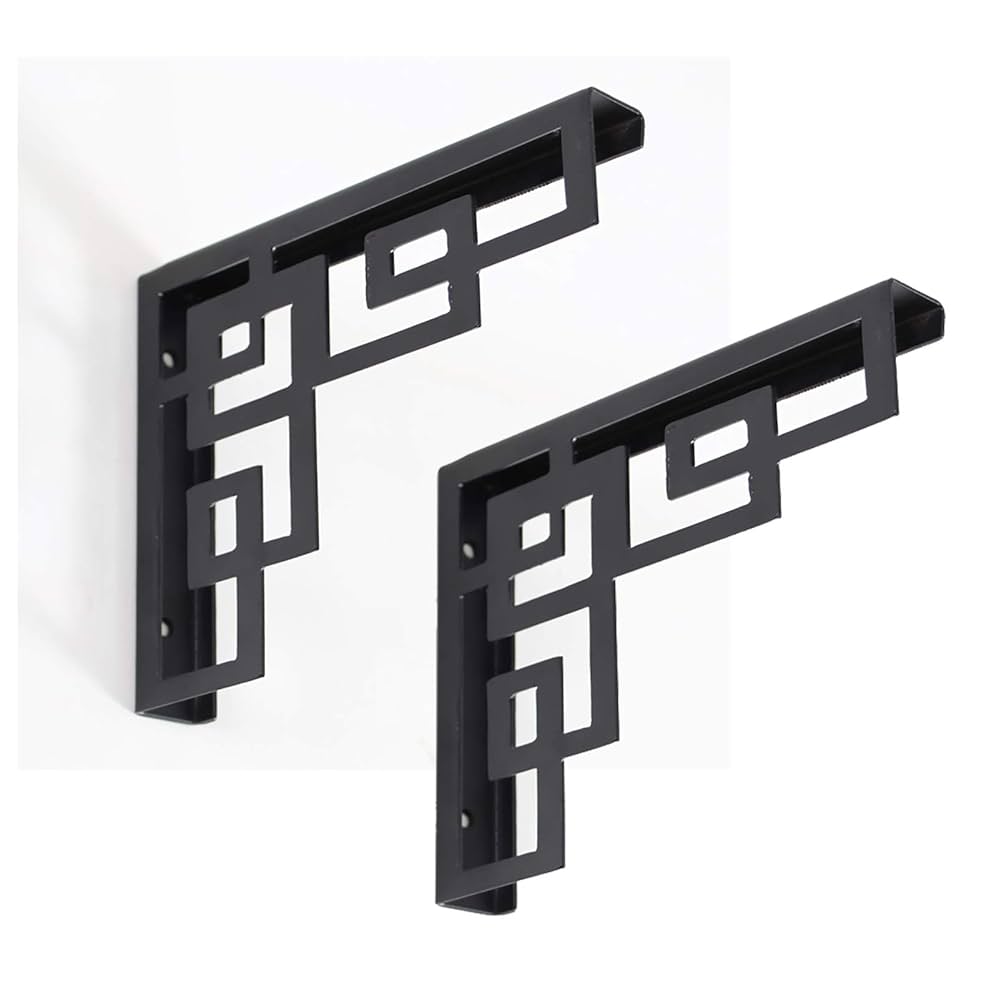
- Screws and brackets:Choose sturdy hardware that matches the shelf material.
- Wood or metal shelving boards:Pick material suitable for the weight you plan to store.
- Safety gear:Gloves and goggles protect your hands and eyes during installation.
Having everything ready before you begin avoids frustrating stops mid-project.
Step-by-step Assembly Guide
Start by measuring the space where you want your shelves. Mark the height and width clearly on the wall.
Use the stud finder to find secure points for mounting your brackets. Mark these spots so you don’t miss them.
Attach the brackets firmly to the wall using screws and the power drill. Double-check with a level to keep them straight.
Place your shelving boards on the brackets. If the boards don’t fit perfectly, trim them carefully with a saw.
Secure the boards to the brackets with screws to prevent shifting when you place items on them.
Would your garage benefit more from adjustable shelves or fixed ones? Think about what you plan to store to decide.
Safety Precautions
Always wear safety goggles and gloves to protect yourself from dust and sharp edges.
Check the weight limits of your brackets and boards to avoid overloading, which can cause shelves to collapse.
Use a sturdy ladder or step stool when installing shelves higher up, and never stretch beyond your reach.
If you feel unsure about drilling into your walls, especially if they’re concrete or brick, ask a professional for advice.
Taking these safety steps seriously keeps your project trouble-free and your garage safe for everyone.
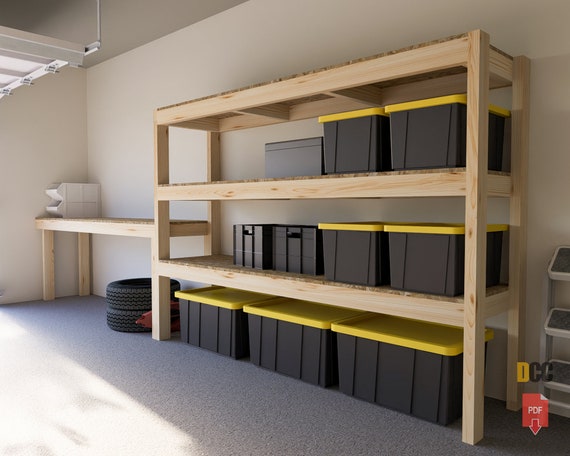
Credit: www.etsy.com
Customizing Shelves For Specific Items
Customizing shelves to fit the specific items you store can transform your garage from a cluttered space into a well-organized workshop or storage area. It’s about making your shelves work for you, not the other way around. When your shelves match the shape, size, and use of your items, you’ll save time, protect your belongings, and keep the space tidy.
Storing Tools And Equipment
Think about the tools you use most often. Are they hand tools, power tools, or gardening equipment? Shelves designed with adjustable heights and sturdy materials can hold heavy tools safely.
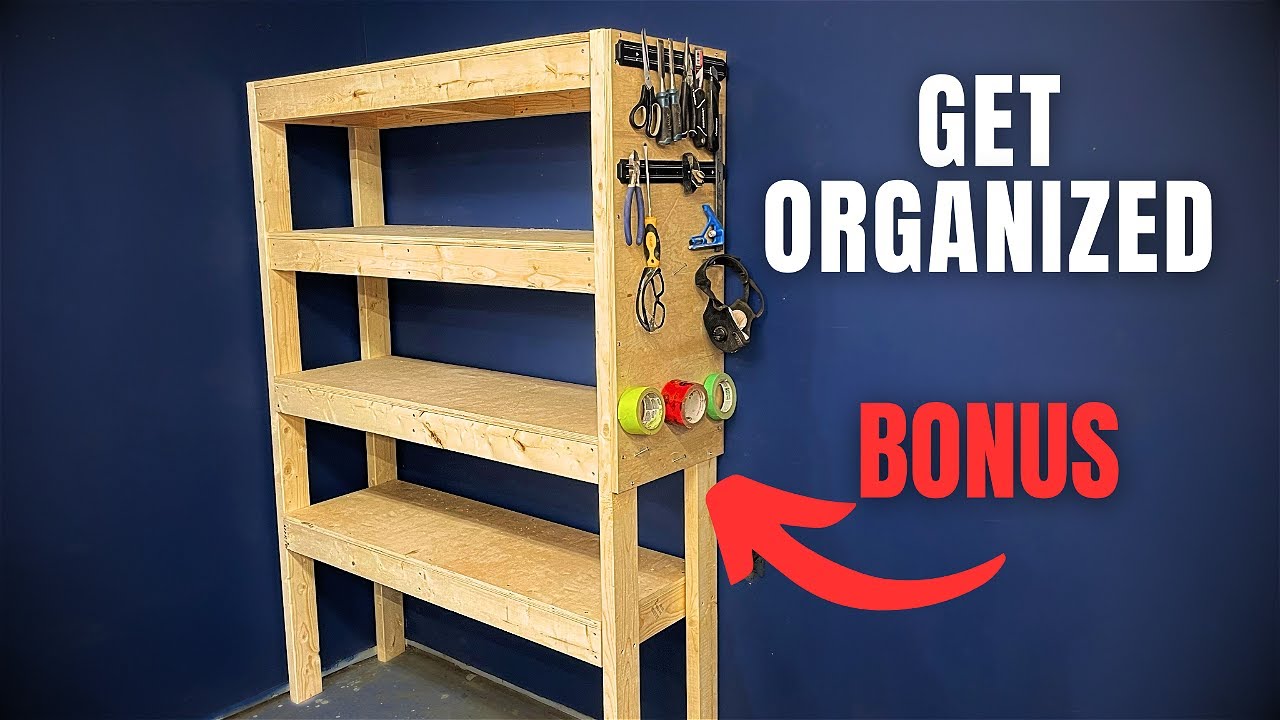
Adding hooks or magnetic strips alongside your shelves helps keep screwdrivers, hammers, and wrenches visible and easy to grab. Don’t forget to label bins or small containers for nails, screws, and bolts to avoid hunting for tiny parts.
Organizing Sports Gear
Sports gear comes in all shapes and sizes—from bulky helmets to long skis or balls. Custom shelves with open cubbies or baskets allow you to separate different types of equipment neatly.
Consider using clear bins for smaller accessories like gloves or goggles. This keeps everything visible, so you won’t lose track of your gear before the next game or season.
Managing Seasonal Items
Seasonal items like holiday decorations or camping gear need special attention. Shelves placed higher up or in less accessible spots are perfect for items you only use once or twice a year.
Stackable bins with labels make it easy to find what you need without pulling everything down. Have you thought about using sliding shelves or pull-out drawers for heavy boxes? It saves your back and keeps things organized.
Maintenance And Upkeep
Keeping your garage shelving in top shape extends its life and keeps your space organized. Regular maintenance prevents small issues from turning into costly repairs. It also ensures your shelves remain safe and functional for all your storage needs.
Regular Cleaning Practices
Dust and dirt can build up quickly on garage shelves, especially if you store tools or outdoor gear. Wiping down shelves with a damp cloth every few weeks keeps them clean and free from grime. For tougher spots, a mild detergent works well without damaging surfaces.
Consider using a vacuum with a brush attachment to clean corners and crevices. This simple habit helps prevent dirt from settling and makes your shelves look well cared for. Have you noticed how a clean shelf encourages you to keep the whole garage tidier?
Inspecting For Damage
Check your shelves regularly for signs of wear like cracks, rust, or loose screws. Metal shelves can develop rust spots that weaken their strength, while wooden ones may warp or splinter. Catching these problems early stops damage from spreading and keeps your shelving sturdy.
Make it a habit to run your hand along shelves to feel for uneven spots or looseness. Tighten any bolts and replace damaged parts immediately. How often do you take a moment to inspect your shelves before loading them up with heavy items?
Upgrading And Expanding Shelving
Your storage needs change over time, and your shelving should adapt with them. Adding extra shelves or reinforcing existing ones can accommodate new tools or seasonal items. Simple upgrades like adjustable brackets make your system more versatile and future-proof.
Think about the layout of your garage and whether more vertical or corner shelves could free up floor space. Small changes often make a big difference in organization and accessibility. What new storage challenges could your shelving solve if you made a few smart upgrades?
Smart Storage Accessories
Smart storage accessories can transform your garage shelving from cluttered chaos into an organized haven. These tools help you maximize space, keep items accessible, and maintain order without much hassle.
Think about the last time you searched for a screwdriver or a pair of gloves in your garage. How much time did you lose digging through piles? Smart accessories like hooks, bins, and labels can save you from that frustration every day.
Hooks And Hangers
Hooks and hangers are simple but powerful additions to your garage shelves. They free up shelf surface by moving tools, cords, and equipment onto walls or the sides of shelves.
Try installing heavy-duty hooks for bikes, ladders, or garden tools. Smaller hooks can hold hand tools, keys, or extension cords. You’ll notice how much easier it becomes to spot and grab what you need.
Bins And Containers
Bins and containers keep smaller items grouped and prevent them from scattering all over. Clear plastic bins let you see contents at a glance, reducing the time spent searching.
Use stackable containers to save floor space. Separate your items by type or frequency of use—this helps you quickly decide what to keep handy and what to store away.
Labeling Systems
Labels turn your storage setup from guesswork into a clear, easy-to-navigate system. Whether you use printed labels, chalkboard tags, or color-coded stickers, labeling helps maintain order.
Have you ever bought a tool twice because you couldn’t find the first one? Labels stop that waste. They also encourage everyone in your household to put things back where they belong.
Frequently Asked Questions
What Materials Are Best For Garage Diy Shelving?
Wood, metal, and heavy-duty plastic are ideal for garage shelving. Wood offers strength and customization, metal provides durability and load capacity, while plastic resists moisture and is lightweight. Choose based on your storage needs, garage environment, and budget for a long-lasting DIY solution.
How Do I Install Shelving In My Garage Safely?
Use wall studs for secure mounting, and level shelves properly. Choose appropriate anchors and brackets for your wall type. Always wear safety gear and follow manufacturer instructions. Proper installation ensures sturdy shelves that support heavy items without risk of falling or damage.
What Are The Top Shelving Designs For Garage Organization?
Adjustable wall-mounted shelves, freestanding metal racks, and overhead storage units are popular. Adjustable shelves offer flexibility, metal racks handle heavy tools, and overhead units maximize ceiling space. These designs improve accessibility and optimize your garage’s storage capacity efficiently.
How Much Weight Can Diy Garage Shelves Hold?
Weight capacity depends on materials and installation quality. Properly installed wooden or metal shelves can hold 100-300 pounds or more. Always check load ratings of brackets and anchors. Distribute weight evenly to avoid shelf sagging or failure for safe storage.
Conclusion
Building garage shelves yourself saves money and fits your space well. Choose strong materials and measure carefully for a perfect fit. Organize tools and items neatly to find them fast. Simple shelves make your garage cleaner and easier to use.
Start small, then add more shelves as needed. Enjoy a tidy, useful garage that works for you.