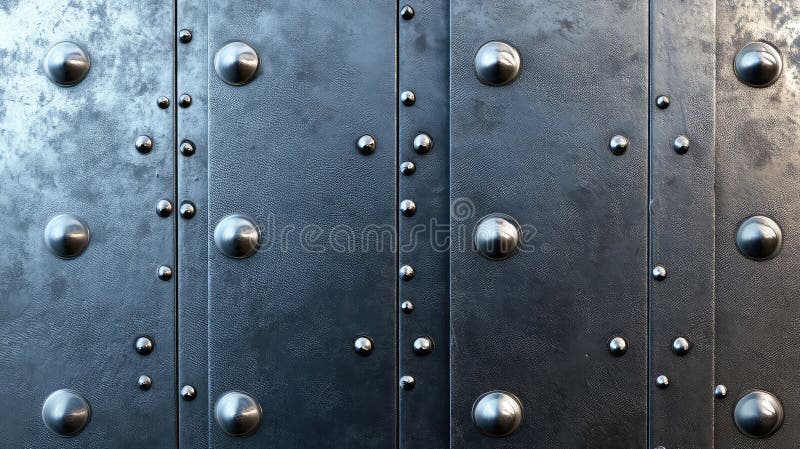
When you think about strong, reliable structures, what comes to mind? Chances are, sheet metal joined with rivets plays a bigger role than you realize.
Whether you’re working on a DIY project, managing repairs, or simply curious about how things hold together, understanding sheet metal with rivets can change the way you approach your work. This article will reveal the secrets behind this powerful combination and show you why it’s trusted in industries from construction to automotive.
Ready to unlock the potential of sheet metal and rivets? Let’s dive in and discover how you can make your projects stronger and more durable than ever before.

Credit: www.istockphoto.com
Benefits Of Sheet Metal With Rivets
Sheet metal with rivets is a common choice in construction and manufacturing. It holds metal pieces together firmly and safely.
This method offers many benefits that improve strength, cost, and usage options. It is a reliable way to join metal parts.
Enhanced Strength And Durability
Rivets create strong joints that hold sheet metal tightly. This adds to the overall strength of the structure.
They resist vibrations and stress well, making the metal last longer without damage.
Cost-effective Assembly
Using rivets is cheaper than welding or bolts in many cases. It requires less equipment and time.
Riveting also reduces labor costs and speeds up the assembly process.
Corrosion Resistance
Rivets often use materials that resist rust and corrosion. This protects the metal from damage in wet or harsh conditions.
Properly chosen rivets help keep sheet metal strong for a longer time.
Versatility In Applications
Sheet metal with rivets can be used in many areas. It works well in buildings, vehicles, and appliances.
The ability to join different metal types and thicknesses makes rivets very useful.
Types Of Rivets Used In Sheet Metal
Rivets are essential in joining sheet metal parts. They provide strong and reliable connections. Different types of rivets suit different applications.
Understanding the types of rivets helps in choosing the right one for your project. Here are some common rivets used in sheet metal work.
Solid Rivets
Solid rivets are simple and strong. They require access to both sides of the material. A hammer or a rivet gun is used to set them.
These rivets are often found in aircraft and construction. They provide a permanent and robust fastening solution.
Blind Rivets
Blind rivets are useful when you cannot access the back side. They are also known as pop rivets. Installation requires a rivet gun.
These rivets are ideal for quick and easy assembly. They are commonly used in automotive and electronics.
Semi-tubular Rivets
Semi-tubular rivets have a hole at the tip. This design makes them easier to set. They need less force than solid rivets.
They are often used in applications like brakes and hinges. Their ease of use makes them popular in assembly lines.
Drive Rivets
Drive rivets are installed by hammering. They have a short mandrel. This mandrel expands the rivet body when struck.
These rivets are suitable for light-duty applications. They are often used in signage and furniture assembly.
Materials For Sheet Metal And Rivets
Sheet metal is a thin, flat piece of metal used in many projects. Rivets are small metal pins that hold sheet metal parts together. Choosing the right materials for both is important. The metal types affect strength, weight, and rust resistance.
Different metals work best for different uses. This guide explains common metals for sheet metal and rivets. It helps you pick the best materials for your needs.
Aluminum Sheet Metal
Aluminum sheet metal is light and does not rust. It is easy to shape and cut. Aluminum works well for projects that need less weight.
This metal also resists corrosion from water and many chemicals. It is often used in airplanes, cars, and signs.
Steel Sheet Metal
Steel sheet metal is strong and durable. It can hold up under heavy loads and rough use. Steel is heavier than aluminum but often cheaper.
Steel can rust if not protected. Many sheets have coatings like paint or zinc to stop rust. Steel is common in buildings and machines.
Copper And Brass Options
Copper sheet metal is soft and easy to bend. It has a bright, reddish color. Copper does not rust but can develop a green patina over time.
Brass is an alloy of copper and zinc. It is stronger than copper and has a yellow-gold color. Both metals are used for decoration and electrical parts.
- Copper is good for plumbing and roofing.
- Brass works well for musical instruments and hardware.
Matching Rivet Materials
Rivets should match or work well with the sheet metal. This prevents rust and keeps joints strong. Using the same metal type for rivets and sheets is best.
Common rivet materials include aluminum, steel, copper, and brass. Choose rivets that fit the metal’s strength and corrosion needs.
| Sheet Metal | Recommended Rivet Material |
|---|---|
| Aluminum | Aluminum rivets |
| Steel | Steel rivets (stainless or coated) |
| Copper | Copper rivets |
| Brass | Brass rivets |

Credit: www.shutterstock.com
Riveting Techniques For Strong Joints
Sheet metal with rivets is common in many industries. Riveting creates strong joints that hold metal pieces tightly.
Choosing the right riveting technique is important. It affects the strength and durability of the joint.
Hand Riveting
Hand riveting uses simple tools like a hammer and rivet gun. It is best for small jobs or repairs.
This method gives good control over each rivet. It takes more time but works well for tight spaces.
Pneumatic Riveting
Pneumatic riveting uses air pressure to drive the rivet. It speeds up the process compared to hand riveting.
This technique is common in factories. It reduces worker fatigue and produces consistent joints.
- Uses compressed air
- Fast and efficient
- Good for medium production
- Requires air compressor
Hydraulic Riveting
Hydraulic riveting uses liquid pressure to set rivets. It can create very strong and precise joints.
This method works well for thick or hard metals. It needs special hydraulic equipment and safety care.
- Uses hydraulic pressure
- Handles tough materials
- High strength joints
- More complex setup
Automated Riveting Systems
Automated riveting uses machines controlled by computers. It works fast and with high accuracy.
This system suits large-scale production. It reduces human error and keeps quality steady.
- Computer controlled machines
- High speed and precision
- Best for mass production
- Higher initial cost
Design Considerations For Riveted Sheet Metal
Riveted sheet metal is common in many industries like aviation and construction. Designing it well helps keep structures strong and safe.
This guide covers key factors to think about when designing with riveted sheet metal. These include hole placement, load handling, thermal effects, and fatigue.
Hole Placement And Size
Holes for rivets must be the right size and placed carefully. Too large holes weaken the metal and cause failure.
Keep holes far from edges and from each other. This keeps the metal strong and avoids cracks.
- Hole diameter should match rivet size closely.
- Maintain a minimum distance from edge to hole.
- Space holes evenly to spread forces.
Load Distribution
Rivets share the load across the metal sheets. Even load spread helps prevent weak spots and damage.
Design to avoid too much stress on one rivet. Use multiple rivets to carry heavy loads safely.
- Distribute loads evenly over rivet patterns.
- Check load directions to avoid shear stress.
- Use more rivets for higher load areas.
Thermal Expansion
Sheet metal and rivets expand and contract with temperature changes. This movement can loosen rivets or cause stress.
Allow space for expansion or use rivets that can handle some movement. This reduces damage from heat changes.
- Choose rivet materials compatible with sheet metal.
- Design joints to allow small movements.
- Avoid rigid connections in areas with big temperature swings.
Fatigue Resistance
Repeated stress on riveted sheets causes fatigue and cracks over time. Good design extends the life of the joint.
Keep holes smooth and edges rounded. Reduce sharp changes that can start cracks.
- Use proper hole finishing to avoid rough edges.
- Space rivets to reduce stress concentration.
- Inspect joints regularly for early fatigue signs.
Common Applications Of Riveted Sheet Metal
Riveted sheet metal is widely used in many industries. It offers strong and durable joints without welding.
This method joins metal parts with rivets for reliable connections in tough conditions.
Aerospace Industry
In aerospace, riveted sheet metal forms aircraft bodies and wings. It keeps the structure light and strong.
Rivets resist vibration and pressure changes during flight. This makes them ideal for planes and helicopters.
- Airframe panels
- Wing assemblies
- Engine mounts
- Interior cabin parts
Automotive Manufacturing
Car makers use riveted sheet metal for strong and safe vehicle frames. Rivets hold parts firmly in place.
Rivets help attach body panels and chassis components. They provide durability while allowing some flexibility.
- Body panel assembly
- Chassis reinforcement
- Exhaust system parts
- Interior framework
Construction And Architecture
Riveted sheet metal is common in building structures. It is used in bridges, roofs, and facades.
Rivets create strong joints that hold metal sheets in place. This improves safety and stability of buildings.
- Steel bridge connections
- Metal roofing
- Architectural panels
- Support beams
Industrial Equipment
Factories use riveted sheet metal in machines and tools. Rivets provide tough, long-lasting joints.
Riveted parts resist heavy wear and vibrations. This helps machines work safely and without breakdowns.
- Heavy machinery frames
- Conveyor belts
- Storage tanks
- Protective covers
Maintenance And Inspection Tips
Sheet metal with rivets needs regular care to stay strong and safe. Proper maintenance helps find issues early.
Checking rivets and metal parts often prevents costly repairs and keeps the structure reliable.
Detecting Rivet Wear And Damage
Look for loose or missing rivets. Check for cracks around the rivet heads. Damaged rivets can weaken the whole joint.
- Inspect rivet heads for cracks or deformation.
- Check for movement or looseness in the rivets.
- Look for metal fatigue near riveted areas.
- Listen for unusual noises when the structure moves.
Preventing Corrosion
Corrosion damages both rivets and sheet metal. Keep surfaces clean and dry to prevent rust. Use protective coatings when possible.
| Preventive Action | Description |
| Cleaning | Remove dirt and moisture regularly. |
| Protective Coating | Apply paint or sealants to block moisture. |
| Drainage | Ensure water does not collect near rivets. |
| Environmental Control | Limit exposure to harsh chemicals and salt. |
Repairing Riveted Joints
Fix damaged rivets quickly to keep joints strong. Use correct tools and rivets matching the original type.
Remove faulty rivets carefully without harming the sheet metal. Replace them with new rivets of the same size and material.
Repair Tips:
- Use a drill to remove old rivets safely.
- Clean the hole before inserting a new rivet.
- Use a rivet gun to secure the new rivet tightly.
- Check the repaired joint for stability.
Regular Inspection Schedules
Set inspection dates based on use and environment. Frequent checks catch issues before they grow.
- Inspect riveted areas every three months in harsh conditions.
- Check twice a year in normal environments.
- Record findings and actions after each inspection.
- Adjust inspection frequency if problems are found.

Credit: www.vecteezy.com
Frequently Asked Questions
What Are The Benefits Of Using Rivets In Sheet Metal?
Rivets provide strong, permanent joints in sheet metal. They resist vibration and shear forces well. Riveting is quick and cost-effective for mass production. It avoids heat distortion common in welding.
How Do Rivets Improve Sheet Metal Durability?
Rivets evenly distribute stress across joined sheets. This reduces the risk of cracks or material fatigue. They create reliable, long-lasting connections in various environments. Rivets also resist corrosion when made from suitable materials.
What Types Of Rivets Suit Sheet Metal Best?
Common rivets for sheet metal include blind rivets, solid rivets, and semi-tubular rivets. Blind rivets work well where only one side is accessible. Solid rivets offer maximum strength but require access to both sides.
Can Sheet Metal With Rivets Be Repaired Easily?
Yes, damaged rivets in sheet metal can be drilled out and replaced. This allows maintenance without replacing entire panels. Repairing rivets is cost-effective and restores structural integrity quickly.
Conclusion
Sheet metal with rivets offers strong and reliable connections. Rivets hold metal pieces tightly, making structures sturdy. This method is common in construction and manufacturing. It provides long-lasting joints that resist wear and tear. Using rivets also allows for quick assembly without welding.
Choosing the right rivet type is important for best results. Understanding this technique helps in many metalworking projects. Simple, effective, and widely used—riveted sheet metal remains essential.

