
Are you planning to build a shed but unsure which materials to choose? Picking the right shed building materials can make all the difference in how strong, durable, and attractive your shed will be.
Whether you want a simple storage space or a stylish backyard retreat, the materials you select will impact every step of your project. You’ll discover the best options to match your needs and budget. Keep reading to find out how to make your shed last for years while looking great in your yard.
Popular Shed Materials
Choosing the right material for a shed is important. It affects the shed’s strength, look, and how long it lasts. Popular materials include wood, metal, and plastic. Each type has unique benefits and suits different needs. Understanding these options helps in making the best choice for your space and budget.
Wood Options
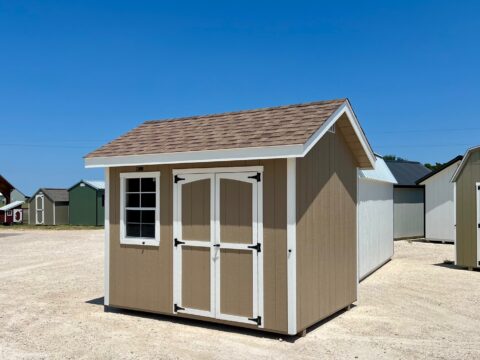
Wood is a classic choice for sheds. It looks natural and blends well with gardens. Common types include cedar, pine, and redwood. Cedar resists rot and insects well. Pine is affordable but needs treatment against pests. Redwood is strong and lasts a long time. Wood sheds can be painted or stained for extra protection. They require regular maintenance to avoid decay.
Metal Varieties
Metal sheds are strong and low maintenance. Steel and aluminum are common metals used. Steel is very durable and resists fire. It may rust if not coated properly. Aluminum does not rust and is lightweight. Metal sheds often have a modern look. They are good for areas with harsh weather. Metal requires little upkeep but can get hot in the sun.
Plastic And Resin Choices
Plastic and resin sheds are growing in popularity. They are lightweight and easy to assemble. These sheds resist rot, rust, and insects. Plastic options usually come with UV protection to prevent fading. Resin sheds need almost no maintenance. They are waterproof and often come in various colors. Plastic sheds suit small storage needs and areas with moisture.
Credit: www.lonestarstructures.com
Benefits Of Wood Sheds
Wood sheds offer many benefits that make them popular for outdoor storage. They blend well with natural surroundings. Wood is easy to work with and allows for many design choices. These sheds also help keep the inside temperature steady, protecting your tools and equipment.
Natural Appearance
Wood sheds have a warm and classic look. The natural grain and color fit well in gardens or yards. Wood can age gracefully, gaining character over time. This makes wood a great choice for those who want a shed that looks good year after year.
Customizability
Wood is simple to cut, shape, and paint. You can build a shed that matches your style and size needs. Adding shelves, windows, or doors is easy with wood. It gives freedom to create a unique shed that suits your space perfectly.
Insulation Properties
Wood naturally slows down heat transfer. This helps keep the shed cooler in summer and warmer in winter. Better insulation protects tools and stored items from extreme temperatures. Wood sheds can reduce moisture buildup, lowering the risk of damage inside.
Advantages Of Metal Sheds
Metal sheds offer many benefits for storage and workspace needs. Their design combines practicality with strength. Choosing metal materials ensures a reliable and long-lasting shed.
Durability And Strength
Metal sheds resist weather damage better than wood or plastic. They stand firm against wind, rain, and snow. Rust-resistant coatings help metal last for years. This durability means fewer repairs and replacements.
Low Maintenance
Metal sheds need little upkeep. No painting or sealing is required. Cleaning is simple with a quick rinse of water. Metal does not warp, crack, or rot. This saves time and money over the shed’s life.
Fire Resistance
Metal sheds provide better fire safety than wood. They do not catch fire easily or spread flames. This feature protects stored items and nearby buildings. Metal sheds add an extra layer of security to your property.
Features Of Plastic And Resin Sheds
Plastic and resin sheds offer practical benefits for storage and outdoor use. They resist damage and require little upkeep. These sheds suit many needs due to their unique features. Understanding these features helps in choosing the right shed for your space.
Weather Resistance
Plastic and resin sheds resist rain, snow, and sun. They do not rust or rot like metal or wood. Their materials prevent water from seeping inside. This keeps tools and items dry and safe. They also withstand strong winds without damage.
Lightweight And Portable
These sheds are lighter than wood or metal sheds. This makes moving or repositioning easier. Assembly is simple and quick due to lighter parts. Portability allows flexibility for small spaces or changing needs. You can relocate the shed without heavy tools or help.
Cost-effectiveness
Plastic and resin sheds often cost less than wooden or metal options. Their low maintenance saves money over time. No need for painting, sealing, or treating. Durable materials reduce repair expenses. This makes them a budget-friendly choice for storage.
Comparing Costs And Longevity
Choosing the right materials for your shed isn’t just about looks—it’s about balancing what you pay now with what you’ll spend later and how long the shed will last. Understanding costs and longevity side by side helps you make smarter decisions that save money and time over the years. Let’s break down these factors so you can pick the best fit for your needs.
Initial Investment
Some materials, like wood, might seem affordable at first glance. But high-quality treated wood or cedar can quickly increase your upfront cost. On the other hand, metal or vinyl options often carry a higher initial price but might include warranties that protect your investment.
Have you ever bought a cheap material only to regret it when repairs started piling up? Spending a bit more at the start can sometimes save you from unexpected expenses down the road.
Maintenance Expenses
Wood sheds need regular painting or sealing to prevent rot and insect damage, which means ongoing costs. Vinyl and metal sheds typically require less upkeep—usually just a quick wash now and then.
Think about how much time and money you're willing to invest in maintenance. If you prefer a “set it and forget it” approach, materials with lower maintenance demands might suit you better.
Lifespan Expectations
Wood sheds can last 10 to 15 years with proper care, but untreated wood may deteriorate much faster. Metal sheds often last 20 years or more, resisting weather and pests effectively.
Consider your long-term plans: Are you building a shed to last decades or just a few years? Your choice in materials should align with how long you want your shed to stand strong.
Environmental Impact
The environmental impact of shed building materials plays a key role in choosing the right products. Materials affect natural resources, energy use, and waste. Choosing wisely helps protect nature and reduces pollution.
Sustainability Of Materials
Sustainable materials come from sources that renew quickly. Wood from certified forests grows back fast. Bamboo is another strong, fast-growing option. These materials reduce harm to the environment. They use less energy to produce and cause less pollution.
Recyclability
Recyclable materials lower waste in landfills. Metal, certain plastics, and glass can be recycled after use. This saves raw materials and reduces energy consumption. Using recyclable materials helps keep the environment cleaner. It also supports a circular economy where materials get reused.
Eco-friendly Choices
Eco-friendly materials have low impact on the planet. Look for natural, untreated wood or recycled content products. Avoid materials with harmful chemicals or heavy processing. Paints and finishes with low VOCs improve air quality. Choosing eco-friendly options helps build a healthier, greener shed.
Tips For Choosing The Right Material
Choosing the right material for your shed is important for its strength and lifespan. The material affects how well the shed stands against weather and how much maintenance it needs. Consider the local environment, the shed’s purpose, and your budget before deciding. This helps pick a material that fits your needs and lasts long.
Assessing Climate And Location
Think about the weather where you live. Rain, snow, heat, and wind all affect shed materials differently. Wood is good for dry places but may rot in wet areas. Metal resists rain well but can get very hot under the sun. Plastic sheds handle moisture and sun but may crack in cold climates. Choose a material that can handle your local weather without damage.
Purpose And Usage
Consider what you will use the shed for. Storage sheds may need strong, durable materials. Workshops require good insulation and space for tools. Garden sheds might focus on style and easy access. Each use calls for different materials. For example, wood offers a classic look and good insulation. Metal is great for security and low upkeep. Match the material to the shed’s role.
Budget Considerations
Set a clear budget before buying materials. Wood can be costly and needs upkeep. Metal is usually cheaper and lasts long but may need extra insulation. Plastic is often the least expensive but can wear out faster. Balance cost with durability and maintenance needs. A good plan helps avoid overspending and future repairs.

Credit: www.dakotastorage.com
Maintenance Tips For Lasting Sheds
Maintaining your shed is key to making sure it stands strong for years. Simple, regular care can prevent costly repairs and preserve the materials you chose. Think of your shed like a car—neglecting small issues can lead to bigger problems down the road.
Routine Inspections
Check your shed at least once every season. Look for signs of damage like cracks, rust, or loose panels. Don’t ignore small issues; a tiny leak can turn into a major water problem if left unchecked.
Keep an eye on the foundation too. Is it still level? Are there any signs of ground shifting? Your shed’s stability depends on a solid base.
Protective Treatments
Applying protective coatings extends the life of wood, metal, or plastic sheds. Wood benefits from sealants or stains that repel water and block UV rays. Metal sheds need rust-proof paint or treatments to avoid corrosion.
How often you apply these treatments depends on your climate. In rainy or sunny areas, yearly applications might be necessary. Don’t forget the roof—adding waterproof sealant can prevent leaks and rot.
Repair And Upkeep
Fix problems as soon as you spot them. Replace broken hinges, tighten loose screws, and patch holes promptly. Waiting can let damage spread and make repairs more expensive.
Keep the interior clean and dry to avoid mold and pests. Organize your tools and materials to prevent unnecessary wear on the shed walls and floor. What’s one repair task you’ve been putting off? Tackling it today can save you headaches tomorrow.
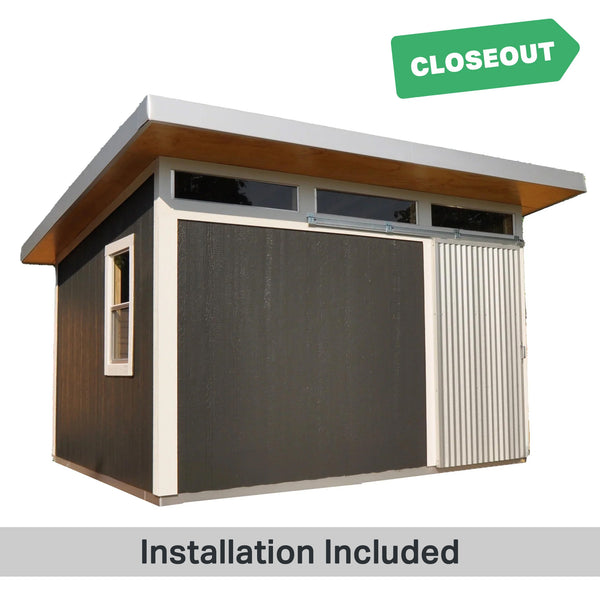
Credit: www.shedliquidators.com
Frequently Asked Questions
What Are The Best Materials For Shed Walls?
Plywood and T1-11 siding are popular shed wall materials. They offer durability, weather resistance, and easy installation. Both can be painted or stained for added protection and aesthetics.
Which Roof Materials Work Best For Sheds?
Metal roofing and asphalt shingles are top choices for shed roofs. Metal is long-lasting and rust-resistant. Asphalt shingles are affordable and provide good weather protection.
How To Choose Flooring Materials For A Shed?
Pressure-treated plywood and concrete are common shed flooring options. Pressure-treated wood resists moisture and pests. Concrete floors are durable and easy to clean.
Are Eco-friendly Shed Materials Available?
Yes, recycled wood, bamboo, and reclaimed metal are eco-friendly options. These materials reduce environmental impact while maintaining strength and durability for sheds.
Conclusion
Choosing the right shed building materials is crucial. It affects durability. Cost also plays a big role. Wood offers a classic look. Metal provides strong protection. Vinyl is low-maintenance. Each material has its pros and cons. Always consider climate and usage.
A well-built shed lasts for years. It protects your tools and equipment. Making informed choices saves future hassle. Research and plan carefully. A good shed enhances your outdoor space. Make your investment count. Enjoy your new storage solution!