Are you tired of worrying about the safety of your belongings or equipment? Security bolts and nuts might be the simple solution you need to protect what matters most.
These specially designed fasteners are built to keep thieves and tamperers out, giving you peace of mind like never before. You’ll discover how security bolts and nuts work, why they’re essential for your projects, and how to choose the right ones for your needs.
Keep reading to learn how a small change can make a huge difference in your security.
Types Of Security Bolts
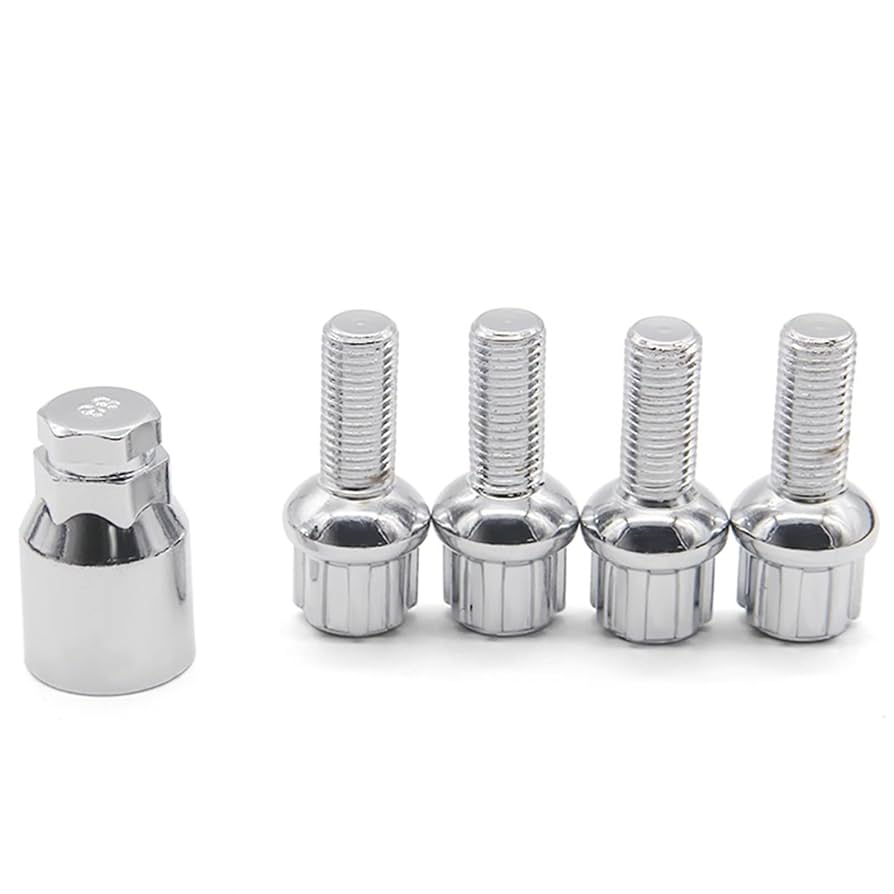
Security bolts help protect items from theft and damage. They are made to be hard to remove without special tools.
There are different types of security bolts. Each type has a unique design for specific uses.
One-way Bolts
One-way bolts can be tightened but not loosened easily. They turn only in one direction.
This makes them good for places that need permanent fastening. You need special tools to remove them.
Tamper-proof Bolts
Tamper-proof bolts have unique heads that stop common tools from removing them. They need special wrenches or drivers.
They protect against theft and vandalism. They are used in public areas and on important equipment.
Shear Head Bolts
Shear head bolts have a breakable head that snaps off after tightening. This leaves no grip for tools.
This feature stops anyone from loosening or removing the bolt. They are strong and secure fasteners.
Spanner Head Bolts
Spanner head bolts have two small holes on the head. They require a special spanner tool to turn them.
This design prevents removal with regular screwdrivers or wrenches. They are common in security and electronics.

Credit: www.amazon.ca
Security Nuts Varieties
Security nuts ensure that bolts stay in place. They offer extra safety for structures and machinery.
Different types of security nuts are used for various applications. Each has unique features to meet specific needs.
Lock Nuts
Lock nuts are designed to prevent loosening. They are often used in machinery and automotive parts.
- Standard Lock Nuts: Basic design with a simple mechanism.
- Self-locking Nuts: Feature a built-in locking element.
- Hex Lock Nuts: Common in various applications.
Castle Nuts
Castle nuts are named for their castle-like shape. They are secured with a cotter pin through a hole in the bolt.
| Feature | Use |
| Slots | Align with bolt holes for pin insertion |
| Material | Usually steel or stainless steel |
| Application | Automotive and heavy machinery |
Nylon Insert Nuts
Nylon insert nuts have a nylon ring. The ring increases friction and prevents loosening.
Prevailing Torque Nuts
Prevailing torque nuts resist turning. They do not require additional locking mechanisms.
Materials And Finishes
Security bolts and nuts come in different materials and finishes. These affect their strength and durability.
Choosing the right material and finish helps protect against wear and damage over time.
Stainless Steel Options
Stainless steel is popular for security bolts and nuts. It offers good strength and looks clean.
There are several stainless steel grades used, such as 304 and 316. Grade 316 has better resistance to rust.
- Grade 304: Common and cost-effective
- Grade 316: Better for salty or wet places
- Grade 410: Harder but less rust-resistant
Coated And Plated Finishes
Coatings and platings add extra protection to bolts and nuts. They also improve appearance.
Common finishes include zinc plating, black oxide, and chrome plating. Each finish has benefits.
- Zinc plating: Protects against rust, affordable
- Black oxide: Adds mild rust resistance, dark color
- Chrome plating: Shiny look, good corrosion resistance
Corrosion Resistance Factors
Corrosion resistance depends on material, finish, and environment. Salt and moisture increase rust risk.
Stainless steel and good coatings help parts last longer. Proper maintenance also slows corrosion.
| Factor | Effect on Corrosion |
|---|---|
| Material Type | Stainless steel resists rust better than regular steel |
| Finish Type | Platings block moisture to prevent corrosion |
| Environment | High salt or humidity increase rust risk |
| Maintenance | Cleaning and lubrication reduce corrosion |

Credit: oukailuo.com
Applications Of Security Fasteners
Security bolts and nuts are special fasteners that protect items from theft or tampering. They are used in many areas to keep things safe and secure.
These fasteners have unique shapes or locking features. This makes them hard to remove without special tools.
Automotive Industry
Cars use security bolts to protect important parts. These fasteners stop thieves from stealing wheels or batteries.
Manufacturers add security bolts to keep vehicles safe on the road and in parking lots.
- Protect wheels and rims
- Secure engine parts
- Prevent battery theft
Construction And Infrastructure
Construction sites use security fasteners to protect tools and equipment. They also secure structural parts to avoid tampering.
These bolts help keep buildings and bridges safe during and after construction.
- Secure scaffolding and equipment
- Protect metal framework
- Prevent unauthorized access
Electronics And Appliances
Security fasteners are used in electronics to protect sensitive parts. They stop users from opening devices without permission.
Appliance makers use these bolts to keep machines safe and working properly.
- Protect circuit boards
- Secure battery compartments
- Prevent tampering with controls
Public Spaces And Fixtures
Security fasteners keep public items safe from theft or vandalism. They secure benches, signs, and lighting fixtures.
These fasteners help maintain public property and keep spaces safe for everyone.
- Secure park benches and tables
- Protect street signs and lights
- Prevent vandalism of public equipment
Installation Techniques
Installing security bolts and nuts correctly is important for safety and durability. Using the right methods helps prevent damage and loosening over time.
Follow clear steps and use proper tools to ensure a strong and secure fit. This guide covers key points on tools, torque, and maintenance.
Proper Tools Required
Use the correct tools to avoid damaging bolts and nuts. The right tools also help apply the proper force during installation.
- Torque wrench for precise tightening
- Socket sets matching bolt sizes
- Impact driver for removal of stuck fasteners
- Thread lubricant to reduce friction
- Safety gloves to protect your hands
Torque Specifications
Applying the correct torque prevents over-tightening or under-tightening. Both can cause failure or loosening of security bolts.
| Bolt Size | Torque Range (Nm) | Torque Range (ft-lbs) |
|---|---|---|
| M6 | 10 - 12 | 7 - 9 |
| M8 | 20 - 25 | 15 - 18 |
| M10 | 40 - 50 | 30 - 37 |
| M12 | 70 - 90 | 52 - 66 |
Maintenance Tips
Regular checks and care keep security bolts and nuts working well. Maintenance helps spot problems early and increases lifespan.
- Inspect bolts for rust or wear every 3 months
- Retighten bolts following manufacturer torque specs
- Clean threads before reinstallation
- Replace damaged or corroded bolts immediately
- Use anti-seize compound on threads to prevent rust
Advantages Of Security Fasteners
Security bolts and nuts are special fasteners designed to stop theft and tampering. They are used in many places to keep things safe and secure.
These fasteners offer several benefits that improve safety and protect valuable items. They also last longer than regular bolts and nuts.
Theft Prevention
Security fasteners are hard to remove without special tools. This makes stealing parts or equipment very difficult.
They help protect public property, vehicles, and machines from being stolen or damaged.
- Require unique tools to unscrew
- Discourage thieves from targeting secured items
- Reduce repair and replacement costs
Enhanced Safety
Security bolts and nuts keep parts tightly fastened. This prevents accidents caused by loose or falling parts.
They are used in places where safety is very important, such as playgrounds and public transport.
- Stop unauthorized removal of safety equipment
- Keep structures stable and secure
- Protect people from injury
Durability And Longevity
Security fasteners are made from strong materials that resist rust and wear. This makes them last longer than standard fasteners.
They maintain their strength even in harsh weather conditions and heavy use.
- Made from high-quality metals
- Resist corrosion and damage
- Require less frequent replacement
Selecting The Right Fastener
Choosing the right security bolts and nuts is important for safety. The right fastener keeps things locked and stable.
Consider several factors before picking a fastener. This helps avoid mistakes and extra costs.
Assessing Security Needs
Think about how strong the fastener should be. Some places need extra protection against theft or tampering.
- Check the risk of unauthorized access
- Decide if the fastener needs special tools to remove
- Consider how often the fastener will be opened
- Choose materials that resist cutting or drilling
Environmental Considerations
Fasteners face different weather and conditions. Choose one that lasts in the environment where it will be used.
| Environment | Recommended Fastener Type | Material |
| Indoor dry | Standard security bolts | Steel or zinc-plated |
| Outdoor wet | Corrosion-resistant bolts | Stainless steel or coated |
| Saltwater areas | Marine-grade fasteners | 316 stainless steel |
| High temperature | Heat-resistant fasteners | Alloy steel |
Cost Vs. Benefit Analysis
Balance price and protection. Cheaper fasteners may save money now but cost more later.
- Set a budget for fasteners
- Compare the durability of different types
- Think about maintenance costs
- Choose fasteners that last longer to save money
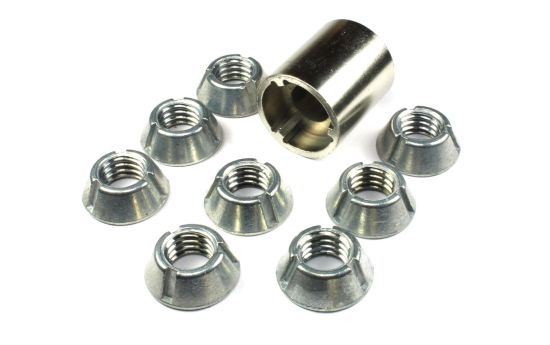
Credit: www.vandalstop.com
Frequently Asked Questions
What Are Security Bolts And Nuts Used For?
Security bolts and nuts prevent unauthorized removal. They secure valuable items and deter theft in public and private settings.
How Do Security Bolts Differ From Regular Bolts?
Security bolts have unique heads or locking mechanisms. They require special tools, making them harder to tamper with than regular bolts.
Where Are Security Bolts Commonly Installed?
They are used in public infrastructure, electronics, vehicles, and machinery. Anywhere theft or tampering risk exists, security bolts offer protection.
Can Security Bolts Be Removed Easily?
No, they require specialized tools. This design makes unauthorized removal difficult, enhancing security for critical applications.
Conclusion
Security bolts and nuts keep your property safe and secure. They prevent theft and tampering effectively. Choosing the right type matters for each job. Installation is easy but requires care and attention. Regular checks help maintain strong protection over time.
Small investments in these fasteners bring lasting peace of mind. Trust these simple tools to guard your valuables well.

