

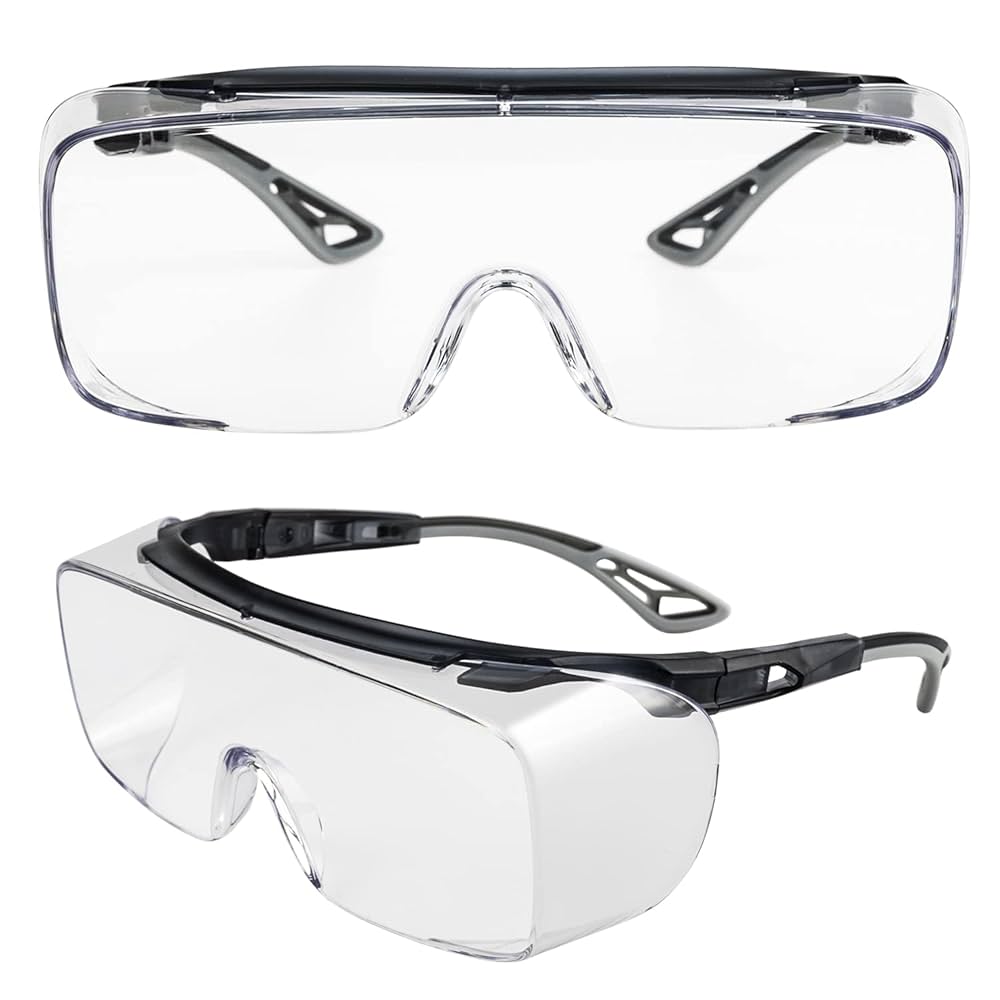
If you wear glasses, you know how tricky it can be to find the right safety glasses that fit comfortably over your prescription lenses. You want protection without sacrificing comfort or clarity.
Choosing the right safety glasses to wear over your glasses is crucial to keep your eyes safe while you work or play. You’ll discover the best options designed just for you, so you never have to compromise on safety or style again.
Keep reading to find the perfect fit that works with your everyday glasses!

Credit: www.amazon.ca
Choosing The Right Safety Glasses
Safety glasses protect your eyes from dust, debris, and chemicals. Finding the right pair to wear over your regular glasses is important.
Comfort and clear vision help you work safely without distractions. This guide explains how to pick the best safety glasses for your needs.
Frame Styles For Comfort
Frames that fit well make safety glasses easier to wear all day. Look for styles that offer enough space for your regular glasses underneath.
Wraparound frames provide extra protection and stay secure during movement. Some frames have adjustable arms or nose pads for a better fit.
- Wraparound frames for full eye coverage
- Adjustable arms for different head sizes
- Soft nose pads reduce pressure on the bridge
- Open temple designs allow for larger eyeglasses
Lens Options And Coatings
Safety glasses come with different lens materials. Polycarbonate lenses are light and strong, ideal for impact resistance.
Coatings add extra benefits like reducing glare or preventing fog. Choose lenses that fit your work environment.
- Clear lenses for indoor use and low light
- Tinted lenses for bright outdoor work
- Anti-fog coatings keep lenses clear in humid areas
- Scratch-resistant coatings extend lens life
Sizing And Fit Considerations
Proper sizing keeps safety glasses secure and comfortable. Measure the width of your face and your regular glasses to find a good fit.
Look for adjustable features and test the fit before buying. Glasses should not pinch or slide down your nose.
- Check temple length to fit over your ears
- Ensure enough space between lenses and your glasses
- Adjust nose pads for comfort and stability
- Try on glasses with your regular pair to confirm fit
Compatibility With Prescription Glasses
Wearing safety glasses over prescription glasses is important for eye protection. Not all safety glasses fit well over regular glasses. Choosing the right design helps ensure comfort and safety.
Safety glasses made to fit over prescription glasses must allow room for both pairs. They should not press hard or cause discomfort. Good fit also keeps the glasses stable during work.
Over-the-glasses Designs
Over-the-glasses (OTG) safety glasses have extra space inside. This space fits most prescription glasses. They look larger to hold both glasses comfortably.
OTG designs often have a wide frame and deep lens area. This design keeps the prescription glasses from touching the safety lenses. It also prevents fogging and scratching.
- Extra room inside for prescription glasses
- Wide frames for comfort and protection
- Prevents fogging by allowing airflow
Wraparound Vs. Fit-over Models
Wraparound safety glasses curve around the face. They offer more side protection. Some wraparound models fit over small or medium prescription glasses.
Fit-over models are larger and designed to go over most prescription glasses. They may be bulkier but provide more room and comfort for bigger frames.
- Wraparound:Sleek, close fit, good side coverage
- Fit-over:Larger, roomy, fits most glasses
- Choose based on prescription glasses size and shape
Adjustable Features For Secure Fit
Adjustable nose pads and temple arms help safety glasses fit well over prescription glasses. These features stop slipping and increase comfort.
Some safety glasses have flexible frames. This flexibility adapts to different face shapes and glasses sizes. Adjustable parts also reduce pressure points.
- Nose pads can be moved for better fit
- Temple arms adjust to hold glasses firmly
- Flexible frames fit various face shapes
Materials And Durability
Safety glasses that fit over regular glasses need strong materials. These materials must protect your eyes and last a long time.
Durability is key to keep your glasses safe during work or activities. The right materials also make glasses comfortable to wear.
Impact-resistant Lenses
Impact-resistant lenses are made from tough plastics like polycarbonate. They stop flying debris and objects from breaking the lenses.
These lenses protect your eyes better than glass or regular plastic. They can handle strong hits without cracking.
Lightweight Frame Materials
Frames made from materials like nylon or TR-90 are very light. Light frames make it easier to wear glasses all day.
These materials also bend slightly without breaking. This adds comfort and durability for daily use.
- Nylon: Flexible and strong
- TR-90: Lightweight and durable
- Metal: Adds strength but may be heavier
Scratch And Fog Resistance
Scratch-resistant coatings keep lenses clear and safe from damage. They make glasses last longer by protecting the surface.
Fog-resistant treatments stop lenses from fogging up. This helps you see clearly in cold or humid places.
- Scratch resistance prevents marks on lenses
- Fog resistance improves vision in moist air
- Both coatings increase lens lifespan

Credit: www.amazon.com
Enhancing Comfort For Long Wear
Safety glasses protect your eyes, but they should also be comfortable. Wearing them for long periods can be tiring if they aren't designed well. Let's explore features that enhance comfort.
Comfort is key for anyone who wears glasses all day. Safety glasses that fit well make a big difference.
Padding And Nose Bridge Options
Padding on safety glasses helps reduce pressure on your nose and ears. It makes wearing glasses over glasses more comfortable.
Nose bridges come in various materials and shapes. They should fit snugly without slipping.
- Soft silicone padding adds comfort
- Adjustable nose bridges fit different face shapes
- Foam inserts can reduce pressure points
Ventilation Features
Good ventilation prevents fogging and keeps your face cool. It's essential for clear vision and comfort.
Safety glasses with vents allow air to circulate. This helps avoid moisture build-up.
- Side vents improve airflow
- Anti-fog coatings enhance clarity
- Top vents reduce heat and moisture
Weight Distribution
Lightweight safety glasses are easier to wear for long hours. They reduce strain on your nose and ears.
Balanced weight distribution is important for comfort. Glasses should not tip forward or backward.
- Lightweight materials reduce fatigue
- Adjustable straps help balance the weight
- Even weight distribution prevents discomfort
Meeting Safety Standards
Wearing safety glasses over your regular glasses requires meeting strict safety rules. These rules protect your eyes from hazards at work and outdoors.
Safety glasses must meet certain standards to ensure they provide proper protection. These standards cover impact resistance, UV protection, and specific industry needs.
Ansi And Osha Compliance
Safety glasses must follow ANSI and OSHA rules. ANSI sets the minimum impact and quality standards. OSHA enforces these rules at workplaces.
- ANSI Z87.1 standard requires impact resistance tests.
- OSHA demands eye protection in hazardous environments.
- Glasses must cover the entire eye area to protect fully.
- Frames should fit over prescription glasses without gaps.
Uv Protection Levels
UV rays can harm your eyes even indoors or on cloudy days. Safety glasses must block harmful UV rays to protect your vision.
| UV Protection Level | Description | Common Use |
| UV400 | Blocks 99% to 100% of UVA and UVB rays | Outdoor work and bright conditions |
| UV300 | Blocks most UVA and UVB rays | Indoor and mild outdoor use |
| Standard | Limited UV protection | Short-term indoor use |
Specialized Industry Requirements
Different industries have special safety rules. These rules depend on the risks workers face every day.
Common specialized requirements include:
- Welding: Glasses must filter intense light and sparks.
- Construction: Glasses need strong impact resistance and dust protection.
- Laboratories: Glasses must resist chemical splashes and fogging.
- Healthcare: Glasses often require anti-fog coatings and comfort for long wear.
Maintenance And Care Tips
Wearing safety glasses over your regular glasses helps protect your eyes. Proper care keeps them clear and safe to use. Follow simple steps to maintain your safety glasses well.
Regular cleaning and correct storage make your safety glasses last longer. Knowing when to replace them ensures they protect your eyes effectively.
Cleaning Techniques
Clean your safety glasses every day to remove dirt and smudges. Use gentle methods to avoid scratches and damage.
- Rinse glasses with lukewarm water before wiping.
- Use mild soap or lens cleaner made for safety glasses.
- Wipe lenses with a soft, lint-free cloth.
- Avoid paper towels or rough fabrics that scratch lenses.
- Never use household cleaners with ammonia or bleach.
Storage Solutions
Store your safety glasses in a safe, clean place when not in use. Proper storage keeps them from getting damaged or dirty.
| Storage Option | Benefits |
|---|---|
| Hard case | Protects from impact and scratches |
| Soft pouch | Prevents dust and light scratches |
| Dedicated shelf or drawer | Keeps glasses safe and easy to find |
When To Replace Safety Glasses
Check your safety glasses often for damage. Replace them if they no longer protect your eyes well.
- Look for cracks, deep scratches, or loose parts.
- Replace if lenses are hard to clean or fog up often.
- Change glasses if the frame bends or breaks easily.
- Follow manufacturer’s replacement advice if given.
Top Brands And Models To Consider
Finding the right safety glasses to wear over your regular glasses is important. They protect your eyes while fitting comfortably over your existing eyewear.
Here are some top brands and models to consider, catering to different needs and budgets.
Budget-friendly Options
Not everyone wants to spend a lot on safety glasses. Fortunately, there are budget-friendly choices that still offer good protection.
- 3M Virtua Safety Glasses - Affordable and lightweight.
- DeWalt DPG82-11 - Anti-fog and impact-resistant.
- Jackson Safety V30 - Wrap-around design for extra safety.
Premium Comfort Picks
For those who prioritize comfort, there are premium options available. These glasses offer better materials and design for prolonged use.
- Bolle Safety Rush+ - Lightweight with adjustable nose bridge.
- Uvex Skyper - Soft, flexible frame for long-term wear.
- Edge Eyewear Kazbek - Scratch-resistant and stylish.
User Reviews And Feedback
User reviews can help you choose the best safety glasses. They give real insights into comfort and durability.
- 3M Virtua - Users love its lightweight feel.
- DeWalt DPG82-11 - Praised for clear vision and fit.
- Bolle Safety Rush+ - Highly rated for comfort.

Credit: www.amazon.ca
Frequently Asked Questions
What Are The Best Safety Glasses To Wear Over Glasses?
The best safety glasses to wear over glasses have a roomy frame and adjustable temples. Look for models labeled “OTG” (Over The Glasses). They offer comfort, impact resistance, and clear visibility without pressing on your prescription lenses.
Can Safety Glasses Fit Comfortably Over Prescription Glasses?
Yes, many safety glasses are designed to fit comfortably over prescription glasses. Choose lightweight, wide-fitting frames with soft nose pads. Proper fit prevents discomfort and ensures full eye protection during work or activities.
Are Otg Safety Glasses As Protective As Regular Ones?
OTG safety glasses meet the same safety standards as regular glasses. They provide full impact resistance and UV protection. The key is to select certified OTG models that fit well over your prescription eyewear.
How To Choose Safety Glasses For People Who Wear Glasses?
Choose safety glasses labeled OTG or designed for glasses wearers. Ensure they offer a wide frame, adjustable arms, and anti-fog lenses. Comfort and compliance with safety standards are crucial for effective eye protection.
Conclusion
Choosing the right safety glasses to wear over your regular glasses protects your eyes well. Comfort matters a lot for long use. Make sure the glasses fit snugly but do not press too hard. Look for options with clear lenses and good side protection.
This helps keep dust and debris away. Safety glasses that fit over glasses keep you safe and comfortable. Protect your vision every time you work or do a hobby. Stay safe and keep your eyes healthy with the right gear.

