

Choosing the right rivet pin size can make all the difference in your project’s strength and durability. If you’ve ever struggled with parts that just don’t fit right or fasteners that fail too soon, you know how frustrating it can be.
This guide will help you understand exactly how to pick the perfect rivet pin size for your needs. By the end, you’ll feel confident in making the best choice, saving you time, money, and headaches. Ready to get it right the first time?
Let’s dive in.
Types Of Rivet Pins
Rivet pins are small metal fasteners used to join materials together. They come in different types to fit many needs.
Each type of rivet pin has a special shape and use. Knowing these types helps you pick the right one for your project.
Solid Rivets
Solid rivets are simple and strong. They are made from a single piece of metal with no hollow parts.
You use solid rivets by hammering or pressing the pin to hold materials tightly. They are common in construction and metalwork.
Blind Rivets
Blind rivets are used when you can only reach one side of the materials. They are also called pop rivets.
These rivets have a pin inside that pulls the body to close it. They work well for walls, pipes, and tight spaces.
Tubular Rivets
Tubular rivets have a hollow body. This makes them easier to set with less force than solid rivets.
They are often used in leatherwork, electronics, and light metal parts. Tubular rivets join soft or thin materials well.
Drive Rivets
Drive rivets have a short pin that you hammer into the body. This expands the rivet to hold parts tightly.
They are quick to install and good for soft or thin materials. Drive rivets are common in automotive and appliances.
Key Measurements For Rivet Pins
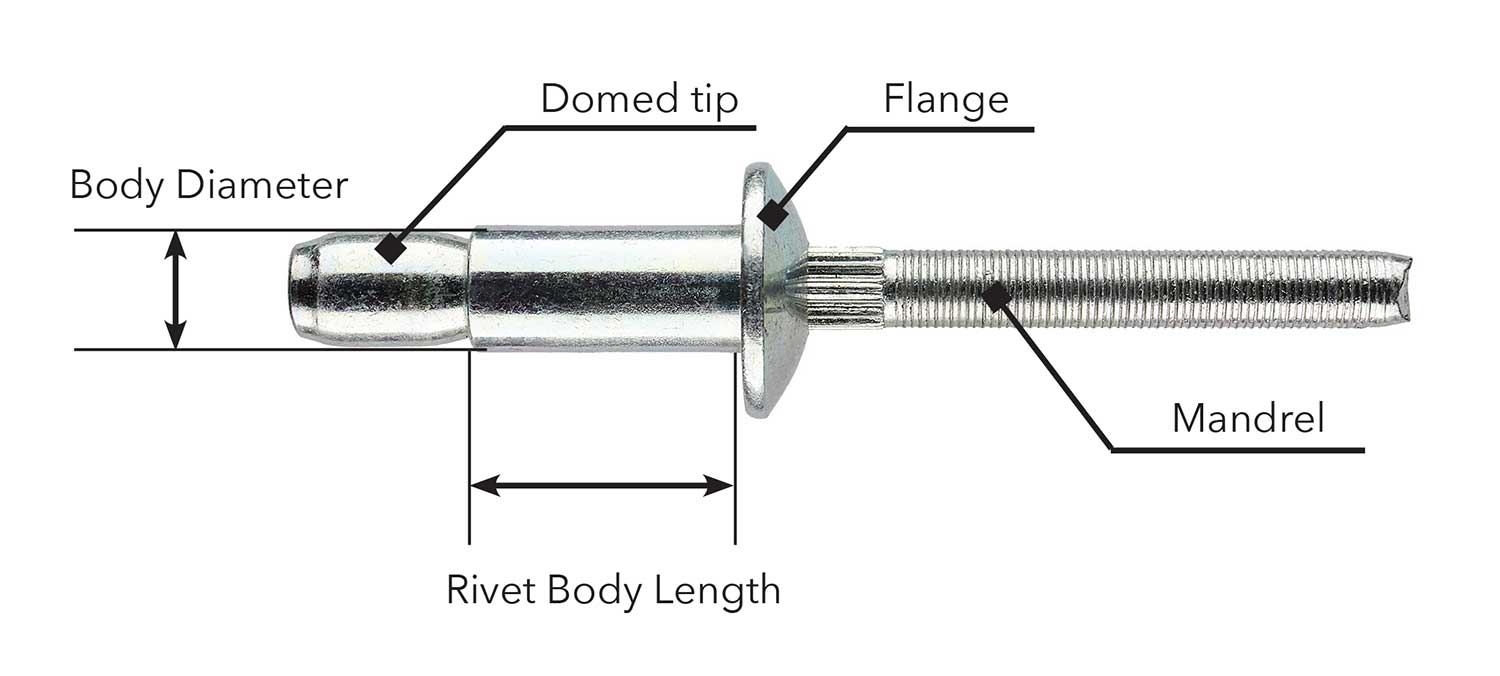
Rivet pins are essential for joining materials together. Understanding their measurements helps in selecting the right one for your project.
Let's explore the key measurements you need to know about rivet pins.
Diameter
The diameter of a rivet pin is crucial for a secure fit. It determines how well the rivet fills the hole.
Choose a diameter that matches the hole size for the best results.
- Too small: The rivet may not hold properly.
- Too large: It may not fit or cause damage.
Length
Rivet pin length is the distance from the head to the tip. It should be long enough to pass through the materials being joined.
If the length is too short, the rivet won't secure the materials.
| Material Thickness | Rivet Length |
| 1-5 mm | 6-10 mm |
| 6-10 mm | 11-15 mm |
Head Style
Rivet pins come with different head styles. Each style serves a different purpose and look.
Common head styles include flat, round, and countersunk.
- Flat head: Sits flush with the surface.
- Round head: Offers a decorative finish.
- Countersunk head: Sits below the surface.
Grip Range
The grip range is how thick the materials can be for the rivet to hold. It is important for ensuring a secure connection.
Always check the grip range before choosing a rivet pin.
- Small grip range: Suitable for thin materials.
- Large grip range: Ideal for thicker assemblies.
Selecting The Right Diameter
Choosing the correct rivet pin diameter is key for a strong joint. The right size keeps materials tight and secure.
Several factors affect diameter choice. These include material thickness, load needs, and common sizes available.
Material Thickness Considerations
The rivet diameter should match the total thickness of the materials. Too small a diameter risks failure. Too large can damage the material.
- Measure combined thickness of all layers
- Choose a diameter slightly larger than thickness
- Ensure proper grip length with chosen diameter
Load Requirements
Consider the forces the rivet must hold. Tension, shear, and vibration affect diameter choice. A larger diameter can carry more load safely.
- Identify expected load type and size
- Select diameter to handle peak stresses
- Use safety factors for critical applications
Common Diameter Sizes
Rivet diameters come in standard sizes. Knowing these helps pick a size that fits your tools and materials.
| Diameter (inches) | Diameter (mm) | Typical Use |
|---|---|---|
| 1/8 | 3.2 | Thin materials, light loads |
| 3/16 | 4.8 | Medium thickness, general purpose |
| 1/4 | 6.4 | Thicker materials, higher loads |
Determining Proper Length
Choosing the right rivet pin size is important for a strong hold. The length of the rivet pin must fit the materials being joined. If the pin is too short, the joint will be weak.
Too long of a rivet pin can cause damage or look unprofessional. This guide explains how to find the proper rivet pin length.
Calculating Material Thickness
First, measure the total thickness of all materials to be joined. Add the thickness of each layer together. This total helps decide the minimum rivet length needed.
Use a caliper or ruler for accurate measurement. Round up to the nearest standard rivet size to avoid a tight fit.
- Measure each material layer
- Add all thicknesses for total
- Round up to next rivet size
Allowing For Rivet Expansion
Rivets expand during installation to form a tight joint. Add extra length to allow for this expansion. Without this, the rivet may not hold properly.
A good rule is to add about 1.5 times the rivet diameter to the total material thickness. This extra length helps the rivet flare and secure the materials.
- Rivet expands when installed
- Add extra length for expansion
- Use 1.5 times rivet diameter as allowance
Length Tolerances
Manufacturers have length tolerances for rivet pins. These small differences affect fit and strength. Know the tolerance range before choosing a pin.
Check rivet specs for tolerance limits. Pick a rivet length that still fits materials within these limits. This ensures a reliable joint every time.
- Length may vary slightly by manufacturer
- Check tolerance before buying rivets
- Choose length fitting within tolerance range
Material And Strength Factors
Rivet pins come in different materials that affect their strength and durability. Choosing the right material is key to meet your project needs.
This guide compares aluminum and steel rivet pins on corrosion resistance and strength qualities.
Aluminum Vs Steel
Aluminum rivet pins are lightweight and easy to handle. Steel pins are heavier but stronger. The choice depends on weight limits and load requirements.
| Material | Weight | Strength | Cost |
| Aluminum | Light | Moderate | Lower |
| Steel | Heavy | High | Higher |
Corrosion Resistance
Aluminum resists rust and corrosion well, making it good for outdoor use. Steel can rust if not coated or treated.
- Aluminum forms a protective oxide layer naturally.
- Steel needs paint, plating, or galvanization to resist corrosion.
- Stainless steel offers better corrosion resistance than regular steel.
Shear And Tensile Strength
Strength is key for rivet pins that hold heavy loads or face stress. Steel pins usually have higher shear and tensile strength than aluminum.
- Shear strength measures how much force the pin can handle when pushed sideways.
- Tensile strength measures the force the pin can withstand when pulled apart.
- Steel pins often work better for structural or heavy-duty uses.
- Aluminum pins suit lighter applications with less stress.

Credit: www.ebay.ca
Tools For Measuring And Installing
Choosing the right rivet pin size needs careful measuring and proper tools. Using the correct tools makes installation easier and safer.
Below are key tools used for measuring rivet pins and for installing them properly in your projects.
Calipers And Gauges
Calipers and gauges help measure rivet pin diameter and length accurately. These tools ensure you select the right size for your needs.
- Vernier calipers measure outer and inner diameters with precision.
- Micrometer gauges provide very fine measurements for small rivets.
- Rivet gauges quickly check pin size by matching hole sizes.
Rivet Guns And Hand Tools
Rivet guns and hand tools are used to install rivets by pulling or pushing the pin into place. Different types suit different rivet sizes and materials.
| Tool Type | Use | Best For |
| Manual Rivet Gun | Hand-powered pulling | Small to medium rivets |
| Electric Rivet Gun | Electric pulling | Large volume and size |
| Hammer and Set | Manual setting and shaping | Custom or hard-to-reach rivets |
Safety Equipment
Wearing safety equipment protects you during rivet measuring and installation. Always use gear that fits well and suits the work.
- Safety glasses to protect eyes from flying debris.
- Gloves to prevent cuts and bruises on hands.
- Ear protection if working with loud electric rivet guns.
- Dust masks if working with metal shavings or dust.
Common Mistakes To Avoid
Choosing the right rivet pin size is important for strong and safe connections. Many people make simple mistakes that weaken the joint.
This guide covers common errors and how to avoid them when working with rivet pins.
Using Incorrect Size
Using a rivet pin that is too big or too small can cause problems in your project. The pin must fit the hole and parts tightly.
- If the pin is too small, it will not hold parts securely.
- If the pin is too large, it may damage the materials or be hard to insert.
- Measure the hole diameter before choosing the rivet size.
- Check the grip range to match the thickness of materials.
Ignoring Material Type
Different materials need different types of rivet pins. Using the wrong material can lead to corrosion or weak joints.
| Material Type | Recommended Rivet Pin |
| Aluminum | Aluminum or Stainless Steel |
| Steel | Steel or Stainless Steel |
| Plastic | Aluminum or Plastic Rivets |
| Stainless Steel | Stainless Steel |
Match the rivet material to your project materials to avoid damage and rust.
Over Or Under Tightening
Applying too much or too little force when setting a rivet pin can cause joint failure.
- Use the right tools for consistent force.
- Follow manufacturer torque guidelines.
- Check each rivet for proper deformation.
- Do not force the pin beyond its limits.

Credit: www.amazon.in
Applications And Industry Standards
Rivet pin size is important for many industries. It affects strength and fit in assemblies.
Different industries follow specific standards to choose the right rivet size. This helps make sure parts hold together well.
Aerospace
The aerospace industry uses rivet pins to join aircraft parts. Rivet size must meet strict safety rules.
Rivets need to be light but strong. They must resist vibration and pressure changes.
- Common sizes range from 3/32 inch to 1/4 inch diameter
- Materials include aluminum and titanium for weight savings
- Standards follow aerospace specifications like NAS and MIL
Automotive
Automotive manufacturing uses rivet pins to join metal and plastic parts. Size affects durability.
Rivets in cars must handle vibrations and heat from the engine area.
- Sizes often range from 1/8 inch to 3/16 inch diameter
- Steel and aluminum rivets are common
- Industry standards include ISO and SAE specifications
Construction
Construction uses rivet pins to join metal beams and panels. Size helps support heavy loads.
Rivets must resist weather and hold strong under stress in buildings and bridges.
- Rivet sizes range from 1/4 inch to 1/2 inch diameter
- Common materials include steel and stainless steel
- Standards follow ASTM and AISC guidelines
Manufacturing
Manufacturing uses rivet pins in machinery and product assembly. Size impacts precision and strength.
Rivets must fit tightly and last through machine use and wear.
- Typical sizes range from 3/32 inch to 3/16 inch diameter
- Materials vary by product needs, including steel and aluminum
- Standards include ISO and ANSI for quality control

Credit: www.amazon.ca
Frequently Asked Questions
What Are Standard Rivet Pin Sizes Available?
Standard rivet pin sizes range from 1/8 inch to 1/2 inch in diameter. Length varies based on application needs. Choosing the right size ensures strong and secure fastening.
How To Measure Rivet Pin Size Correctly?
Measure the diameter across the rivet pin’s shank using a caliper. Length is measured from head to end. Accurate sizing prevents installation issues and ensures proper fit.
Why Is Rivet Pin Size Important In Assembly?
Correct rivet pin size ensures structural integrity and prevents material damage. Oversized pins can split materials; undersized ones can loosen. Proper sizing enhances durability and safety.
Can Rivet Pin Size Affect Load-bearing Capacity?
Yes, larger diameter rivet pins generally support higher loads. Choosing the right size matches load requirements and prevents joint failure. Always consult specifications for load limits.
Conclusion
Choosing the right rivet pin size matters for strong, lasting joints. Small errors can cause loose or weak connections. Always measure carefully before selecting a rivet pin. The correct size fits snugly and holds materials tight. This helps your project stay safe and work well.
Remember, simple steps lead to better results. Keep your work precise and steady. Rivet pin size plays a key role in quality and durability.

