Stuck with sticky residue on your glass surfaces? You're not alone.
Whether it's leftover from a pesky price tag, tape, or an old sticker, adhesive on glass can be a real eyesore and a stubborn problem. You might be wondering if there's an easy way to restore your glass to its pristine, clear state without scratching it.
The good news is, there are effective methods to make your glass shine again, and they're simpler than you think. Dive into this article to discover the secrets to removing adhesive from glass effortlessly and reclaim the sparkle in your space. Your glass deserves to be crystal clear, and we’re here to help you achieve that with confidence.
Tools And Materials Needed
Removing adhesive from glass can feel tricky without the right tools. Having the correct materials ready makes the task smoother and prevents damage to your glass surfaces. Let’s look at what you might already have at home and what specialized products can make your job easier.
Household Items
You’d be surprised how many common household items work wonders on adhesive residue. Simple things like warm water and dish soap can soften glue, making it easier to scrape off.
- Warm water and dish soap:Soak a cloth to loosen the adhesive.
- Rubbing alcohol or vinegar:These liquids break down sticky substances effectively.
- Plastic scraper or old credit card:Use these to gently scrape without scratching the glass.
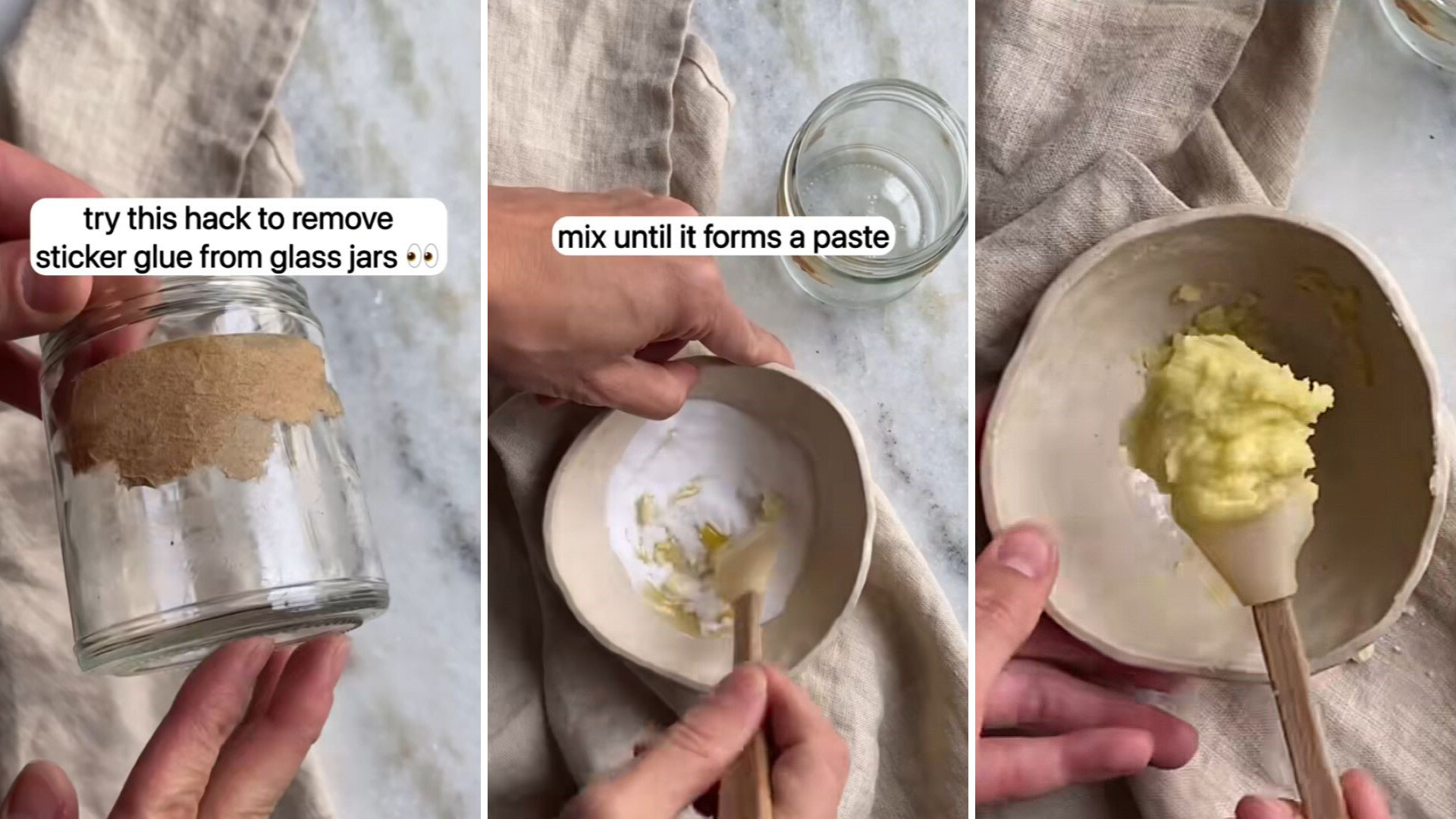
- Baking soda and cooking oil:Mix to create a paste that helps lift stubborn glue.
- Microfiber cloth:Ideal for wiping residue without leaving lint.
I once removed a stubborn sticker from my window just using vinegar and an old plastic card. It took patience but no special tools.
Specialized Products
If household items don’t cut it, specialized products step in as powerful allies. These are designed to dissolve adhesives without harming glass surfaces.
- Goo Gone or similar adhesive removers:Formulated specifically to break down sticky residues.
- Isopropyl alcohol (higher concentration):Stronger than rubbing alcohol, it works well on tough adhesives.
- Commercial glass cleaner with ammonia:Helps in cleaning after adhesive removal.
- Razor blade scraper:Use with caution for precise scraping on flat glass surfaces.
Have you ever hesitated to use a razor blade on glass? I did, until I learned that holding it at a low angle reduces the risk of scratches dramatically. It’s a game changer for thick adhesive layers.
Before you start, ask yourself: which tools do you already have? And which ones might save you time and effort?
Preparation Steps
Preparing the glass surface before removing adhesive is essential. Proper preparation makes the removal process easier and protects the glass from damage. Follow these steps carefully to get the best results.
Safety Precautions
Wear gloves to protect your hands from chemicals and sharp edges. Use safety goggles to shield your eyes from splashes. Ensure the room is well-ventilated to avoid inhaling fumes. Keep children and pets away during the process.
Surface Cleaning
Start by wiping the glass with a damp cloth to remove dust and dirt. Use a mild detergent mixed with water for better cleaning. Dry the surface completely with a clean cloth. This step helps the adhesive remover work more effectively and prevents smearing.
Methods To Remove Adhesive
Removing adhesive from glass can be tricky but manageable. Different adhesives need different approaches. Some methods work best on fresh adhesive, while others suit dried residue. Choosing the right method saves time and protects your glass.
Using Warm Soapy Water
Warm soapy water softens adhesive gently. Mix dish soap with warm water. Soak a cloth and press it on the sticky area. Let it sit for a few minutes. Rub the adhesive softly with the cloth. Repeat until the residue fades away.
Applying Vinegar Or Rubbing Alcohol
Vinegar and rubbing alcohol dissolve many adhesives. Dampen a cloth with vinegar or alcohol. Place it over the adhesive for several minutes. The sticky residue will loosen. Wipe away with a clean cloth. Use fresh cloths if needed to avoid spreading.
Utilizing Oil-based Solutions
Oils break down sticky adhesives effectively. Use olive oil, baby oil, or peanut butter. Apply a small amount to the adhesive. Let it sit for 10 to 15 minutes. Gently scrape off the softened glue with a plastic card. Clean the glass with soapy water afterward.
Heat Application Techniques
Heat softens adhesives for easier removal. Use a hairdryer on low heat. Hold it a few inches from the glass. Warm the sticky area evenly for a few minutes. Use a plastic scraper to lift the adhesive. Be careful not to overheat the glass.
Commercial Adhesive Removers
Commercial removers target tough adhesives quickly. Choose one safe for glass surfaces. Apply according to package instructions. Let the product work for the recommended time. Wipe away adhesive residue with a clean cloth. Always test on a small area first.
Credit: www.thecooldown.com
Removing Stubborn Residue
Removing stubborn adhesive residue from glass requires patience and the right techniques. Sticky marks can ruin the look of clean glass surfaces. A gentle yet effective approach prevents scratches and damage.
Scraping With Care
Use a plastic scraper or a credit card to lift the residue gently. Avoid metal tools that can scratch the glass. Work at a low angle to peel off the adhesive bit by bit. Apply light pressure to avoid cracking or chipping the glass.
Using Razor Blades Safely
Razor blades can remove tough glue but require caution. Hold the blade at a 45-degree angle to the glass surface. Move the blade slowly and steadily to avoid slips. Keep your fingers clear of the blade’s path. Wetting the glass first softens the adhesive for easier removal.
Repeated Treatment Tips
Stubborn residue might need several attempts for full removal. Soak the area with warm soapy water or rubbing alcohol to loosen the glue. Let the solution sit for 5-10 minutes before scraping again. Patience and repetition yield the best results without damaging the glass.
Preventing Glass Damage
Removing adhesive from glass can be tricky. You want to get rid of the sticky residue without damaging the surface underneath. Glass is delicate and scratches easily, so taking precautions is key to maintaining its clarity and smoothness.
Avoiding Scratches
Scratches on glass are often caused by using rough or inappropriate tools. Avoid metal scrapers or anything abrasive that can scrape the surface. Instead, opt for softer materials like plastic scrapers or a microfiber cloth.
Try applying gentle pressure rather than forceful scraping. This reduces the risk of scratching and helps the adhesive lift more easily. Have you noticed how a light touch often works better than brute strength?
Also, keep the glass wet with a little soapy water or adhesive remover while you work. This creates a slippery layer that protects the glass from tiny scratches that might form from particles trapped under your tool.
Choosing The Right Tools
Picking the right tools makes the entire process smoother and safer. Use a plastic razor blade or a silicone scraper designed for glass surfaces. These tools are firm enough to remove adhesive but gentle enough to protect your glass.
Microfiber cloths are your best friend for cleaning off residue after scraping. They won’t leave lint behind or cause micro-abrasions. If you need a chemical solution, choose one that is specifically labeled safe for glass.
Have you ever tried using household items like vinegar or rubbing alcohol? These can help dissolve adhesive but always test in a small spot first. Using the wrong cleaner or tool can lead to permanent damage, so take your time picking the right combination.
Cleaning After Adhesive Removal
After removing adhesive from glass, the job isn't quite finished. Cleaning is essential to get rid of any leftover oils and residue that can dull the surface or attract dirt. Taking the time to properly clean and polish your glass will restore its clarity and shine, making your efforts truly worthwhile.
Removing Residual Oils
Even after the adhesive is gone, oily spots often remain. These residues come from adhesive backing or cleaning products you might have used. To tackle this, use a mixture of warm water and a few drops of dish soap.
Apply the solution with a soft cloth, rubbing gently in circular motions. Avoid harsh scrubbing, which can scratch the glass. If oily patches persist, rubbing alcohol or vinegar diluted with water can help break down stubborn grease.
Have you noticed how oily residue attracts dust faster? Cleaning these oils thoroughly prevents your glass from looking grimy sooner than expected.
Final Glass Polishing
Once the oils are removed, polishing is your next step. Polishing smooths out any minor streaks or marks left behind and enhances the glass's natural shine. Use a microfiber cloth designed for glass, as it traps dust and reduces streaks better than regular towels.
Spray a glass cleaner or a mixture of water and vinegar lightly onto the cloth—not directly on the glass—to avoid excess moisture. Wipe the surface using a consistent, circular motion. This technique ensures an even finish without streaks.
Try to step back and look at the glass from different angles after polishing. Can you see a clear reflection without smudges? That’s the sign of a job well done.
Tips For Different Types Of Adhesives
Different adhesives require different ways to remove them from glass. Using the right tip makes the job easier and protects the glass surface. Knowing what type of adhesive is on the glass helps choose the best approach.
Sticker And Label Adhesives
Sticker glue often leaves a thin, sticky film behind. Soften it by applying warm water or rubbing alcohol. Let it sit for a few minutes to loosen the adhesive. Use a plastic scraper or your fingernail to gently peel off the residue. Avoid metal tools to prevent scratching the glass.
Glue And Epoxy Residue
Glue and epoxy are tougher to remove. Use acetone or nail polish remover on a soft cloth. Dab the cloth on the residue without soaking the glass. Let it sit until the glue softens. Gently scrape the softened glue with a plastic blade. Repeat if needed. Always work in a well-ventilated area.
Tape Residue
Tape residue feels sticky and oily. Apply cooking oil or baby oil on the sticky spot. Let it soak in for several minutes to break down the adhesive. Wipe the area with a soft cloth or paper towel. Clean the glass afterward with soap and water to remove any oily film.

Credit: www.avery.com

Credit: www.yahoo.com
Frequently Asked Questions
How Can I Safely Remove Adhesive From Glass?
Use warm soapy water and a soft cloth to soften adhesive. Then gently scrape with a plastic scraper. Avoid harsh chemicals that can damage the glass surface.
What Household Items Remove Sticky Residue On Glass?
Rubbing alcohol, vinegar, and baking soda effectively remove adhesive. Apply, let sit for a few minutes, then wipe clean. These items are safe and eco-friendly for glass cleaning.
Can Heat Help Remove Adhesive From Glass?
Yes, applying gentle heat with a hairdryer softens adhesive. This makes it easier to peel off without scratching the glass. Use caution to avoid overheating.
Is Commercial Adhesive Remover Safe For Glass Surfaces?
Many commercial removers work well but check the label first. Choose products labeled safe for glass to prevent damage. Always test on a small area before full use.
Conclusion
Removing adhesive from glass does not have to be hard. Use safe, gentle methods to protect the glass surface. Start with simple tools like warm water and soap. For tougher residue, try rubbing alcohol or vinegar. Always test a small area first.
Take your time and be patient. Clean glass looks clear and fresh again. With these tips, you can handle sticky messes easily. Your windows and mirrors will shine without damage. Keep these steps in mind for future cleaning tasks. Simple care leads to great results.

