

Have you ever thought about how the materials used in your home or office impact the planet? What if you could build or renovate your space using materials that not only save money but also protect the environment?
Recycled materials for building construction offer a smart solution that benefits you and the world around you. You’ll discover how these materials work, why they matter, and how they can transform your next project into something truly sustainable and cost-effective.
Keep reading to unlock the surprising advantages waiting for you in recycled building materials.
Benefits Of Recycled Materials
Using recycled materials in building construction offers several powerful benefits that affect not just your project budget but also the planet. These materials help reduce waste and lower environmental harm while often cutting down costs. Understanding these benefits can change how you approach your next construction project.
Environmental Impact Reduction
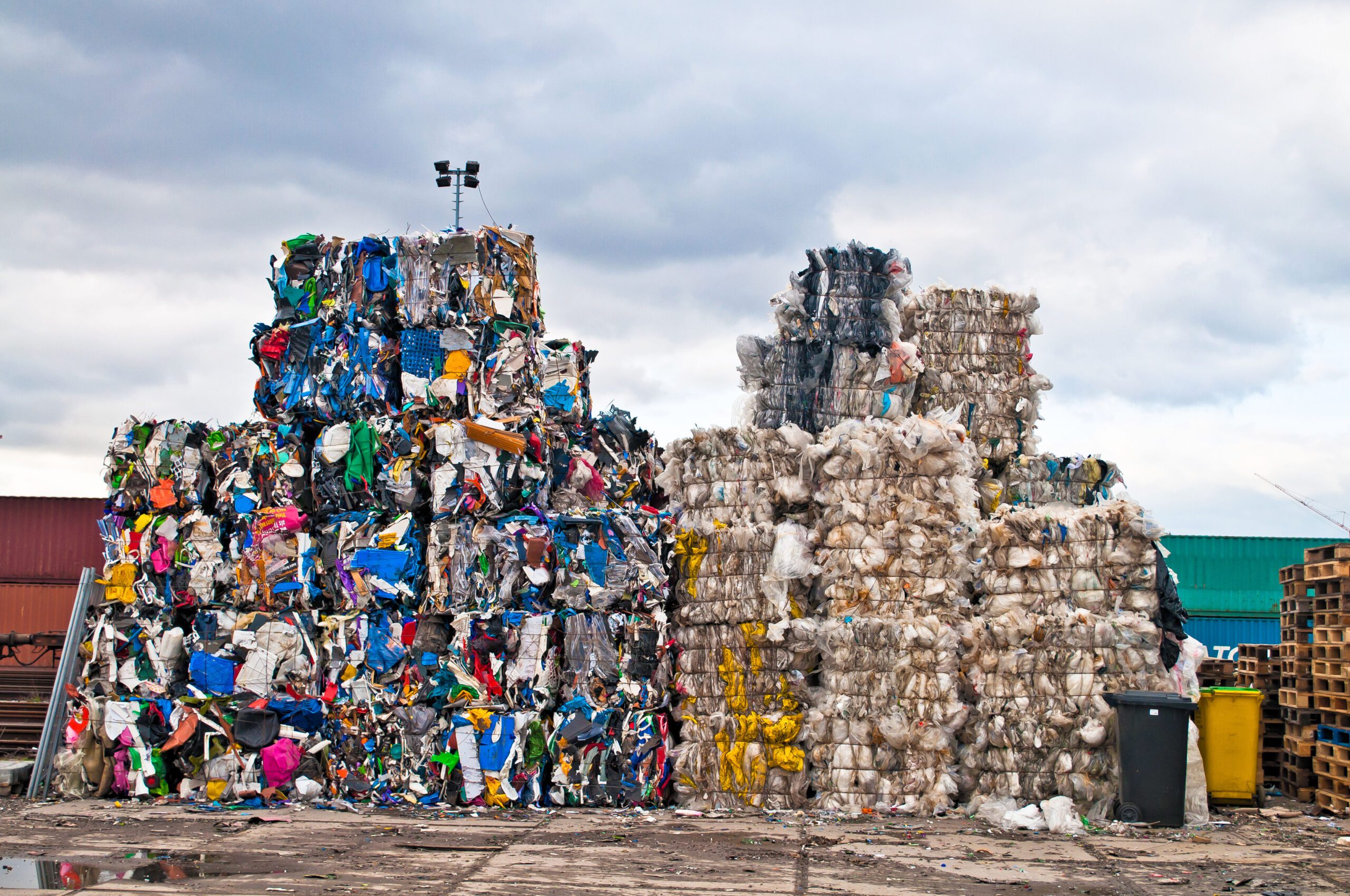
Recycled materials reduce the need for new raw materials, which means less mining, deforestation, and pollution. This lowers carbon emissions significantly since processing recycled materials often uses less energy. Have you ever considered how much waste your building project could keep out of landfills by choosing recycled options?
Cost Savings In Construction
Using recycled materials can save you money on both material costs and waste disposal fees. Many recycled products are priced lower than their new counterparts without compromising quality. Plus, some local governments offer tax incentives or rebates for using eco-friendly materials, which can boost your savings.
Resource Conservation
Recycled materials help conserve natural resources like timber, water, and minerals that are otherwise consumed heavily in construction. This means you’re contributing to preserving these resources for future generations. How much more sustainable could your projects become if you prioritized resource conservation in every build?
Credit: future-business.org
Common Recycled Materials Used
Recycled materials play a vital role in sustainable building construction. They reduce waste and lower the need for new raw resources. Many common materials can be reused without losing strength or quality. These materials help save energy and cut construction costs.
Understanding the types of recycled materials commonly used can guide builders and homeowners toward greener choices. Here are some widely used recycled materials in building construction.
Recycled Concrete And Aggregates
Concrete waste from demolished buildings is crushed and reused as aggregates. These recycled aggregates replace natural gravel and sand in new concrete mixes. They maintain good strength and durability for many construction projects. Using recycled concrete reduces landfill waste and lowers the demand for quarrying natural stones.
Reclaimed Wood And Timber
Wood from old structures can be salvaged and reused in new buildings. Reclaimed wood adds character and warmth to interiors. It is often used for flooring, beams, and furniture. This practice preserves trees and reduces deforestation. Proper treatment ensures reclaimed wood remains safe and sturdy.
Recycled Steel And Metals
Steel is one of the most recycled materials in construction. Scrap steel is melted and reformed without losing quality. Recycled steel is used in beams, reinforcements, and roofing. Metal recycling saves energy and lowers greenhouse gas emissions. It also reduces the need for mining new metal ores.
Plastic And Composite Materials
Recycled plastics are transformed into panels, insulation, and pipes. Composite materials made from recycled plastics and other fibers offer strength and flexibility. These materials resist moisture and pests, making them suitable for many building parts. Using recycled plastics helps reduce plastic waste in landfills and oceans.
Applications In Building Construction
Recycled materials find many uses in building construction. They help reduce waste and save resources. Builders use these materials in different parts of a building to improve sustainability and cut costs.
These materials can replace traditional ones without losing strength or quality. They offer eco-friendly options for construction projects of all sizes.
Structural Components
Recycled steel and concrete serve well in structural parts. These materials provide strength and durability needed for beams, columns, and frames. Using recycled wood supports frameworks and flooring while reducing deforestation. Builders also use recycled plastic composites for load-bearing panels and supports.
Insulation And Finishing
Recycled fibers from paper, denim, or plastic help insulate buildings. These materials keep heat inside during winter and block heat in summer. They also reduce noise and improve air quality. Recycled glass and wood fibers create attractive finishing materials such as tiles and wall panels. These finishes add style while using less new raw material.
Landscaping And Exterior Use
Recycled materials improve outdoor spaces around buildings. Recycled rubber and plastic form durable paving stones, garden borders, and playground surfaces. Crushed recycled concrete and asphalt serve as base layers for driveways and paths. Wood reclaimed from old buildings works well for fences and decks. These uses extend material life and reduce landfill waste.
Credit: wowmaterials.in
Challenges And Limitations
Using recycled materials in building construction is a smart choice for sustainability, but it’s not without its hurdles. You may find that managing quality, meeting regulations, and handling supply can slow down your project or add complexity. Understanding these challenges helps you plan better and avoid costly setbacks.
Quality Control Issues
Recycled materials often come with inconsistent quality. You might encounter variations in strength, durability, or appearance that make it tough to predict how the material will perform in your build.
Take recycled concrete, for example. Its properties can differ based on the source, affecting the final structure’s stability. You’ll need extra testing and inspection to ensure safety, which can increase costs and timelines.
Have you considered how you’ll verify the quality of recycled wood or metal before use? Without strict quality control, you risk compromising the integrity of your construction.
Building Code Compliance
Meeting local building codes can be tricky when using recycled materials. Many codes were written with traditional materials in mind, making it difficult to get approval for alternatives.
You may face additional paperwork or need to provide proof that your recycled materials meet structural and safety standards. This process can delay project approvals and increase administrative work.
Ask yourself if your local authorities have clear guidelines for recycled materials. If not, you’ll need to navigate unclear regulations or seek expert advice to avoid compliance issues.
Supply Chain Constraints
Finding a steady supply of recycled materials can be unpredictable. Unlike new materials, recycled options depend on availability from demolition sites or recycling centers, which fluctuates.
This inconsistency can make scheduling difficult and force you to adjust your construction timeline on short notice.
Consider developing relationships with multiple suppliers or having backup sources to reduce the risk of delays. How flexible is your project plan if your recycled material supply runs low?
Innovations Driving Adoption
Innovations are reshaping how recycled materials fit into building construction, making sustainability more practical and appealing. These advances not only improve material quality but also open up new design possibilities. What if your next project could reduce waste while enhancing durability and style?
Advanced Recycling Technologies
New recycling methods have dramatically increased the quality of recycled construction materials. Technologies like chemical recycling break down plastics to their original components, allowing for near-virgin quality reuse. This means materials such as recycled concrete and plastics can now meet strict building codes and performance standards.
Robotic sorting systems improve the purity of recycled materials by accurately separating waste types. This reduces contamination and increases the value of recycled feedstock. Have you noticed how cleaner materials lead to fewer structural issues and longer-lasting buildings?
New Composite Materials
Engineers are creating innovative composites by combining recycled materials with natural fibers or polymers. These composites offer enhanced strength, flexibility, and weather resistance compared to traditional options. For instance, panels made from recycled plastics mixed with wood fibers provide insulation and durability for walls and flooring.
These materials often weigh less, lowering transportation costs and carbon footprints. They also resist moisture and pests better, reducing maintenance needs. How could using composites change your approach to eco-friendly construction?
Smart Design Approaches
Designers are now planning buildings that optimize the use of recycled materials from the start. Modular construction techniques allow for easy integration of prefabricated recycled components, speeding up assembly and cutting waste. This approach also supports future disassembly and reuse, closing the material loop.
Building information modeling (BIM) tools help track recycled content and predict environmental impacts during design. This empowers you to make informed decisions and show clients clear sustainability benefits. What if your designs could balance aesthetics, performance, and eco-consciousness all at once?
Case Studies And Success Stories
Exploring real-world examples shows how recycled materials improve building projects. These case studies reveal practical benefits and inspire new ideas. Success stories highlight cost savings, eco-friendliness, and durability. They prove recycled materials are a strong choice for construction.
Residential Projects
Many homes now include recycled steel, glass, and wood. A California house used recycled steel beams to cut costs. It stayed strong during earthquakes. Another project in the UK used recycled plastic for insulation. This lowered energy bills significantly. These homes show eco-friendly materials can be stylish and safe.
Commercial Buildings
Offices and shops also adopt recycled materials for walls and floors. A shopping center in Germany used recycled concrete for its foundation. It reduced waste and construction time. An office building in Canada installed recycled rubber flooring. This improved comfort and noise control. These examples prove recycled materials fit commercial needs well.
Infrastructure Developments
Roads and bridges benefit from recycled content too. A highway in Australia used recycled asphalt for paving. It lasted longer and cut maintenance costs. A bridge in the Netherlands incorporated recycled steel bars. It strengthened the structure and reduced carbon footprint. These projects highlight recycled materials’ role in large-scale works.
Future Trends In Sustainable Construction
The future of sustainable construction relies heavily on innovative use of recycled materials. Builders and designers aim to reduce waste and lower the carbon footprint of new structures. Emerging trends focus on smarter resource use and stronger environmental policies. These changes promise a greener, more efficient building industry.
Circular Economy Models
Circular economy models promote reusing and recycling materials throughout a building’s life. Instead of throwing materials away, they are kept in use as long as possible. This approach reduces waste and preserves natural resources.
- Design buildings for easy material recovery
- Use modular components that can be reused
- Create systems to recycle construction waste on-site
These models encourage a cycle of reuse, cutting down the need for new raw materials.
Policy And Incentives
Governments and organizations are introducing rules to boost recycled material use. Policies include mandatory recycling targets and limits on waste sent to landfills. Incentives offer financial rewards for using green materials.
- Tax credits for builders using recycled products
- Grants for developing sustainable construction technologies
- Strict regulations on construction waste disposal
Such policies push the construction sector toward greener practices and innovation.
Integration With Green Building Standards
Recycled materials increasingly meet green building certification requirements. Standards like LEED and BREEAM now emphasize recycled content in construction. Meeting these standards helps projects gain recognition and market value.
- Credits for using recycled or reclaimed materials
- Points for waste reduction and material efficiency
- Encouragement of life-cycle assessment in material choices
Aligning with green standards ensures sustainability and quality in construction projects.

Credit: www.familyhandyman.com
Frequently Asked Questions
What Are Common Recycled Materials In Building Construction?
Common recycled materials include concrete, wood, metal, glass, and plastic. These materials reduce waste and lower environmental impact in construction projects.
How Does Recycled Concrete Benefit Building Projects?
Recycled concrete reduces landfill waste and saves natural resources. It offers durability and cost-effectiveness, making it an eco-friendly alternative to new concrete.
Can Recycled Materials Improve Building Sustainability?
Yes, recycled materials reduce resource consumption and energy use. They help achieve green building certifications and promote sustainable construction practices.
Are Recycled Materials Cost-effective In Construction?
Recycled materials often lower costs by reducing raw material needs. However, costs vary based on availability and processing requirements of the materials.
Conclusion
Choosing recycled materials benefits the environment and cuts costs. These materials reduce waste and conserve resources. Builders can create sturdy, eco-friendly structures with them. Recycled options often match the quality of new materials. They offer a sustainable alternative without sacrificing performance.
Many industries now adopt these practices to support green building. This trend grows as awareness increases. Sustainable construction becomes a shared goal. Using recycled materials is a smart choice for the future. It supports a healthier planet and community. Builders and homeowners both gain from this practice.
It's a step towards a sustainable tomorrow.