

Are you tired of nails that just won’t hold or screws that keep slipping out of your walls? If you want your shelves, pictures, or hooks to stay put without damaging your walls, you need the right tool—plastic wall anchors.
These small but powerful devices can make a huge difference in how secure your fixtures are. Keep reading to discover how plastic wall anchors work, why they’re essential for your home projects, and how to choose the perfect one for your needs.
Your walls—and your peace of mind—will thank you.
Types Of Plastic Wall Anchors
Plastic wall anchors help hold screws in walls. They work well in drywall, plaster, and other materials.
There are different types of plastic wall anchors. Each type fits different needs and wall types.
Expansion Anchors
Expansion anchors are the most common plastic anchors. They expand inside the wall when a screw is inserted.
This expansion holds the anchor tightly in the wall. They work best in drywall and masonry walls.
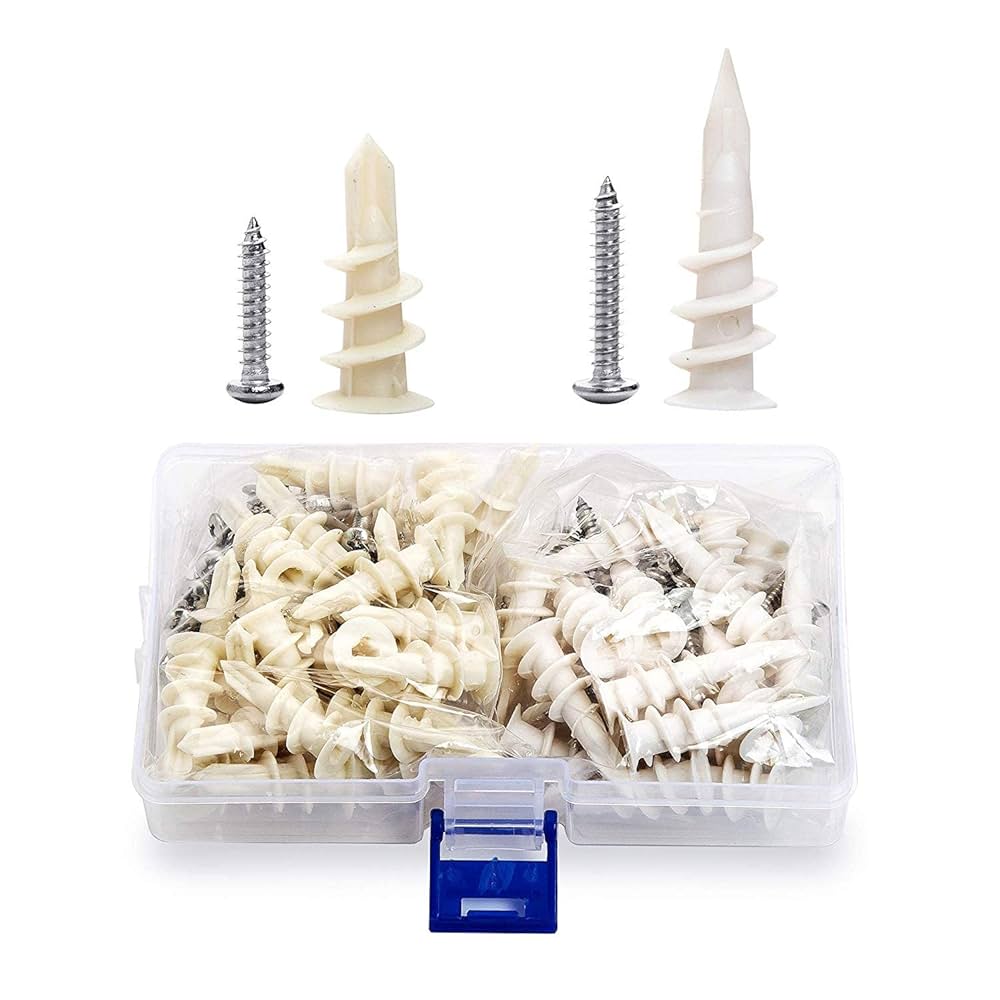
Self-drilling Anchors
Self-drilling anchors have sharp tips. They can drill into drywall without a pilot hole.
They save time and are easy to install. These anchors are good for light to medium loads.
Toggle Anchors
Toggle anchors have wings that open inside the wall. This spreads the load over a larger area.
They hold heavy items and work well in hollow walls like drywall or plaster.
Molly Bolts
Molly bolts are plastic anchors with metal sleeves. When the screw tightens, the sleeve expands behind the wall.
They provide strong support and are good for medium to heavy loads in drywall and hollow walls.

Credit: www.amazon.ca
Choosing The Right Anchor
Selecting the right plastic wall anchor is important for safe and secure installations. Different factors like wall material, weight capacity, and anchor size must be considered.
Understanding these elements helps you choose the best anchor for your needs, ensuring your fixtures stay in place.
Matching Anchor To Wall Material
The wall type affects which anchor to use. Drywall, concrete, and brick each need different anchors for optimal results.
- For drywall, use expansion anchors.
- Concrete walls require sleeve anchors.
- Brick walls work well with masonry anchors.
Weight Capacity Considerations
Knowing the weight your anchor can support prevents accidents. It is crucial to choose an anchor that can handle the load.
Check manufacturer specifications for weight limits:
- Lightweight items: Use anchors with 10-25 lbs capacity.
- Medium weight items: Opt for 25-50 lbs capacity.
- Heavy items: Choose anchors that support 50+ lbs.
Anchor Size And Length
The size and length of the anchor affect its grip and strength. Ensure the anchor is long enough to embed securely into the wall.
| Anchor Type | Recommended Length |
| Drywall Anchor | 1 inch |
| Sleeve Anchor | 1.5 inches |
| Masonry Anchor | 2 inches |
Tools Needed For Installation
Installing plastic wall anchors needs some basic tools. These tools help make the process smooth and safe.
Using the right tools ensures the anchor holds tight and lasts long on the wall.
Drills And Drill Bits
A drill is needed to make holes in the wall for the plastic anchor. Choose a drill that is easy to handle.
Drill bits must match the size of the anchor. Using the wrong size can cause poor grip.
- Use a power drill or cordless drill
- Select a drill bit the same size as the anchor
- Use a masonry bit for concrete or brick walls
- Use a wood bit for drywall or wood walls
Screwdrivers
Screwdrivers help to drive screws into the plastic wall anchors. Pick the correct type of screwdriver.
Use a screwdriver that fits the screw head to avoid damage. A good fit keeps the screw tight and secure.
- Use a Phillips head screwdriver for cross-shaped screws
- Use a flathead screwdriver for straight screws
- Consider a power screwdriver for faster work
- Keep the screwdriver clean and in good condition
Measuring Tools
Measuring tools help mark the exact spot for drilling. Accurate marks prevent mistakes and weak anchors.
Use simple tools to measure and mark the wall before drilling. This saves time and effort.
- Use a tape measure to find the right height and position
- Use a pencil or marker to mark the drilling spot
- A level helps keep marks straight and even
- A ruler can assist with small measurements

Credit: www.amazon.ca
Step-by-step Installation Process
Plastic wall anchors help secure screws into drywall or masonry. They hold items firmly and prevent damage. Follow these simple steps to install them correctly.
This guide covers marking the spot, drilling the hole, inserting the anchor, and securing the screw.
Marking The Spot
Start by choosing the exact spot where you want to hang or mount your item. Use a pencil to mark the wall clearly. Make sure the spot is free of wires or pipes.
Drilling The Hole
Pick a drill bit that matches the size of the plastic anchor. Hold the drill steady and drill a hole at the marked spot. Drill straight to avoid an angled hole.
- Wear safety glasses before drilling.
- Use a drill bit the same diameter as the anchor.
- Drill slowly to avoid wall damage.
- Clean the hole from dust and debris.
Inserting The Anchor
Push the plastic anchor into the hole until it is flush with the wall. If it is tight, tap it gently with a hammer. Avoid forcing it to prevent breaking the anchor.
| Anchor Size | Drill Bit Size | Recommended Screw Size |
|---|---|---|
| 1/4 inch | 1/4 inch | 6 or 8 |
| 3/8 inch | 3/8 inch | 10 or 12 |
| 1/2 inch | 1/2 inch | 14 |
Securing The Screw
Insert the screw into the anchor and turn it clockwise with a screwdriver. Tighten until the screw feels secure but stop before the wall or anchor cracks.
- Use a screwdriver matching the screw head.
- Do not overtighten the screw.
- Check the mounted item for firmness.
Common Installation Mistakes
Plastic wall anchors help hold screws in drywall and other materials. Many people make mistakes when installing them.
These errors can cause weak holds or damage the wall. Knowing common mistakes can help you install anchors correctly.
Using Wrong Anchor Type
There are many types of plastic wall anchors. Using the wrong type can make the anchor fail to hold.
Choose an anchor that fits the wall material and weight of the object you hang.
- Use drywall anchors for drywall only
- Use masonry anchors for brick or concrete
- Use heavier anchors for heavier items
Overdrilling Holes
Drilling a hole that is too big can cause the anchor to slip or not hold tightly. The hole should match the anchor size.
Check the anchor package for the correct drill bit size before drilling.
- Use a drill bit that fits the anchor diameter
- Drill straight and not at an angle
- Stop drilling once the hole is deep enough
Ignoring Weight Limits
Each plastic anchor has a weight limit. Exceeding this limit can cause the anchor to pull out or break.
Always check the anchor’s weight capacity and do not hang items heavier than recommended.
- Light anchors hold light objects only
- Use multiple anchors for heavy items
- Consider stronger anchors for heavy loads
Maintenance And Removal Tips
Plastic wall anchors hold screws firmly in drywall or masonry. Proper care keeps them strong and safe. Removing anchors carefully prevents wall damage.
Regular checks and correct removal help maintain your walls. Follow these tips for safe handling of plastic wall anchors.
Inspecting Anchors Regularly
Look over wall anchors often to ensure they hold tight. Check for cracks or loosening around the anchor area.
- Test the anchor by gently wiggling the screw
- Look for any wall cracks near the anchor
- Replace anchors if they feel loose or damaged
- Keep the area clean to avoid dirt buildup
Safe Removal Techniques
Remove anchors carefully to avoid wall damage. Use the right tools and methods for smooth removal.
- Unscrew the fastener completely
- Use pliers to pull the anchor straight out
- If the anchor breaks, push it gently into the wall cavity
- Fill any holes left after removal
Repairing Wall Damage
Fix wall holes and cracks after anchor removal. Use simple materials to restore the surface.
| Material | Use | Tips |
| Spackle | Fill small holes | Apply with putty knife, sand smooth |
| Joint compound | Fix larger cracks | Apply in layers, dry fully before sanding |
| Primer and paint | Cover repaired area | Match wall color for best finish |
Applications And Use Cases
Plastic wall anchors provide a strong hold in different materials. They help secure screws in drywall, plaster, and masonry.
These anchors expand inside the wall, giving extra grip and support. They are useful in many building and repair projects.
Home Improvement Projects
Plastic wall anchors are ideal for hanging shelves, mirrors, and cabinets in homes. They prevent damage to the wall and keep items secure.
- Mounting curtain rods and blinds
- Installing towel racks and hooks
- Fixing light fixtures and smoke detectors
- Securing picture frames and artwork
Commercial Installations
In commercial spaces, plastic wall anchors support heavier loads safely. They work well on drywall and concrete walls in offices and stores.
| Application | Material | Benefit |
| Mounting signs | Drywall | Strong hold without wall damage |
| Fixing shelving units | Concrete | Supports heavy weight |
| Installing partitions | Plaster | Easy and secure installation |
Outdoor Fixings
Plastic anchors resist moisture and help fix objects outside. They are used to attach lights, signs, and outdoor furniture to walls.
- Fastening garden trellises and fences
- Mounting exterior lighting fixtures
- Securing mailboxes and house numbers
- Installing outdoor shelves and storage units

Credit: www.ebay.ca
Frequently Asked Questions
What Is A Plastic Wall Anchor Used For?
A plastic wall anchor secures screws in drywall or masonry. It prevents screws from pulling out. It provides better grip and stability for hanging objects.
How Do You Install A Plastic Wall Anchor?
First, drill a hole matching the anchor size. Insert the anchor fully into the hole. Then, screw into the anchor to secure your item.
Can Plastic Wall Anchors Hold Heavy Items?
Plastic wall anchors support light to medium loads. For heavier items, use metal anchors or toggle bolts. Always check the anchor's weight rating before use.
Are Plastic Wall Anchors Reusable?
No, plastic wall anchors are generally single-use. Removing them damages their grip. For reinstallation, use a new anchor to ensure stability.
Conclusion
Plastic wall anchors offer strong support for hanging items on walls. They work well with drywall, plaster, and other surfaces. Using the right anchor helps prevent damage and keeps things secure. They are simple to install and save time on repairs.
Choosing the correct size and type matters most. Keep these tips in mind for your next project. Plastic anchors provide a reliable, cost-effective way to hang things safely.

