Are you tired of dealing with broken plastic items that seem impossible to fix? Imagine being able to repair your favorite plastic items quickly and effectively.
That's where plastic to plastic adhesive comes in. This wonder solution can make your life easier by allowing you to bond plastic materials seamlessly. Whether it's a cracked toy or a broken household item, this adhesive is your go-to solution.
Get ready to discover how you can save time, money, and frustration by learning the secrets of using plastic to plastic adhesive. Dive in to find out how this simple tool can transform the way you handle plastic repairs, making your life more convenient and hassle-free.

Credit: www.amazon.ca
Types Of Plastic Adhesives
Plastic adhesives come in various types, each suited for different plastics and uses. Choosing the right adhesive ensures a strong and lasting bond. Understanding these types helps in selecting the best option for your project.
Epoxy Adhesives
Epoxy adhesives consist of two parts that mix before use. They create a strong bond and resist heat and chemicals. Epoxies work well on many plastics and provide durable joints.
Cyanoacrylate Glues
Cyanoacrylate glues, also known as super glues, dry quickly. They bond small plastic parts effectively. These adhesives work best on smooth, non-porous surfaces.
Polyurethane Adhesives
Polyurethane adhesives offer flexibility and strong bonding. They expand slightly during curing, filling gaps. These adhesives resist water and impact well.
Solvent Cements
Solvent cements soften plastic surfaces to fuse them together. They create very strong joints by melting plastic edges. Best for plastics like PVC and ABS.
Hot Melt Adhesives
Hot melt adhesives are applied melted and cool to bond. They set fast and work well for quick fixes. Suitable for lightweight plastic materials and crafts.
Choosing Adhesive For Plastic Types
Choosing the right adhesive for different plastic types can be tricky. Each plastic has unique properties that affect how well adhesives bond. Knowing which adhesive works best for your specific plastic will save you time and frustration, and improve the strength of your project.
Bonding Polyethylene And Polypropylene
Polyethylene (PE) and Polypropylene (PP) are tough to bond because of their low surface energy. Regular glues often fail to stick well to these plastics. You need adhesives designed specifically for these materials, like specialized polyolefin adhesives or surface primers that increase adhesion.
Have you ever tried to glue a plastic container only to have the bond fail quickly? That’s often because PE or PP was involved without proper adhesive choice. Using a hot-melt adhesive formulated for polyolefins can make a big difference.
Adhering Pvc And Abs
PVC and ABS plastics respond well to a wider range of adhesives. Solvent-based adhesives work by slightly melting the surface, creating a strong bond. These are common in plumbing and automotive repairs where PVC and ABS parts are joined.
Try using PVC cement or ABS cement for these plastics. They are easy to apply and create durable bonds. You can also use epoxy adhesives when you need extra strength or gap filling.
Working With Acrylic And Polycarbonate
Acrylic and polycarbonate are clear plastics often used in displays and windows. Solvent adhesives are a good choice here as they create a nearly invisible joint. Be careful—some solvents can cause crazing or cloudiness, so choose adhesives labeled safe for these plastics.
If you want a quick fix, cyanoacrylate (super glue) works well for small acrylic or polycarbonate parts. But for larger or load-bearing joints, opt for two-part acrylic adhesives or UV-curing adhesives to ensure lasting strength without damaging the plastic.
Special Cases: Flexible Plastics
Flexible plastics like TPU or TPE need adhesives that remain flexible after curing. Standard rigid glues will crack or peel when the plastic bends. Look for flexible urethane or silicone-based adhesives that move with the material.
When working with flexible plastics, testing your adhesive on a scrap piece first can save headaches. Would you rather have a bond that cracks after a week or one that holds up with daily use? Choosing the right flexible adhesive keeps your project durable and functional.
Surface Preparation Techniques
Surface preparation is the key to successful bonding when using plastic to plastic adhesive. Without proper preparation, even the strongest glue can fail to hold. Taking the time to prepare surfaces ensures a stronger, longer-lasting bond that can withstand stress and environmental factors.
Cleaning And Degreasing
Before applying any adhesive, you must clean the plastic surfaces thoroughly. Dirt, oil, and grease create barriers that prevent adhesives from bonding properly. Use a mild detergent or isopropyl alcohol to wipe down the surfaces.
Make sure to dry the surfaces completely before moving on. Have you ever tried gluing something without cleaning it first? The bond usually doesn’t last. Clean surfaces mean better contact and stronger adhesion.
Sanding And Roughening
Smooth plastic surfaces often repel adhesives. Lightly sanding the plastic creates a rough texture that helps the glue grip better. Use fine-grit sandpaper and work evenly across the area you plan to bond.
Be careful not to sand too aggressively, which could damage the plastic. Think of sanding as giving your adhesive a better foothold. Do you notice how a rough surface feels stickier compared to a smooth one? That’s the effect you want to achieve.
Priming For Better Adhesion
Primers act as a bridge between plastic surfaces and adhesives. Some plastics resist bonding, even when cleaned and sanded. Applying a suitable primer can improve the adhesive’s ability to bond by preparing the plastic chemically.
Choose primers designed for the specific type of plastic you’re working with. Priming might seem like an extra step, but it can make the difference between a temporary fix and a durable repair. Have you tried skipping this step only to see your project fail later?

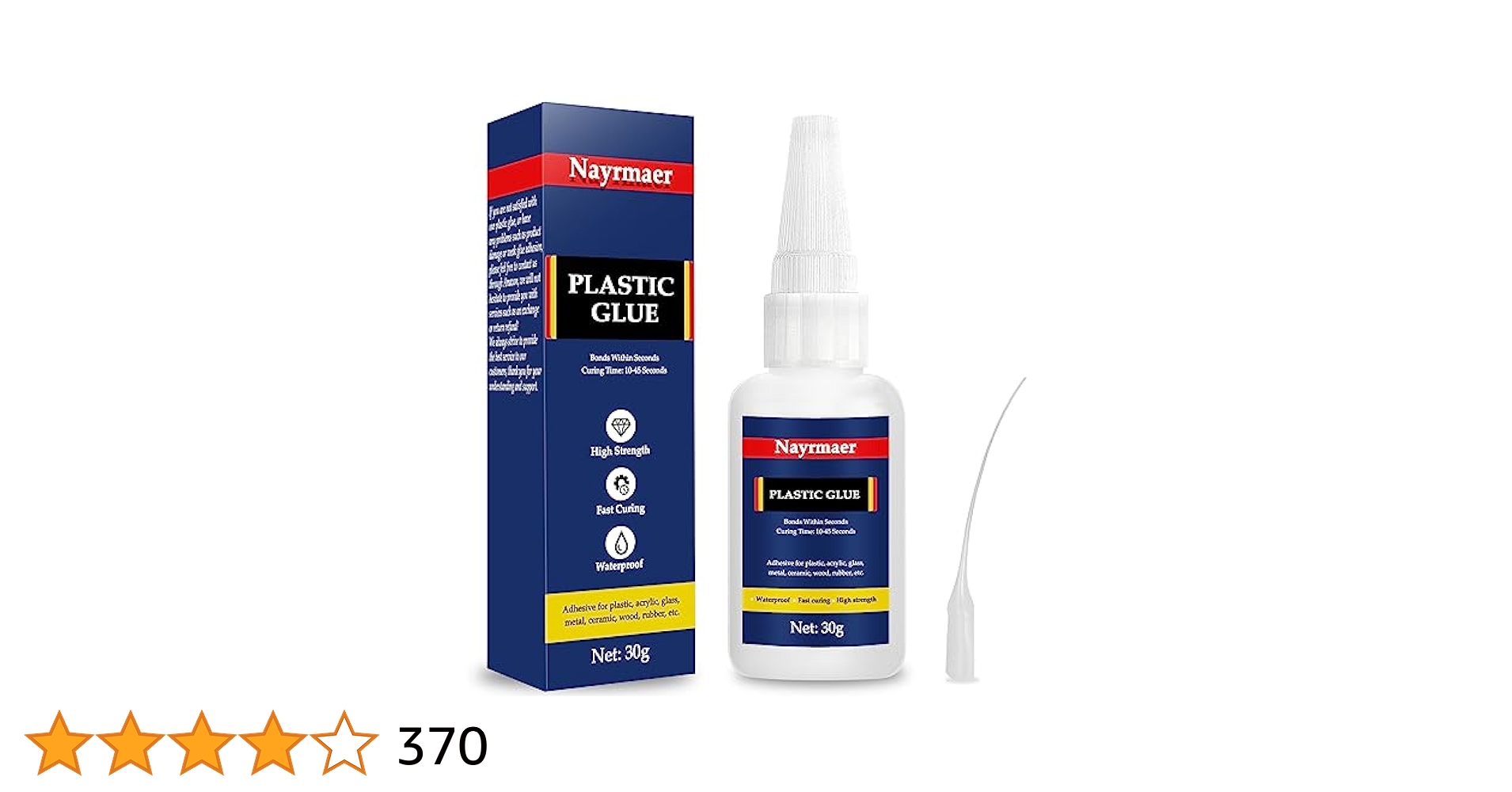
Credit: www.amazon.ca
Application Methods
Applying plastic to plastic adhesive correctly ensures a strong bond and lasting results. Different techniques help spread the adhesive evenly and securely. Proper application reduces the chance of weak spots or gaps. Understanding these methods improves the success of your project.
Brush And Spread Techniques
Using a brush to apply adhesive offers control over thickness and coverage. Spread the glue evenly to avoid clumps and bubbles. This method works well for flat or slightly curved surfaces. Use a soft brush for delicate plastics to prevent scratches. Thin layers dry faster and create a better bond.
Using Applicator Tips
Applicator tips provide precision and reduce mess during application. They help place adhesive exactly where needed, especially in tight spots. Fine tips suit small repairs, while wider tips cover larger areas. Some adhesives come with built-in applicators for convenience. Always squeeze gently to control the flow of glue.
Clamping And Curing Times
After applying adhesive, clamping holds the pieces firmly in place. Clamps prevent movement and ensure a tight bond. The curing time varies by adhesive type and plastic material. Follow the manufacturer’s instructions for the best results. Avoid disturbing the joint until the adhesive fully cures to maintain strength.
Factors Affecting Bond Strength
Understanding what affects the bond strength in plastic-to-plastic adhesives can save you time and frustration. Bond strength is not just about choosing the right glue; it depends on several factors working together. Let’s break down what really matters to help you get a strong, lasting hold.
Material Compatibility
Not all plastics stick well to each other. Some plastics like polyethylene and polypropylene are tricky because their surfaces are very smooth and non-porous.
You need an adhesive designed specifically for the types of plastic you are bonding. Sometimes, surface treatments like sanding or using a primer can improve adhesion. Have you ever tried gluing two plastics only to see the bond fail quickly? That’s often because the materials weren’t compatible.
Environmental Conditions
Temperature and humidity can make or break your bond. High temperatures might soften the adhesive, while cold can make it brittle.
Moisture can also weaken the bond, especially if your adhesive isn’t water-resistant. Think about where your project will be used—indoors, outdoors, or in a humid environment. Adjust your adhesive choice and preparation steps accordingly to avoid surprises later.
Adhesive Thickness And Coverage
The amount of adhesive you apply matters more than you might think. Too little, and the bond won't be strong; too much, and it can take longer to dry or create a weak, uneven joint.
Ensure the adhesive covers the entire surface area evenly. Spreading it too thickly can trap air bubbles, while uneven coverage can cause weak spots. Have you noticed how some glued parts peel off after a while? It might be due to inconsistent adhesive application.
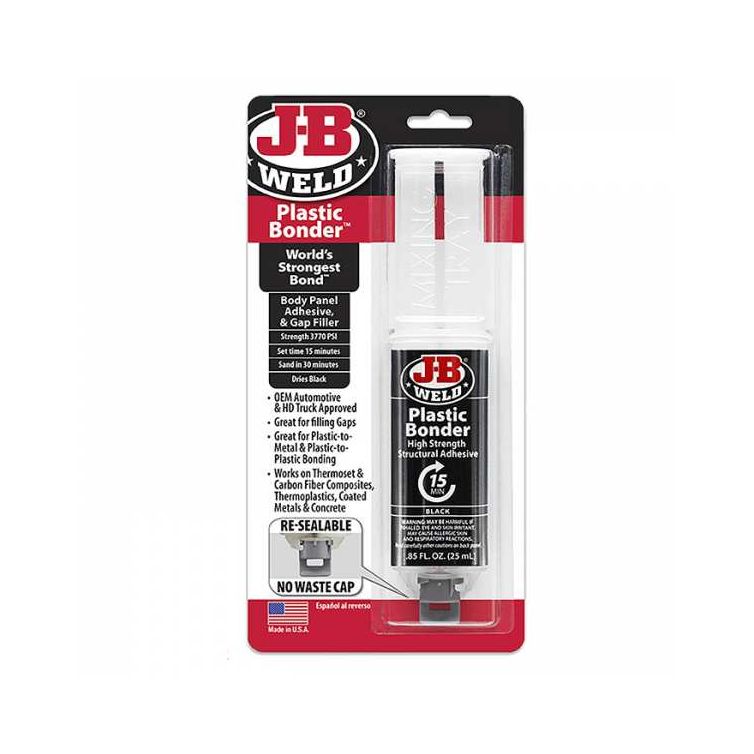
Credit: www.kmstools.com
Common Challenges And Fixes
Working with plastic to plastic adhesive presents unique challenges. Common issues include poor adhesion, handling curved surfaces, and fixing bonds that fail. Understanding these problems helps improve results and ensures stronger, longer-lasting joints.
Dealing With Poor Adhesion
Poor adhesion often happens due to surface contamination. Dirt, oil, or grease blocks the glue from sticking well. Clean both surfaces with isopropyl alcohol before applying adhesive. Roughening smooth plastic with fine sandpaper also helps the glue grip better. Use the right adhesive type for the plastic material. Some plastics need special glues designed for their chemistry.
Handling Flexible Or Curved Surfaces
Flexible or curved plastics can move and stress glued joints. This movement may cause cracks or weak bonds. Choose flexible adhesives that can stretch without breaking. Apply adhesive evenly and avoid excess that can pool or drip. Clamp or hold parts firmly in place until the glue sets. Using tapes or molds helps keep curves steady during curing.
Repairing Failed Bonds
Failed bonds happen when the adhesive did not cure properly or surfaces were not prepared well. Remove all old glue with a scraper and clean the area thoroughly. Sand the surfaces lightly to create fresh bonding zones. Reapply adhesive carefully, following the product instructions. Allow enough curing time without disturbing the joint. For repeated failures, try a different adhesive formula suited to the plastic type.
Safety Tips When Using Plastic Adhesives
Using plastic adhesives can make your projects easier and stronger, but safety should always come first. These adhesives often contain chemicals that can irritate your skin, eyes, or lungs if you're not careful. Understanding and following safety tips can protect you and ensure your work environment stays safe and comfortable.
Proper Ventilation
Always work in a well-ventilated area when using plastic adhesives. The fumes released can cause headaches, dizziness, or nausea if they build up. Opening windows or using fans helps keep the air fresh and reduces the risk of inhaling harmful vapors.
Have you ever felt lightheaded after using glue in a closed room? That’s a sign your workspace needs better airflow. Even a small fan can make a big difference in keeping the air safe to breathe.
Protective Gear
Wear gloves to protect your skin from sticky, irritating chemicals. Some adhesives can cause allergic reactions or burns if they stay in contact too long. Eye protection, like safety goggles, is also essential to stop accidental splashes from causing damage.
Think about the last time you handled glue without gloves—did you notice your skin becoming dry or red? That’s your body telling you it needs protection. Simple gear like gloves and goggles can prevent discomfort and serious injuries.
Safe Storage Practices
Store plastic adhesives in a cool, dry place away from direct sunlight and heat sources. Heat can cause the adhesive to break down or even catch fire in extreme cases. Make sure the lids are tightly closed to prevent spills and accidental exposure.
Have you ever left a glue bottle open and found it dried out or stuck to the cap? Proper sealing keeps your adhesive ready to use and avoids waste. Keep adhesives out of reach of children and pets to prevent accidents in your home or workshop.
Innovations In Plastic Adhesives
Plastic to plastic adhesives have come a long way, offering more than just basic bonding. Recent innovations have transformed how you can connect plastics, focusing on performance, sustainability, and speed. These advancements not only improve the quality of your projects but also open up new possibilities in design and repair.
Eco-friendly Adhesives
You might wonder if adhesive choices can impact the environment. Today, many manufacturers offer eco-friendly adhesives that reduce harmful chemicals and lower carbon footprints.
These adhesives often use natural or bio-based ingredients instead of traditional solvents. They also emit fewer volatile organic compounds (VOCs), making your workspace safer. Imagine fixing your plastic items without worrying about toxic fumes or harsh disposal rules.
Uv-curable Options
Speed is crucial when working with plastics, especially in production or repairs. UV-curable adhesives cure within seconds under ultraviolet light, allowing you to move quickly through your projects.
This technology means you avoid long drying times and get strong, clear bonds that don’t yellow or degrade easily. Have you ever faced delays waiting for glue to dry? UV-curable adhesives can solve that problem efficiently.
Nanotechnology Enhancements
Nanotechnology is pushing plastic adhesives into new territories. By adding nanoparticles, adhesives gain improved strength, flexibility, and resistance to heat and chemicals.
These tiny particles create stronger bonds at the molecular level, which means your plastic connections last longer and withstand tougher conditions. If durability matters in your work, nanotech-enhanced adhesives could be the upgrade you need.
Frequently Asked Questions
What Is Plastic To Plastic Adhesive?
Plastic to plastic adhesive is a glue designed to bond plastic surfaces. It creates a strong, durable, and often waterproof connection between plastic parts.
Which Plastics Can Plastic To Plastic Adhesive Bond?
Most plastic adhesives work on common plastics like PVC, ABS, polyethylene, and polypropylene. Always check the adhesive label for compatible plastic types.
How Long Does Plastic To Plastic Adhesive Take To Dry?
Drying times vary but typically range from 5 to 30 minutes. Full curing can take up to 24 hours for maximum strength.
Can Plastic To Plastic Adhesive Withstand Water?
Yes, many plastic adhesives are waterproof once cured. They are suitable for outdoor and wet environment applications.
Conclusion
Choosing the right plastic to plastic adhesive matters a lot. It helps join parts tightly and lasts longer. Good adhesives work on many plastic types without damage. Always check the adhesive’s instructions before using. Proper use saves time and avoids mistakes.
A strong bond means fewer repairs later. Small effort now brings big benefits later. Keep your projects neat and reliable with the right glue. Simple steps make fixing plastics easy and fast. Give your plastic items a new life today.

