


When it comes to keeping yourself safe, nothing is more important than the right Personal Protective Equipment (PPE). Whether you work in construction, healthcare, or even just tackling home projects, the gear you wear can protect you from serious harm.
But do you really know which equipment fits your needs best? Understanding PPE can make the difference between staying safe and facing unexpected risks. Stick with me, and you’ll discover how to choose the right protection for your body and your peace of mind.
Your safety starts here.

Credit: netec.org
Types Of Personal Protective Equipment
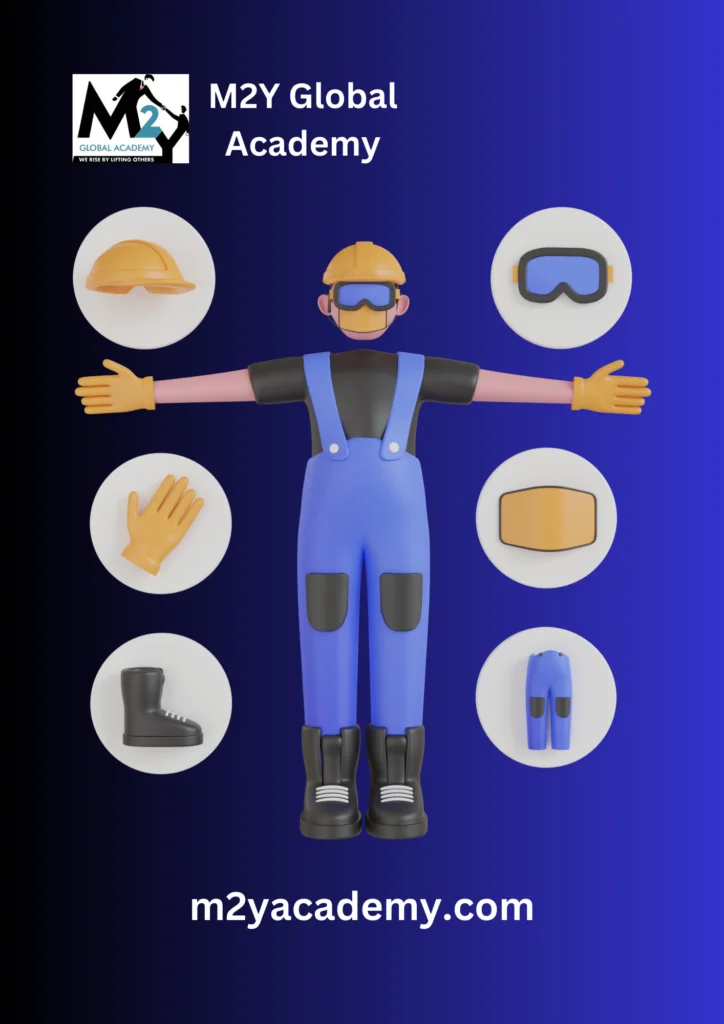
Personal Protective Equipment (PPE) includes various items designed to protect workers from injuries. Each type serves a specific purpose and protects different body parts. Choosing the right PPE depends on the task and environment.
Head Protection
Helmets and hard hats shield the head from falling objects and impacts. They prevent serious injuries on construction sites and factories. Some headgear also protects against electrical hazards.
Eye And Face Protection
Safety glasses and face shields guard eyes and face from dust, chemicals, and sparks. Goggles fit tightly and offer full eye coverage. Face shields protect against splashes and flying debris.
Hearing Protection
Earplugs and earmuffs reduce noise levels in loud workplaces. They prevent hearing loss caused by prolonged exposure to loud sounds. Choose hearing protection based on noise intensity and comfort.
Hand And Arm Protection
Gloves protect hands from cuts, burns, and chemicals. Different materials suit different hazards, such as leather for heat or rubber for chemicals. Sleeves can protect arms from splashes and abrasions.
Respiratory Protection
Masks and respirators filter harmful dust, fumes, and gases. They help workers breathe safely in polluted environments. Proper fit and filter type are key for effective protection.
Body Protection
Coveralls, aprons, and vests shield the body from chemicals, heat, and sharp objects. High-visibility clothing improves safety in low-light conditions. Choose materials based on the specific hazard.
Foot And Leg Protection
Safety boots and shoes protect feet from crushing, punctures, and slips. Steel-toed boots guard against heavy falling objects. Gaiters and leggings protect legs from sparks and sharp materials.

Credit: www.ishn.com
Choosing The Right Safety Gear
Choosing the right safety gear is more than just picking equipment off the shelf. It’s about understanding the specific risks in your environment and selecting gear that truly protects you. The right choice can prevent injuries and make your workday safer and more comfortable.
Assessing Workplace Hazards
Start by identifying the dangers you face daily. Are you exposed to chemicals, sharp objects, or extreme temperatures? Understanding these risks helps narrow down the type of protective gear you need.
Ask yourself: what’s the worst-case scenario I want to avoid? This mindset ensures you don’t underestimate hazards that might seem minor but can cause serious harm.
Material And Design Considerations
Not all safety gear is created equal. The material matters because it determines durability, resistance, and protection level. For instance, leather gloves offer cut resistance, while nitrile gloves protect against chemicals.
Design also affects performance. Look for features like reinforced stitching, adjustable straps, or breathable fabrics. These details can make a big difference in both safety and usability.
Proper Fit And Comfort
Safety gear that doesn’t fit well won’t be worn consistently. Imagine wearing gloves that are too tight or helmets that pinch—discomfort leads to distraction and removal. You need gear that fits your body perfectly.
Try on different sizes and styles. Comfort promotes compliance, and when you feel good in your equipment, you’re more likely to keep it on throughout your tasks.
Compliance With Safety Standards
Gear that meets recognized safety standards offers proven protection. Look for certifications like ANSI, OSHA, or CE marks. These indicate the equipment has undergone rigorous testing.
Ignoring standards can mean risking gear failure when you need it most. Always verify the certifications before making your purchase.
Maintaining And Inspecting Ppe
Personal Protective Equipment (PPE) is your first line of defense in hazardous environments. But its effectiveness depends heavily on how well you maintain and inspect it. Neglecting these tasks can leave you vulnerable, even with the best gear. Let’s dive into how you can keep your PPE in top-notch condition.
Cleaning And Storage Tips
Clean your PPE after every use, especially if it’s exposed to dirt, chemicals, or bodily fluids. Use manufacturer-recommended cleaning agents to avoid damaging the material. For example, mild soap and water often work well for gloves and goggles.
Proper storage is equally important. Keep your PPE in a cool, dry place away from direct sunlight or extreme temperatures. Avoid tossing it into a drawer or leaving it in damp areas, as this can lead to mold or material degradation.
Consider using dedicated storage containers or hooks for items like helmets and harnesses. This not only keeps them organized but also prevents unnecessary wear and tear. Would you trust safety gear that’s been crammed into the bottom of a dusty bag?
Regular Inspection Procedures
Inspect your PPE before and after every use. Look for visible damage such as cracks, fraying, or discoloration. Even small issues, like a tiny tear in a glove, can compromise its performance.
Test moving parts, such as the buckles on a harness or the straps on a helmet. Ensure they’re functioning properly and not showing signs of wear. A stuck buckle can become a major hazard in emergencies.
Keep a checklist handy to make inspections systematic and thorough. Include specific points for each piece of equipment. This way, you’ll never miss critical details.
When To Replace Equipment
Knowing when to replace your PPE is crucial. Manufacturers often provide guidelines on the lifespan of their products. For example, hard hats typically need replacement every 5 years or sooner if they’ve taken a hit.
Replace any PPE that shows signs of wear, even if it’s within its lifespan. Trust your instincts—if something feels off, it’s better to err on the side of caution.
Pay attention to fit as well. If your PPE no longer fits snugly or comfortably, it’s time to upgrade. Ill-fitting gear can be as dangerous as damaged equipment. After all, safety should never be a gamble.
Common Ppe Mistakes To Avoid
Personal Protective Equipment (PPE) plays a crucial role in workplace safety. Yet, common mistakes can reduce its effectiveness and put workers at risk. Understanding these pitfalls can help ensure proper use and protection.
Ignoring Equipment Guidelines
PPE comes with specific instructions for proper use and maintenance. Skipping these guidelines can lead to improper usage and reduced protection. Always read the manual or manufacturer’s instructions. Follow recommended practices for cleaning, storing, and inspecting the equipment regularly.
Using Damaged Gear
Damaged PPE cannot provide adequate safety. Small cracks, tears, or worn-out straps can compromise its effectiveness. Inspect gear before every use. Replace any damaged items immediately to avoid unnecessary risks.
Improper Fit Issues
PPE must fit correctly to provide maximum protection. Loose or tight equipment can reduce comfort and effectiveness. Always choose gear that matches your size and adjust it properly. Ill-fitting PPE may expose you to hazards instead of protecting you.
Neglecting Training
Training is essential for understanding how to use PPE correctly. Lack of knowledge can lead to misuse or accidents. Attend training sessions and ask questions to clarify doubts. Ensure all team members understand proper PPE protocols for their tasks.
Advancements In Ppe Technology
Personal Protective Equipment (PPE) has come a long way, moving beyond basic safety gear to smart, efficient solutions that protect you better while improving usability. New technology is changing how PPE works, making it lighter, more comfortable, and even connected. These advancements not only improve safety but also help you work smarter and stay protected longer.
Smart And Connected Equipment
Imagine a hard hat that can detect dangerous gases or a vest that tracks your vital signs. Smart PPE uses sensors and wireless technology to keep you informed in real time. This means you get alerts about hazards before they become emergencies, helping you avoid accidents.
These devices often connect to your smartphone or central system, allowing supervisors to monitor worker safety remotely. Have you ever thought about how much quicker help could arrive if your equipment could send an instant distress signal?
Lightweight And Durable Materials
Heavy and bulky gear can slow you down and cause fatigue, which increases risk. New materials like advanced composites and high-strength polymers make PPE both light and tough. This means you can wear protective gear all day without feeling weighed down.
Materials like Kevlar and carbon fiber are being used more frequently, offering excellent protection against cuts and impacts. How much more efficient would your work be if your PPE didn’t tire you out?
Enhanced Comfort Features
Comfort is key to ensuring you keep your PPE on at all times. Modern designs focus on breathability, adjustable fits, and moisture-wicking fabrics. These features reduce heat stress and skin irritation, making long shifts more bearable.
Some helmets now have built-in ventilation systems, and gloves come with flexible, anti-slip grips. When your PPE feels better, you’re more likely to use it correctly. What small comfort improvement could make a big difference in your daily routine?
Ppe For Different Industries
PPE is essential for worker safety across various industries. Different jobs have unique risks. Protective gear must fit those specific dangers. Choosing the right PPE helps prevent injuries and illnesses.
Each industry needs tailored equipment for its hazards. Understanding these needs improves safety and compliance. Here’s a look at PPE types used in key sectors.
Construction And Manufacturing
Workers face risks like falling objects and sharp tools. Hard hats protect heads from impact. Safety goggles shield eyes from dust and debris. Earplugs reduce noise damage. Steel-toed boots guard feet from heavy materials. Gloves protect hands from cuts and burns.
Healthcare And Laboratories
Staff handle infectious materials and chemicals. Face masks prevent the spread of germs. Gloves stop contact with harmful substances. Lab coats protect skin and clothes. Eye protection guards against splashes. Respirators help filter dangerous airborne particles.
Chemical And Hazardous Materials
Exposure to toxic substances is common. Chemical-resistant gloves and suits are vital. Full-face shields protect the face and eyes. Respirators filter out harmful fumes. Boots prevent chemical burns on feet. Proper PPE reduces the risk of serious injury.
Emergency Services
Firefighters, paramedics, and rescue teams face many hazards. Flame-resistant clothing protects against burns. Helmets shield heads from falling debris. Gloves and boots provide grip and safety. Eye protection guards against smoke and dust. PPE ensures they can perform safely in dangerous conditions.
Credit: m2yacademy.com
Frequently Asked Questions
What Is Personal Protective Equipment (ppe)?
Personal protective equipment (PPE) refers to gear designed to protect individuals from health and safety risks. Examples include gloves, helmets, goggles, and respirators. PPE ensures workplace safety by reducing exposure to hazards. Employers are responsible for providing necessary PPE to workers.
Why Is Ppe Important In The Workplace?
PPE is crucial for preventing injuries and illnesses caused by workplace hazards. It minimizes risks from chemicals, falls, and other dangers. Using PPE ensures compliance with safety regulations. It promotes a safe and healthy work environment for employees.
What Are Common Types Of Ppe?
Common PPE includes gloves, helmets, eye protection, respiratory masks, and protective clothing. These items safeguard against physical, chemical, and biological hazards. Selecting the right PPE depends on the specific workplace risks. Proper use enhances overall safety.
How Do I Choose The Right Ppe?
Choosing PPE requires understanding workplace hazards and job requirements. Assess risks and consult safety guidelines. Ensure PPE fits correctly and meets industry standards. Proper training and usage are essential for effectiveness.
Conclusion
Personal protective equipment keeps workers safe every day. It blocks hazards and lowers risks at work. Wearing the right gear protects your body and health. Always choose equipment that fits well and meets safety rules. Stay aware and follow safety steps to avoid injuries.
Safety starts with good equipment and smart habits. Protect yourself and your team by using PPE correctly. Safety matters for everyone, in every job.

