
When it comes to securing your home or office, choosing the right lock can make all the difference. You might have come across terms like “mortise” and “cylindrical” locks but aren’t sure which one fits your needs best.
Understanding the differences between these two can save you time, money, and frustration. You’ll discover what sets mortise and cylindrical locks apart, how they work, and which one is the better choice for your specific situation. Keep reading—your safety and peace of mind depend on it.
Mortise Lock Basics
Mortise locks are a type of lock that fits into a pocket inside the door. They offer strong security and are common in both homes and businesses.
This lock style is different from cylindrical locks, which fit through a hole in the door. Mortise locks have many parts that work together for better protection.
Design And Components
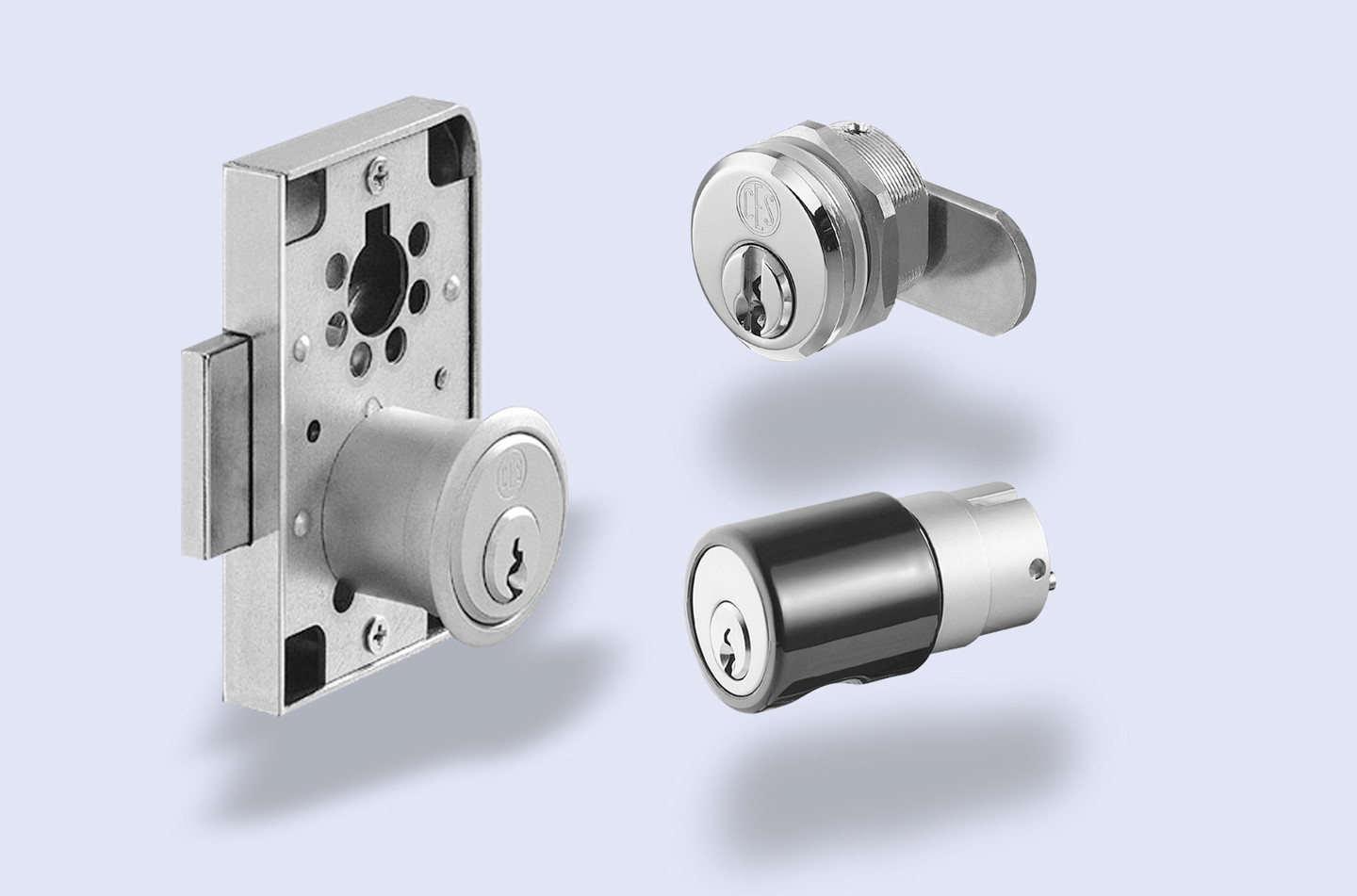
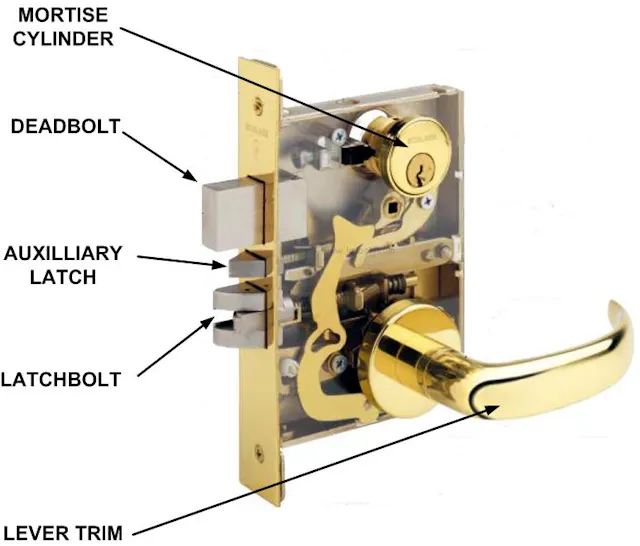
A mortise lock has a box-like body that fits inside the door. It includes a lock case, a latch, and a deadbolt.
The lock case holds all parts together. The latch works to keep the door closed. The deadbolt adds extra security when locked.
- Lock case: main body inside the door
- Latch: keeps door closed but not locked
- Deadbolt: secures the door firmly
- Lock cylinder: where the key is inserted
- Strike plate: metal plate on the door frame
Installation Process
Installing a mortise lock requires cutting a pocket inside the door. This pocket must be deep enough for the lock case.
The lock case is placed in the pocket, and the key cylinder is fitted through the door. The strike plate is attached to the door frame.
- Measure and mark the door for the pocket
- Cut the pocket to fit the lock case
- Insert the lock case and secure it
- Fit the key cylinder and attach handles
- Install the strike plate on the door frame
Common Uses
Mortise locks are common in commercial buildings and older homes. They are valued for their strength and durability.
These locks are used on doors that need extra security. They work well on heavy doors and in places with high traffic.
- Office buildings
- Schools and public buildings
- Residential front doors
- Hotels and apartments
- Historic or custom doors
Cylindrical Lock Basics
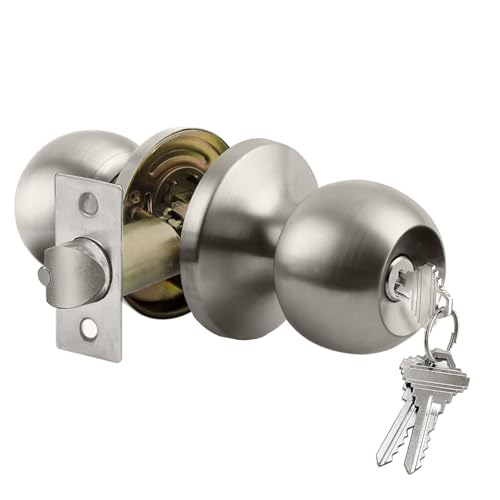
Cylindrical locks are common door locks found in many buildings. They are easy to use and fit into a round hole on the door.
This type of lock is popular for homes, offices, and schools. It offers good security with a simple design.
Design And Components
Cylindrical locks have a simple design. They consist of a latch, a lock cylinder, and a knob or lever.
The latch is the part that keeps the door closed. The cylinder holds the key mechanism. The knob or lever lets you open the door.
- Latch bolt
- Lock cylinder
- Exterior knob or lever
- Interior knob or lever
- Strike plate
Installation Process
Installing a cylindrical lock needs a hole in the door. The hole is usually 2 1/8 inches wide. Another hole for the latch is drilled on the door edge.
The lock parts fit into these holes. Screws hold the lock together. The strike plate is fixed on the door frame to catch the latch.
- Drill a hole for the lock cylinder
- Drill a hole on the door edge for the latch
- Insert the latch and secure with screws
- Fit the knobs or levers on both sides
- Attach the strike plate on the door frame
Common Uses
Cylindrical locks are used in many places. They work well on residential doors and light commercial doors.
They are good for interior doors like bedrooms and offices. They provide privacy and security without complex installation.
- Home entry doors
- Office doors
- Bedroom and bathroom doors
- School doors
- Retail stores
Security Features Compared
Mortise and cylindrical locks are common for doors. Both provide security but differ in design and strength. Understanding their features helps in choosing the right lock.
This article compares their security features, focusing on resistance to forced entry, pick and bump resistance, and durability over time.
Resistance To Forced Entry
Mortise locks have a heavier build and multiple locking points. This makes them harder to break or force open. Cylindrical locks have a simpler mechanism and usually one locking point.
- Mortise Locks:Strong metal case and deadbolt offer high resistance.
- Cylindrical Locks:Easier to force due to fewer parts and lighter construction.
Pick And Bump Resistance
Lock picking and bumping are common methods to open locks without keys. Mortise locks often use complex keyways and pins that resist these attacks. Cylindrical locks vary but generally have simpler pin arrangements.
| Lock Type | Pick Resistance | Bump Resistance |
|---|---|---|
| Mortise Lock | High - complex pins and keyways | High - designed to avoid bumping |
| Cylindrical Lock | Medium - simpler pins | Low to Medium - easier to bump |
Durability Over Time
Mortise locks are built for heavy use and last longer in commercial settings. Cylindrical locks suit residential use but wear faster with frequent use.
- Mortise locks have solid metal parts that resist wear.
- Cylindrical locks use lighter materials that may degrade quicker.
- Maintenance is easier for mortise locks because of their robust design.
Credit: www.ces.eu
Ease Of Installation
Choosing between mortise and cylindrical locks affects how easy the installation will be. Knowing the tools, time, and compatibility helps in making the right choice.
This guide compares the ease of installation for both lock types in three key areas.
Tools Required
Mortise locks need more specialized tools than cylindrical locks. You need precise cutting tools to fit the lock body inside the door.
- Chisels and routers for mortise locks
- Drill with hole saw for cylindrical locks
- Screwdrivers and measuring tape for both types
Time And Skill Level
| Lock Type | Installation Time | Skill Level Needed |
| Mortise | 1 to 2 hours | Advanced carpentry skills |
| Cylindrical | 30 to 45 minutes | Basic DIY skills |
Mortise locks take longer and need more skill. Cylindrical locks are faster and easier to install.
Retrofit Compatibility
Mortise locks often require larger door modifications. Cylindrical locks fit standard door preparations.
- Mortise locks may need door edge trimming
- Cylindrical locks fit existing holes in most doors
- Retrofitting cylindrical locks is simpler and less invasive
Cost Considerations
Mortise and cylindrical locks are common choices for doors. Each type has different costs to consider.
Understanding these costs helps in making the right choice. Consider initial price, maintenance, and long-term value.
Initial Purchase Price
Mortise locks are often more expensive upfront. They require precise fitting into the door.
Cylindrical locks are cheaper to buy. They are easier to install on most doors.
- Mortise locks: Higher price, more secure
- Cylindrical locks: Lower price, easier installation
Maintenance Expenses
Mortise locks need more maintenance. They have complex internal parts.
Cylindrical locks are simpler to maintain. They have fewer moving parts.
- Mortise: Regular checks, professional servicing
- Cylindrical: Less frequent maintenance
Long-term Value
Mortise locks last longer. They provide better security for buildings.
Cylindrical locks may wear out faster. They are suitable for low-security needs.
| Mortise | Long-lasting, high security |
| Cylindrical | Shorter lifespan, basic security |
Aesthetic And Design Options
Mortise and cylindrical locks offer different looks for doors. Their design options affect the style of a room or building.
Choosing the right lock helps match your door to your home's decor or your business's style.
Style Variations
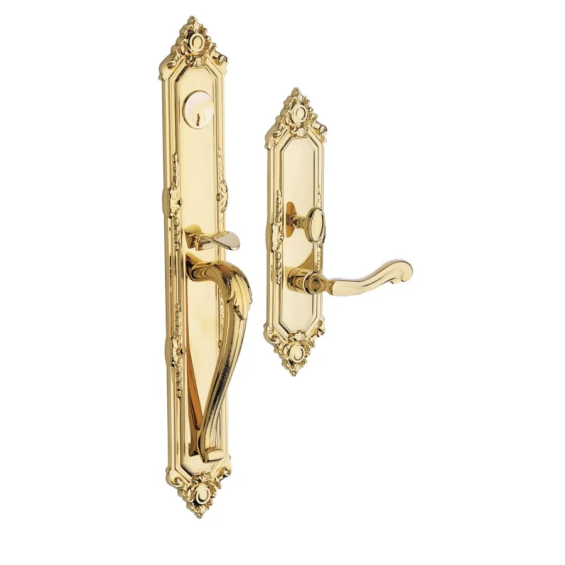
Mortise locks have a classic and traditional look. They often suit older or more formal settings.
Cylindrical locks look simpler and modern. They fit well in casual and contemporary spaces.
- Mortise locks usually show a rectangular faceplate on the door edge
- Cylindrical locks appear round or oval on the door surface
- Mortise locks offer more intricate designs on handles and plates
- Cylindrical locks favor smooth and minimal shapes
Finish Choices
Both lock types come in many finishes. These finishes change the metal look and feel.
Popular finishes include brass, chrome, satin nickel, and oil-rubbed bronze. Each finish suits different décor styles.
- Mortise locks often use antique or polished finishes
- Cylindrical locks favor brushed or matte finishes
- Finishes protect locks from rust and wear
- Choose finishes that match other door hardware
Customization
Mortise locks allow more custom options in handle shapes and decorative plates. This suits unique or historic designs.
Cylindrical locks have fewer custom parts but offer easy changes for knobs and levers.
- Mortise locks can have custom engraving or patterns
- Cylindrical locks let you swap handles without changing the whole lock
- Both locks can match key styles and security features
Best Uses For Mortise Locks
Mortise locks offer strong security and durability. They fit well in many door types and settings.
This guide explains where mortise locks work best. It covers commercial places, high-security needs, and special doors.
Commercial Settings
Mortise locks are common in offices and stores. They protect entrances and interior doors well. Their sturdy design fits heavy use every day.
- Office building main doors
- Retail store entrances
- Hotel room doors
- Schools and universities
- Hospitals and clinics
High-security Applications
Mortise locks provide added security for sensitive areas. They support complex locking systems and strong keys. Many high-security sites choose mortise locks for their reliability.
| Application | Why Mortise Locks Suit |
| Bank vaults | Durability and resistance to tampering |
| Government buildings | Supports advanced locking mechanisms |
| Data centers | High strength and secure key control |
| Research labs | Customizable and reliable locking options |
Historic And Custom Doors
Mortise locks fit well with old or custom doors. They can match the style while adding security. Craftsmen often prefer mortise locks for restoration projects.
- Maintain period-appropriate appearance
- Work with thick, heavy doors
- Allow for custom lock body sizes
- Provide smooth, traditional operation
- Blend with decorative hardware
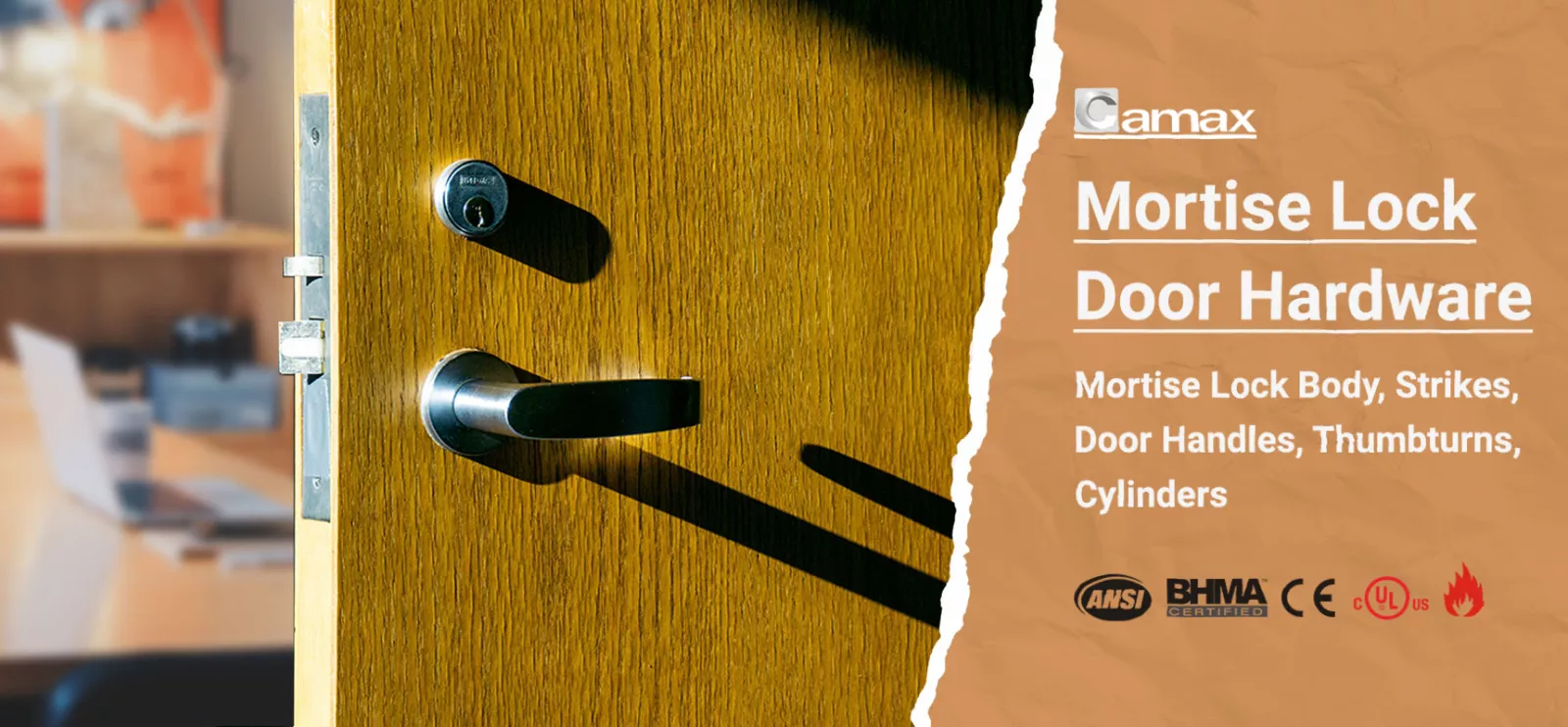
Credit: www.camax.cn
Best Uses For Cylindrical Locks
Cylindrical locks are popular choices for many settings. They are easy to install and operate. These locks suit various needs, providing security and convenience.
They are often preferred for their cost-effectiveness and reliability. Let's explore where these locks work best.
Residential Applications
Cylindrical locks are ideal for homes. They are simple to use and provide ample security for daily use. Many homeowners choose these locks for their exterior and interior doors.
- Front and back doors
- Bedroom doors
- Bathroom doors
Light Commercial Use
These locks are suitable for light commercial spaces. They offer a balance of security and ease of use. Many small businesses and offices prefer cylindrical locks for their entry and office doors.
Cylindrical locks are often chosen for:
- Small offices
- Retail stores
- Workshops
Cost-effective Solutions
Cylindrical locks are budget-friendly. They are a smart choice for those looking to save money without compromising security. These locks provide value for their cost.
| Setting | Cost Rating |
| Residential | Low |
| Light Commercial | Moderate |
| Cost-Effective | High |
Common Myths And Misconceptions
Many people confuse mortise and cylindrical locks. Both have unique uses and features. Understanding the facts can help you choose the right lock.
This article clears up common myths about security, installation, and suitability of these locks.
Security Levels
Some believe mortise locks always offer better security than cylindrical ones. This is not always true. The security depends on the lock’s design and quality.
Both types can have high security features like hardened steel bolts and anti-pick pins.
| Myth | Fact |
| Mortise locks are unbreakable. | Security depends on lock grade, not type. |
| Cylindrical locks are less secure. | High-quality cylindrical locks can be very secure. |
| All mortise locks have complex security features. | Some mortise locks are simple and low security. |
Installation Complexity
Many think mortise locks are too hard to install. While they require more tools, a professional or skilled DIYer can install them well.
- Mortise locks need a pocket cut inside the door.
- Cylindrical locks fit into a standard hole.
- Some say cylindrical locks are always easier to install.
- However, installation difficulty depends on door type and tools.
Proper installation is key for both lock types to work correctly and safely.
Suitability
People often think mortise locks suit only commercial doors, and cylindrical locks fit only homes. This is not true. Both locks can be used in many settings.
- Mortise locks work well on heavy or thick doors.
- Cylindrical locks fit most standard doors easily.
- Choice depends on door material, use, and personal preference.
- Neither lock type is limited to one building type.
Credit: www.locksmithledger.com
Future Trends In Lock Technology
Lock technology is changing fast. New features make locks smarter and stronger. Both mortise and cylindrical locks are evolving.
This article looks at three future trends: smart lock integration, enhanced materials, and hybrid systems.
Smart Lock Integration
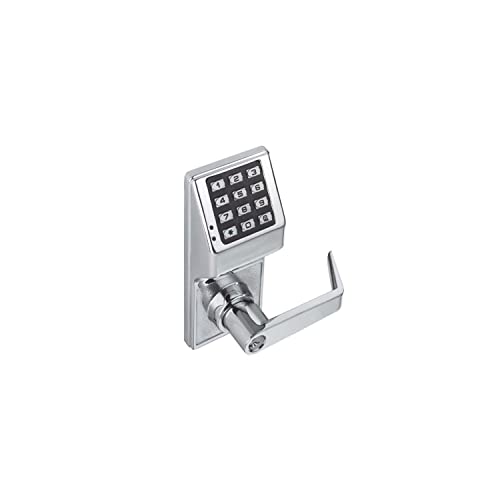
Smart locks connect to phones and home systems. They offer remote control and monitoring. Mortise and cylindrical locks are adding smart features.
- Keyless entry using codes or apps
- Automatic locking and unlocking
- Alerts for lock status and tampering
- Integration with security cameras and alarms
Enhanced Materials
Lock makers use stronger and lighter materials. These materials resist weather and wear. Mortise locks benefit from solid metals. Cylindrical locks use new alloys and plastics.
| Material | Benefit | Used In |
| Stainless Steel | Rust resistance | Mortise Locks |
| Aluminum Alloy | Lightweight and strong | Cylindrical Locks |
| Reinforced Plastic | Weatherproof and flexible | Cylindrical Locks |
| Titanium | High strength and corrosion resistance | Mortise Locks |
Hybrid Systems
Hybrid locks combine features from different types. They mix mechanical parts with digital controls. Mortise and cylindrical locks use hybrid designs for better security and ease.
| Feature | Mechanical | Digital |
|---|---|---|
| Lock Type | Mortise or Cylindrical | Smart Lock Module |
| Power Source | None | Batteries |
| Access Control | Physical Key | Keypad or App |
| Backup | Always works | Failsafe mechanical key |
Frequently Asked Questions
What Is The Main Difference Between Mortise And Cylindrical Locks?
Mortise locks fit into a pocket inside the door, offering strength and durability. Cylindrical locks install through holes in the door, providing easier installation but less robustness.
Which Lock Type Is More Secure: Mortise Or Cylindrical?
Mortise locks are generally more secure due to their complex mechanism and stronger construction. Cylindrical locks offer moderate security suitable for residential use.
Are Mortise Locks Harder To Install Than Cylindrical Locks?
Yes, mortise locks require precise cutting and professional installation. Cylindrical locks are simpler and quicker to install, often suitable for DIY projects.
Which Lock Type Is Better For Commercial Buildings?
Mortise locks are preferred for commercial buildings due to their durability and higher security. Cylindrical locks are more common in residential settings.
Conclusion
Choosing between mortise and cylindrical locks depends on your needs and budget. Mortise locks offer strong security and durability. Cylindrical locks are easier to install and cost less. Both types have pros and cons. Think about where you want to use the lock.
Consider how much security you need. Also, check how easy it is to maintain the lock. This helps you pick the best option for your door. Understanding these differences ensures a smart choice for safety and convenience.