


Are you planning to install a mini split system in your home? Understanding the electrical wiring is crucial for a successful setup.
You might be wondering how to tackle this seemingly complex task without feeling overwhelmed. The good news? It's easier than you think, and you don't have to be an electrician to grasp the basics. You'll discover simple, step-by-step guidance on mini split electrical wiring, helping you make informed decisions and avoid common pitfalls.
Keep reading, and you'll gain the confidence needed to handle your mini split system like a pro.
Mini Split Basics
Understanding the basics of mini split systems helps in grasping their electrical wiring needs. Mini splits provide efficient heating and cooling without ductwork. They are popular for their flexibility and energy savings. Knowing how they work and their parts is essential for proper installation and maintenance.
How Mini Splits Work
Mini splits transfer heat between indoors and outdoors using refrigerant. The outdoor unit absorbs or releases heat depending on the mode. The indoor unit blows air over coils to warm or cool the room. A compressor in the outdoor unit powers this process. The system runs quietly and uses less energy than traditional HVAC systems.
Components Overview
- Outdoor Unit:Contains the compressor and condenser.
- Indoor Unit:Includes the evaporator coil and air handler.
- Refrigerant Lines:Carry refrigerant between units.
- Electrical Wiring:Powers the units and controls communication.
- Remote Control:Allows temperature and mode adjustments.
Electrical Requirements
Understanding the electrical requirements for your mini split system is crucial. Proper wiring ensures safety, efficiency, and long-lasting performance. Ignoring these details can lead to costly repairs or even hazards.
Power Supply Needs
Your mini split unit requires a dedicated power supply to operate smoothly. Usually, it runs on a 220-240V circuit, but always check your unit’s specifications. Using a shared circuit can cause frequent trips and damage to the system.
Consider the length of the run from your electrical panel to the unit. Longer distances might require adjustments to avoid voltage drops. Have you measured the distance accurately before planning your wiring?
Circuit Breaker Specifications
Selecting the right circuit breaker is vital for protecting your mini split and your home’s electrical system. Most units need a double-pole breaker rated between 15 to 30 amps depending on the model. Check the manufacturer’s guide for exact requirements.
An underrated breaker can trip often, while an overrated one won’t provide proper protection. You don’t want to risk an electrical fire or damage your unit. Are you sure your current breaker matches the mini split’s needs?
Wire Gauge Selection
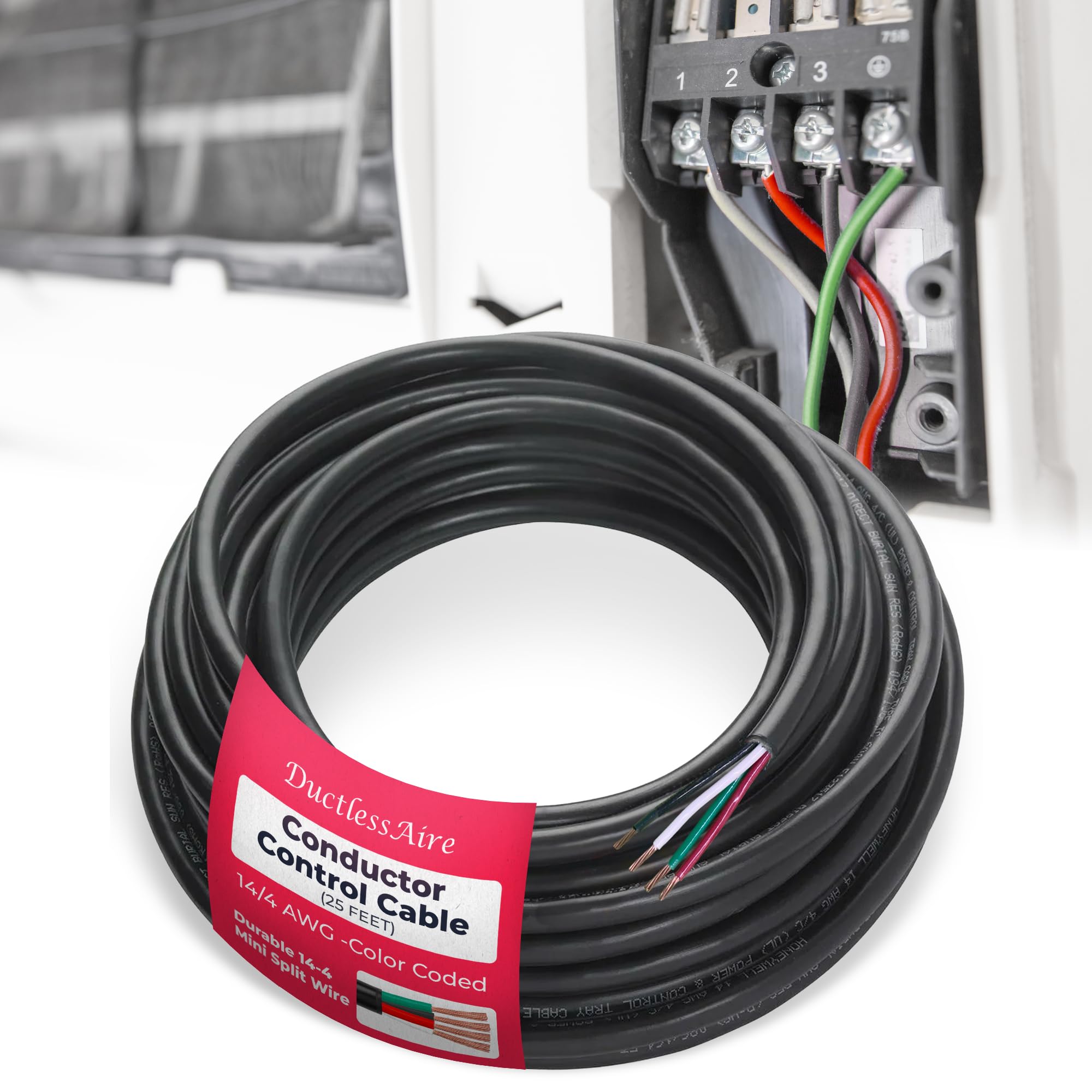
The wire gauge must match the amperage demands of your mini split. Using wires that are too thin can cause overheating and energy loss. Typically, 12 or 10-gauge copper wire is suitable, but verify based on your unit’s amperage and distance.
Don’t just pick the cheapest wire you find. Quality matters for safety and system efficiency. Have you checked your local electrical codes to ensure compliance?
Tools And Materials
Proper tools and materials are key to safe and effective mini split electrical wiring. Using the right equipment makes the job easier and prevents mistakes. Understanding what you need saves time and ensures a smooth installation process.
Essential Tools
- Wire Strippers – For removing insulation cleanly from wires.
- Voltage Tester – To check if wires carry electricity.
- Drill with Bits – Needed for mounting and making holes.
- Screwdrivers – Both flathead and Phillips for fastening screws.
- Fish Tape – Helps pull wires through walls or conduits.
- Crimping Tool – For securing wire connectors tightly.
- Multimeter – Measures voltage, current, and resistance accurately.
- Electrical Tape – Used for insulating wire joints and connections.
Required Materials
- Electrical Wire – Typically copper wire sized according to the mini split’s requirements.
- Conduit – Protects wiring from damage and meets code requirements.
- Wire Connectors – Secure wire ends and splices safely.
- Circuit Breaker – Matches the mini split’s electrical load for safety.
- Disconnect Box – Allows quick power cutoff near the unit.
- Grounding Wire – Prevents electrical shock by directing current safely.
- Mounting Brackets – Hold the unit and electrical components securely.

Credit: www.reddit.com
Wiring Preparation
Preparing for mini split electrical wiring requires careful attention. Proper preparation ensures a smooth installation and avoids future issues. This stage sets the foundation for safe and effective wiring work.
Safety Precautions
Safety is the top priority before starting any wiring. Wear insulated gloves to protect your hands. Use safety glasses to shield your eyes from sparks or debris. Keep your workspace clean and dry to avoid slips or electrical hazards. Never work on live wires. Use tools with insulated handles. Always follow local electrical codes and regulations.
Reading The Wiring Diagram
Study the wiring diagram thoroughly before beginning. The diagram shows how wires connect between the indoor and outdoor units. Identify each wire color and its function. Check for special notes or warnings on the diagram. Understanding the diagram helps prevent wiring mistakes. It guides you through the correct connections and wiring paths.
Turning Off Power
Power must be off before starting any electrical work. Locate the correct circuit breaker in your main panel. Switch off the breaker that controls the mini split unit. Use a voltage tester to confirm no current is flowing. Double-check to ensure all power sources are off. This step protects you from electric shocks and damage to the equipment.
Wiring The Indoor Unit
Wiring the indoor unit of a mini split system is a crucial task that ensures your air conditioner or heat pump functions safely and efficiently. Paying close attention to each connection can prevent future malfunctions and even hazards. Let’s break down the key wiring steps so you can handle this part of the installation with confidence.
Connecting Power Wires
Start by identifying the power wires coming from your breaker or power source. Typically, these wires include live (usually black or red) and neutral (white). Make sure to turn off the main power before handling any wiring to avoid shocks.
Connect the live wire to the indoor unit’s designated terminal, often marked as L or Line. The neutral wire should go to the N terminal. Use a screwdriver to tighten the screws securely, ensuring no loose ends that could cause shorts.
Have you double-checked the wire colors and terminal labels? This small step can save you from costly mistakes.
Signal Wire Setup
The signal wire transmits communication between the indoor and outdoor units. It’s usually a multi-conductor cable with distinct color-coded wires. Refer to your mini split’s manual to match each signal wire with the correct terminal on the indoor unit.
Carefully strip the insulation without damaging the copper wire inside. Insert each wire into the correct terminal and tighten the screws firmly. Avoid crossing wires, as incorrect connections can lead to system errors or failure to start.
If you’ve ever faced issues with your mini split not responding properly, incorrect signal wiring might be the culprit. Paying attention here saves you troubleshooting headaches later.
Grounding Instructions
Grounding is essential for your safety and the longevity of your mini split system. Locate the grounding terminal, usually marked with a grounding symbol or green screw. Attach the green or bare copper grounding wire securely to this terminal.
Make sure the ground wire is connected back to your home’s grounding system or electrical panel ground bus. A solid ground connection helps prevent electrical shocks and protects the unit from power surges.
Have you tested your grounding with a multimeter before powering up? It’s a quick step that can confirm everything is set correctly and safely.
Wiring The Outdoor Unit
Wiring the outdoor unit of a mini split system requires careful attention to detail. Proper wiring ensures efficient operation and safety. This section covers key steps for connecting power, communication cables, and grounding the unit correctly.
Power Connection Steps
Start by turning off the main power supply to avoid accidents. Use a dedicated circuit breaker for the outdoor unit. Connect the power wires to the unit’s terminal block. Typically, these include live, neutral, and ground wires. Tighten all connections securely to prevent loose contacts. Follow the manufacturer’s wiring diagram closely for correct wire placement. Double-check wire gauge matches the unit’s electrical requirements. Restore power only after completing all wiring tasks.
Communication Cable Wiring
The communication cable links the outdoor unit to the indoor unit. Use the cable type recommended by the manufacturer, usually a low-voltage copper wire. Strip the cable ends carefully without damaging the wires. Connect the wires to the designated terminals on both units. Ensure polarity matches on both sides to avoid errors. Secure the cable to prevent strain or damage. Test the connection to confirm proper communication before sealing the unit.
Proper Grounding
Grounding protects against electrical faults and improves safety. Connect the ground wire from the outdoor unit to a suitable grounding point. Use a grounding rod or building grounding system as instructed. Check that the ground wire is continuous and free of corrosion. Tighten all grounding connections firmly. Verify grounding resistance meets local electrical codes. Proper grounding reduces risk of shock and equipment damage.
Testing And Troubleshooting
Testing and troubleshooting mini split electrical wiring is essential for safe and efficient operation. This process helps identify wiring faults and ensures the system works correctly. Careful testing prevents damage to the unit and avoids electrical hazards.
Initial Power-on Tests
Start by checking the power supply to the mini split unit. Use a multimeter to verify voltage matches the unit's requirements. Confirm that the circuit breaker is on and no tripped switches exist.
Next, power on the system and listen for unusual noises. Check if the indoor and outdoor units respond properly. Observe the control panel for error codes or warning lights.
Measure current draw on the compressor and fan motors. Compare readings to the manufacturer's specifications. Abnormal readings may indicate wiring or component issues.
Common Wiring Issues
- Loose connections causing intermittent power loss
- Incorrect wire gauge leading to overheating
- Wrong polarity causing control errors
- Damaged insulation creating shorts or ground faults
- Crossed wires in control circuits
Such faults can cause the unit to malfunction or stop working altogether. Careful inspection of wiring and terminals is necessary.
Fixing Electrical Problems
Tighten any loose connections using appropriate tools. Replace damaged wires with the correct gauge and type. Use electrical tape or heat shrink tubing on exposed sections.
Correct any reversed polarity by swapping wires in the control terminal. Clear any corrosion or dirt from contacts and connectors. Reset the circuit breaker after repairs and retest the system.
Document any changes and monitor the unit for consistent operation. Seek professional help if problems persist or if wiring is complex.
Code Compliance
Ensuring code compliance in mini split electrical wiring is vital for safety and performance. Proper wiring protects your system and prevents electrical hazards. It also guarantees that your installation meets legal and insurance requirements.
Following electrical codes reduces risks of fire, shocks, and system failures. It gives peace of mind and keeps your property safe. Understanding the key codes helps avoid costly mistakes during installation.
National Electrical Code Highlights
The National Electrical Code (NEC) sets standards for safe wiring practices. It covers wiring methods, grounding, and circuit protection. Key points include:
- Using the correct wire size for the mini split unit.
- Installing dedicated circuit breakers for HVAC equipment.
- Proper grounding to prevent electrical shock.
- Following manufacturer instructions for wiring connections.
NEC updates every three years, so always check the latest version.
Local Regulations
Local codes may add extra rules beyond the NEC. These rules vary by city, county, or state. Some common local requirements include:
- Permits before starting electrical work.
- Inspections at different installation stages.
- Specific materials or brands allowed for wiring.
- Restrictions on wire routing and placement.
Contact local building departments for detailed information before installation.
Inspection Tips
Prepare for inspections by following these tips:
- Keep wiring neat and organized.
- Use approved tools and materials only.
- Label circuits clearly in the breaker panel.
- Test all connections for secure fit and function.
- Ensure grounding wires are properly connected.
- Have all permits and documents ready to show.
Passing inspections ensures your mini split system is safe and legal.
Maintenance Tips
Maintaining the electrical wiring of your mini split system is essential for its safe and efficient operation. Regular care helps avoid costly repairs and keeps the unit running smoothly. Simple checks and awareness of common issues can extend the life of your system and protect your home.
Regular Electrical Checks
Inspect wiring connections for tightness and signs of corrosion. Look for any loose or exposed wires around the unit. Test the circuit breaker to ensure it trips correctly. Clean dust and debris from electrical components to prevent overheating. Schedule these checks every few months to catch problems early.
Signs Of Wiring Wear
- Frayed or cracked insulation on wires
- Burn marks or discoloration near electrical connections
- Frequent tripping of circuit breakers
- Unusual buzzing or sparking sounds
- Flickering or dimming lights when the unit runs
Spotting these signs early helps prevent electrical hazards. Replace damaged wires promptly to ensure safety.
When To Call A Professional
Electrical work can be dangerous. Call a licensed electrician if you notice damaged wiring or persistent electrical issues. Avoid attempting complex repairs yourself. Professionals have the tools and knowledge to fix problems safely. Regular professional inspections add peace of mind and protect your investment.

Credit: apexelectricmechanical.ca
Credit: www.amazon.ca
Frequently Asked Questions
What Type Of Wiring Is Needed For Mini Split Installation?
Mini splits typically require 14/3 or 12/3 gauge wire, depending on the unit's amperage. Use copper wire for safety and efficiency. Always consult the manufacturer’s wiring diagram for exact specifications before installation.
How Do I Connect The Power Supply To A Mini Split?
Connect the mini split to a dedicated circuit breaker. Ensure proper grounding and follow the wiring diagram. Use a disconnect box near the unit for safety and maintenance access.
Can I Use Existing Wiring For A Mini Split System?
Existing wiring might be insufficient for mini splits due to amperage requirements. Inspect the wire gauge and circuit breaker rating. Upgrading wiring ensures safe and efficient operation of the system.
What Safety Precautions Are Essential For Mini Split Wiring?
Turn off power at the breaker before starting work. Use insulated tools and follow local electrical codes. Verify connections twice to avoid shorts, shocks, or system damage.
Conclusion
Wiring a mini split system needs care and clear steps. Safety must always come first. Use the right tools and follow the instructions closely. Check all connections to avoid future problems. Proper wiring helps your system work well and last longer.
Ask a professional if unsure about any step. A well-wired mini split keeps your home comfortable year-round. Take your time and do it right for best results. Simple steps can save you time and money later. Trust the process, and enjoy cool air without worries.

